The 6 Types of Deep Tech Founders (and Which One You Are)
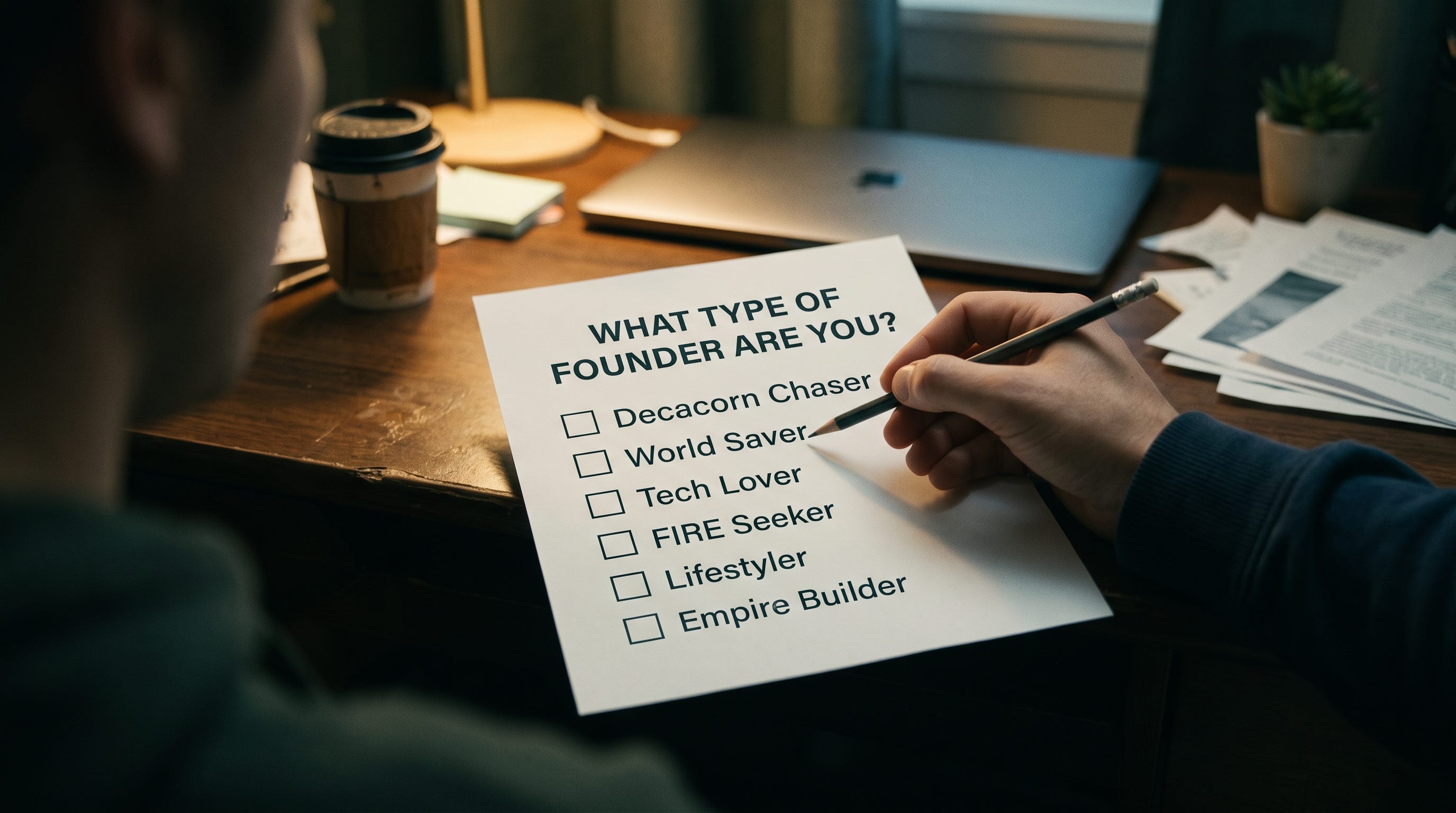
Your dreams, fears, and ambitions set a ceiling on your startup. Here are six types of deep tech founders I’ve seen, what it means for raising capital, and the risks intrinsic to each.

How to build the deep tech companies we need today, so the year 2075 doesn't suck.
Live Last read · last published · next check
Your dreams, fears, and ambitions set a ceiling on your startup. Here are six types of deep tech founders I’ve seen, what it means for raising capital, and the risks intrinsic to each.
Pairing inventions with a digital twin of the inventor
Knowing if a program is a fit requires insights from other founders. I'm launching a new platform called Deep Tech Dirt to make those connections — and I need your input.
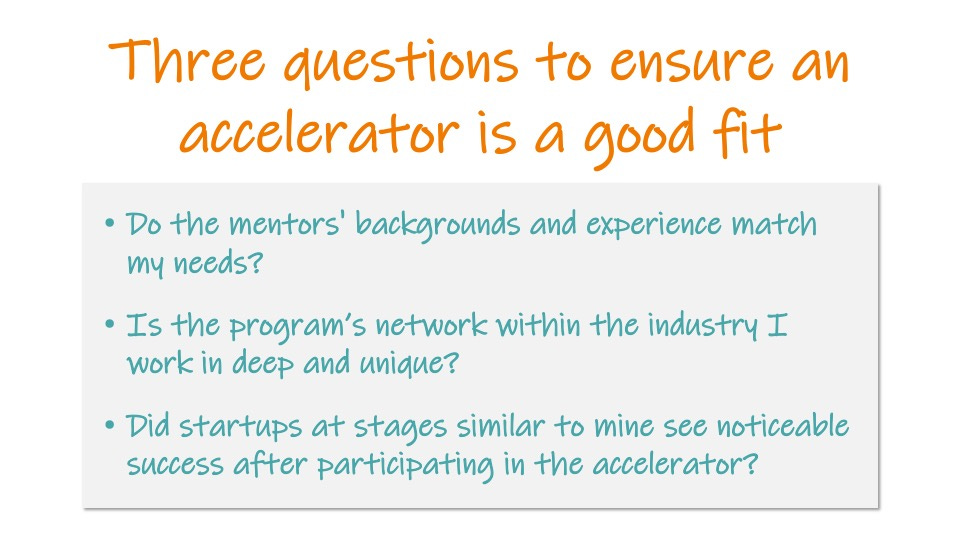
There is an accelerator-fit gap in the deep tech startup ecosystem; answer these three questions to evaluate a deep tech startup and find the right fit.
Grants are a blessing and a curse for deep tech startups: they provide critical non-dilutive funding early on but can distract from your bigger goals.
A PhD's greatest strengths can become liabilities in a startup. Here are three mistakes that derail PhD founders, and how to fix each one.
Four coordinated interventions that could unlock the dark matter trapped in today’s deep tech wind-downs, from AI tools to non-profit libraries.
Informal IP in startups is a major source of value, but preservation and transfer of tacit knowledge and know-how during a shutdown faces six problems.
Deciding to start a climate tech, deep tech, or frontier tech company right after PhD studies is complicated. Here are the questions to ask yourself before you become a founder and launch a startup.
Thinking about making the PhD-to-founder transition? The world needs you and your deep tech startup. Here is why PhDs make great founders and what one skill PhD founders need to master
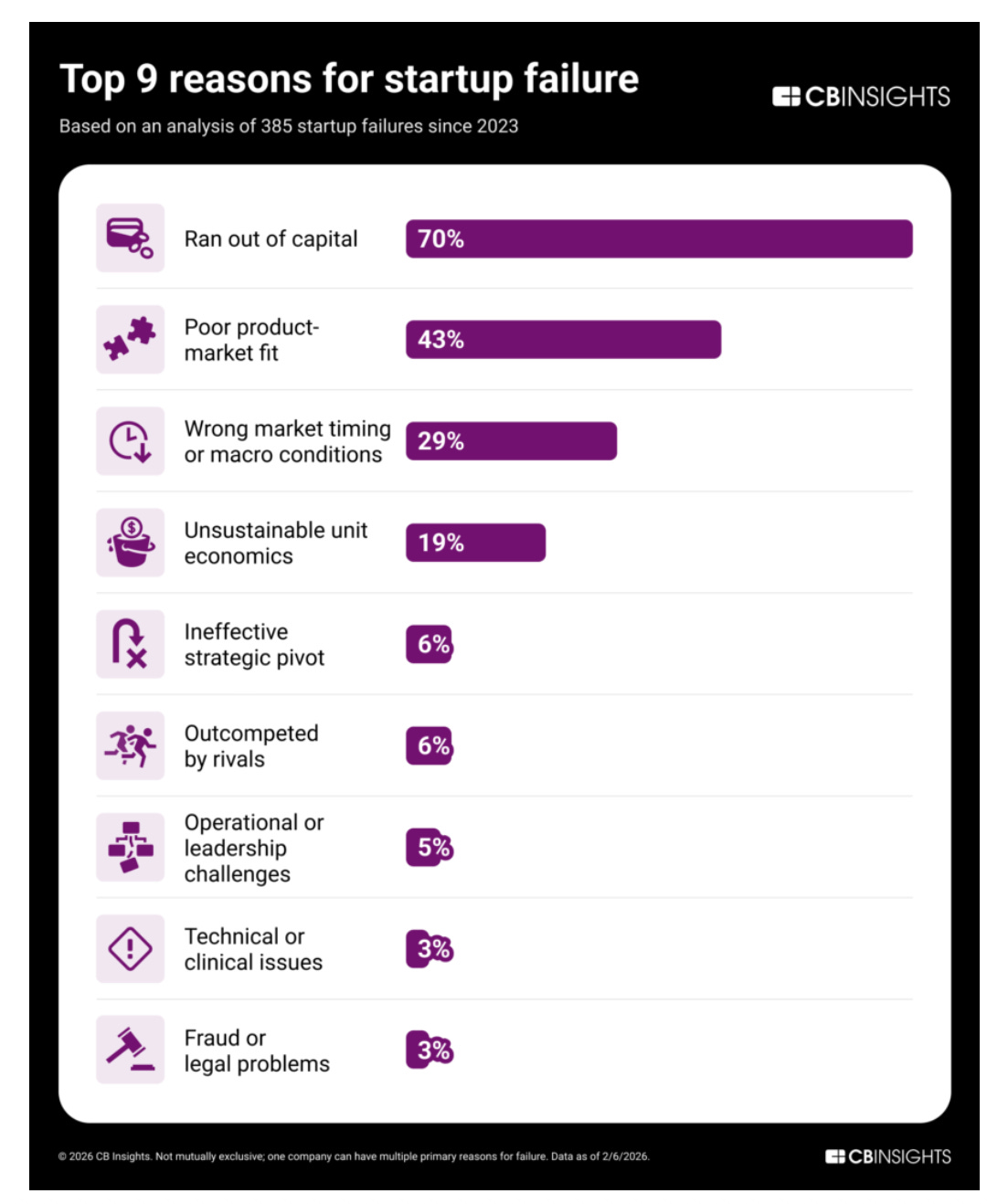
Founders' number one reason their startup failed: they ran out of money. That's not a reason, that's the result. Be honest about what went wrong and learn from it.
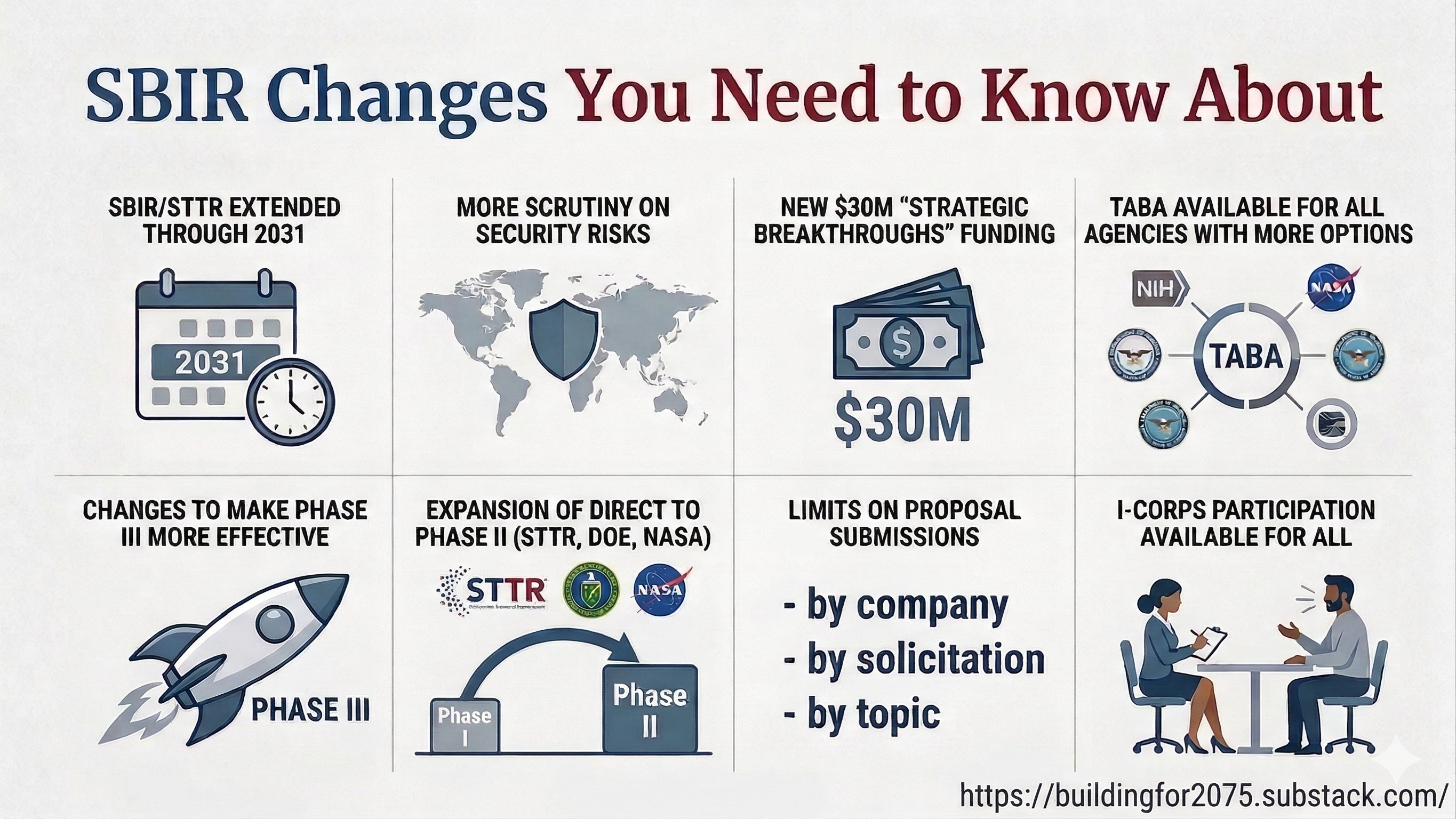
With the Senate unanimously passing a bill to reauthorize and revise the SBIR/STTR programs, deep tech founders regain a vital source of non-dilutive funding, one that can now be worth up to $30M.
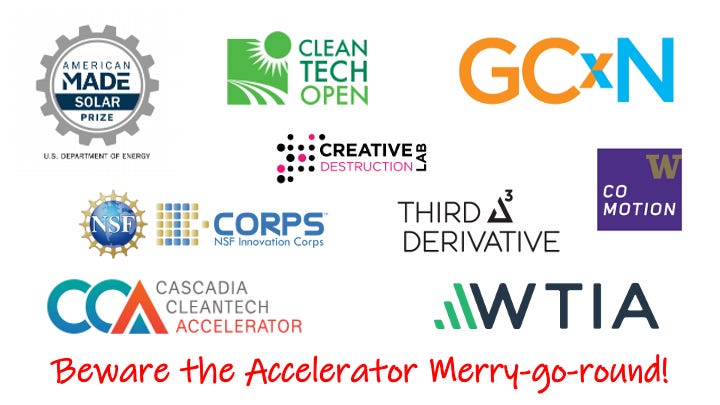
Accelerators are everywhere. Many founders get stuck on an accelerator merry-go-round, mistaking participation for traction and progress. Don't let this be you.
Startups require incredible sacrifice from both founders and their families.
Many deep tech startups are exposed to regulatory risk. Too few founders have a strategy to engage policy makers.
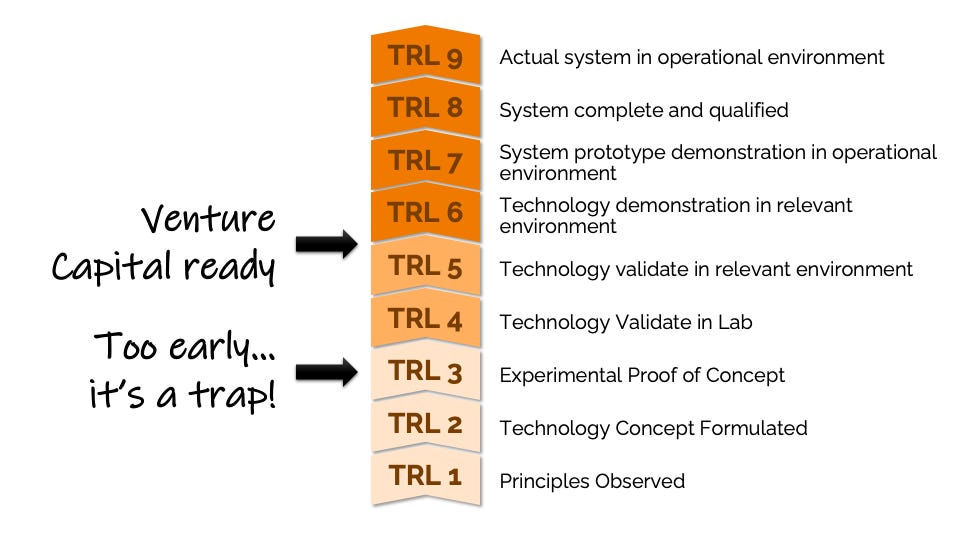
Why starting your company too early is a gamble most investors won't take, and you shouldn't either.
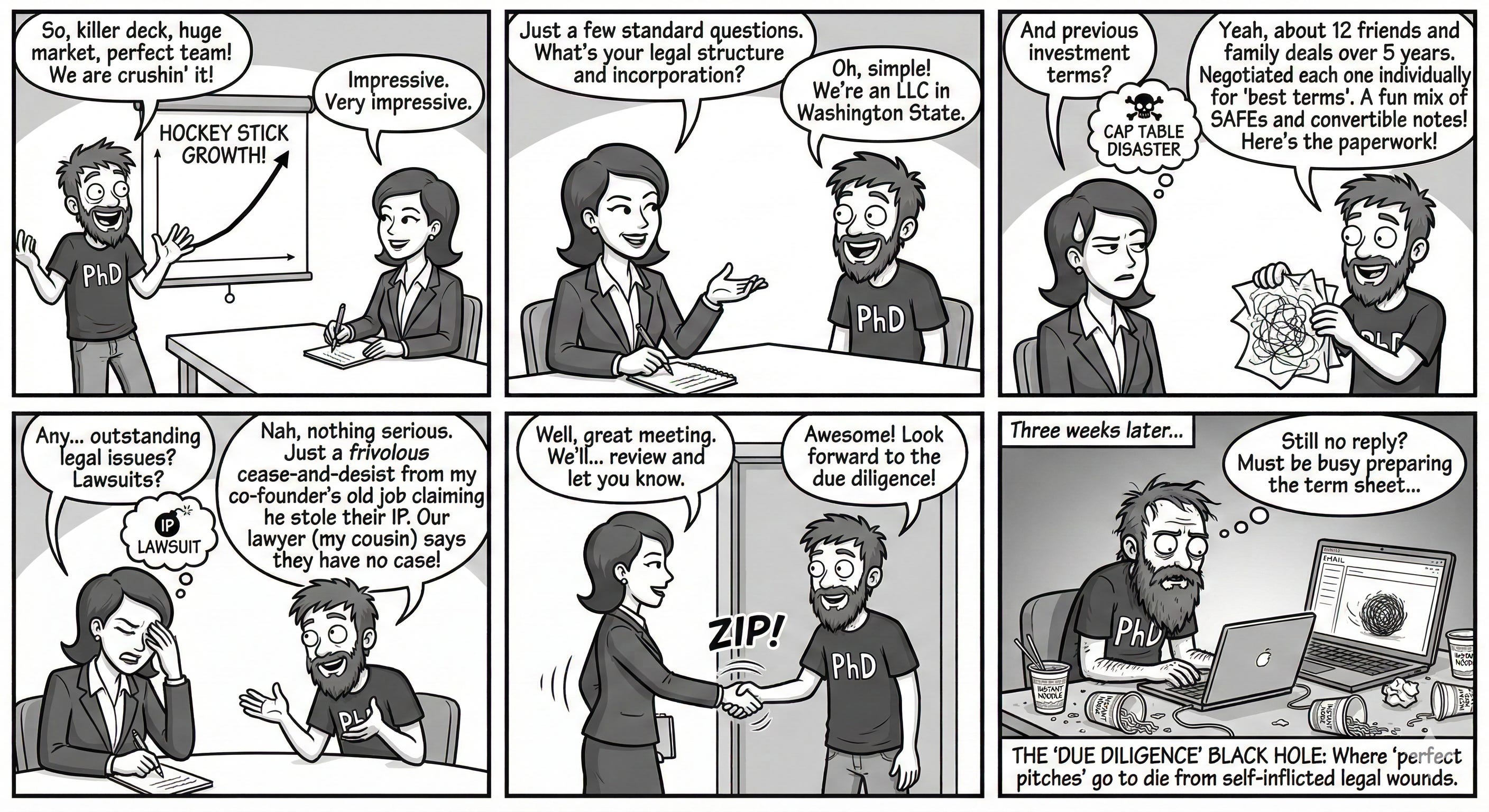
You’ve nailed the pitch—don’t let a messy cap table, multi-year incubation, exotic legal structure, or unresolved legal issues kill the deal.
2025 was a wake-up call for many founders. Here are three steps to make 2026 a success.
The bar has never been higher for deep tech startups to show they can make money fast
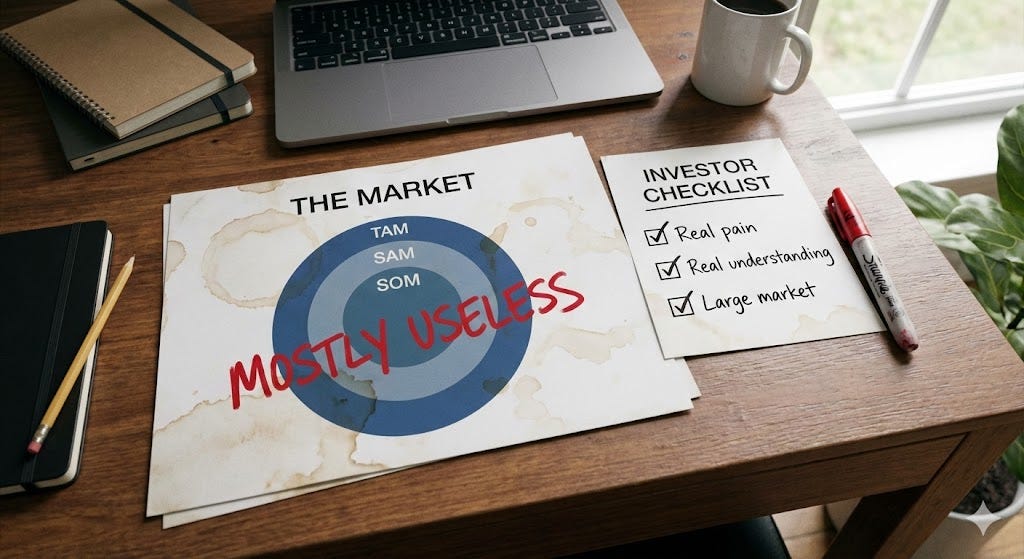
Investors want to see a team that understands the market and knows how to capture market share rapidly
We want to thank our many supporters and colleagues and all of the entrepreneurs working to build a better world