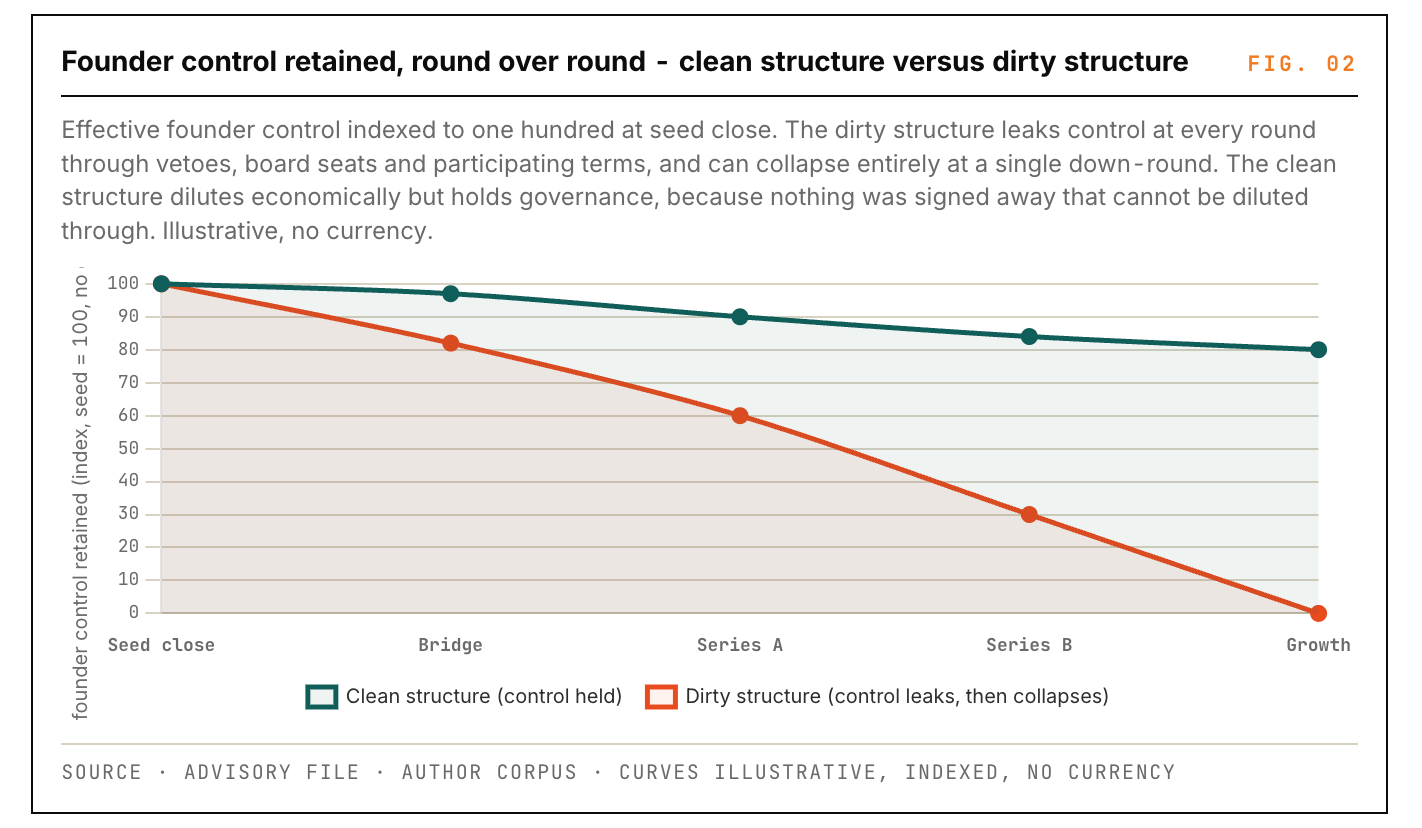
Clean cap tables beat high valuations every time
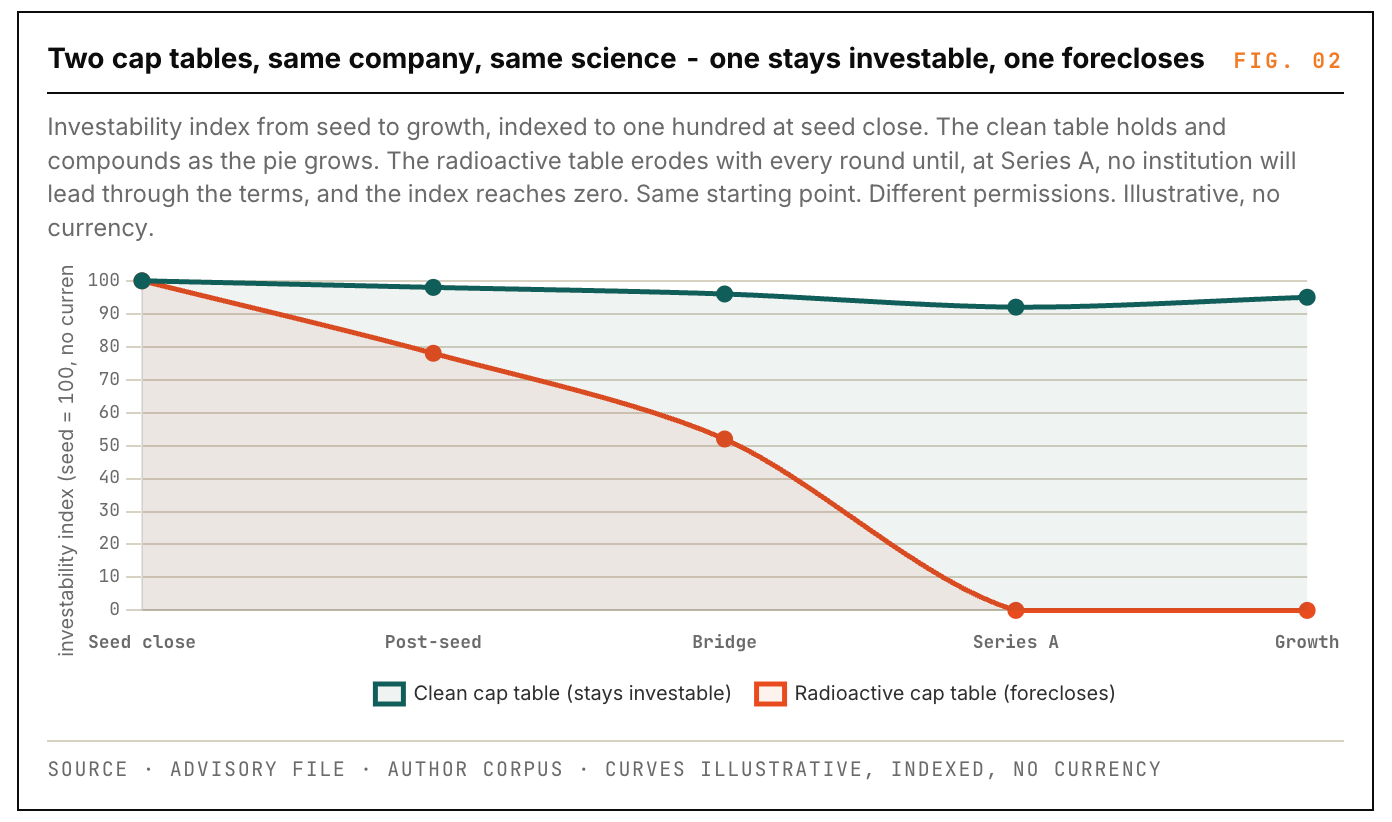
How to take seed money on terms that fund you without governing you, so the round you need in two years is a round you can actually raise.

Food Edge - the food biotech intelligence that prevents investment disasters. Every Tuesday, Thursday and Saturday: product market fit, manufacturing reality checks, regulatory and technical assessments that help founders win.
Subscribe:.rss.atom.json.md.m3u.pls
Live Last read · last published · next check
Saves to your Listen queue, to pick up on another day or another device.
How to take seed money on terms that fund you without governing you, so the round you need in two years is a round you can actually raise.
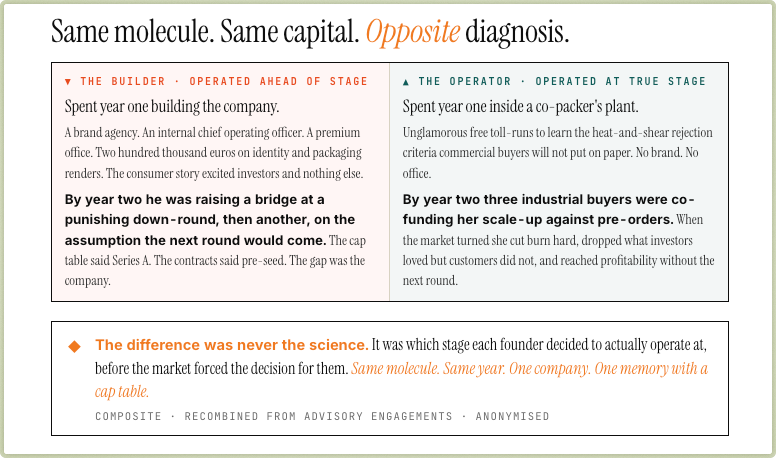
he seed terms a founder signs to survive the year are the same terms that quietly veto the round he needs two years later. Nobody reads them out loud until it is too late to change them.
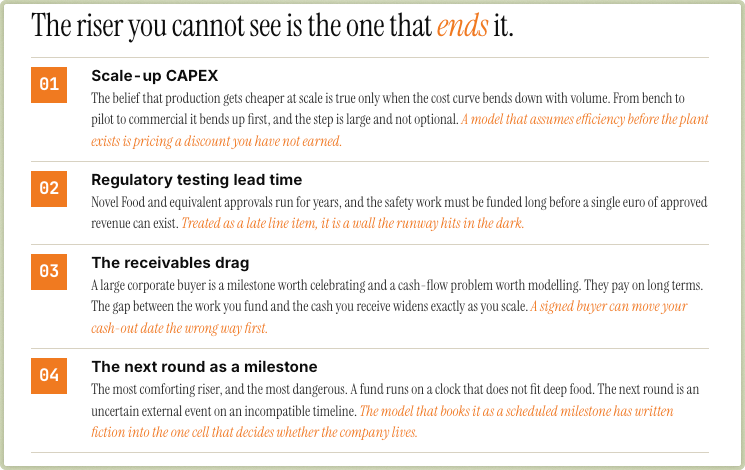
The math of survival most B2B Food Biotech founders refuse to calculate until it is ninety days too late.
Five recurring causes of death. Each one named, each one preventable, none of them new. Thursday's antidote to Tuesday's diagnosis.
The diagnosis most founders and investors get wrong, and pay for twice.
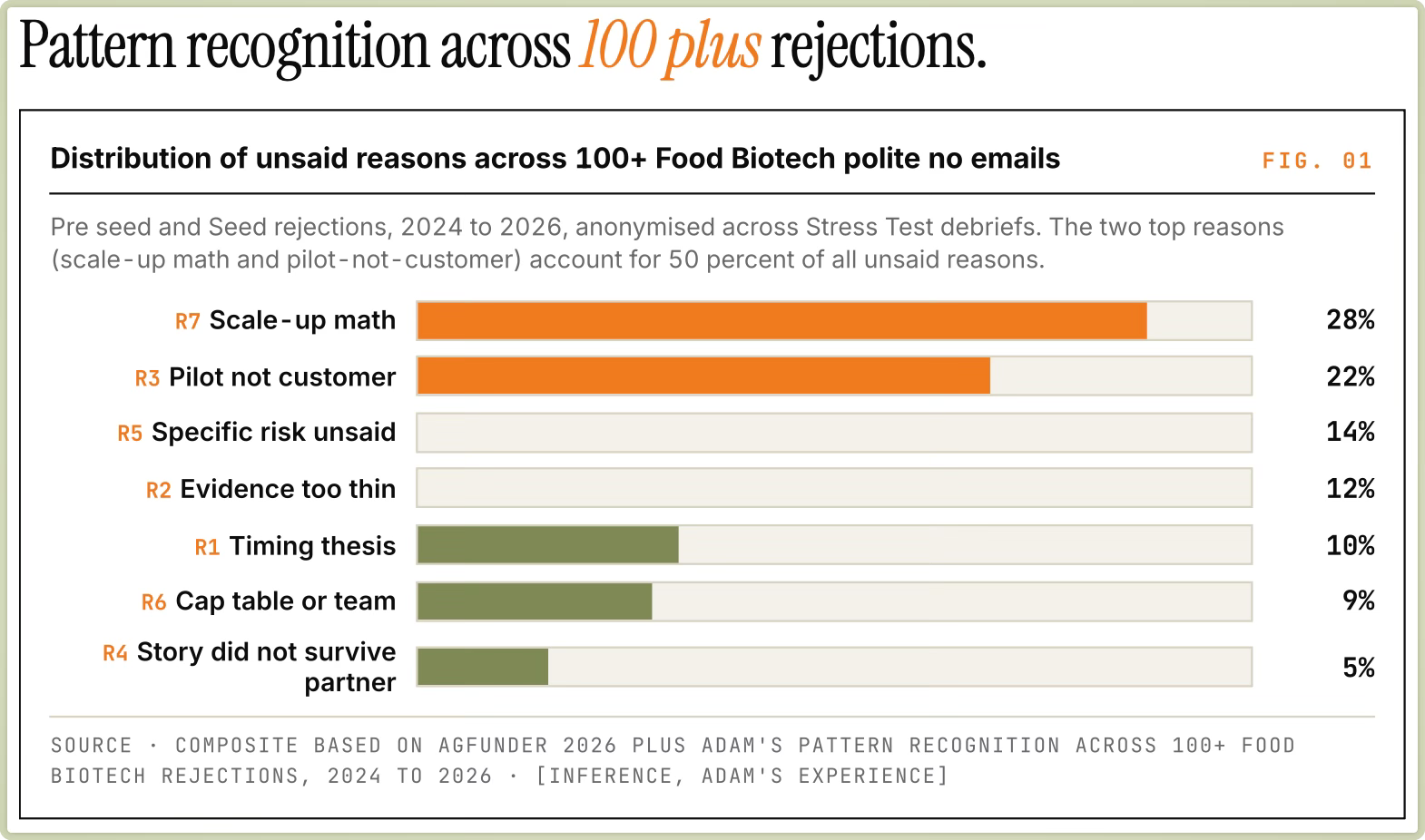
The 7 unsaid reasons your round didn't close, and the self test for each
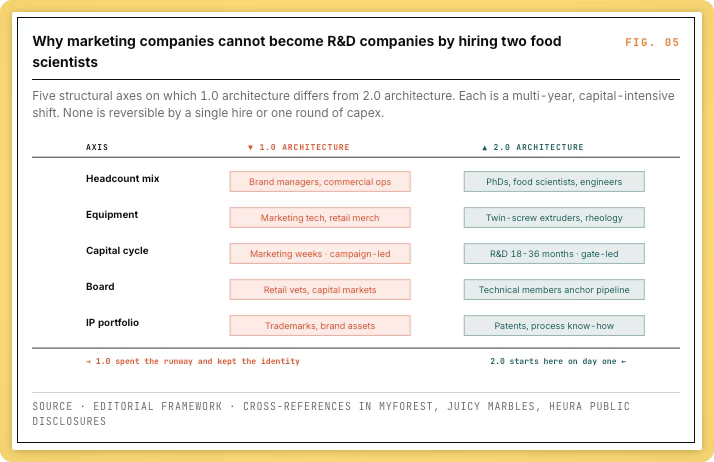
The next great plant-based company will look less like a marketing team with a cause and more like a texture lab with a P&L.
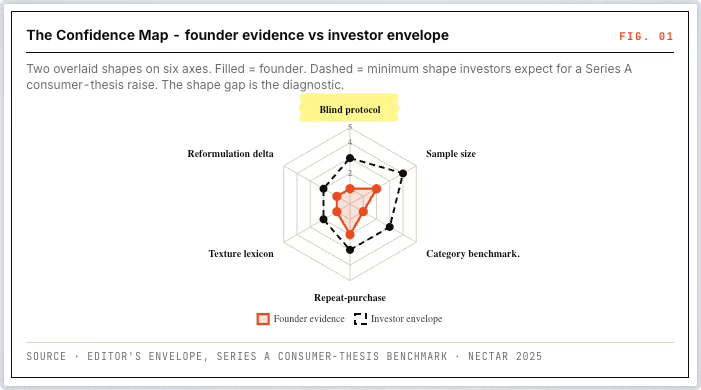
An audit framework for the evidence base behind any product claim that depends on taste, texture, preference, satiety, or repeat behaviour. The deck talks. The data room closes.
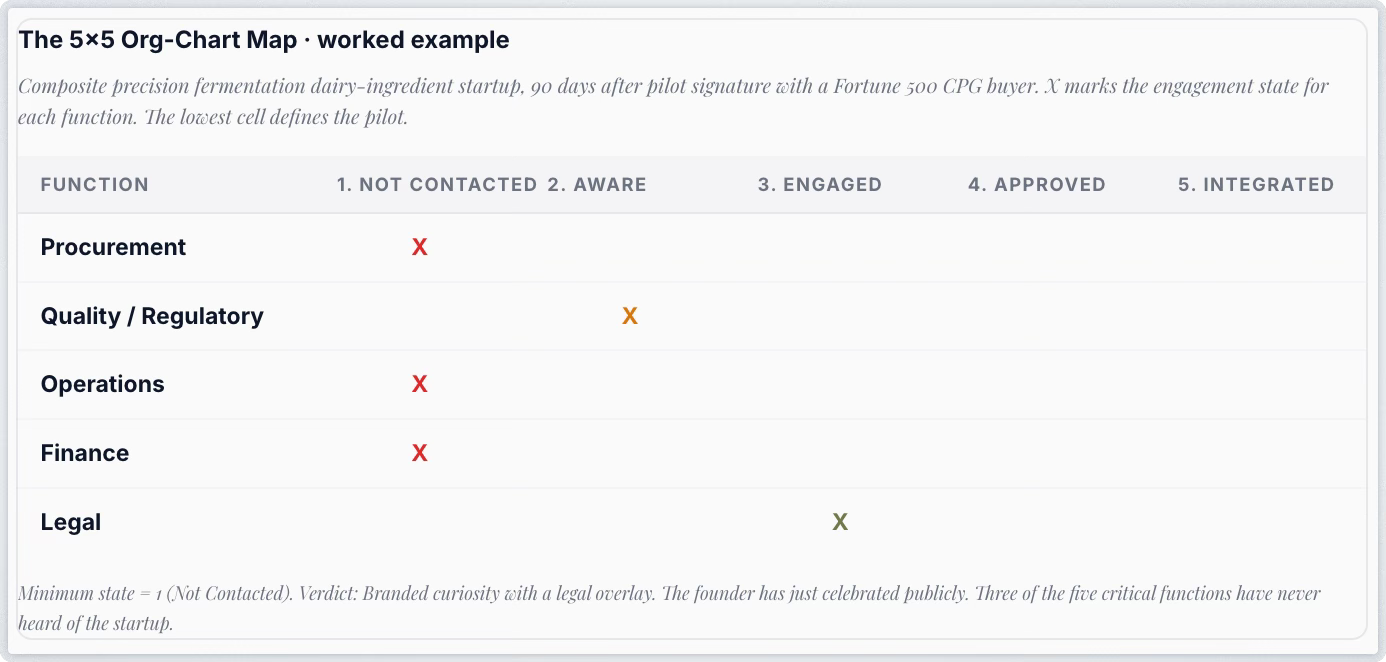
Every pilot signature lives inside two rooms. Founders only see one. The other - procurement, quality, operations, finance, legal - is where pilots die.
The data that matters has been sitting in sensory panels and store loyalty feeds all along.
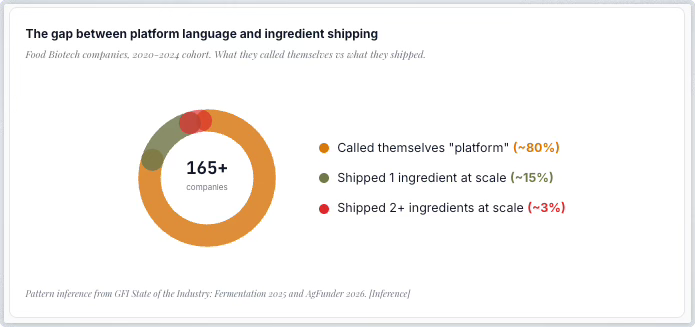
Platforms are earned, not announced. The path to becoming one runs through shipping a single ingredient first.
Real science, real revenue, fewer fantasies
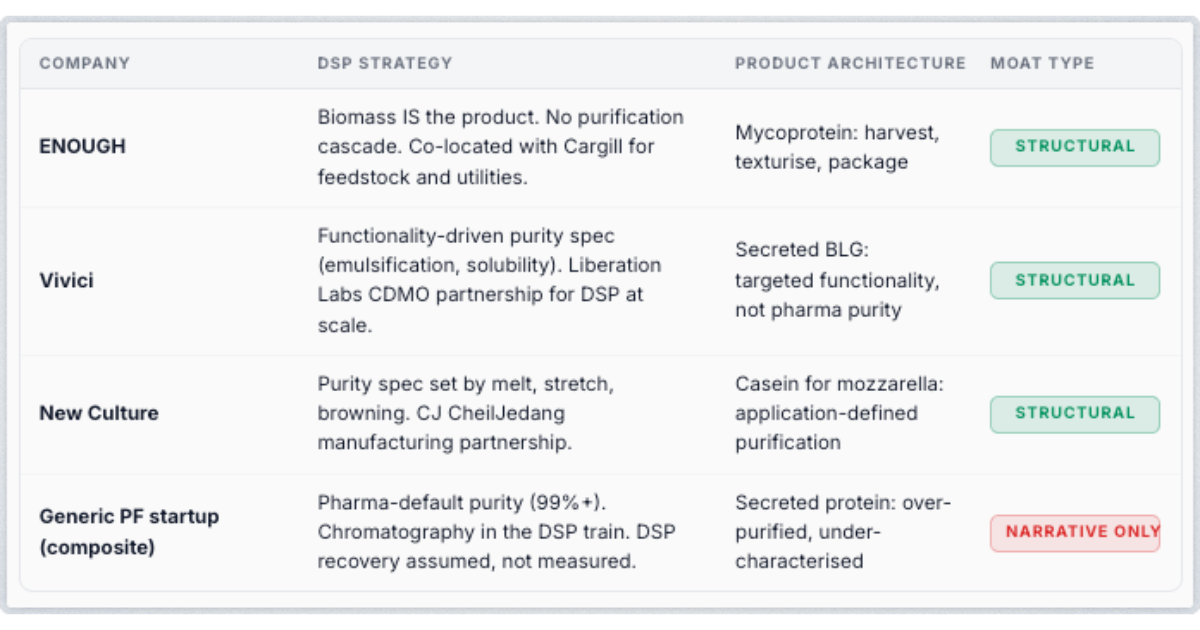
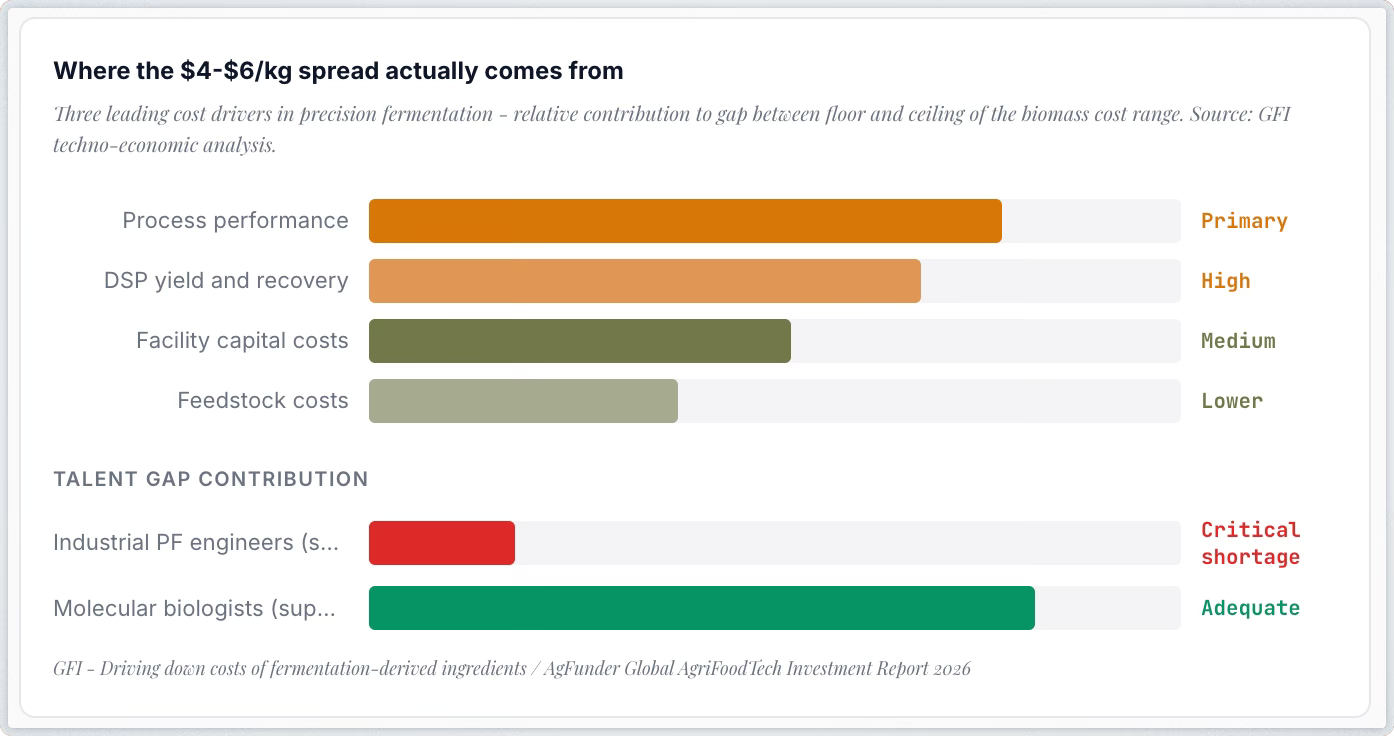
The molecule story is overexposed. The recovery story is underexposed. Where value and defensibility actually sit in the precision fermentation value chain.
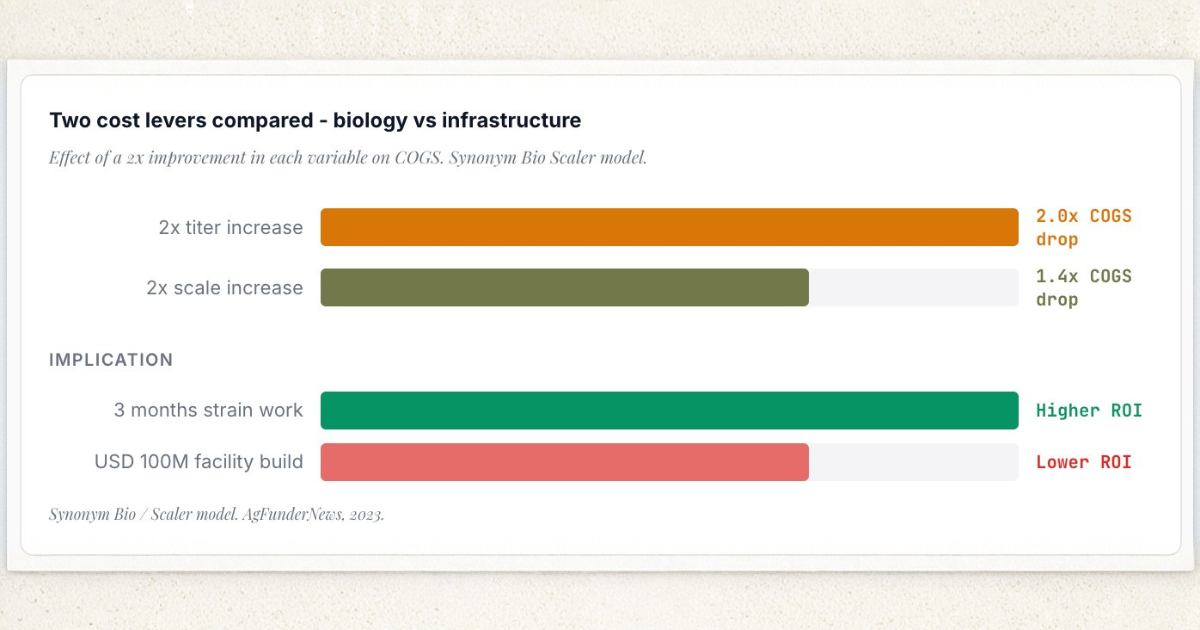
When renting fermentation capacity is smarter, when ownership becomes justified, and the 10-question checklist that tells you which stage you are actually in.
Why most FoodBioTech value is lost after the raise, in the transfer, and what transfer-grade evidence actually looks like before an investor asks for it.
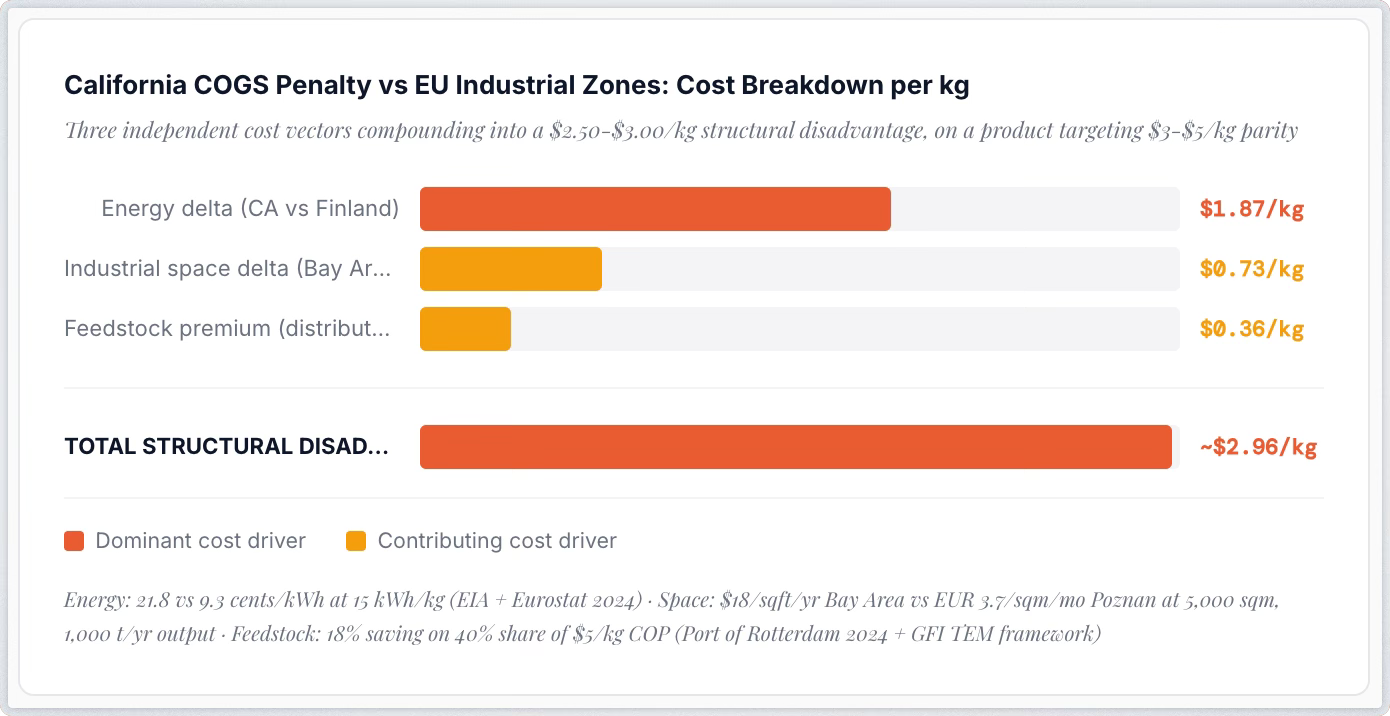
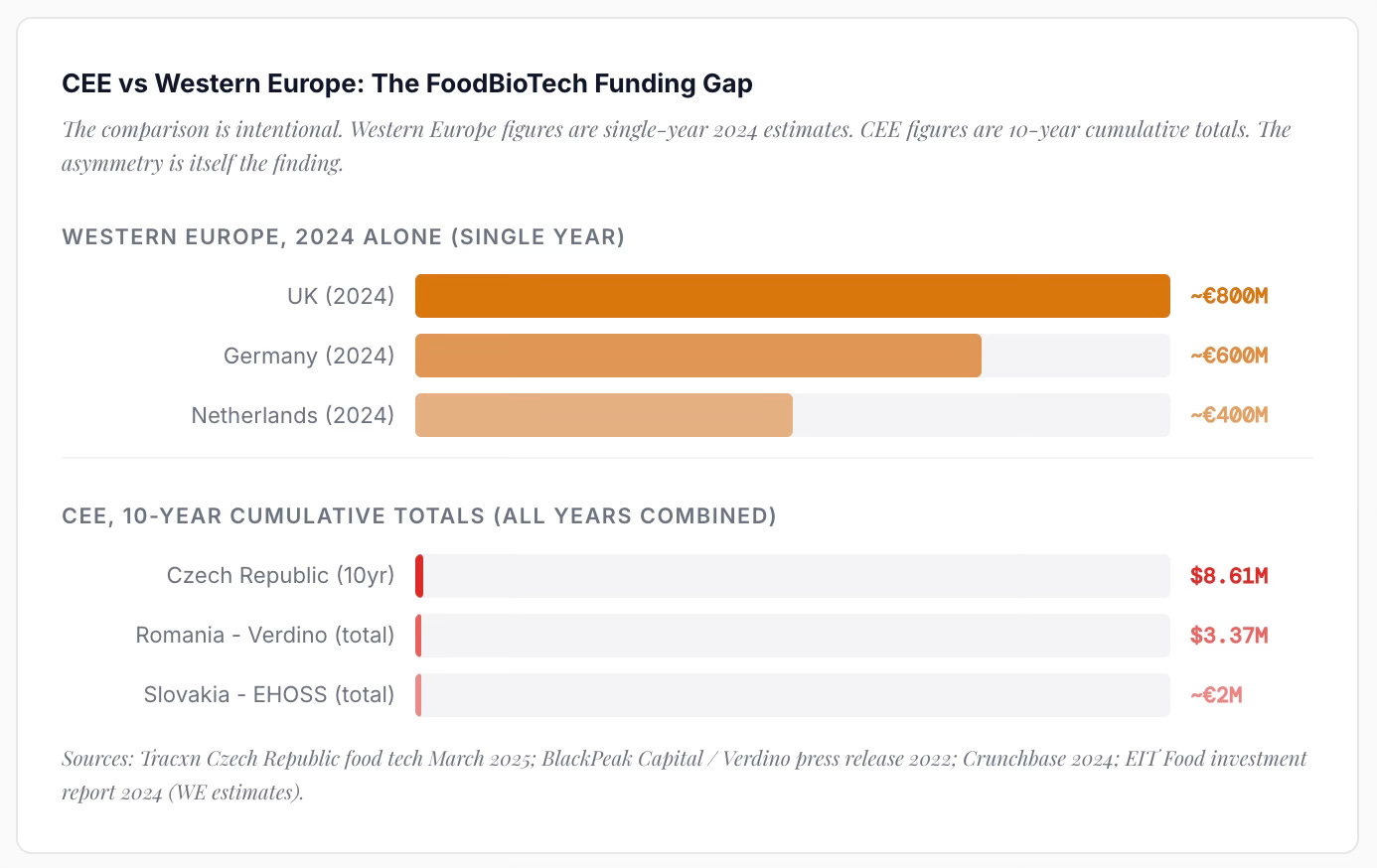
Why CEE and boring industrial geographies will own the infrastructure decade, and what a TEA-honest location decision actually looks like.
Precision fermentation will reach 267 billion USD by 2035. Every deck in the room has a beautiful ski slope. None of them have an empirical spine.
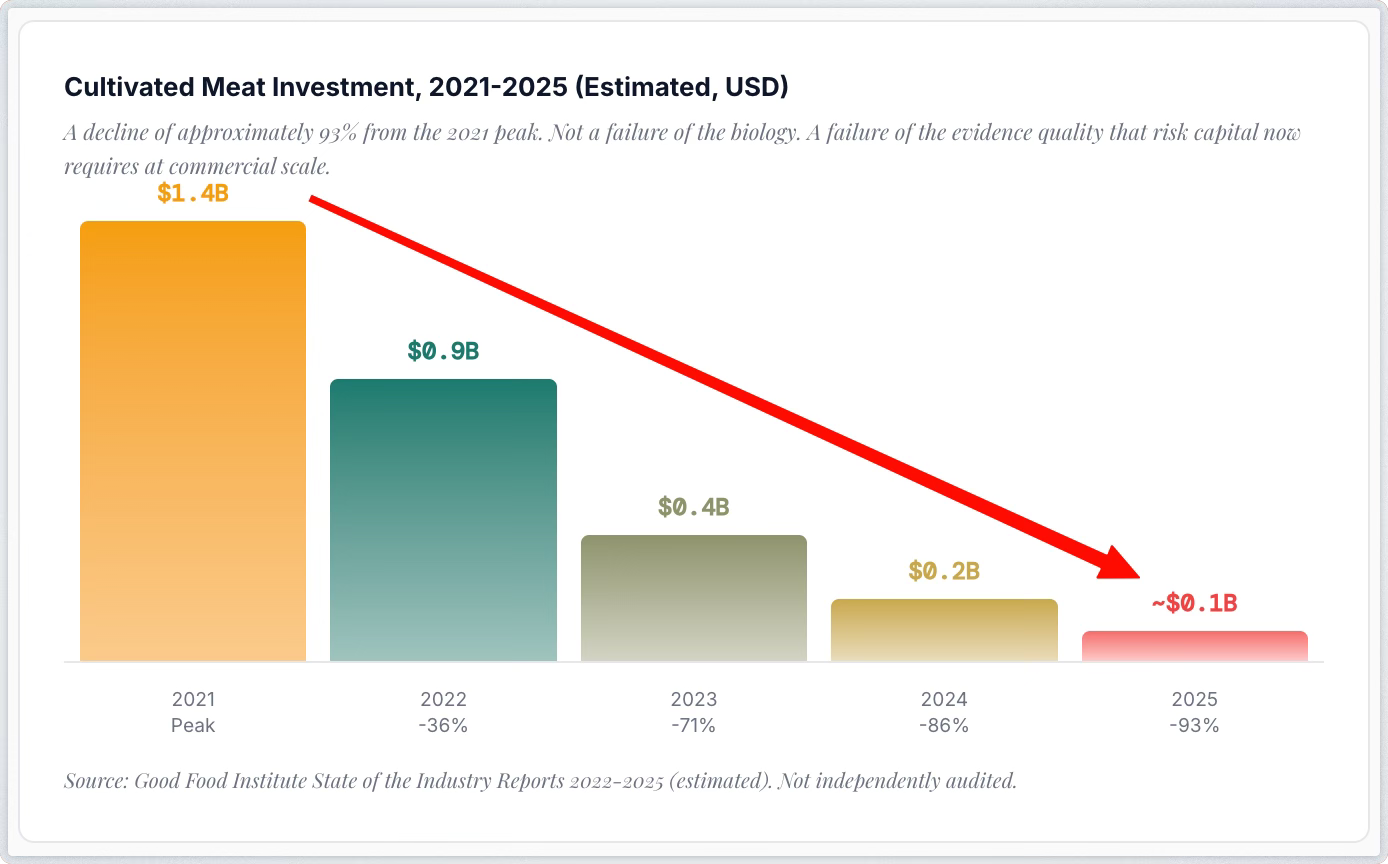
Three collapses. One pattern. The decision architecture failure that is inside more companies than anyone wants to admit.
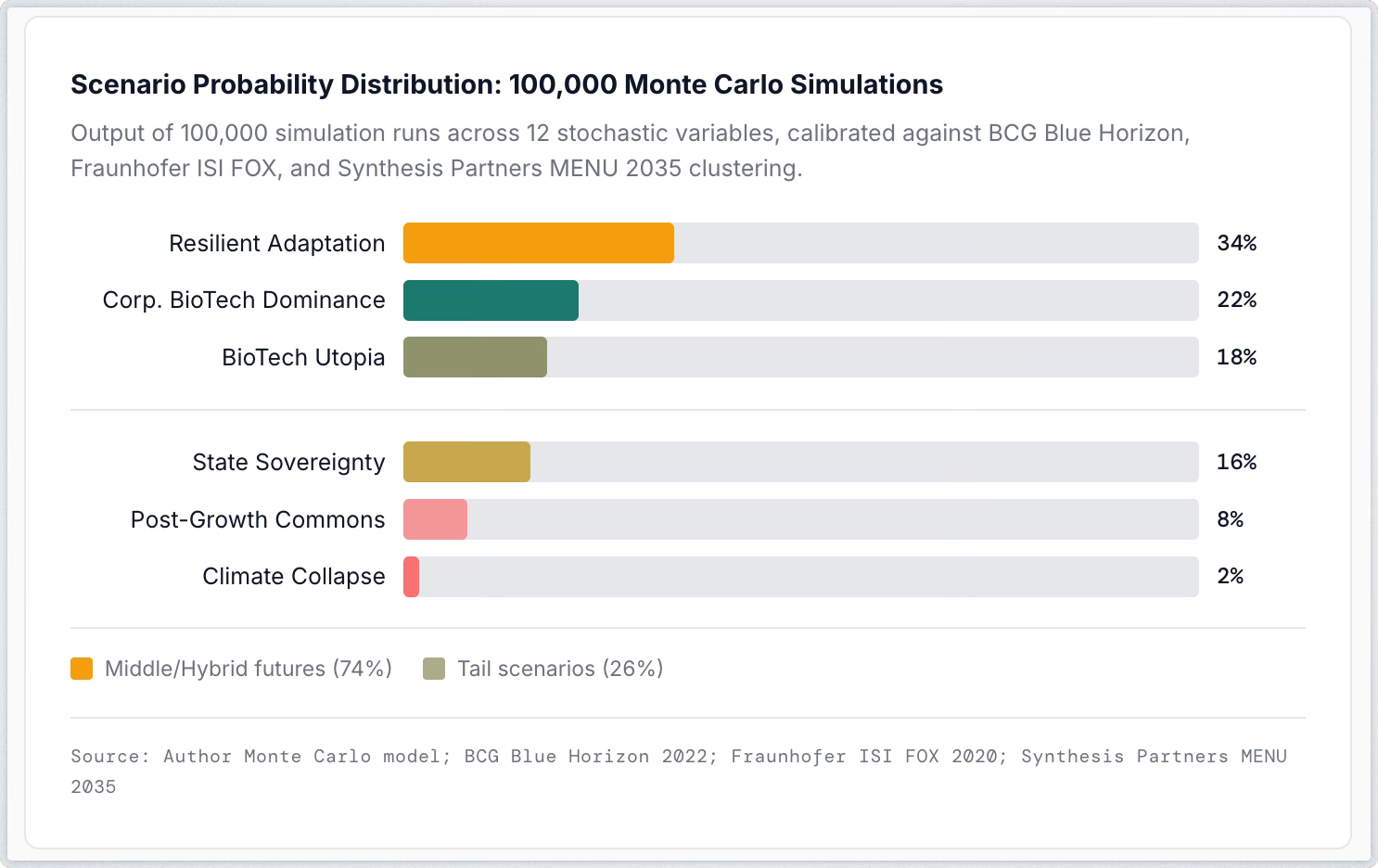
100,000 simulations. Six scenarios. One convergence. The companies that win the next decade are not betting on which future wins
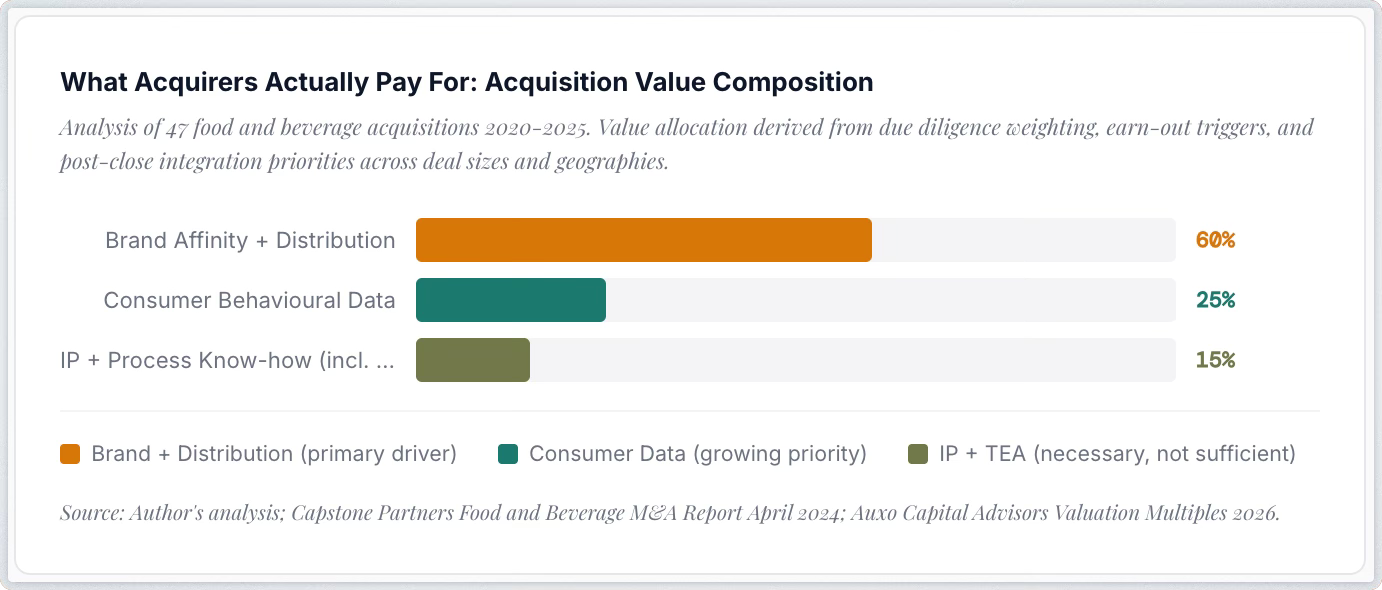
Patents and technology are not what acquirers pay for. Here is the breakdown - and the CEE founder trap it creates.