A Letter from the Editor
Upcoming stories and lessons learned.

The Aging Almanac is an evidence-based guide to navigating later life, to help you and your loved ones age with agency, dignity and intention.
Live Last read · last published · next check
Upcoming stories and lessons learned.
The documents that help people direct their future care and keep families out of court, and how to guard against scammers who prey on the vulnerable.
An oncologist became a caregiver, then a counsellor. Dr. Edward Shaw's eight-need framework helps dementia caregivers travel the path not chosen.
Patients and families often feel lost after a dementia diagnosis. We explore the options to maintain function in the disease’s early stages, from the oldest habits to the newest drugs and therapies.
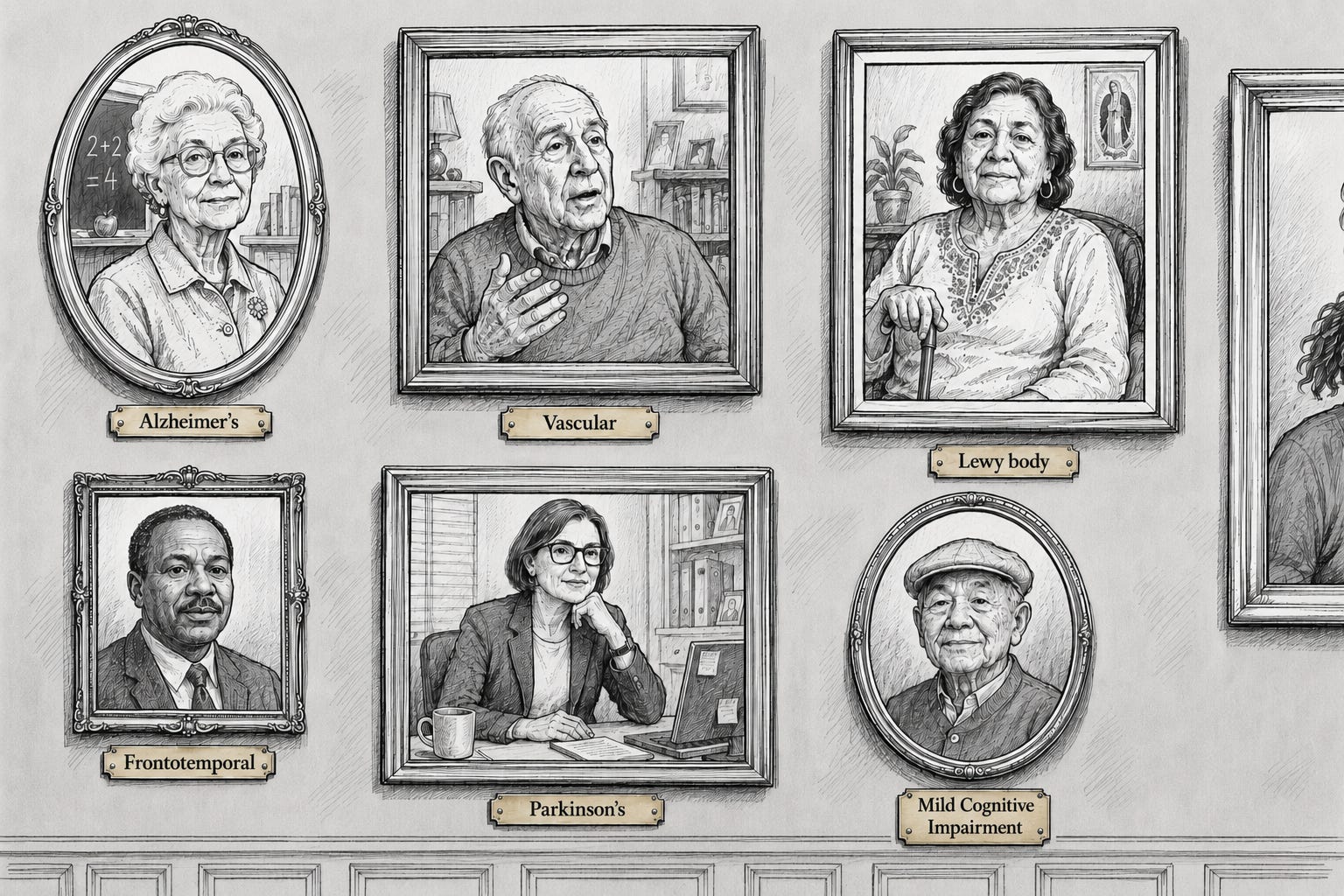
Dementia is not a single illness, but an umbrella term for more than a hundred conditions. How to tell its early signs from ordinary aging, and why a diagnosis is worth having early.
The Aging Almanac's first book review: A novelist delivers his last book, a geriatrician shares a memoir about caring for his father, and an oncologist debunks the wellness machine.
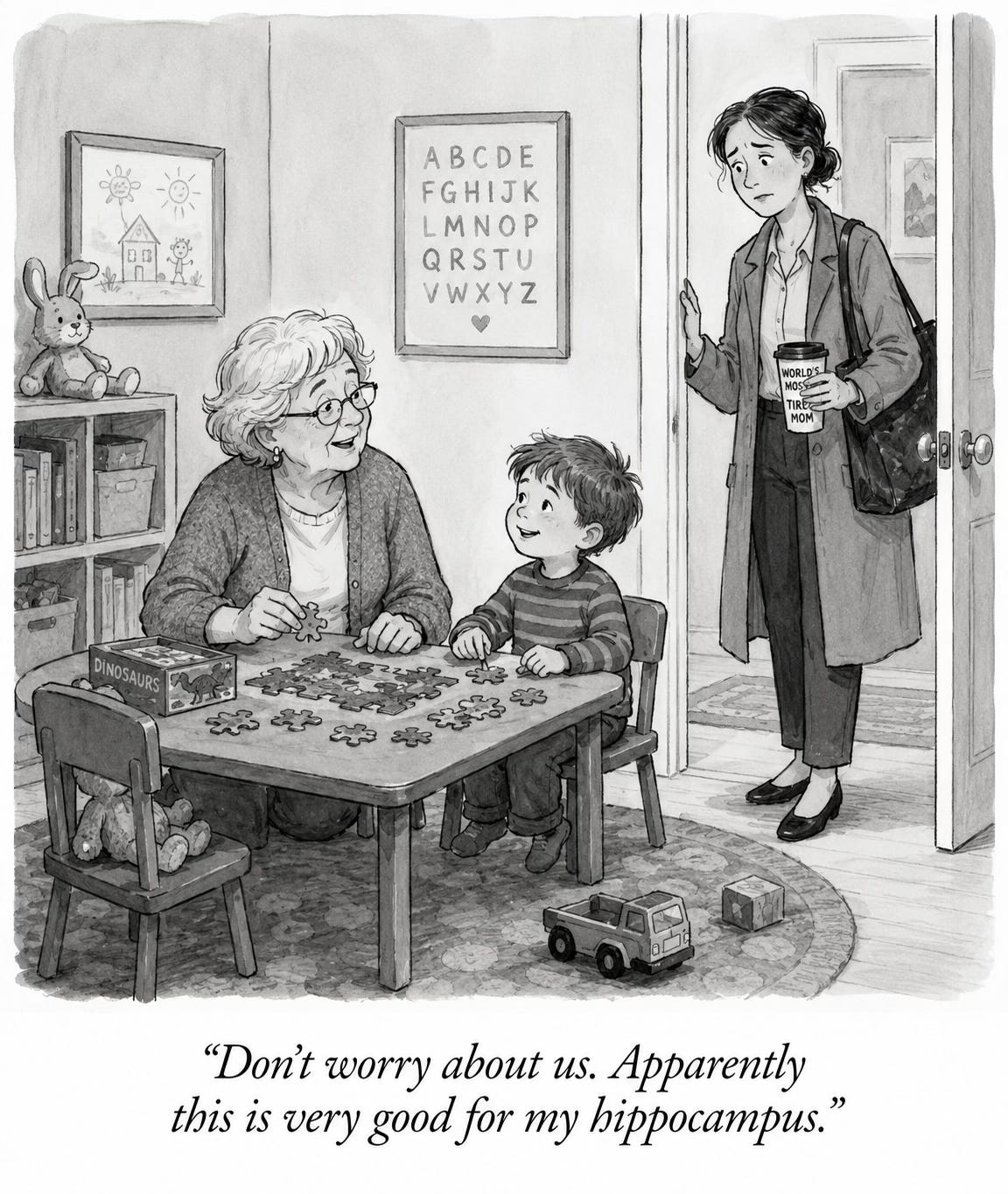
Faith, family, and what the science of aging tells us about purpose.
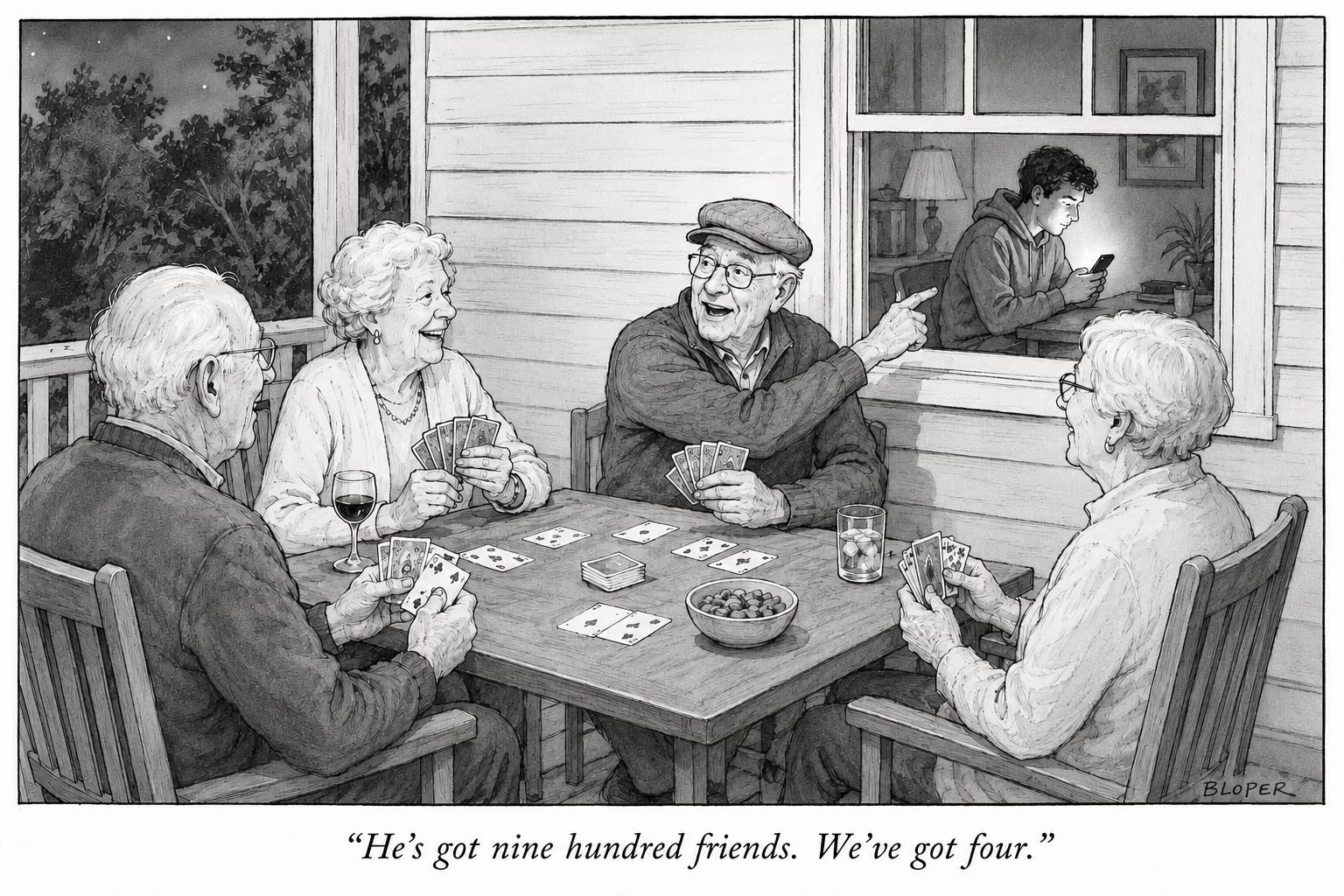
Loneliness ranks alongside smoking as a risk to health, and social connection alongside diet and exercise as a way to live longer. What forty years of research has found.
For the science of growing older, from testing Alzheimer’s drugs to nursing home design and Medicare programs, the threat is immediate. The public has until July 13 to comment.
What keeps you healthy into your eighties isn't for sale. It's exercise, diet, sleep and an active mind, and the first step matters more than the last.
How a $480bn industry is making the leap from the laboratory to the supplement aisle.
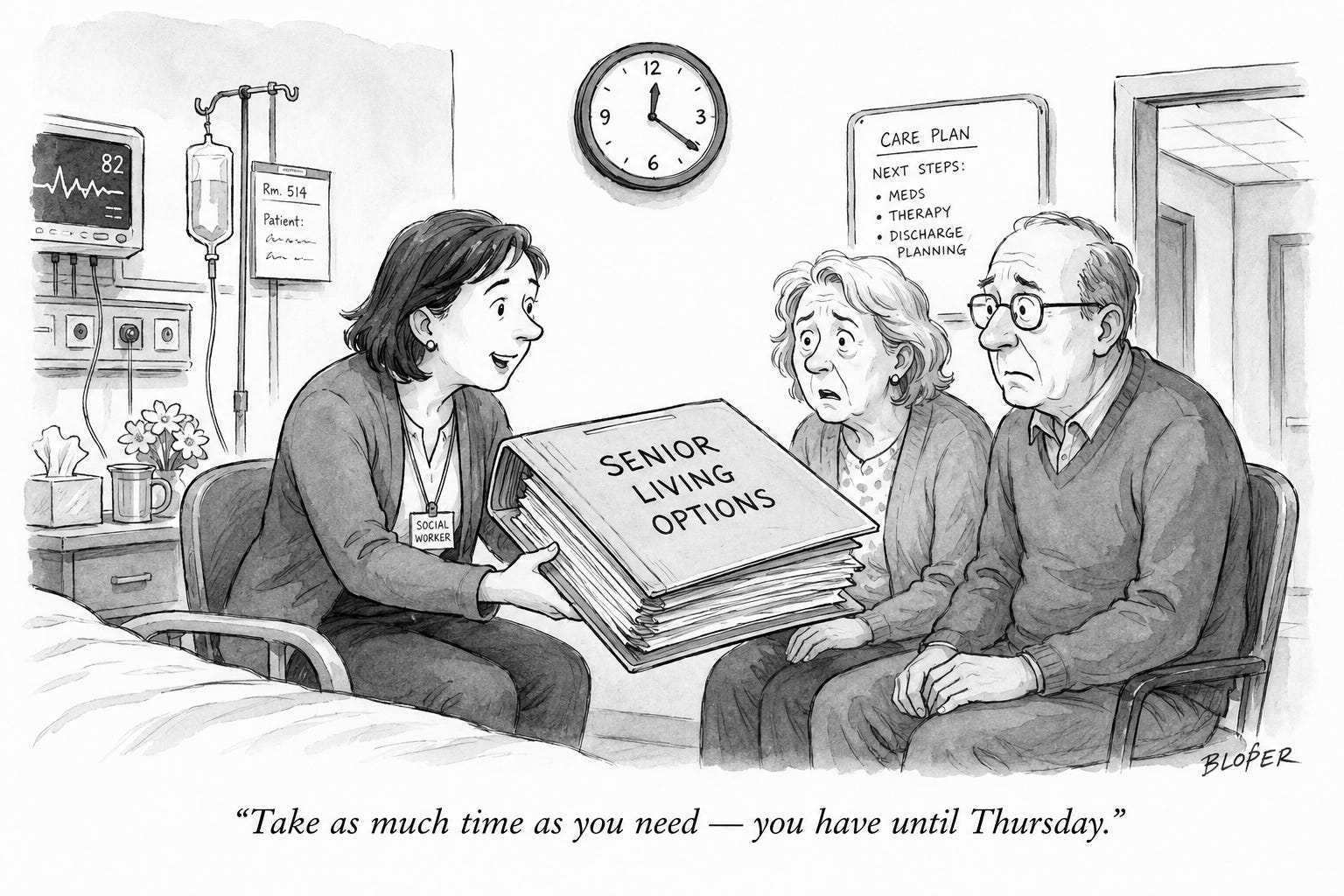
How to understand long-term care jargon, costs, and planning under pressure.
Once seen as a sacrifice, living across generations is starting to look like a strategic financial and caregiving decision.
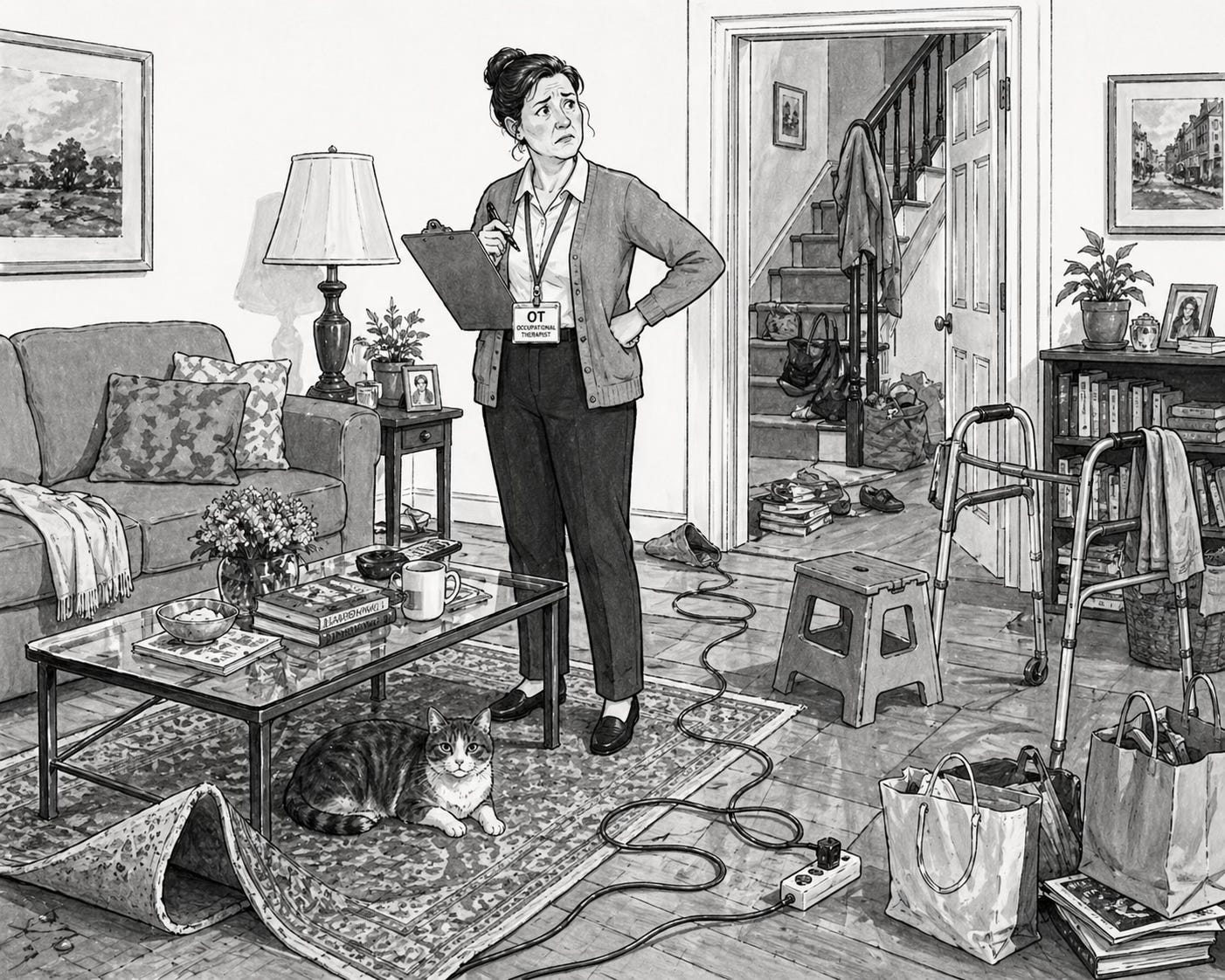
Almost everyone wants to stay in their home as they age. The evidence on how to make your home safe, and the risks if you don't prepare, is clearer than most families realize.
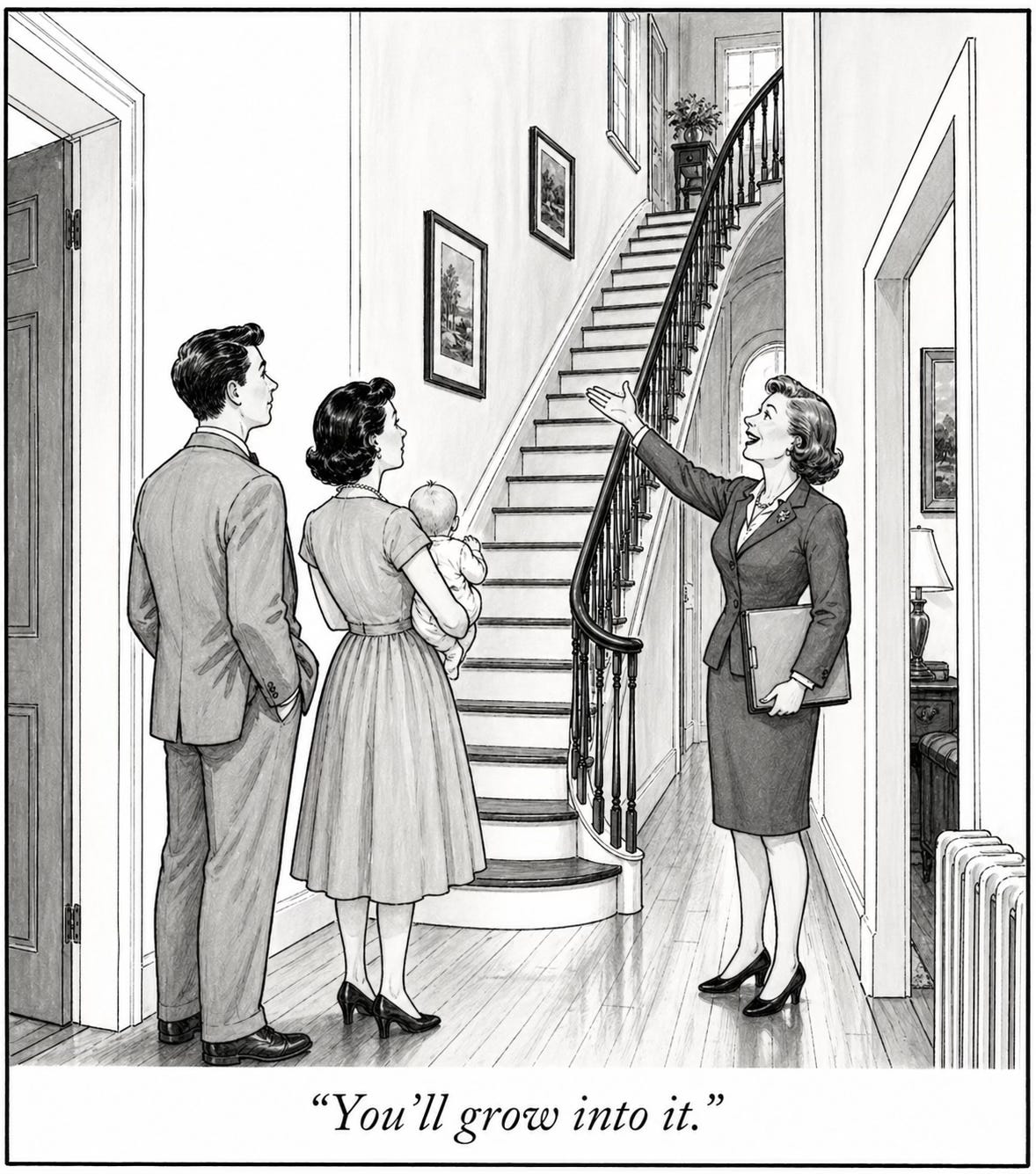
Most older Americans are living - and want to stay - in homes that were never built for old age, in communities that offer few alternatives.
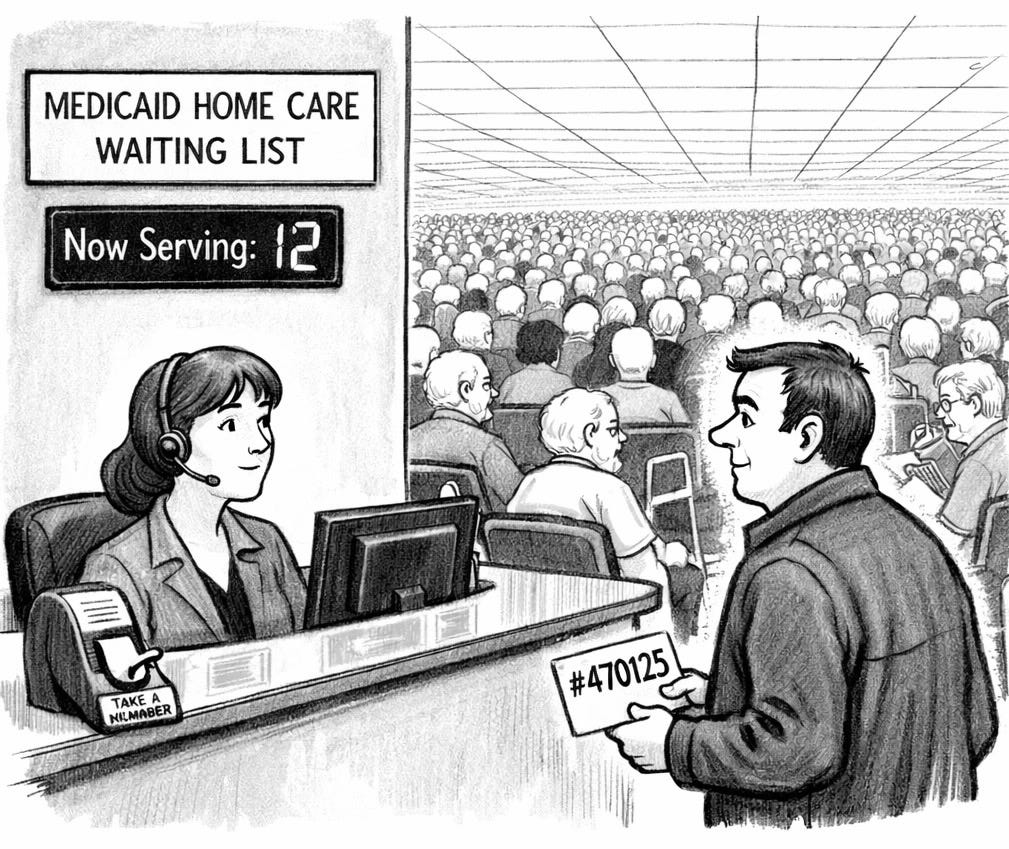
The home care industry is short-staffed and chronically underfunded. Medicaid, the government program that holds it together for millions of families, just lost nearly a trillion dollars.
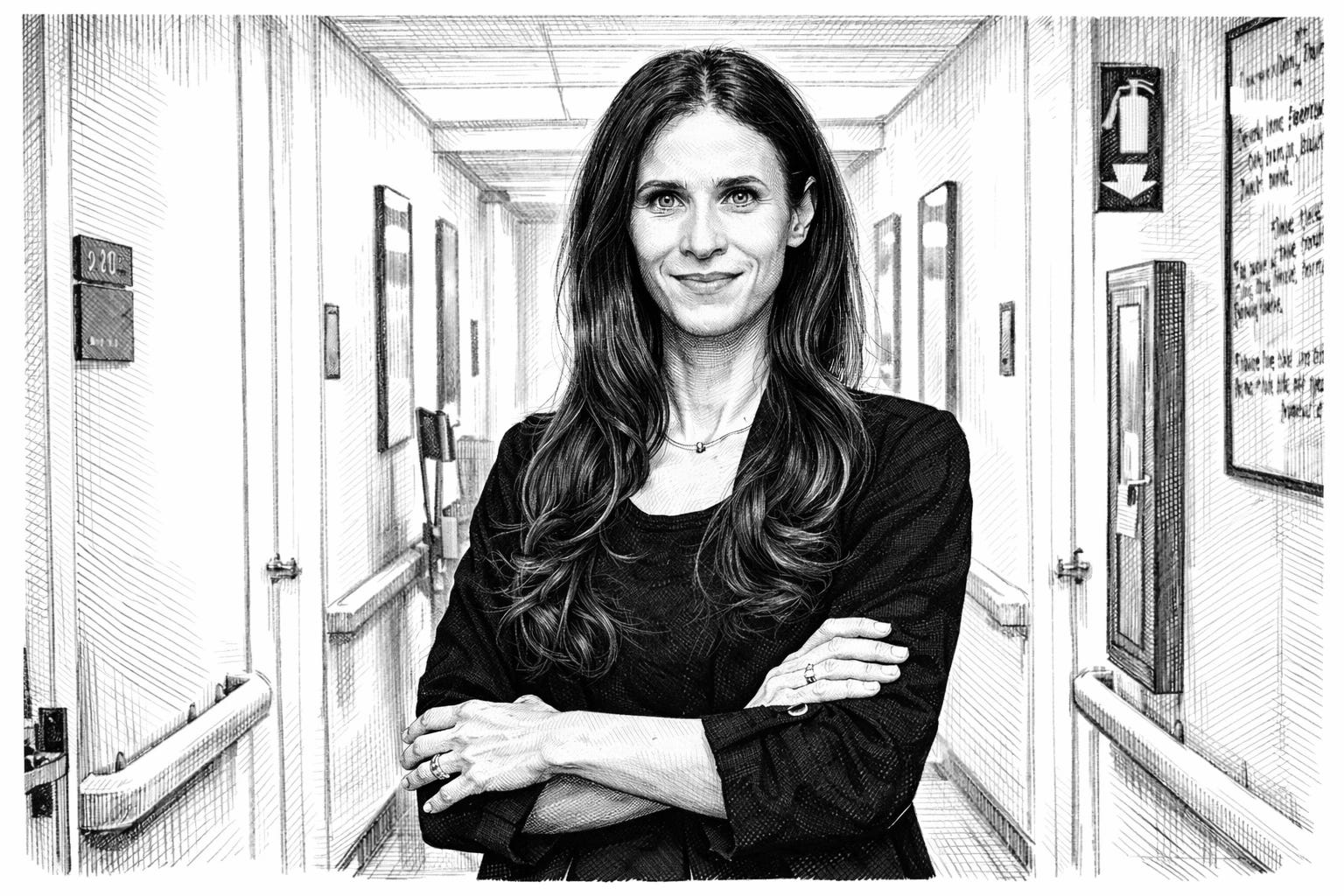
Clinical psychologist Allison Applebaum, PhD has spent 16 years advocating for family caregivers as people who need care too. Now, her vision is coming together.
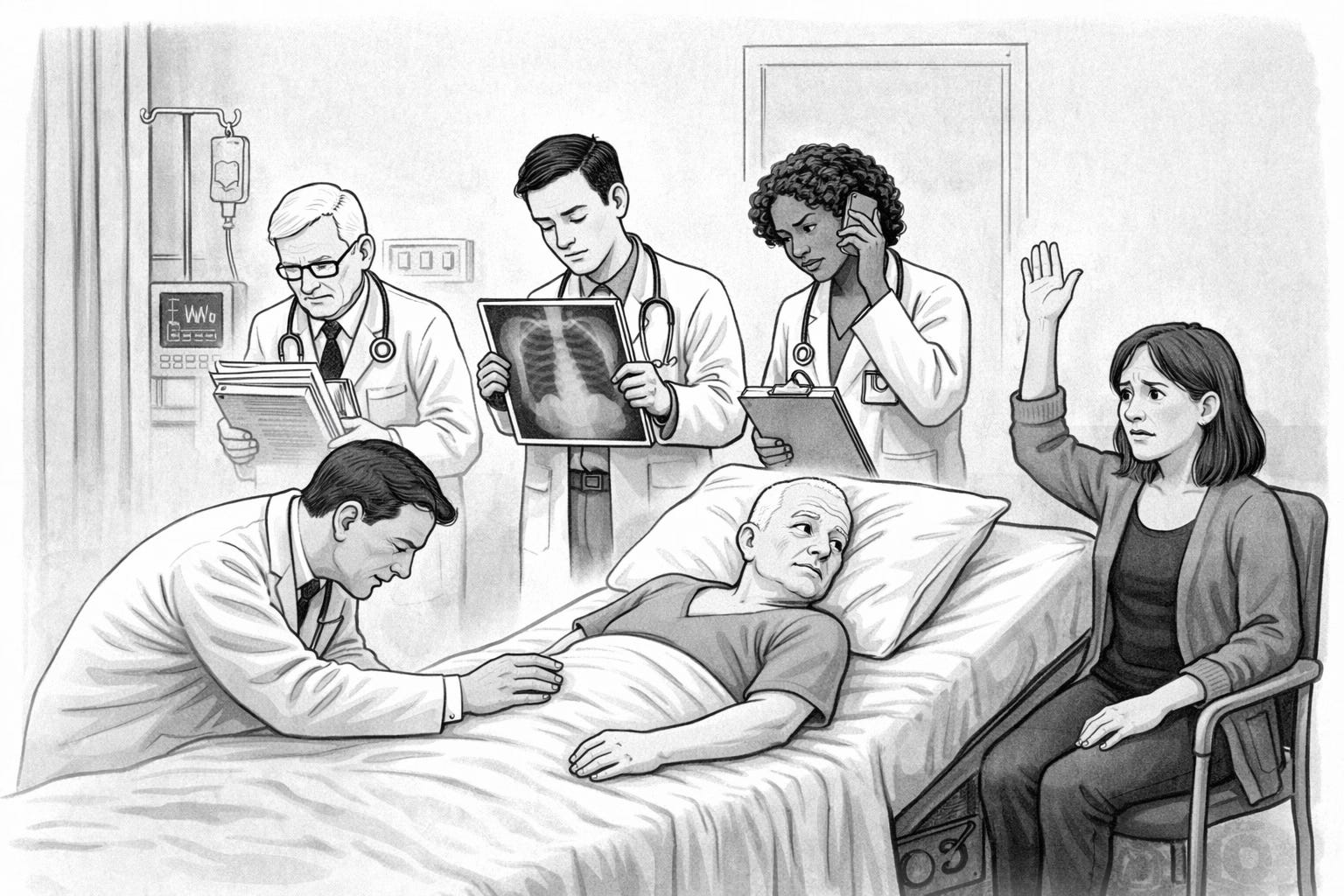
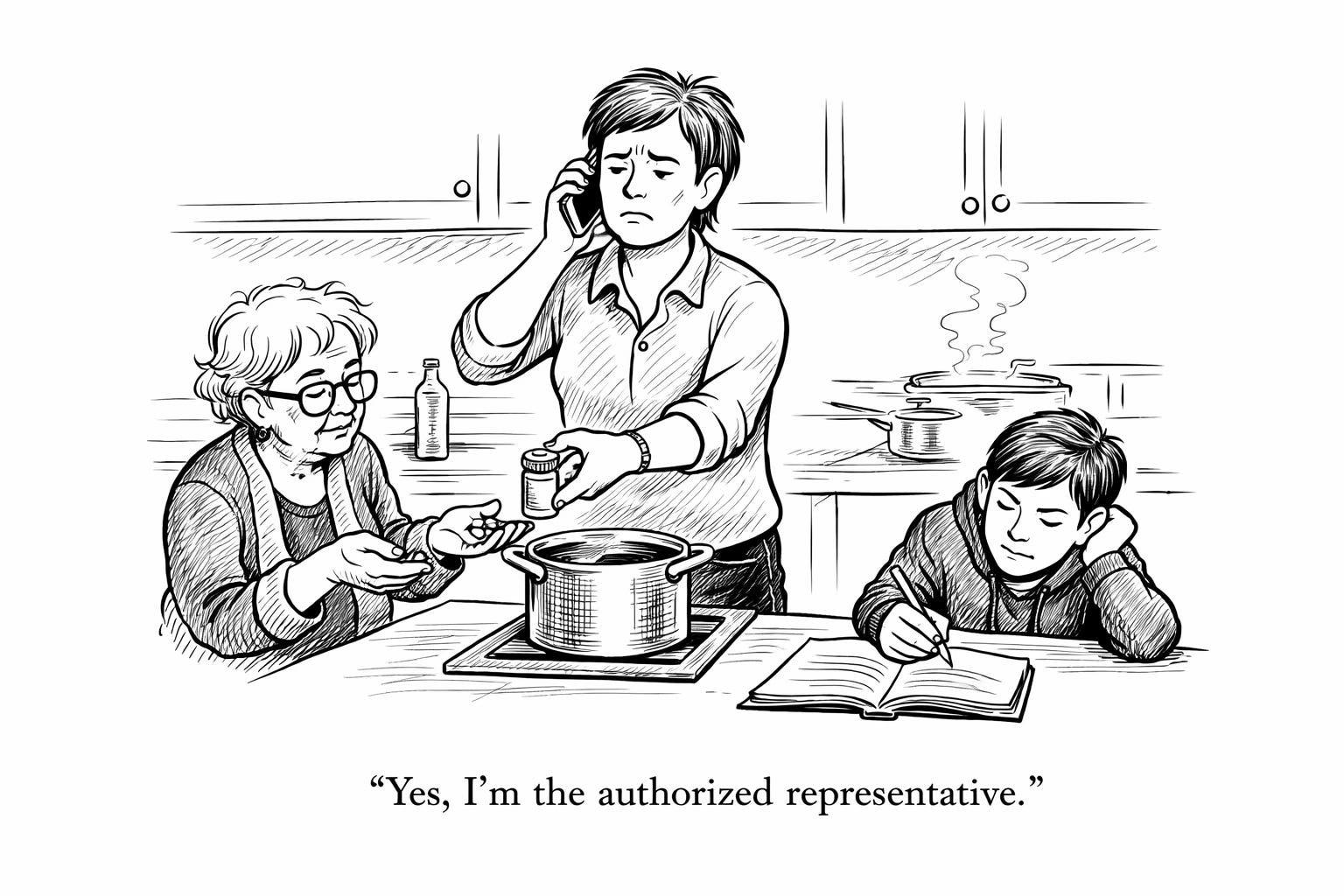
When illness strikes, one family member often becomes the patient’s representative in a complicated healthcare system. They seldom receive guidance on how to do it well.
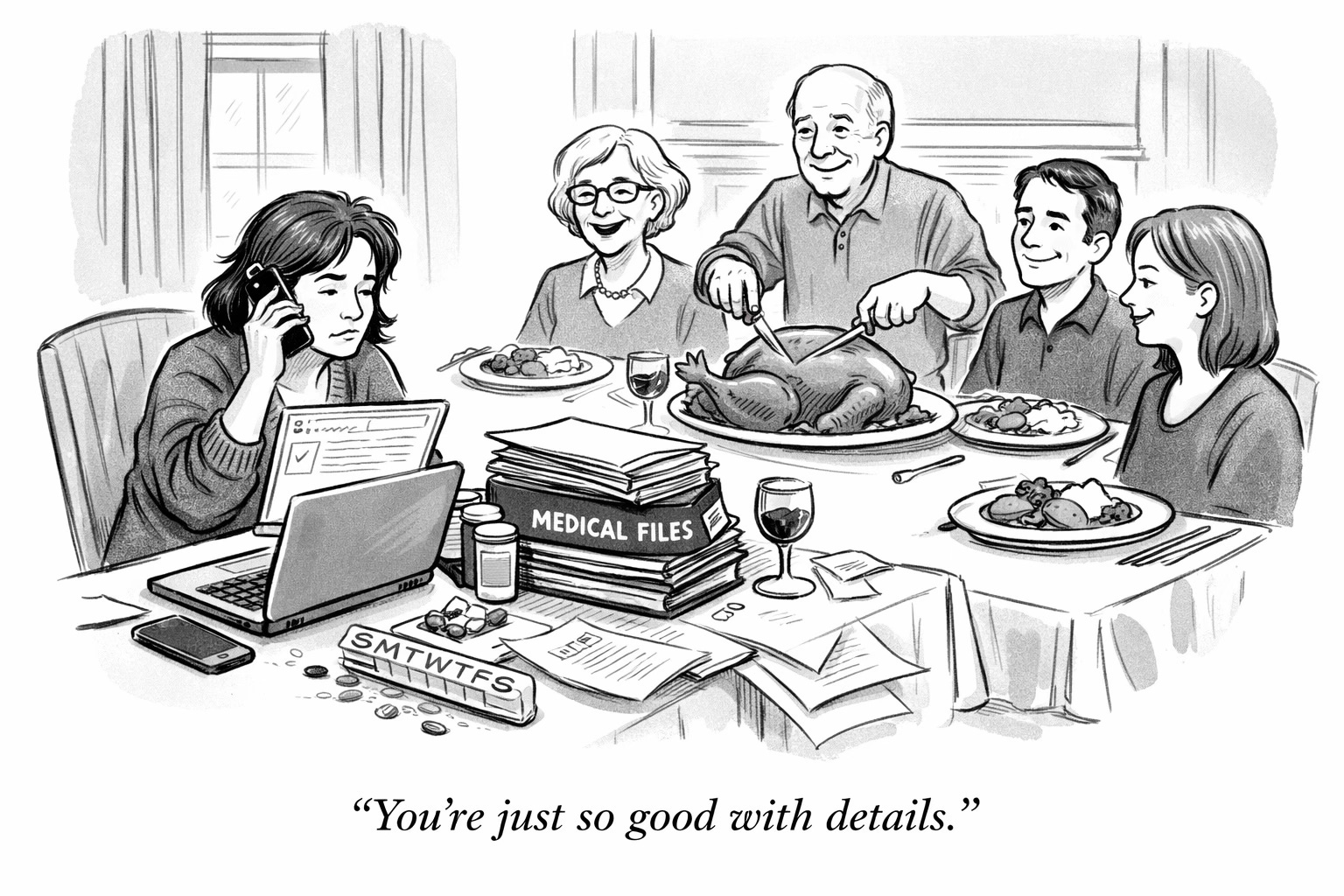
Family caregiving often operates as a one-person system. Families can avoid burnout by dividing the responsibilities more deliberately.
How America outsources elder care to families, and who pays the price.