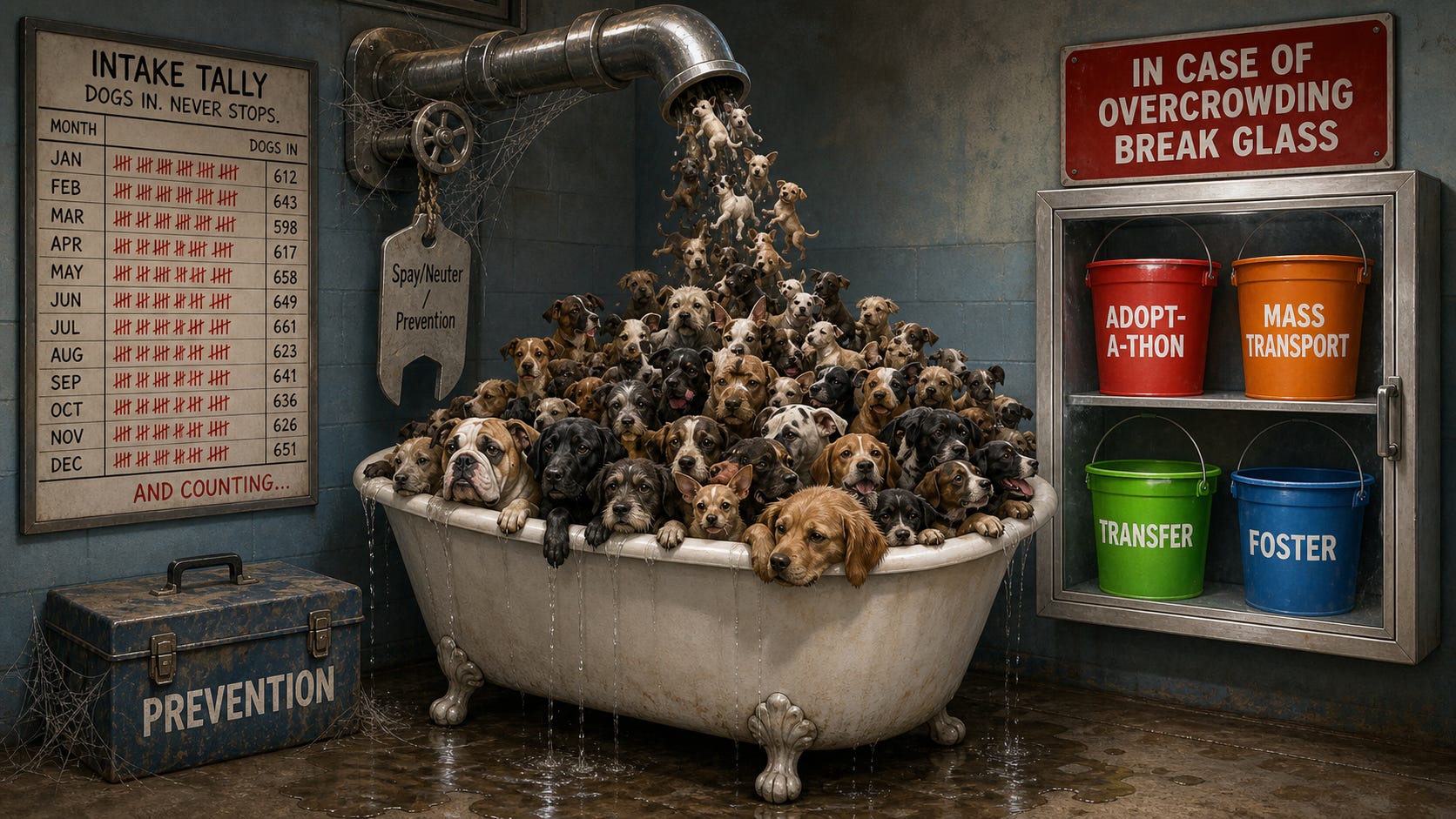
We Know How to Turn Off the Faucet. We Just Don’t.
Part 2: What readers reveal about the pressures a shelter study can’t measure

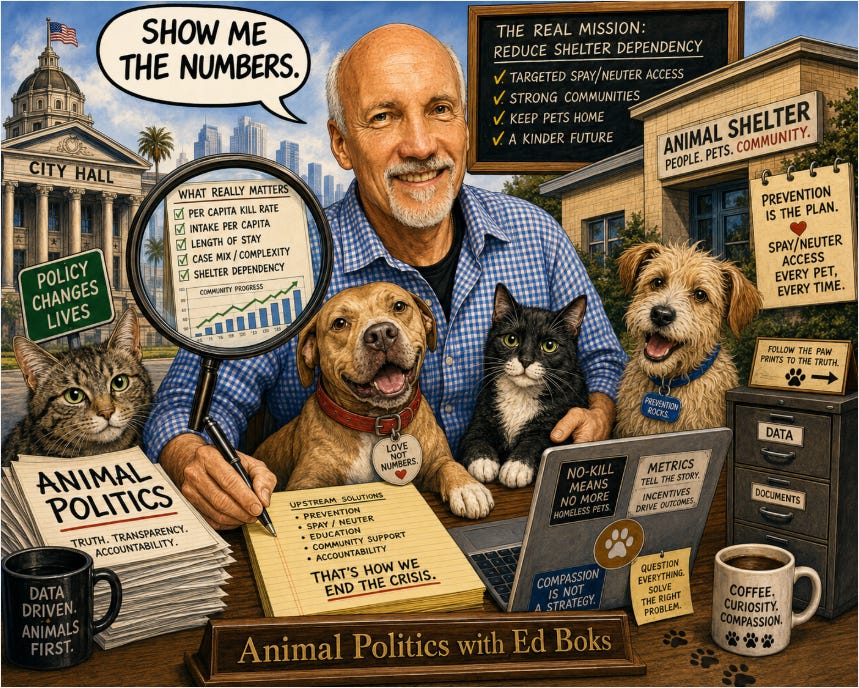
Independent investigations, policy analysis, and accountability reporting on animal welfare. Paid members get deeper analysis, early access, and exclusive member briefings that support records-based reporting.
Live Last read · last published · next check
Part 2: What readers reveal about the pressures a shelter study can’t measure
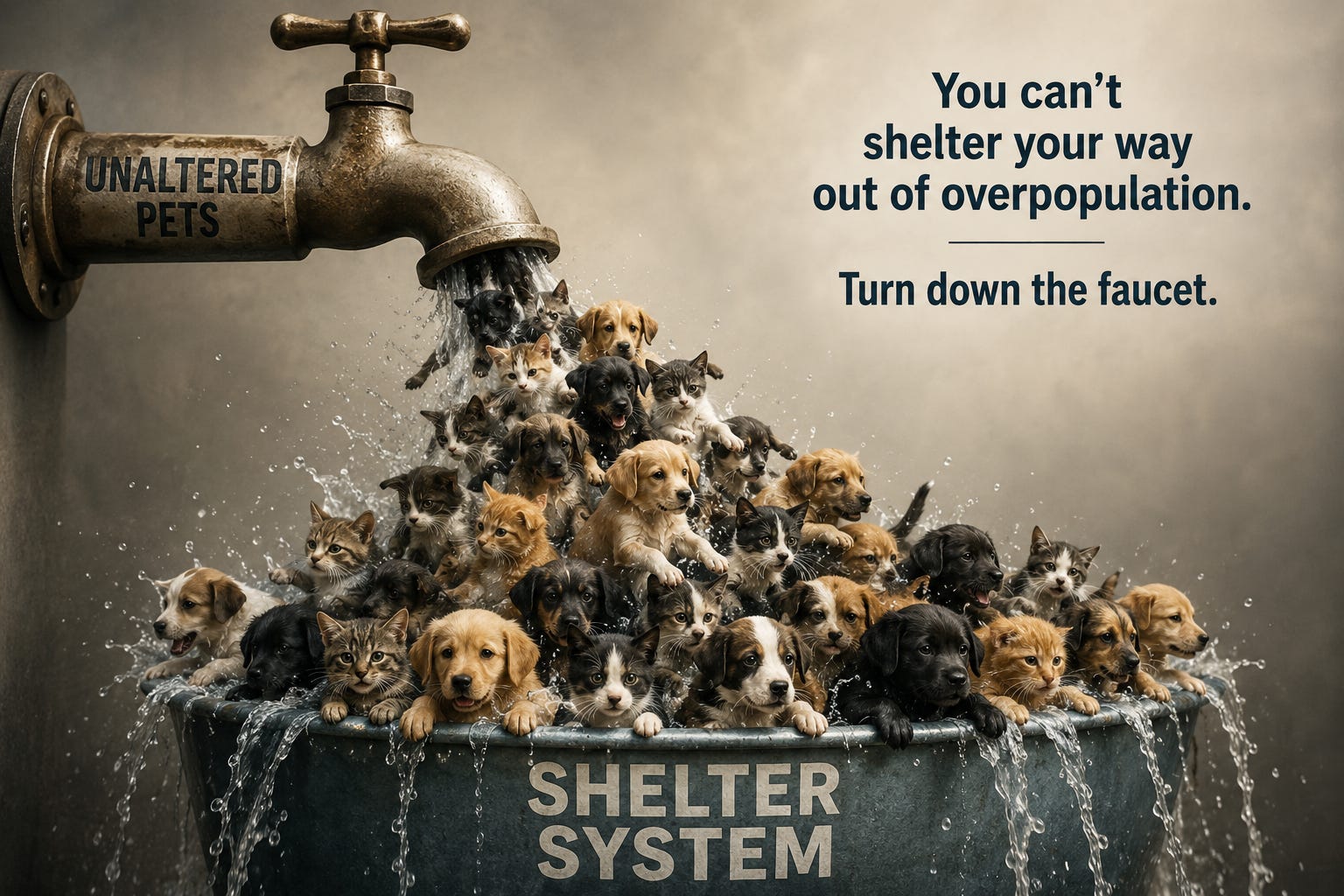
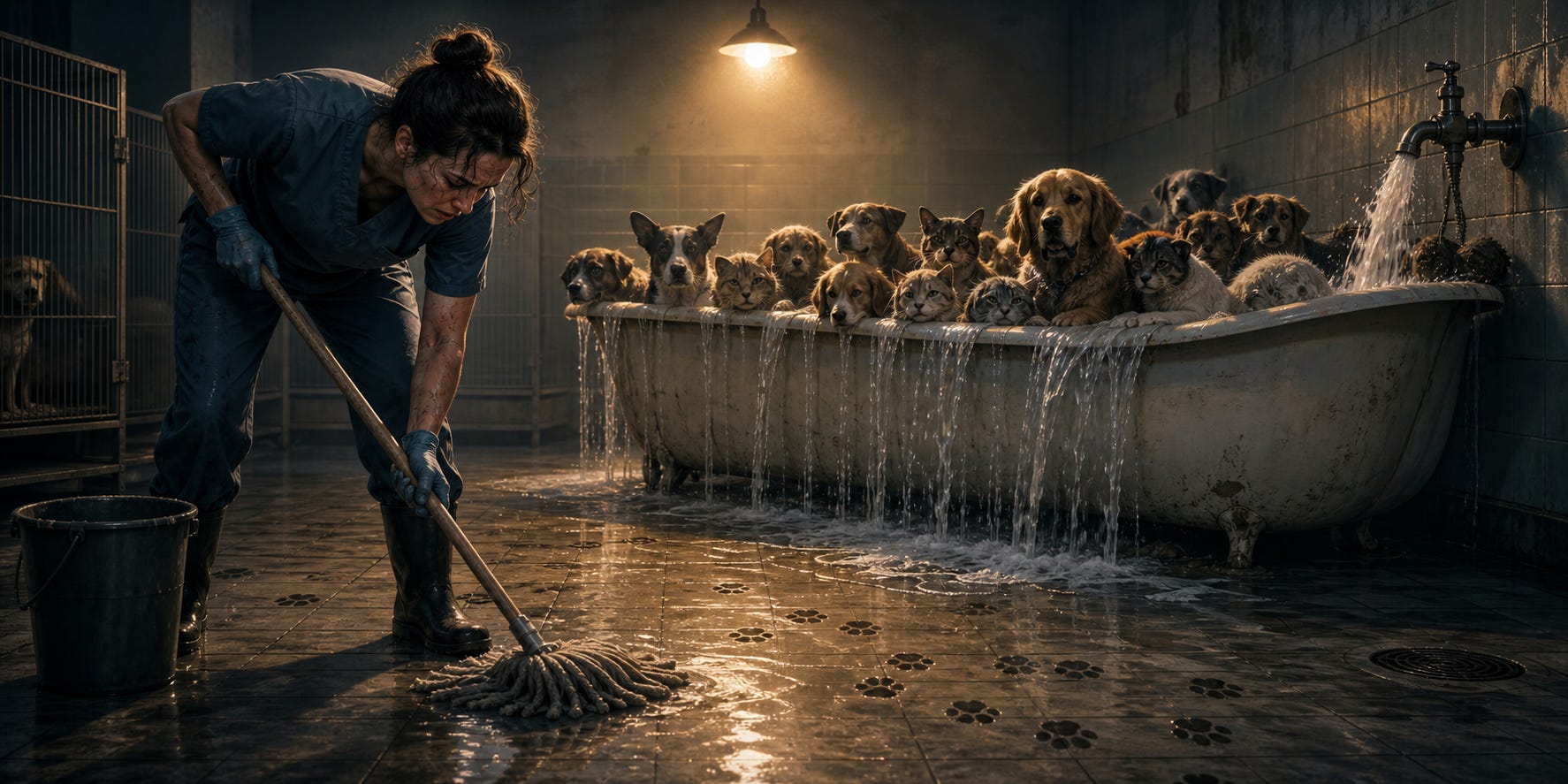
Part 1: Mavrovouniotis-Hassen study finds intake fills the tub and adoptions drain it; incentives push outcome decisions toward downstream efforts while leaving prevention at the faucet behind.
If Animal Politics has informed, challenged, or encouraged you, please consider helping sustain the independent work behind it.
Best Friends asks shelters to do more. It should first explain what it is doing to prevent animals from arriving.
Best Friends makes clear that reducing shelter dependency is not its goal.
The investigation will determine criminality. The records will determine accountability.
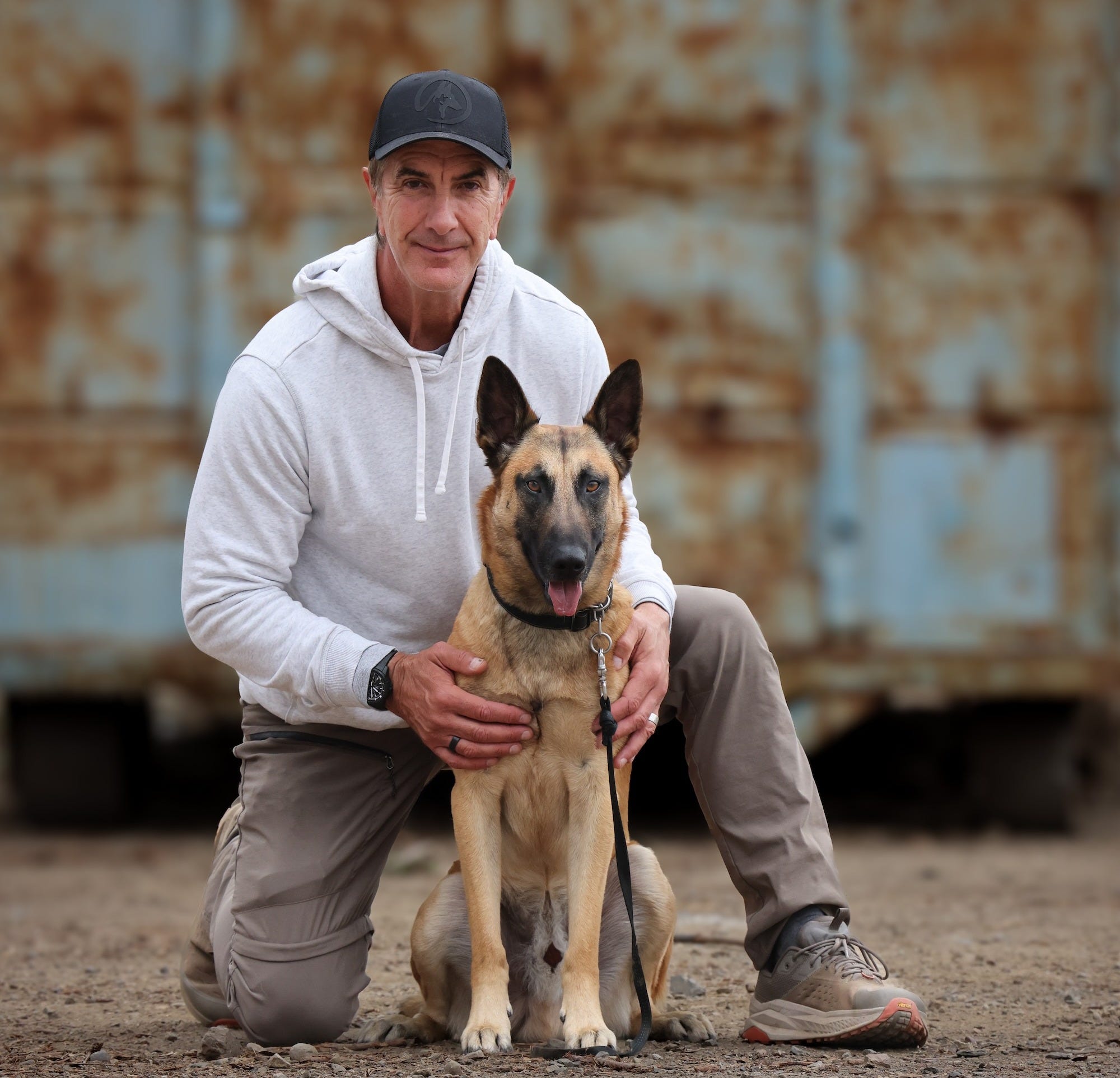
Robert Cabral on high-risk dogs, practical judgment, and the limits of one-size-fits-all methods
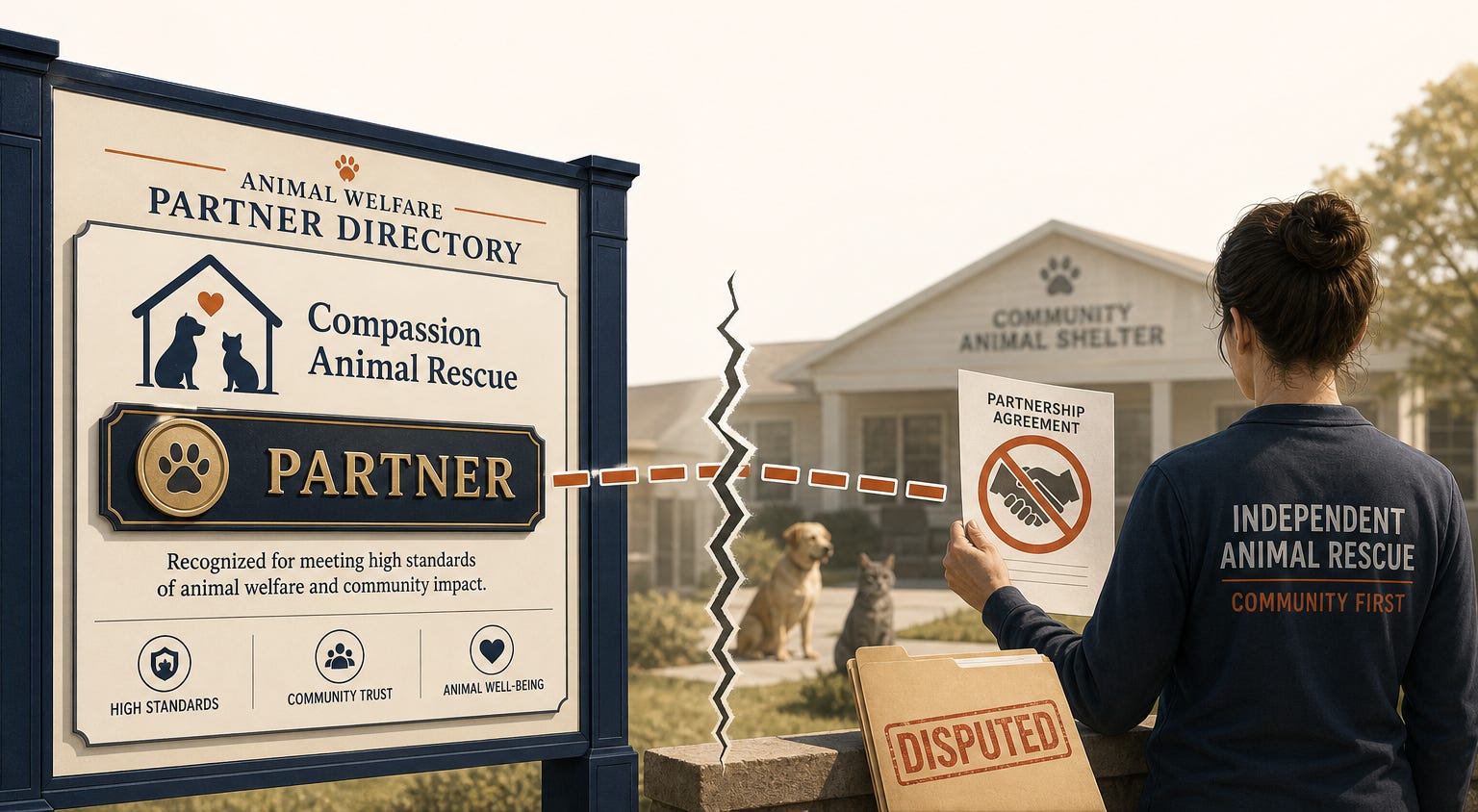
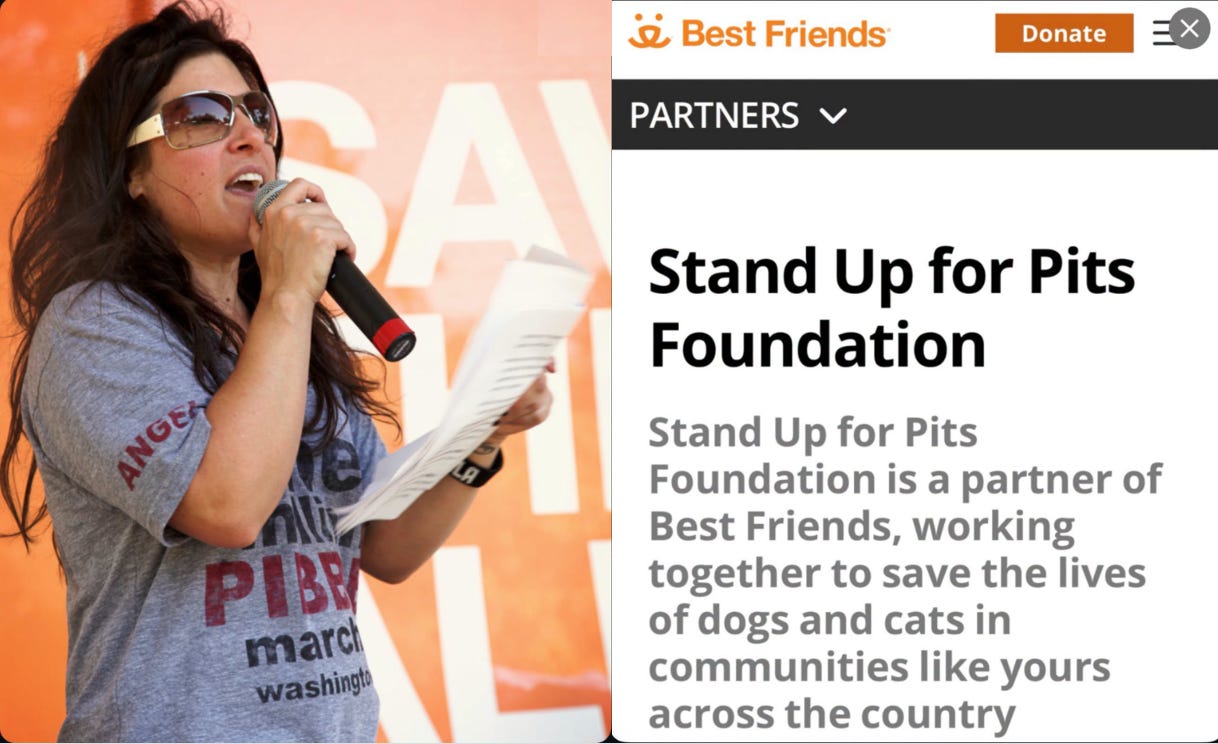
How does an organization come to be publicly identified as a BFAS partner, and what happens if that organization disputes the designation?
Rebecca Corry challenges BFAS over Los Angeles' "No Kill" claims and whether partners can question the narrative.
How chasing a 90% live release rate led Best Friends off course
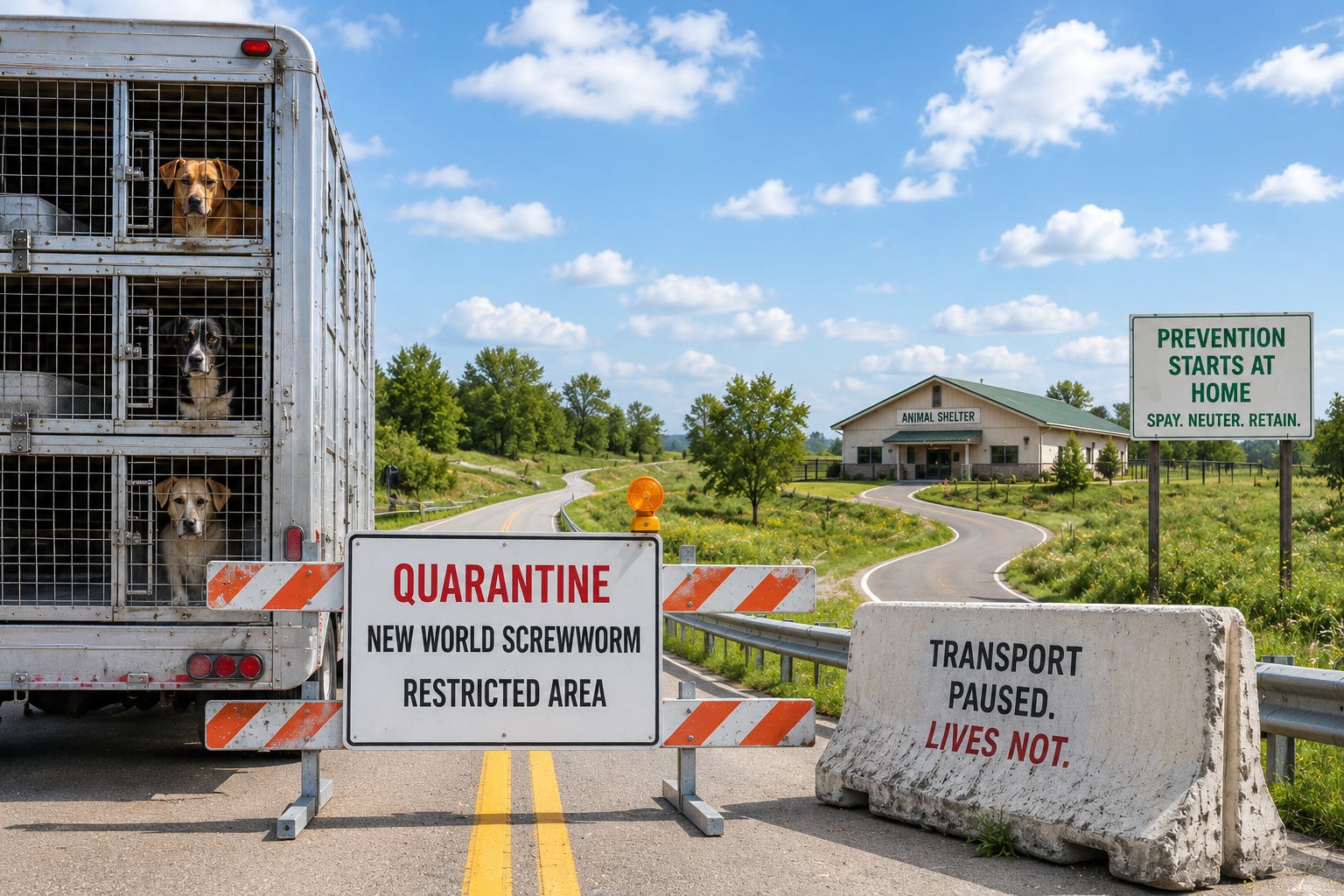
How New World Screwworm Reveals an Animal Welfare System Built on Downstream Incentives
What modern canine behavior research reveals about positive reinforcement, dominance theory, and relationship-based training.
Federal agencies have finalized a rule that will remove the decades-old definition that treated certain habitat destruction as “harm” to endangered wildlife.
Why save rates alone cannot define the success of the no-kill movement
What Research Reveals About Dog Joy, Belonging, and Friendship – AMA #55
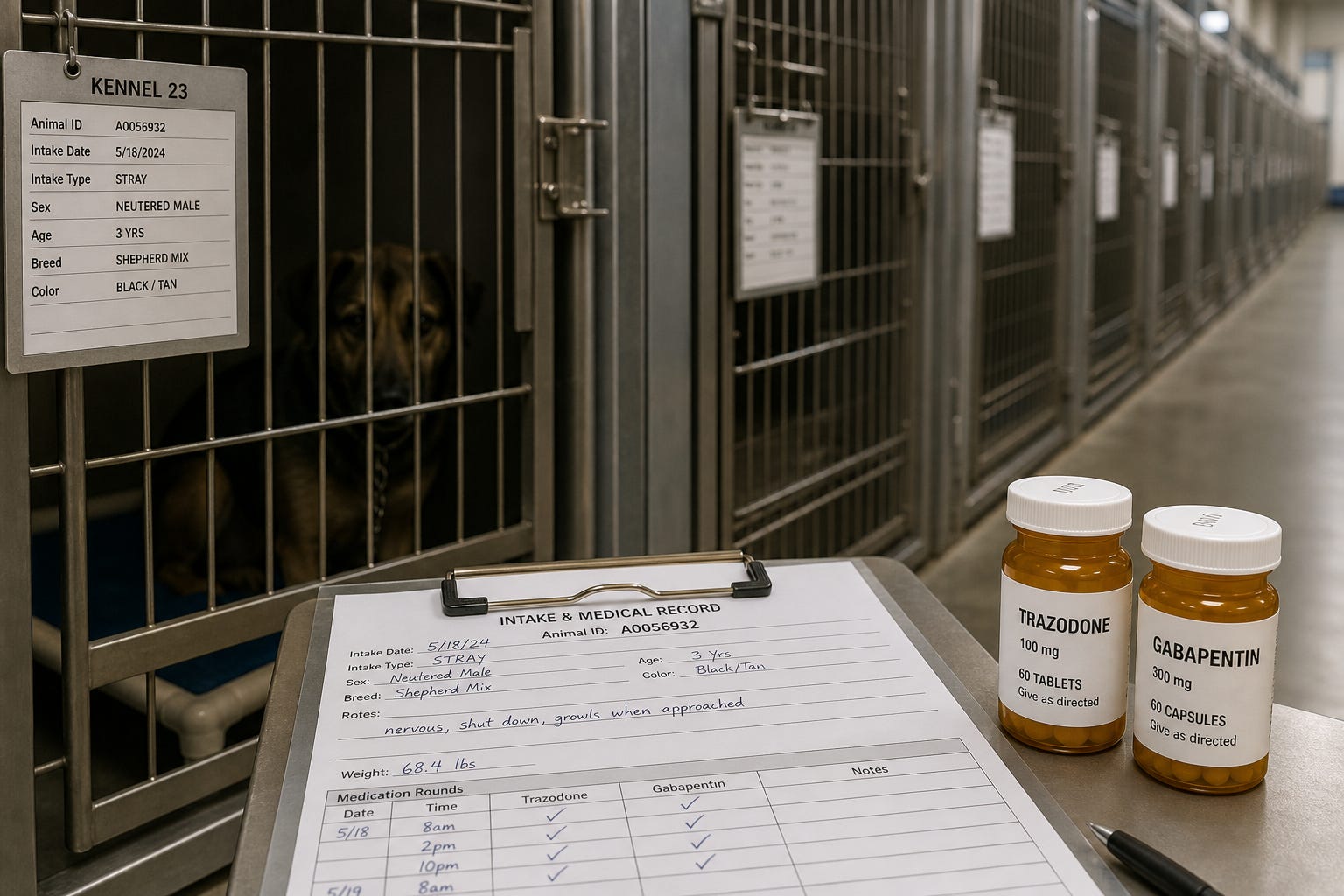
The unanswered questions surrounding “transitional medication” in America’s animal shelters.
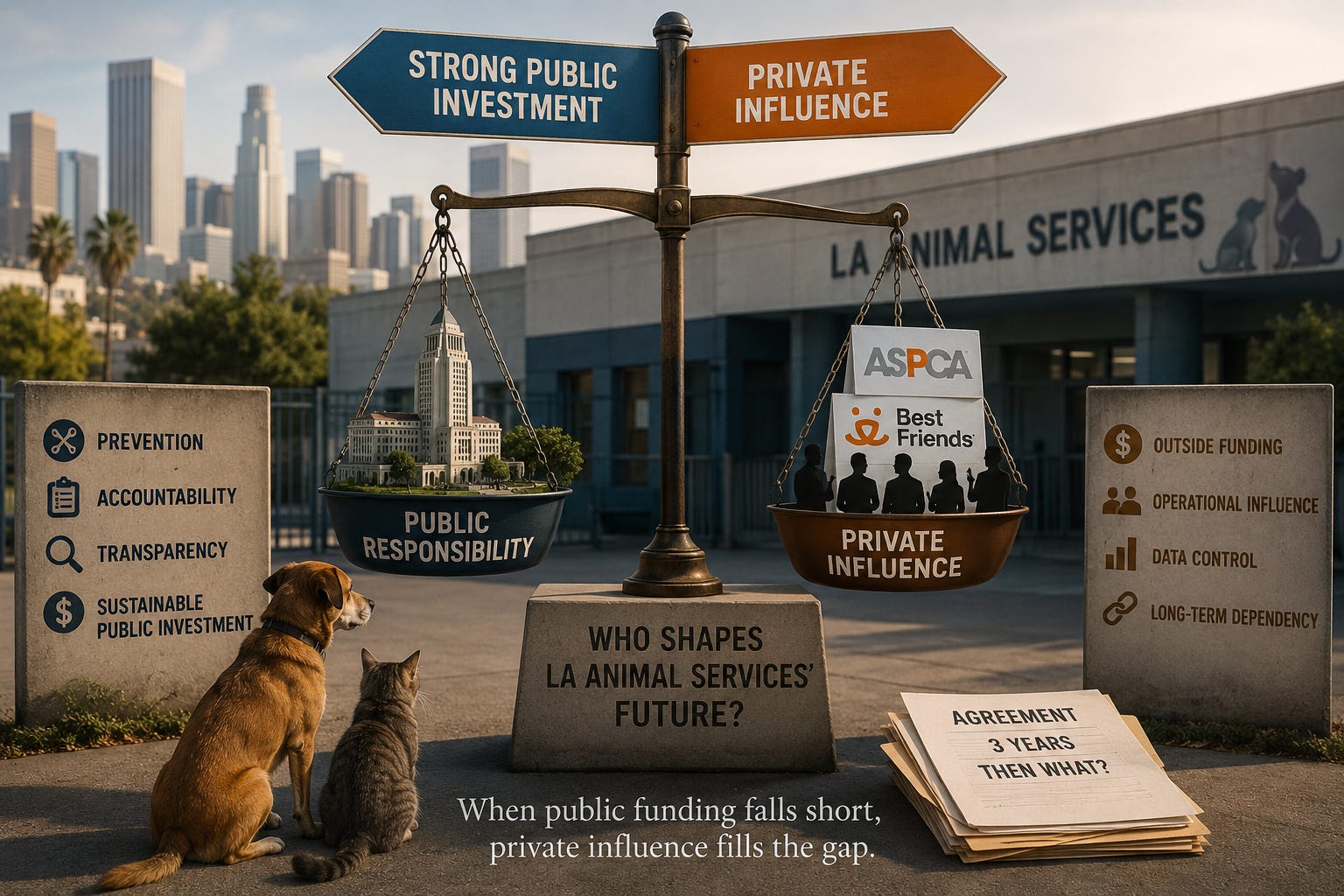
Los Angeles celebrated a $14 million grant for LA Animal Services. The agreement raises larger questions about what happens when philanthropy begins replacing public investment.
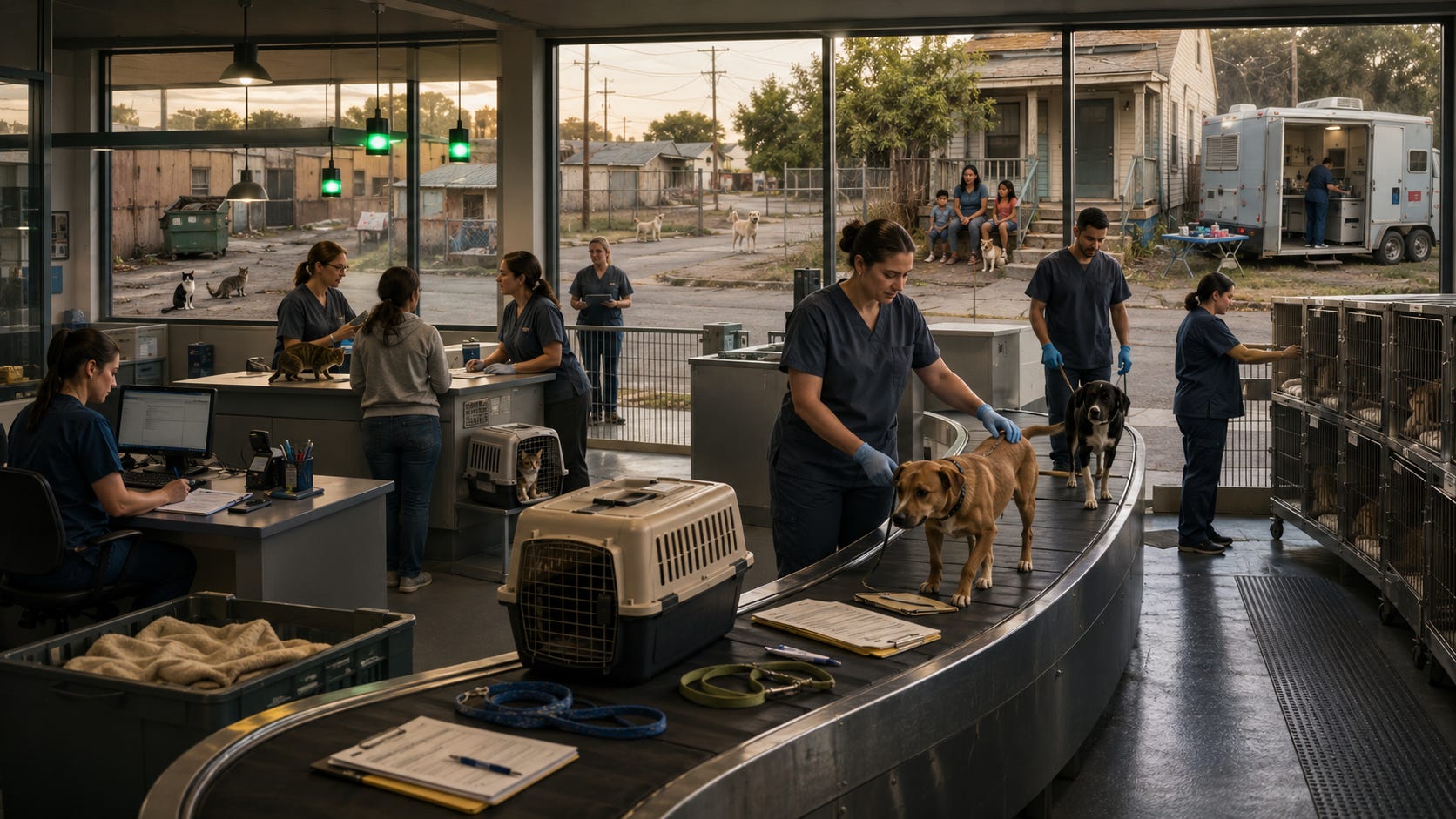
The Difference Between Shelter Capacity and Pet Overpopulation
The monarch butterfly reminds us that lasting compassion restores the conditions that allow life to flourish.
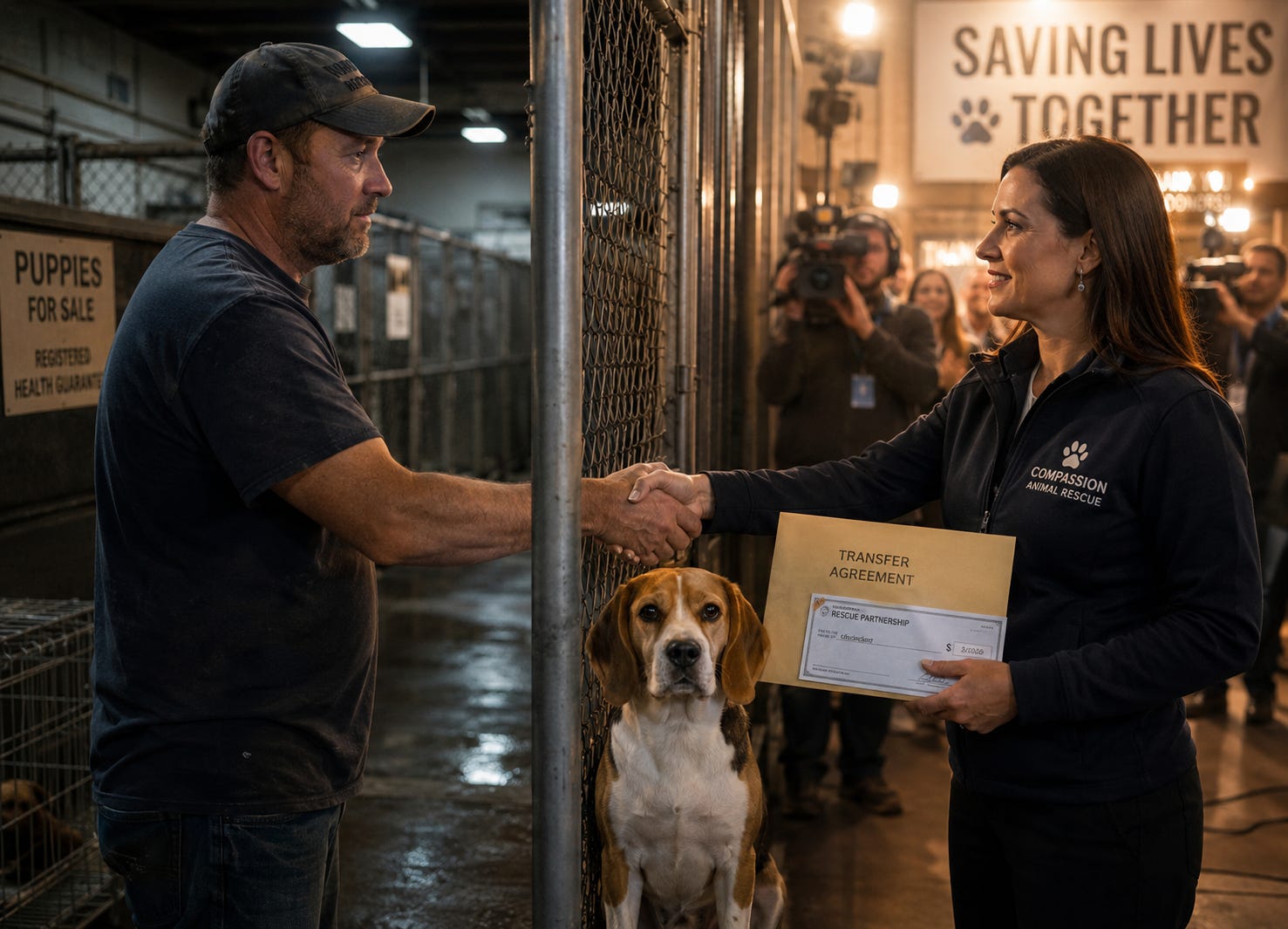
What Ridglan Farms Reveals About Rescue, Commerce, and the Price of Being the Hero