The car war that is changing the world economy
What a Chinese state-owned carmaker's arrival in Galicia reveals about Spain's place in the value chain — and about Europe's sudden conversion to neo-mercantilism.

Economist trained in International Economics and Development, specialising in biophysical economics. Served as Minister of Consumer Affairs in the Spanish Government. Currently undertaking doctoral research at the ICTA-UAB.
Live Last read · last published · next check
What a Chinese state-owned carmaker's arrival in Galicia reveals about Spain's place in the value chain — and about Europe's sudden conversion to neo-mercantilism.
Two radical ideas have entered mainstream politics in a matter of months. Both are necessary. Neither is enough.
Spain's housing crisis and why bringing prices down is politically almost impossible and how it all traces back to historical neoliberal policies
Not bureaucracy, not the welfare state: what is unravelling in Germany is its place in the international division of labour.
When AI becomes a weapon of economic war, dependence is no longer an option
Why the hunger for belonging and certainty isn't irrational—and why the left ignores it at its peril
What if a richer, fairer world didn't require more growth—but less? Piketty's team has just put numbers to that idea
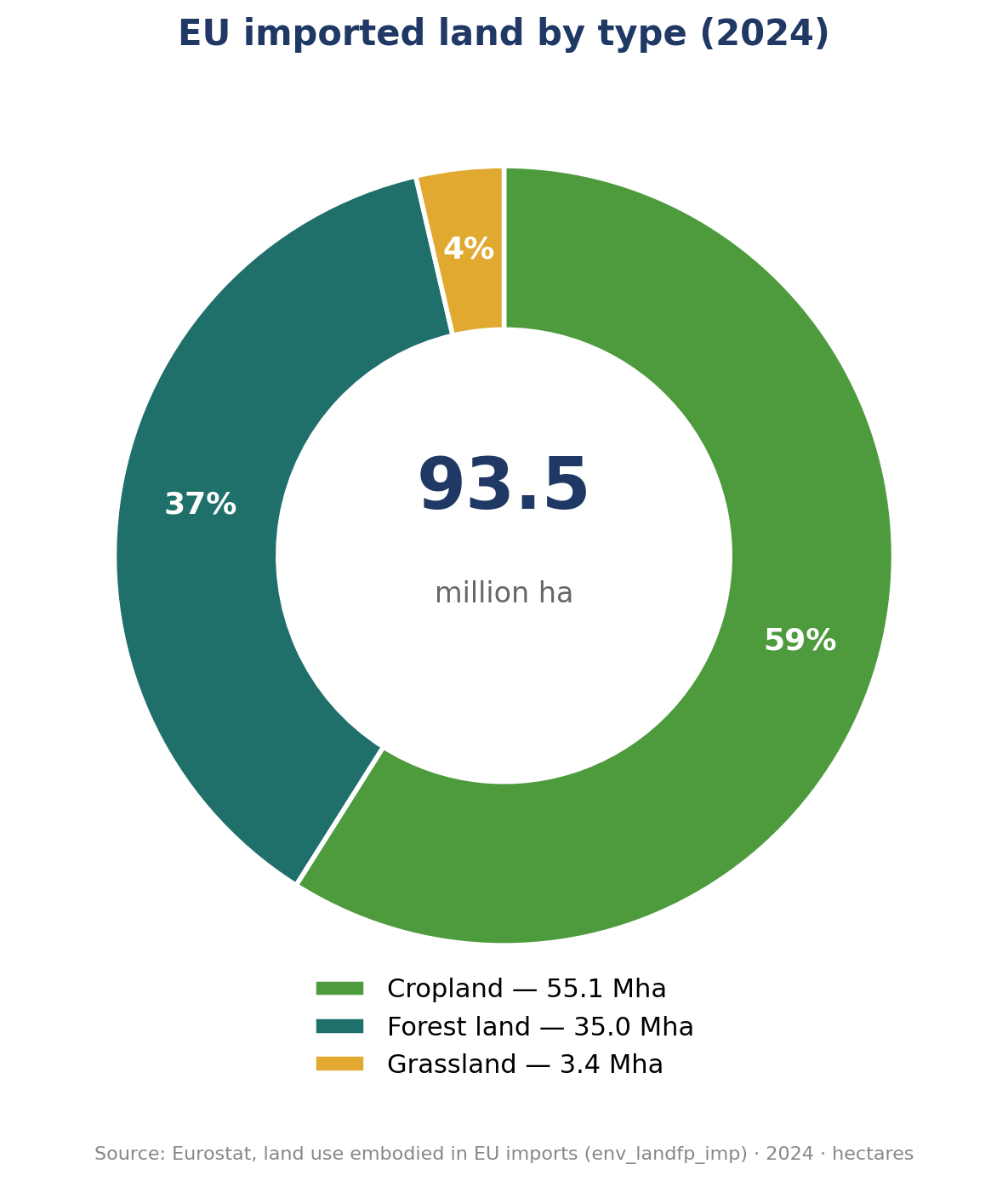
We export expensive food and import cheap land. The accounts in euros lie.
AI could free us from tedious work. Under capitalism, it does the opposite.
Why the war in Iran, the scramble for critical minerals, and the return of neo-mercantilism cannot be understood without ecological economics.
Neoliberalism removed the economy from democratic judgement. What is coming seeks to remove the citizen
Two months of war have made one question unavoidable: who can best absorb the economic costs — and the Gulf's trade flows already point to the answer.
The war in Iran is not just about oil — it's a blow to the petrochemical backbone of global capitalism
On photographing a planet while destroying it
Why the language of “abuse” obscures a system built on extraction, slavery, and power
Degrowth is not a choice—it is the only way to avoid a brutal adjustment
Historical fossil dependence, geopolitical vulnerability—and the political failure behind Europe’s energy model
From natural gas to fertilisers, the global food system depends on fossil energy—so geopolitical shocks in the Gulf inevitably travel to our supermarket shelves.
The debate about working hours misses the real issue: productivity and economic structure
The problem is a capitalist system that subordinates both humans and machines to the relentless pursuit of profit.
How the myth of intergenerational conflict obscures the structural power of capital