Foraging? Focus on Safety!
Featuring Five Articles from the Archive, Plus Commentary on Surviving Societal Collapse.

Author, blogger, science & garden writer, wild food enthusiast; and retired naturalist, master gardener, and educator.
Live Last read · last published · next check
Featuring Five Articles from the Archive, Plus Commentary on Surviving Societal Collapse.
It's Cheaper if You Garden. Plus, your first garden can be a fall garden. :)
You'll learn why and how to thrive without it, from the resources collected & shared in the article.
For Our Health & For the Health of Our Gardens!
Graywater is most useful in low rainfall areas, hot or not. (Part 4, 'Gardening in Hot Summer Climate.')
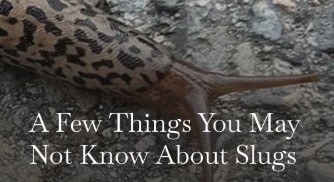
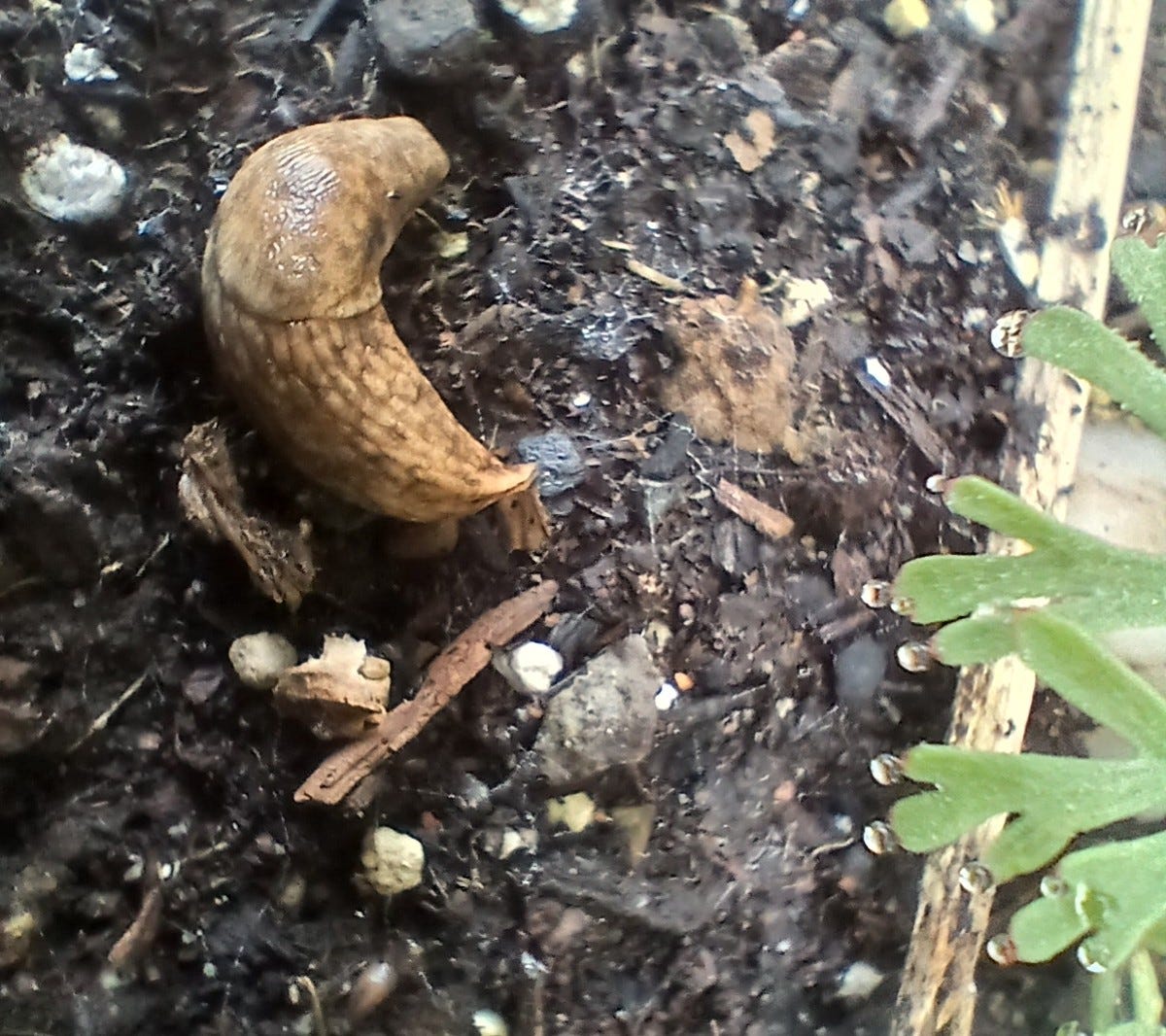
While they are the main menace of many gardens, some slugs are not all bad, and some may be worse than you think.
Today and in Ancient Times
In the news and in your garden!
Real Life in the Little Community Garden
We are only experts in our own gardens, and if we aren't there yet, we can get there by careful observations, experimenting, allowing volunteers, and saving seeds.
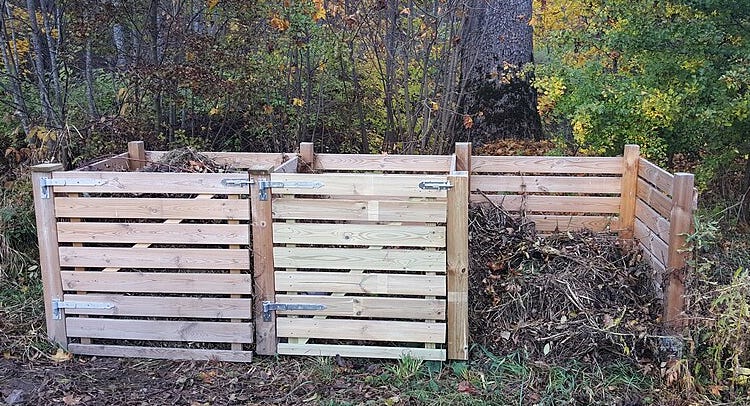
Nature's soil is living soil. Our garden soil can be full of beneficial life as well.
1. Identify the culprit - then make a plan, 2. Managing small rodents, 3. Starting indoors, 4, Crop rotation or not, 5. Flea beetle strategies.
The Strawbale Experiment Part 1.
This is part three of Gardening in Hot Summer Climates, but it is useful information for anyone with rationed or expensive water.
Dirty Dozen, Glyphosate Toxicity, & Political Support for Toxic Chemicals
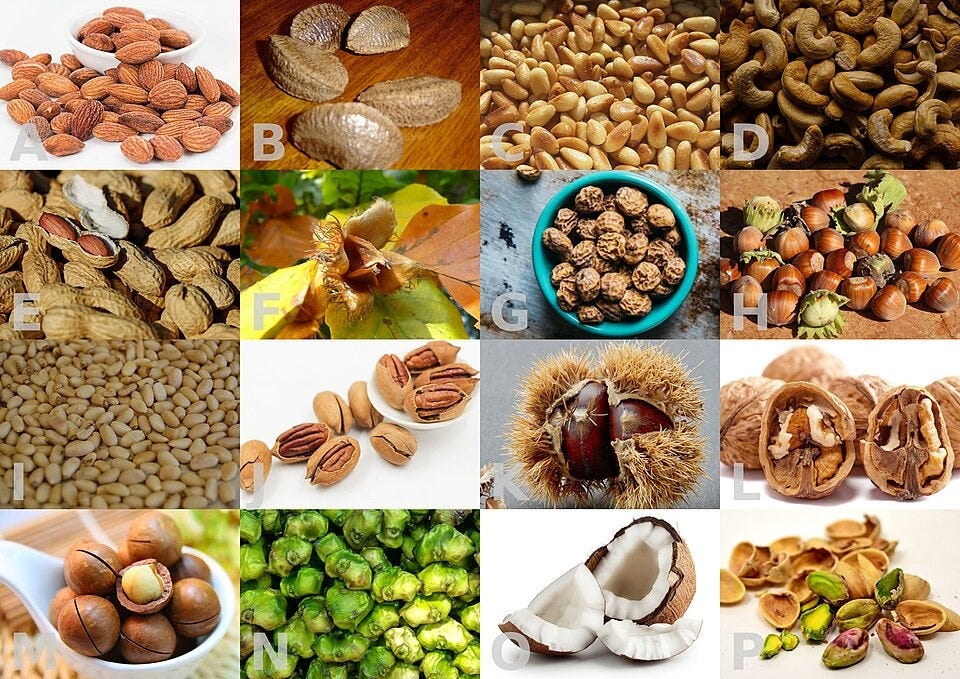
Beans, Peas, & Nuts: Way Better for Your Health than Processed Meat
Finding the best method for you and your garden might take a little experimenting.
Organically, of course!
Pause before digging, building, irrigating, and removing vegetation. This is Part Two of Gardening in Hot Climates, but it applies to gardening on or near slopes everywhere.
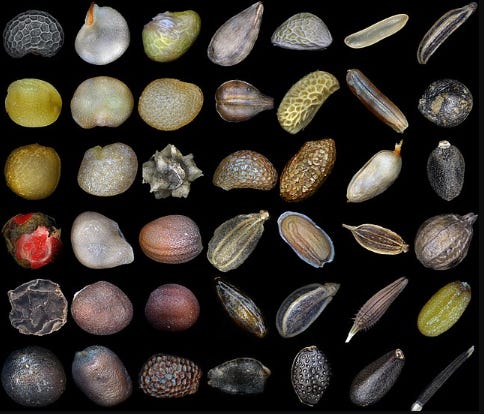
Along with Part 1, This is Your Complete Spring Seed School!