
The original name for this Substack, when I first started it back in March ‘25, was ‘Wild Food is Everywhere.’ My very favorite childhood memories are of foraging for food and medicine with my Gram.
Meanwhile, part of what instigated the newsletter, was that the world was getting kind of scary, and thoughts about the collapse of the systems many people depend on were very much in the air. I have been a bit of an armchair student all my long life, in addition to more formal studies. The history of the collapse of complex societies has been a subject I have returned to over and over again.
Gram primed me towards those studies. While she wasn’t a student of the same kinds of history that I have been following, but she very much believed that it was a good idea to know how to live off the land. And she very much believed, that at some point, that knowing would be necessary.
I have learned, through watching documentaries; reading news stories, research papers, and books on recent archeological findings; and most recently from podcasts; that when complex societies collapse, no matter where they are on our planet, that the people who can walk away and live off the land, are the ones that survive. That idea is not always spelled out, but the genetics and material culture can be traced as they move away from areas of collapse.
Foraging is an essential skill for surviving collapse. There is no way that we can horde enough food to survive for long. And if things suddenly turn so dire and violent that one has to walk away, you can’t carry that horde away with you. Learning to forage allows a person, a family, or even a small mobile community, to be very adaptable. But it is a lot harder to learn to forage than it is to learn to garden.
With gardening, you can start by purchasing seeds of edible plants, that are considered GRAS—Generally Recognized As Safe. You don’t have to learn any botany or much plant identification. If you plant eggplants, for instance, you just need to know what eggplants, their flowers, and their fruits look like, and what parts are edible.
With wild plants, you have to learn many fine details of identification. In today’s world, AI makes up all kinds of garbage about foraging that isn’t true. And then real people pick up that information and pass it along. It is difficult to sort out if something that is being described as edible or medicinal is actually safe, or if it is misinformation. Doing that sorting is what the following articles are all about. I am sorry, it isn’t easy.
Meanwhile, I changed the name of this newsletter to ‘Gardening & Foraging for Life.’ For a short while I went back and forth between articles on gardening and foraging, but them food prices started spiraling upwards, and I have gotten more focused on gardening. It’s a faster and easier way to provide yourself and others with food. But for the long term, we shouldn’t forget about foraging.
With all of this in mind, I am sharing five articles that will help you sort out which wild plants can be safely foraged and which should be left alone. Honestly, it’s hard work. But it can be done, one plant at a time. :)
(Some of the articles below may be behind a paywall. A five-dollar subscription will give you access to all of them, and to my entire archive for one month. If you unsubscribe before the end of the month, you can avoid reoccurring charges. If you honestly can’t afford the five dollars, send me a message with your email address and I will comp you a one-week pass, no questions asked. I totally understand. I can’t afford the five dollars either.)
·
August 10, 2025
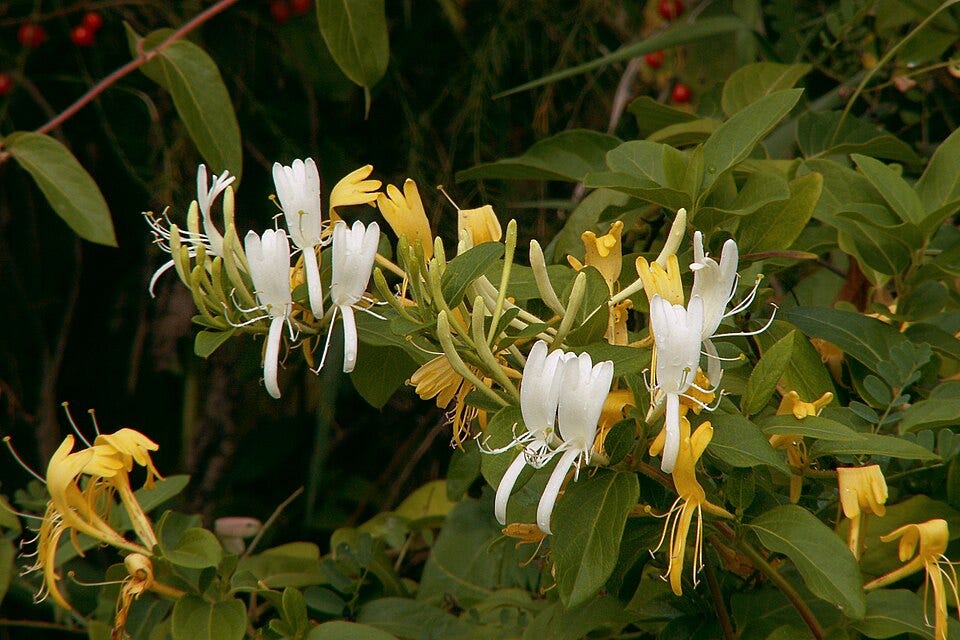
Beautiful and tasty plants can be toxic. Even popular plants used as medicines in ancient times can be harmful. Keep in mind that lead and mercury were used in cures, deadly belladonna was used for beauty, and smoking tobacco was considered healthy. You can learn to sort the good from the bad with a few tools I share below.
Book Review: 'Forage for Mushrooms Without Dying'
·
July 10, 2025
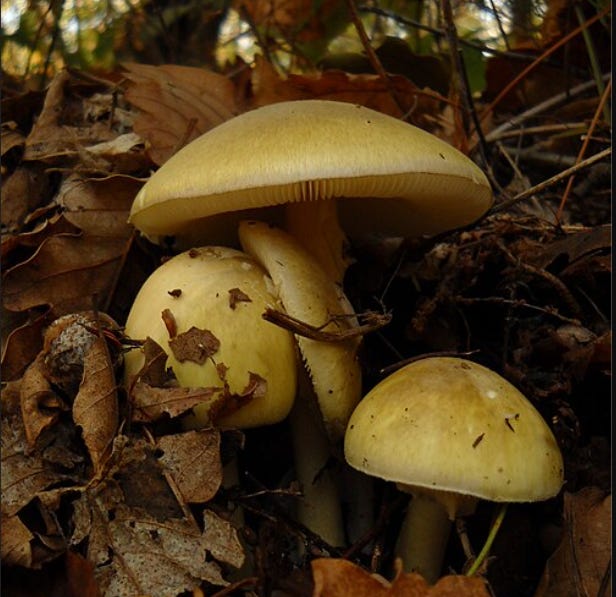
Have you heard of the case of the mushroom murderer? A woman was recently convicted of murdering her in-laws after serving them death cap mushrooms. Her estranged husband was also invited to that fatal luncheon, but didn’t attend. You’ll find a couple of links to news stories below the book review and after an extra safety tip not found in the book. The review starts right after the photo.
The Power of Botanical Names
·
May 20, 2025
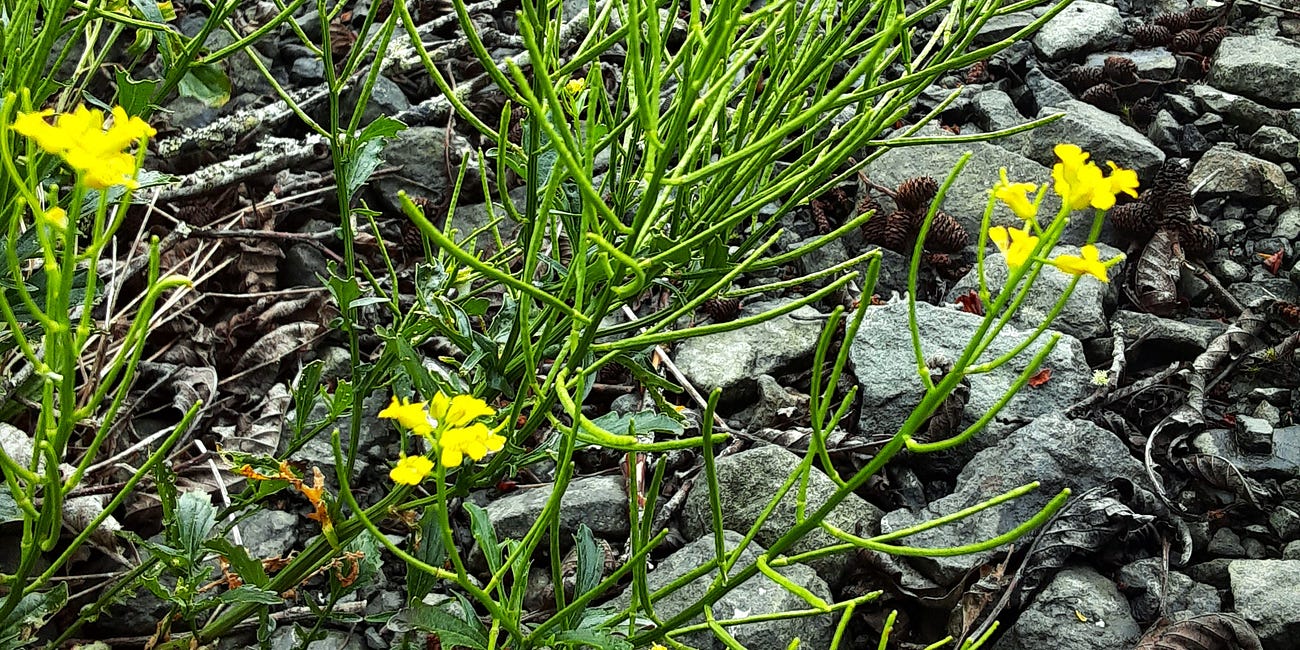
Botanical names are the key to learning about edibility, potential toxicity, medicinal properties, and other important information.
Building Your Foraging Library, Part 1
·
September 10, 2025
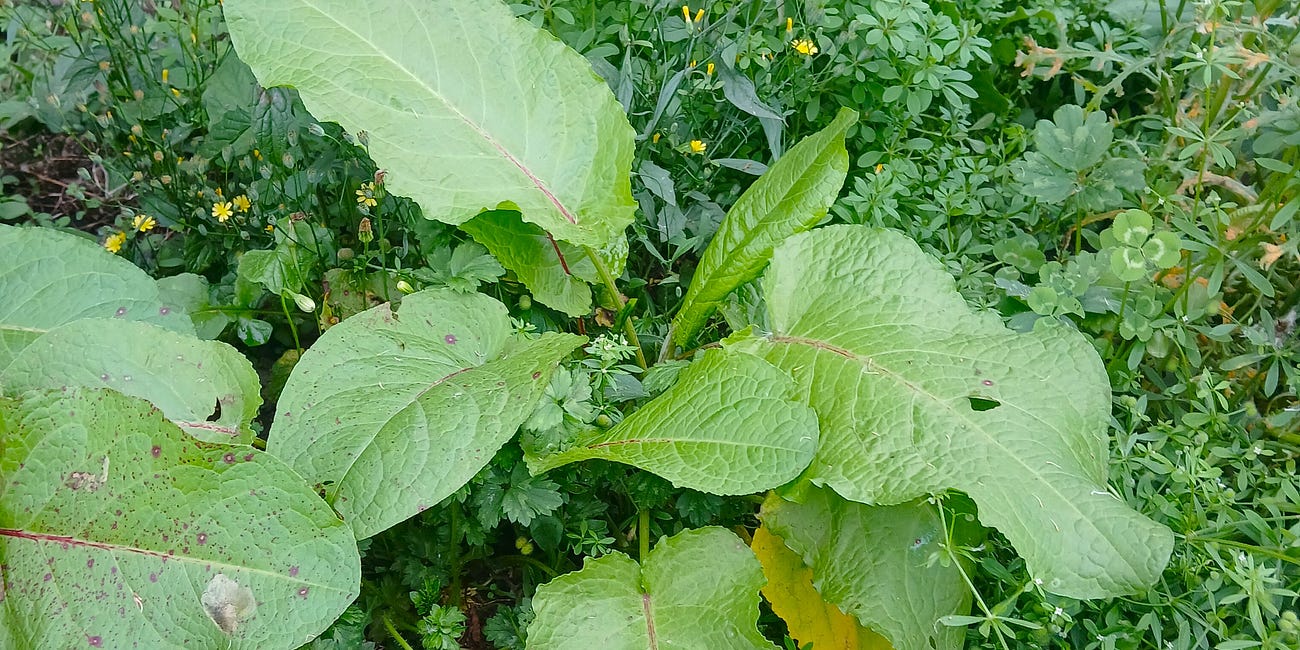
Why Weeds? Many people think of weeds as the enemy. However, weeds and human beings have been involved with the dance called co-evolution for thousands, if not millions of years. That dance continues today.
Building Your Foraging Library, Part 2
·
October 10, 2025
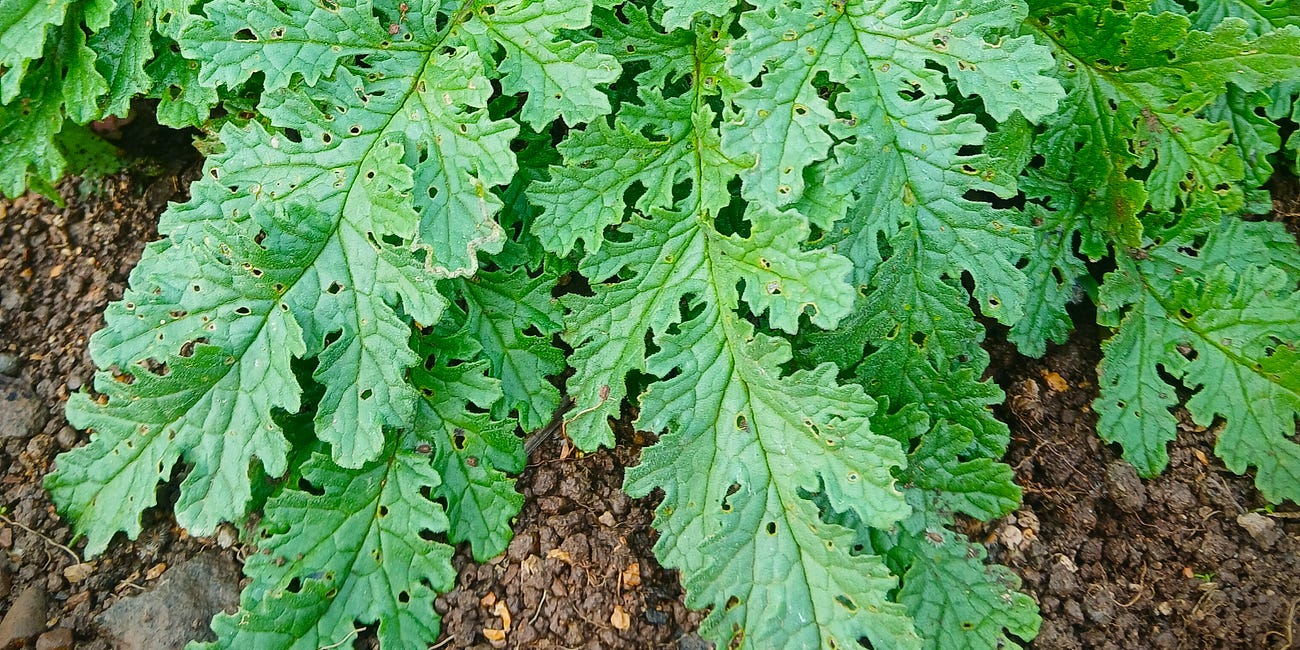
Many people accidently eat poisonous plants every year. While a good portion of them are children, adults also end up in the hospital (or worse) as the result of eating toxic plants or mushrooms.
~ ~ ~
Thanks for Reading! That’s all for now, but I’ll be back soon with more info I hope you can use. :)
Please feel free to forward, share, restack, excerpt, or quote this or any of my articles or notes, as long as your post automatically includes (or you add) a link back to the original here on Substack. Contact me about any other ways you might want to use my writing, as all other rights are currently reserved.
Text copyright Harvest McCampbell, 2026. Information on photo credits can be found in the original articles.
~ ~ ~
No posts
Comments
Nothing yet. Say the first thing.
Sign in to join the conversation.