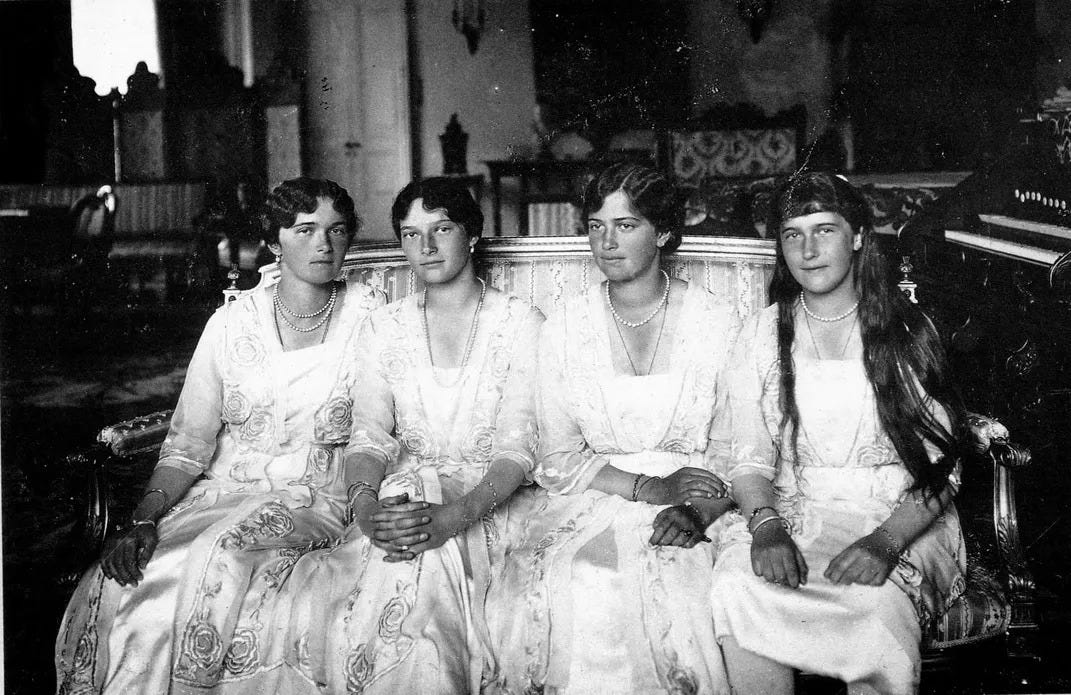
Long before she was known by the elaborate folklore and complex conspiracy theories that followed her name, Grand Duchess Anastasia Nikolaevna of Russia (1901 - 1918) was best known within the Imperial Household by a much simpler title: shvybzik.
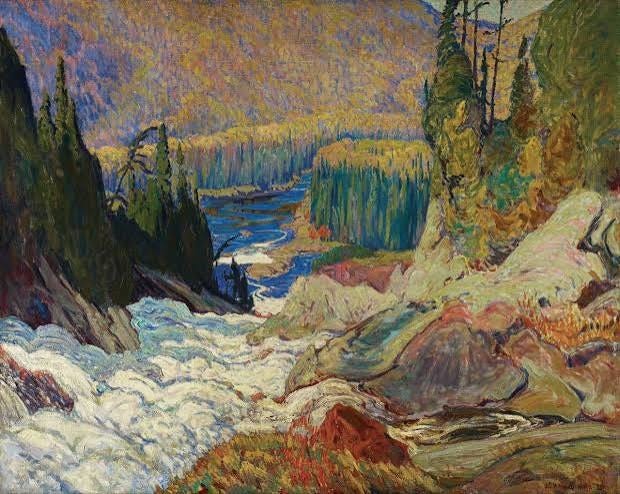
Born in 1920 amidst the post-WWI era of nation-building, the Group of Seven (also known as the Algonquin School) was considered to be a conscious effort toward Canada’s cultural self-determination, aiming to craft a unique national artistic identity.
While the melting of sea ice has slowed down over the past 20 years (in what scientists are calling a “temporary reprieve”), projections by NASA indicate that we are still poised to experience an ice-free Arctic for at least part of the year before the end of the 21st century.
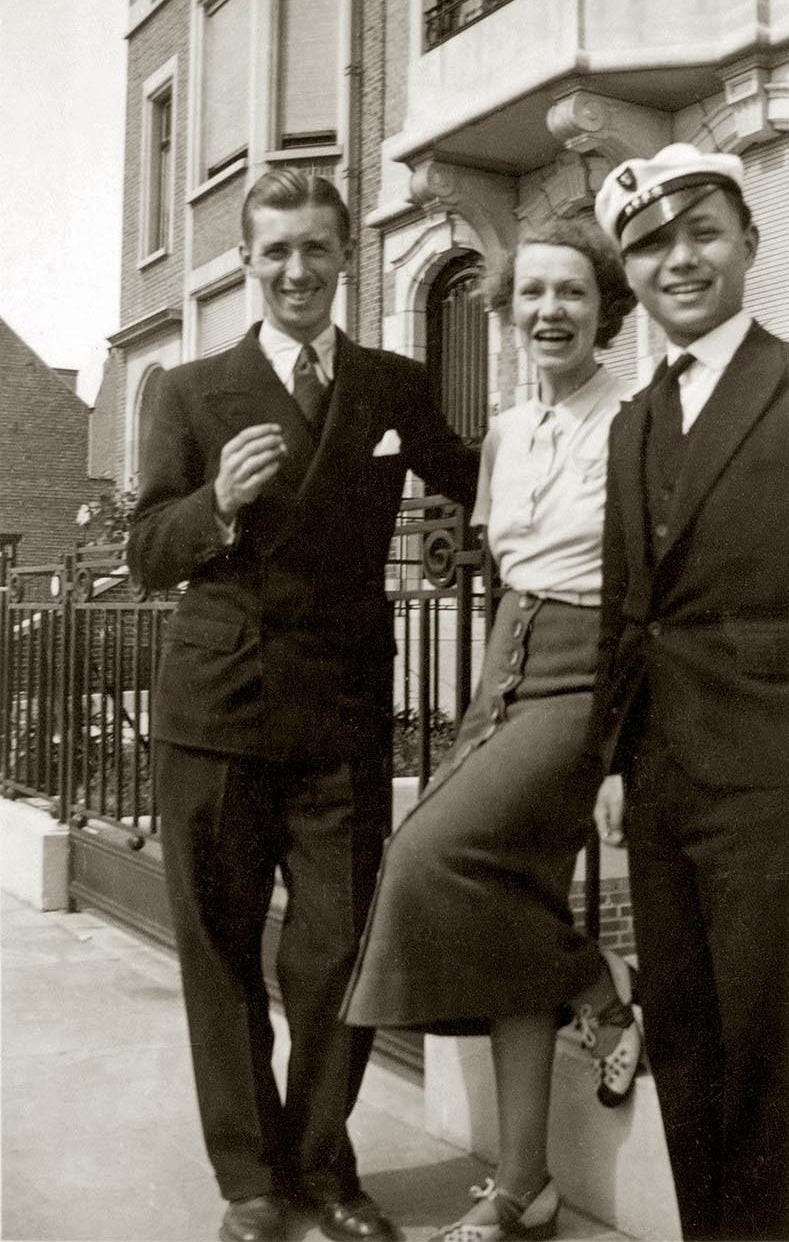
Published as a series between 1934 and 1935, Georges Remi’s (or Hergé as we’ve come to know him) The Blue Lotus is regarded as one of the first true masterpieces in his The Adventures of Tintin series.
The Industrial Revolution was (in) famous for many reasons, chief among them was its role in fuelling a number of creative developments in the Romantic movement.
Those familiar with the East India Company’s (EIC) presence in India may argue that one of the most existential threats they faced was microscopic in nature.
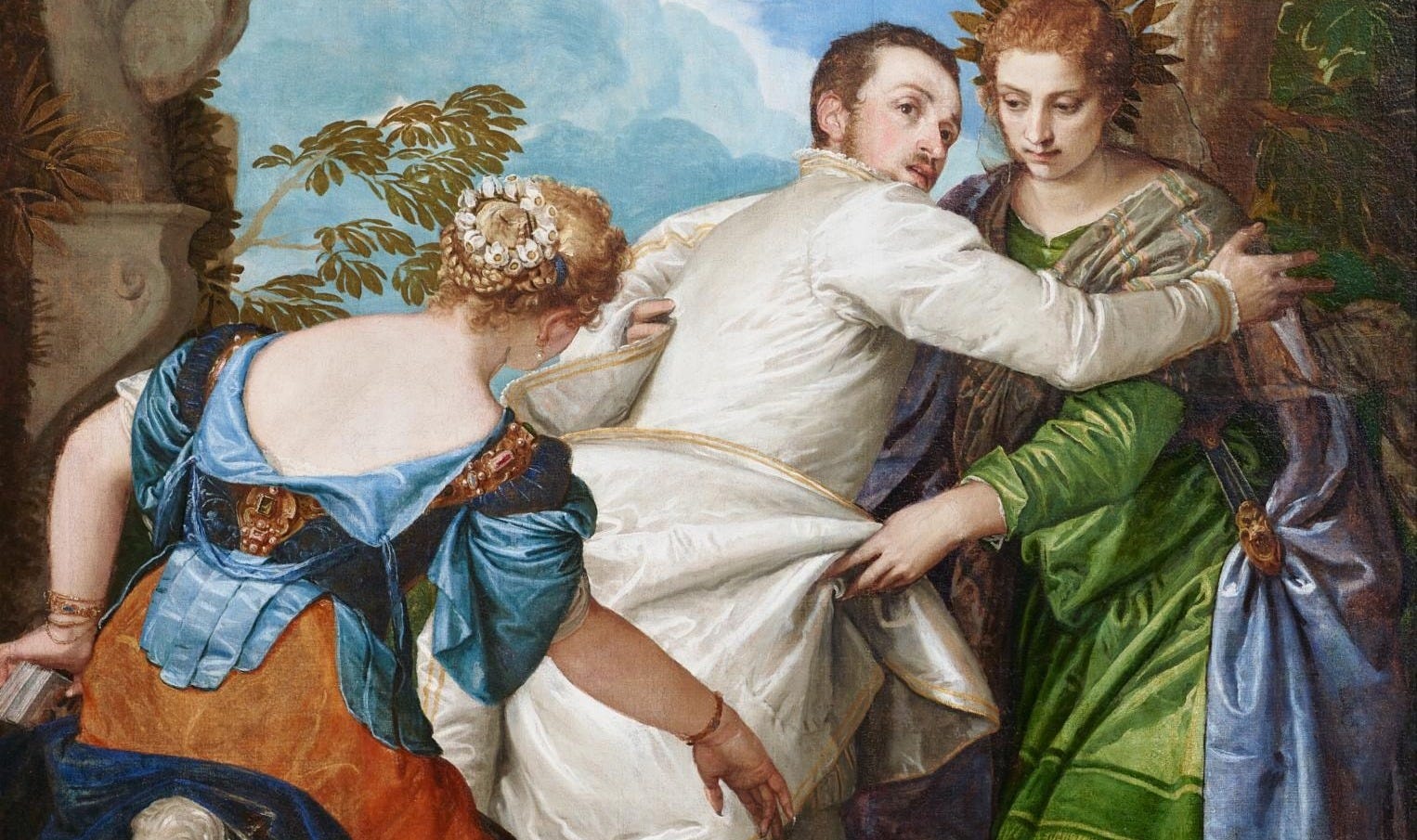
Among the many allegorical tales that have emerged from the legend of the Greek demigod Hercules (the Greek imagining knew him as Heracles), few may be as enduring in its contemporary applicability as the Choice of Hercules.
Nestled between Zambia (to the north) and Zimbabwe (to the south) sits the world’s greatest sheet of falling water, the Mosi-oa-Tunya (The Smoke That Thunders) - more commonly known as the Victoria Falls.