Weekly Oil Statistics
Week ending August 7, 2026 | EIA release August 12, 2026

Take Control of Your Commodity Revenue | Revenue Intelligence | Hedge, optimize, aggregate, and verify your revenue
Live Last read · last published · next check
Week ending August 7, 2026 | EIA release August 12, 2026
The EIA’s latest outlook points to a more prolonged disruption to Middle East oil markets, with the agency now pushing its expected return to pre-conflict production and trade patterns into early 2027.
Week ending July 31, 2026 | EIA release August 5, 2026
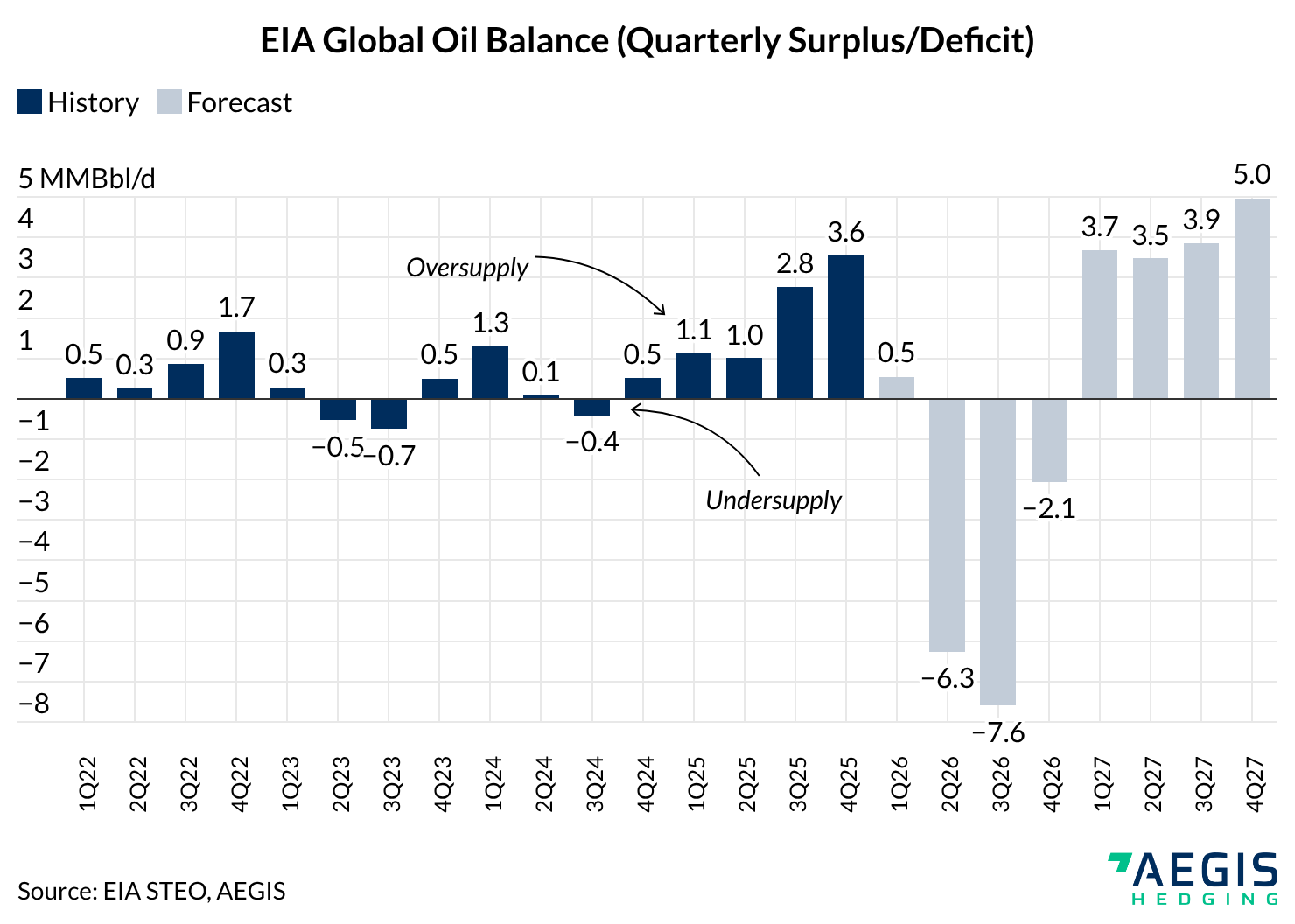
When we point clients to the EIA’s latest forecast for a global oil surplus of roughly 5 MMBbl/d in 2027, the response is often disbelief or skepticism.
Week Ending July 17, 2026
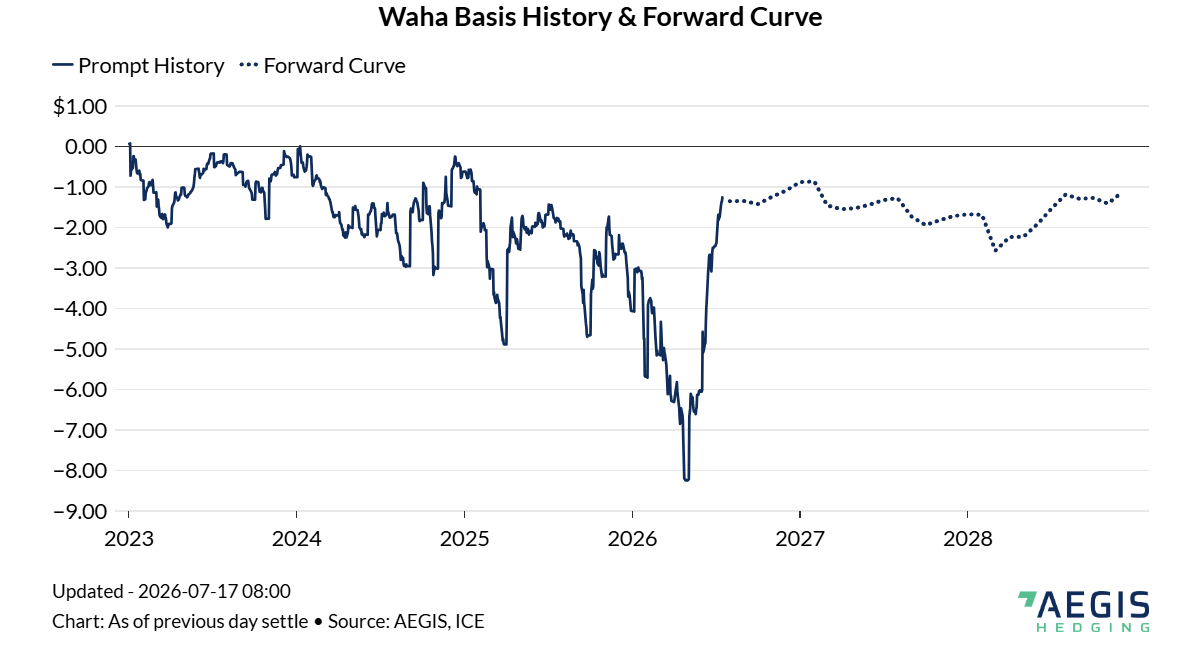
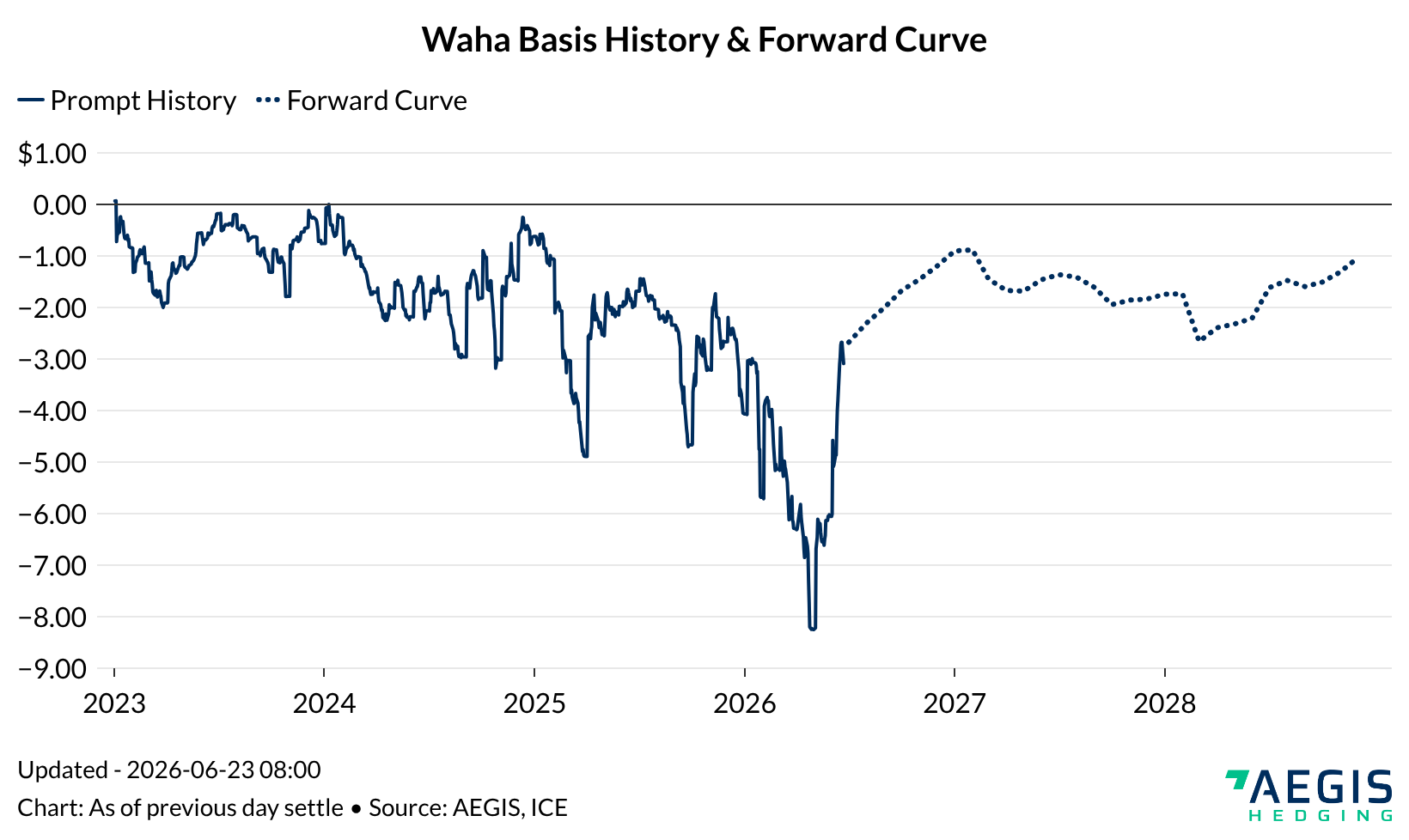
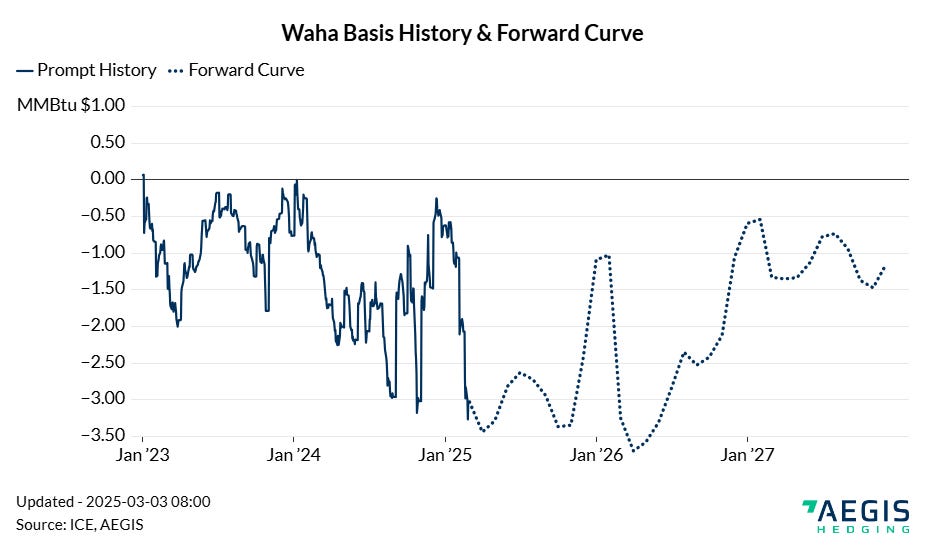
Permian Basin Gas Price and Fundamentals July 17th, 2026
Week Ending July 10, 2026
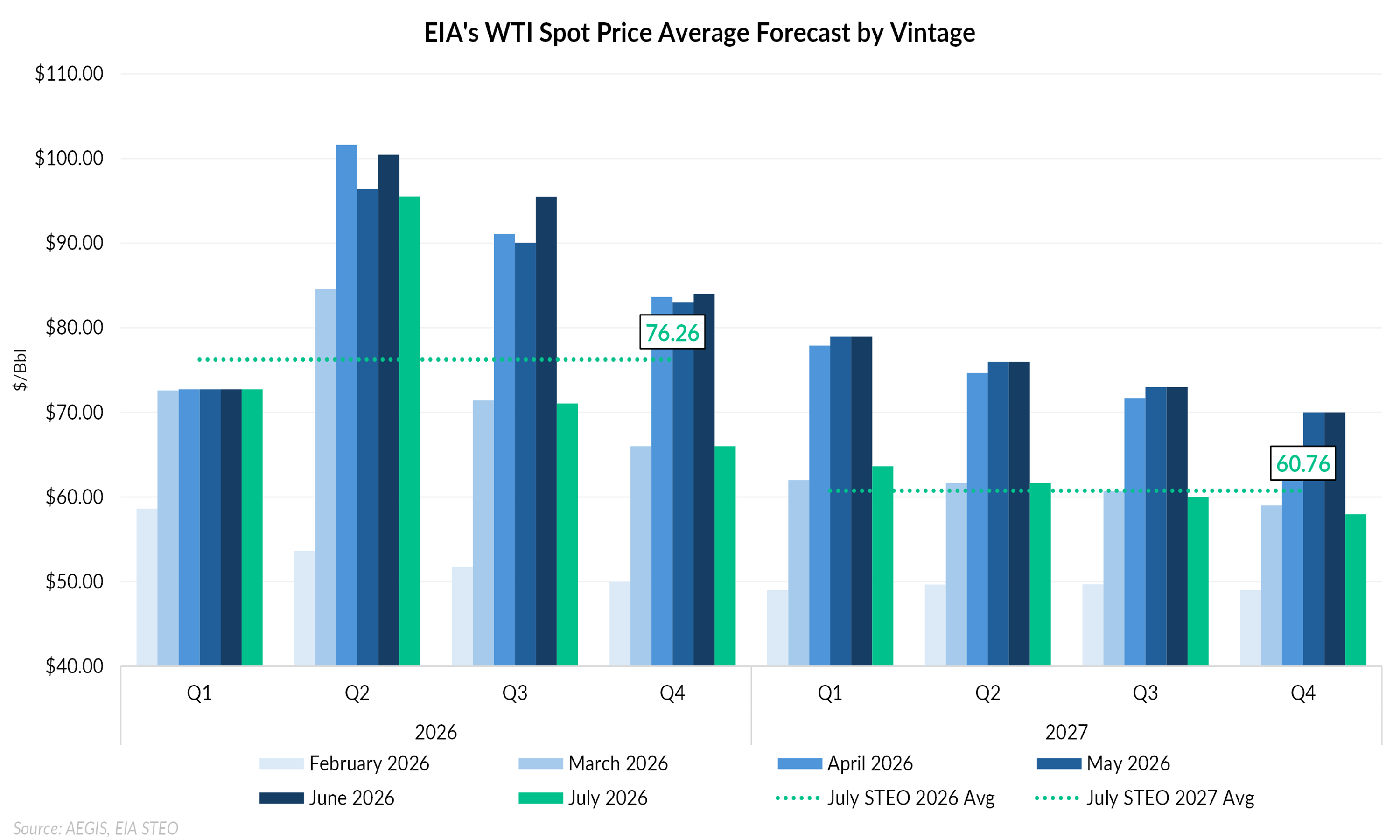
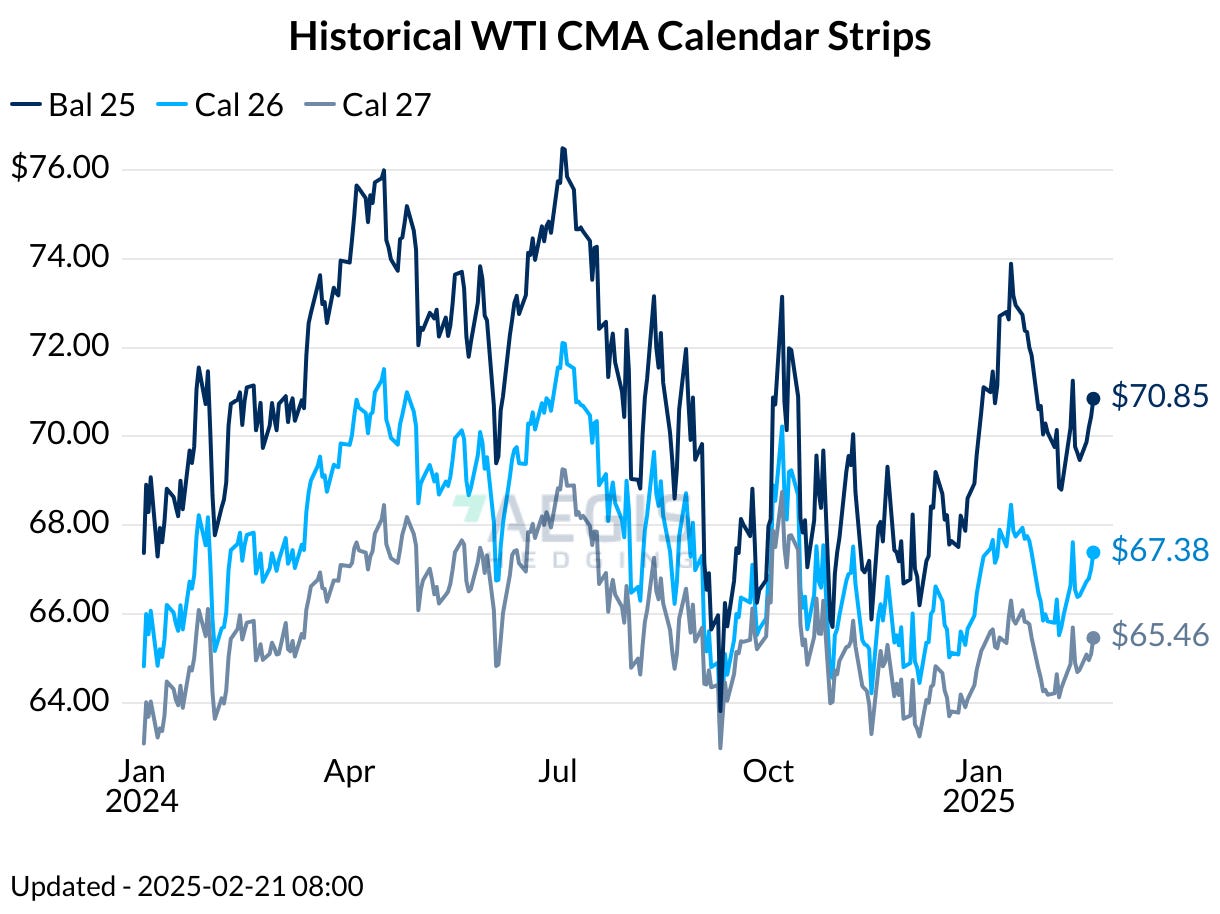
The latest EIA Short-Term Energy Outlook highlights just how dramatically the oil market outlook has shifted following the US-Iran memorandum of understanding.
LNG feedgas demand has recovered from early summer maintenance, which dropped demand to 16.76 Bcf/d.
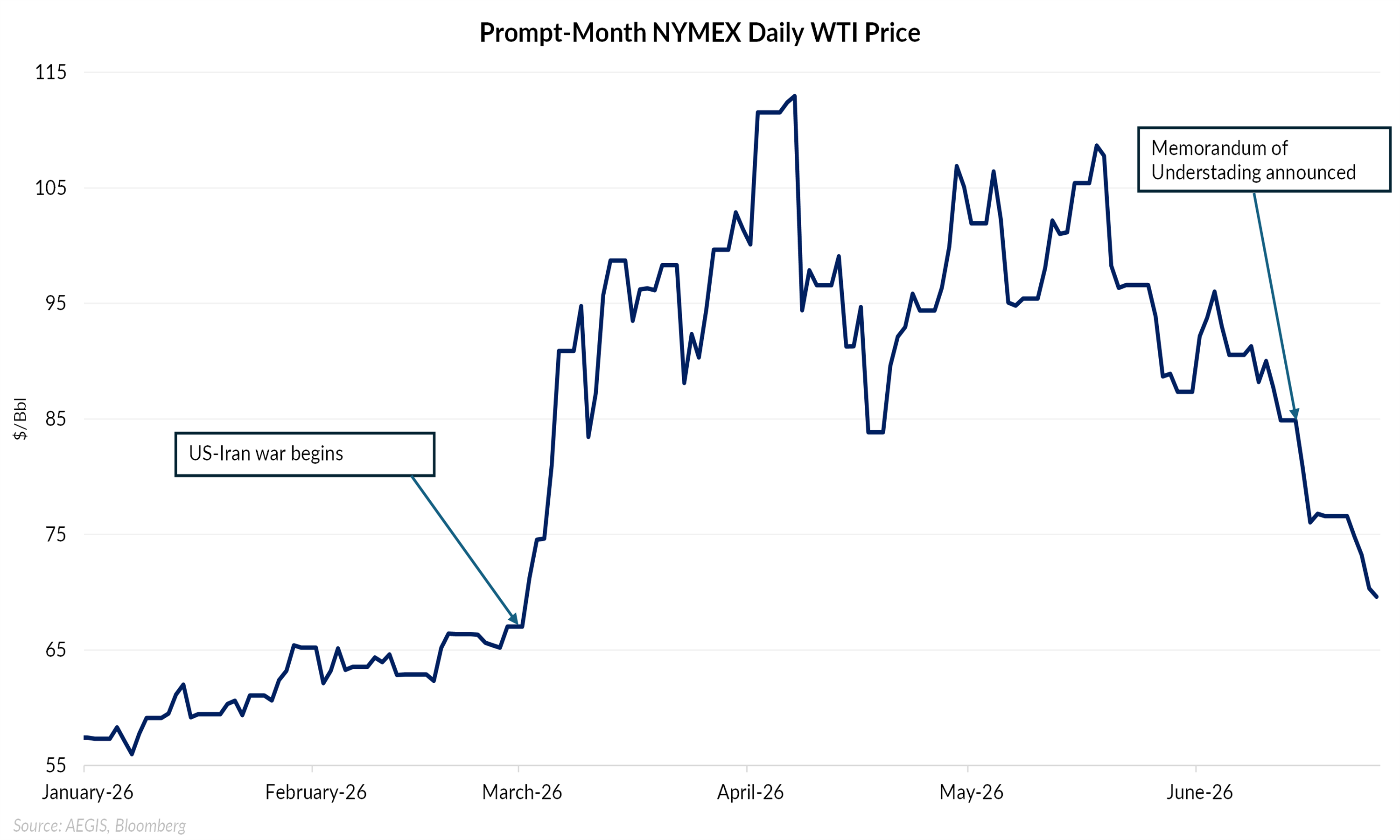
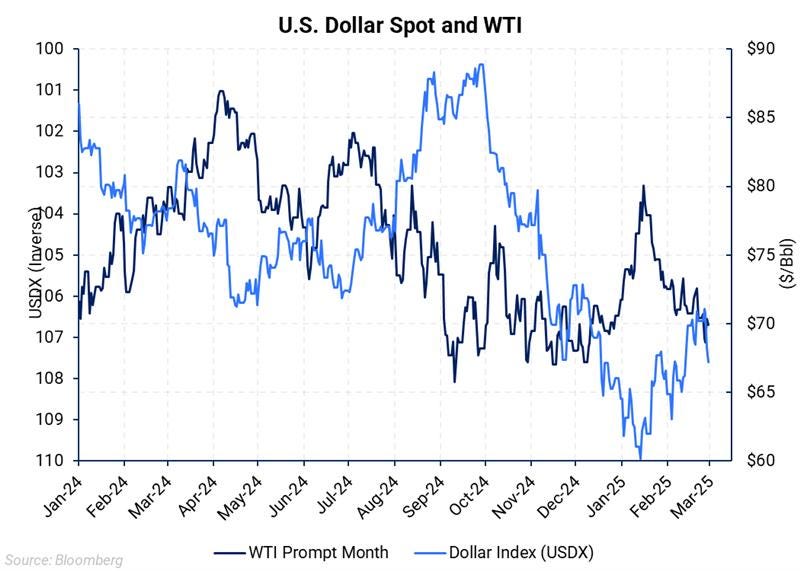
The US-Iran memorandum of understanding (MoU) marked the end of crude’s war-driven rally, sending prices tumbling from their peak above $110/Bbl as traffic through the Strait of Hormuz began to normalize and Gulf producers moved to restore disrupted supply.
The Permian Basin has been operating near the limits of available gas egress capacity for several years, keeping the system structurally constrained.
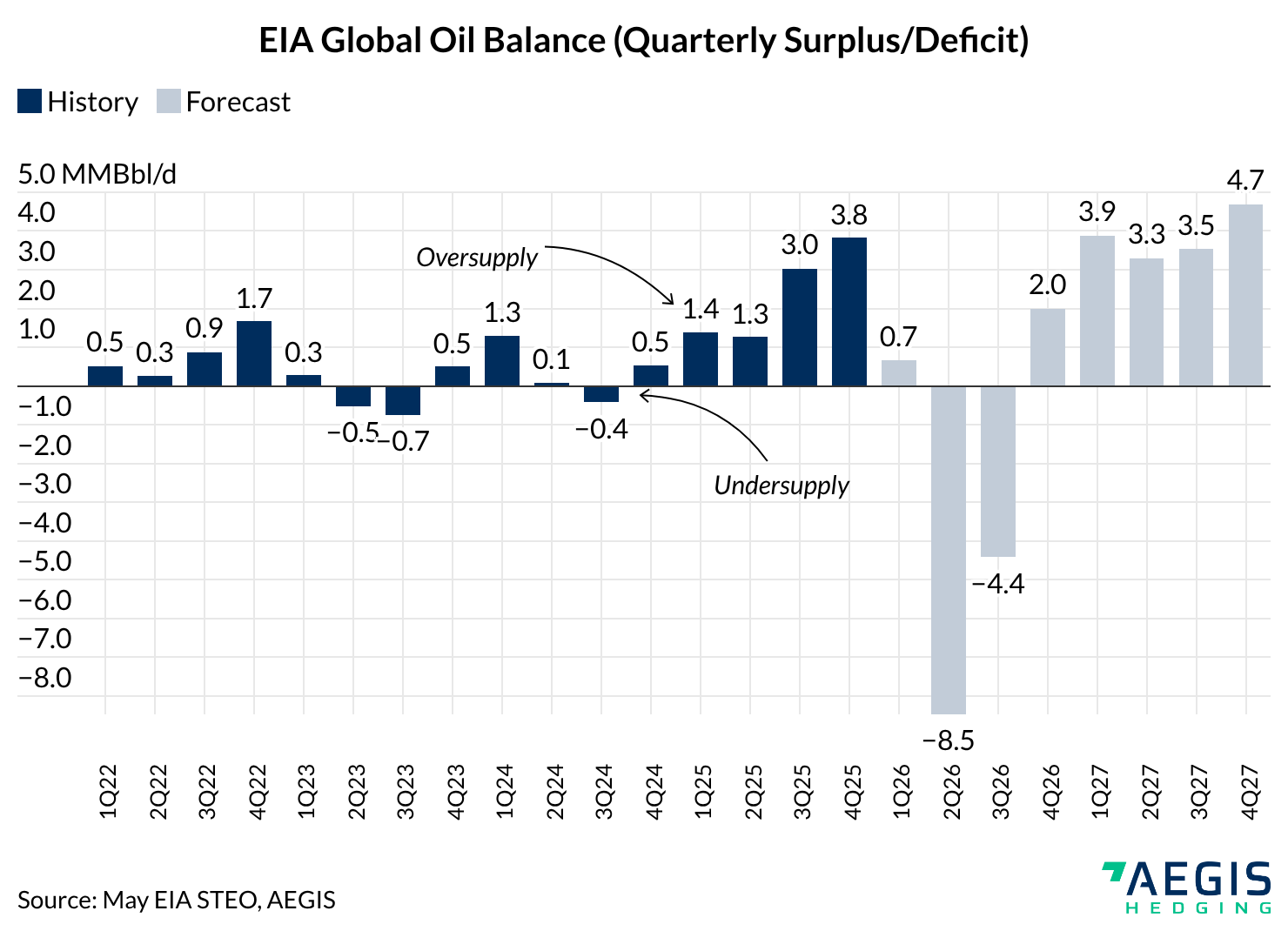
In their latest Short-Term Energy Outlook (STEO), the EIA revised its global oil balance outlook as the US and Iran continue to fall short of an agreement to end the conflict in the Middle East.
The latest projections from the EIA are pointing toward large global oil surpluses in 2027.
Producers that do not hedge NGLs are overlooking a material source of risk to revenue, especially in oil and rich-gas plays where NGL contributions can be significant.
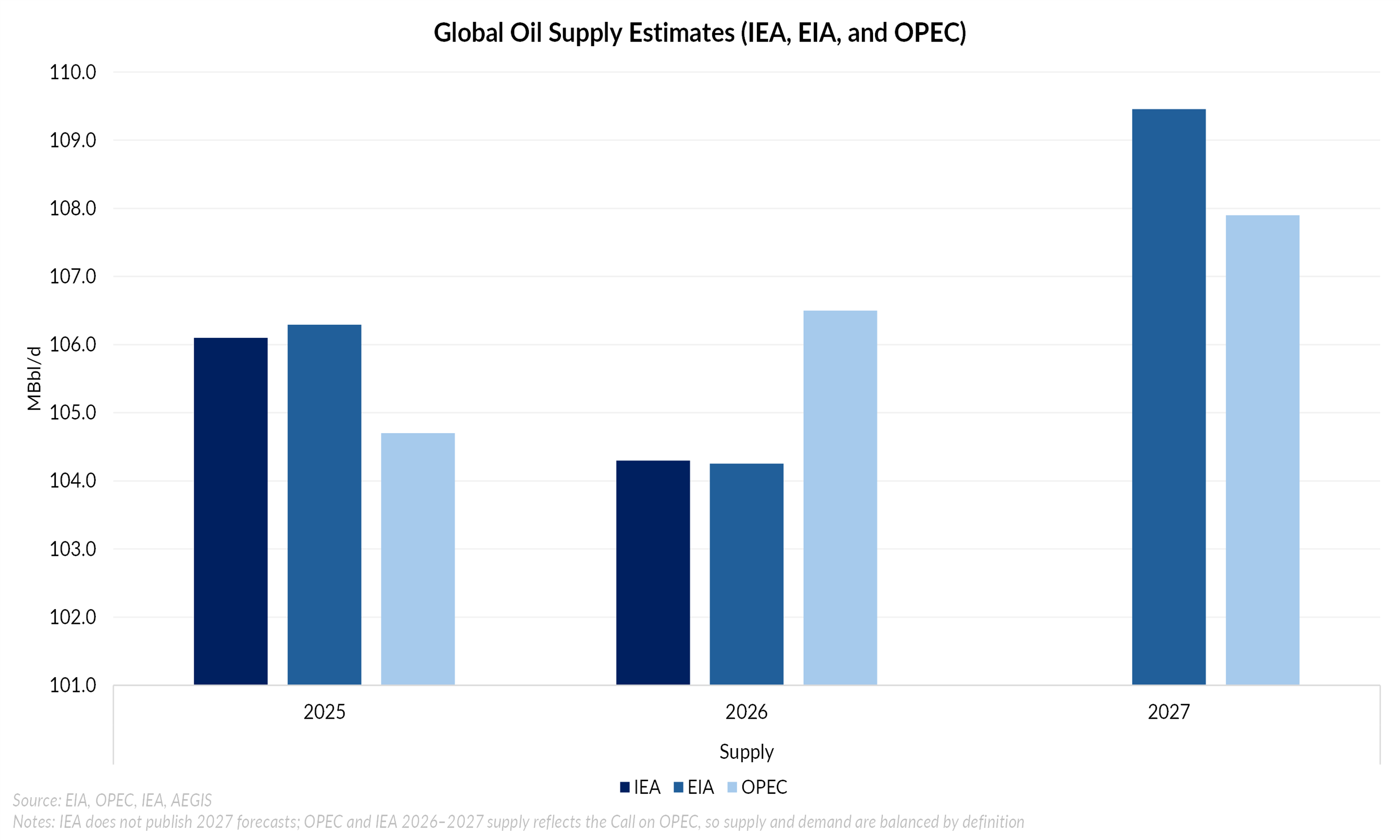
April releases from the EIA, OPEC, and the IEA point to a market undergoing a rapid shift.
The biggest infrastructure buildout since the shale boom isn't coming from the oil patch. It's coming from Silicon Valley. And the molecule they need is methane.
By Jay Stevens
By Christian Drolshagen
By Christian Drolshagen
Oil finishes lower for a second week while tariffs are set to take effect on February 1