The future is the easy part
It's harder to agree on the present

The Systemic Strategy Sandbox explores how strategy, culture, and systems shape the way organizations navigate uncertainty, align people, and create meaningful change.
Subscribe:.rss.atom.json.md.m3u.pls
Live Last read · last published · next check
It's harder to agree on the present
We have more information than we can handle. The real problem is how we make sense of it. Not as individuals, but as teams trying to align, decide, and move forward together.
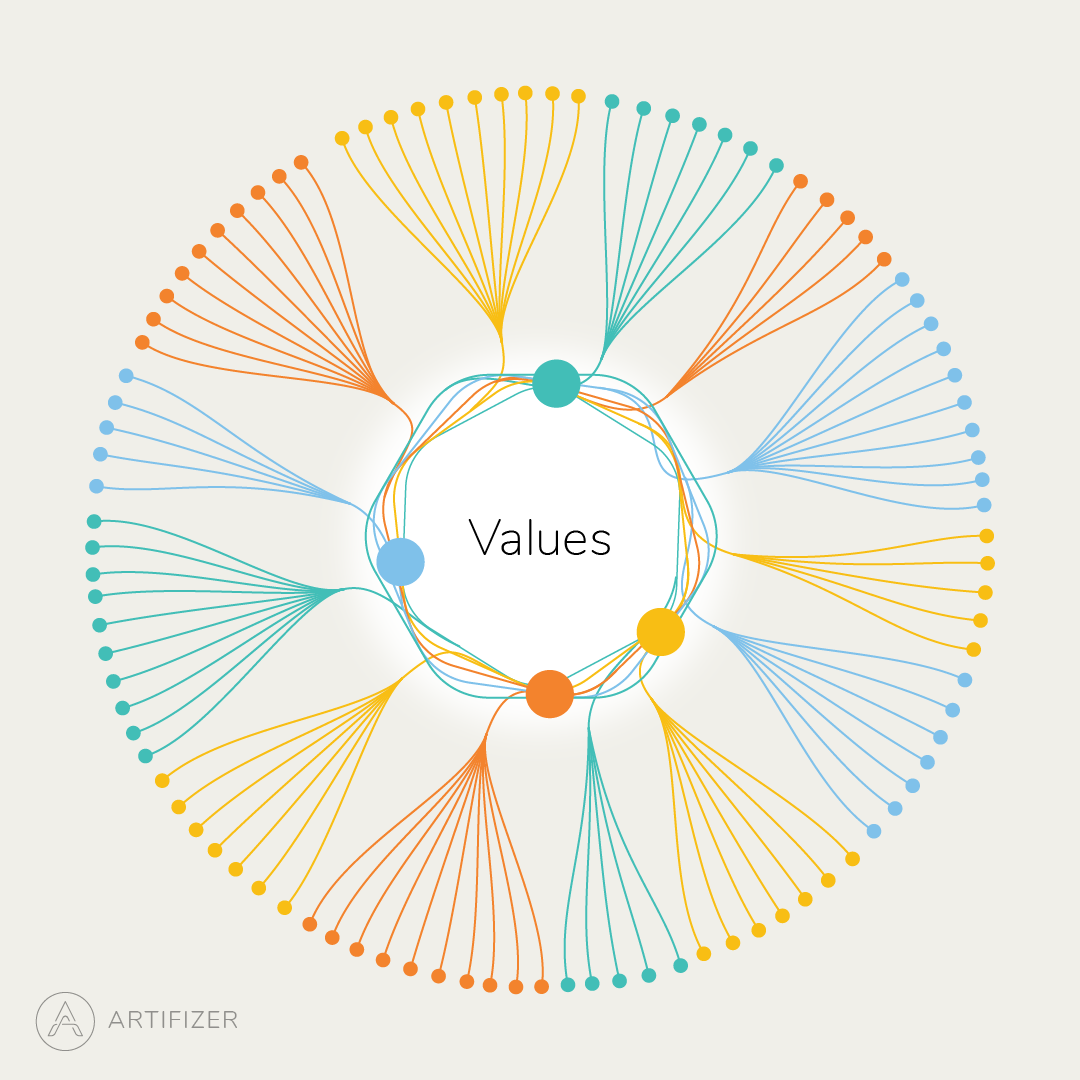
Plenty of companies claim to be values-driven. But in the day-to-day of most workplaces, those values are hard to find. Not because people don’t care, but because the values were never embedded.
This Substack newsletter started as a place to explore Visual Thinking. That’s still part of the story, but over time, the focus has shifted. This is a short update on where it’s headed now.
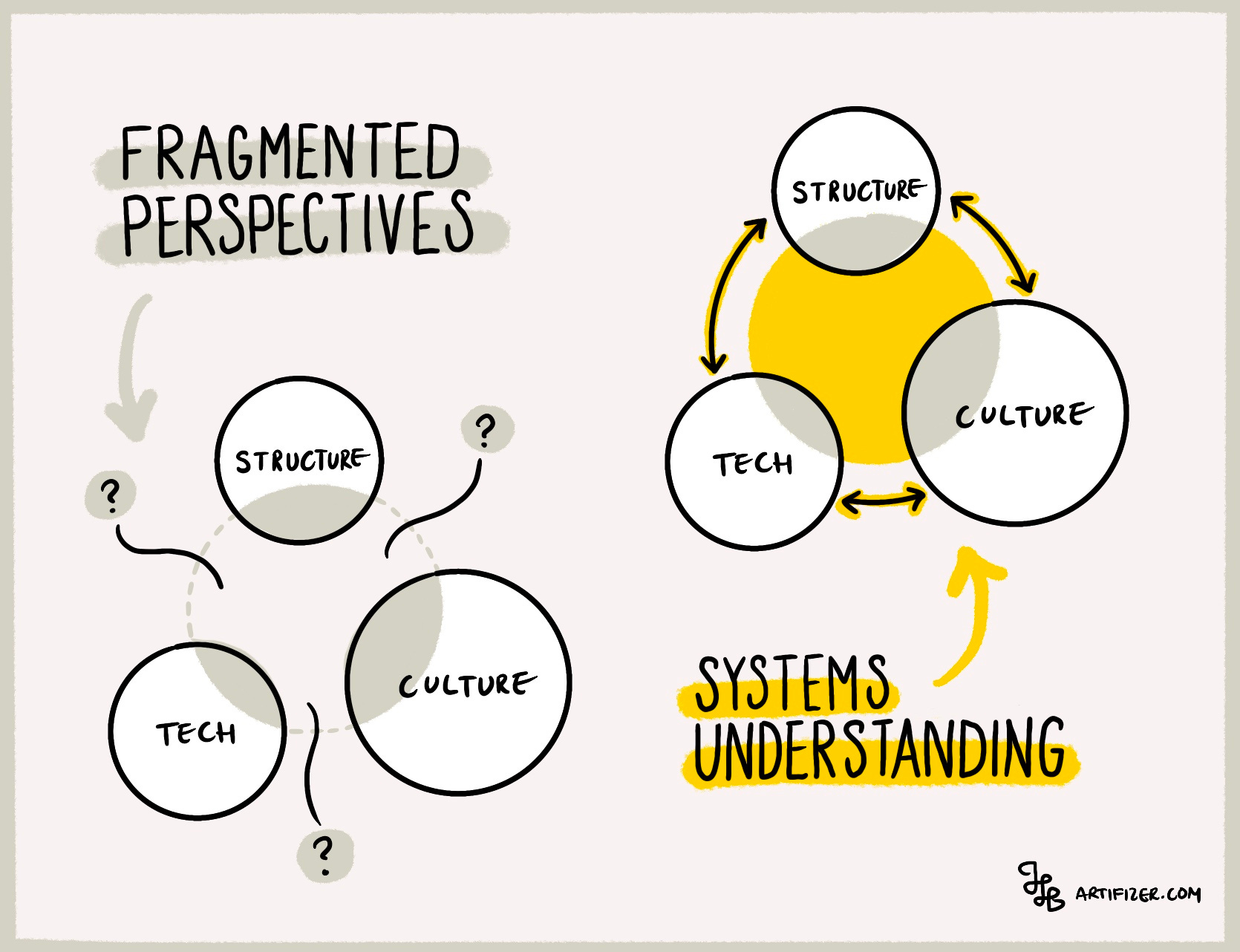
Without a clear and deliberate connection between vision, values, culture, and strategy, even the best efforts become scattered. Motion isn’t progress when nothing aligns; it’s just activity.
AI can scale anything, but without intent, speed becomes a risk. In a world of automation and infinite output, what matters most is what we choose to amplify, and why.
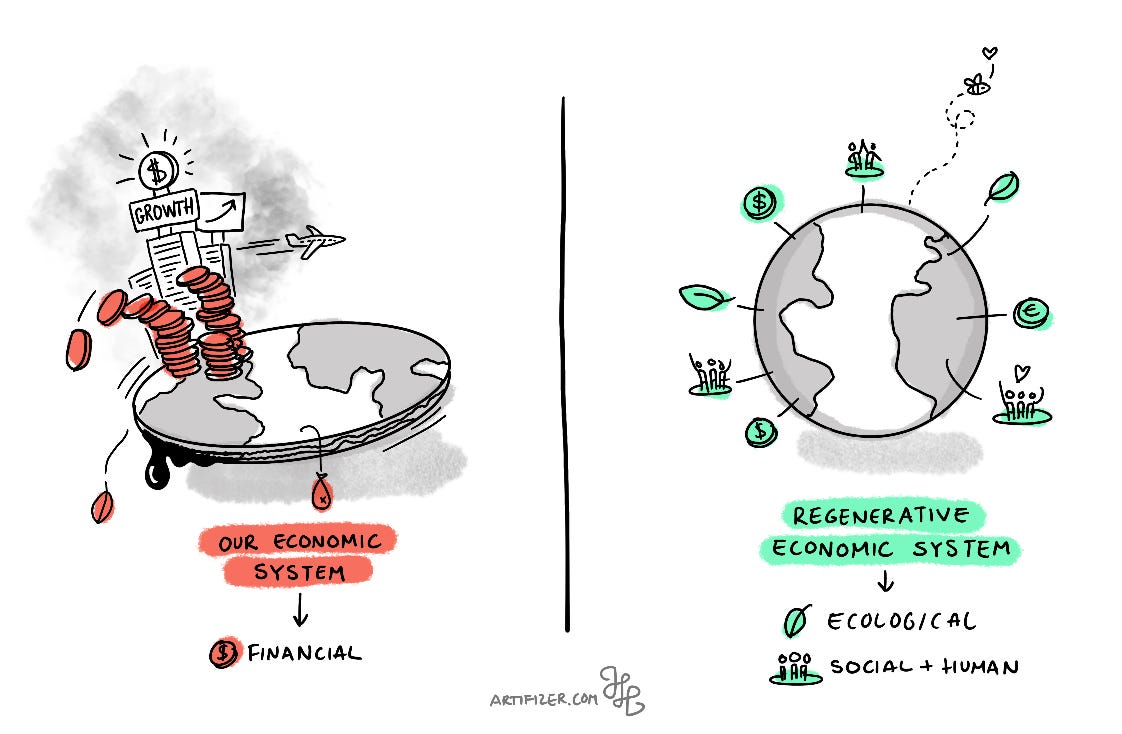
We say we want change, but the way our economy works often blocks it. The system wasn’t built for the future we need.
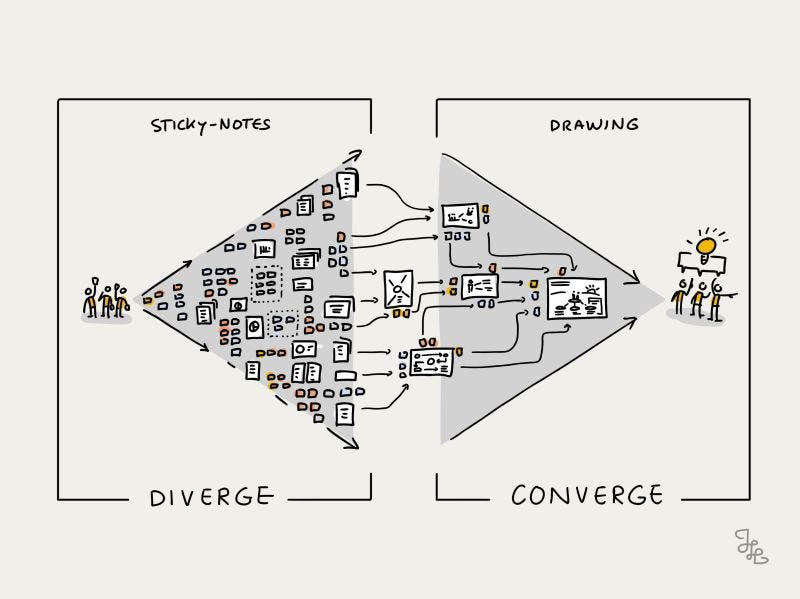
We’re entering an era where ideas are easier to generate than ever before. But ideas alone don’t lead to change.
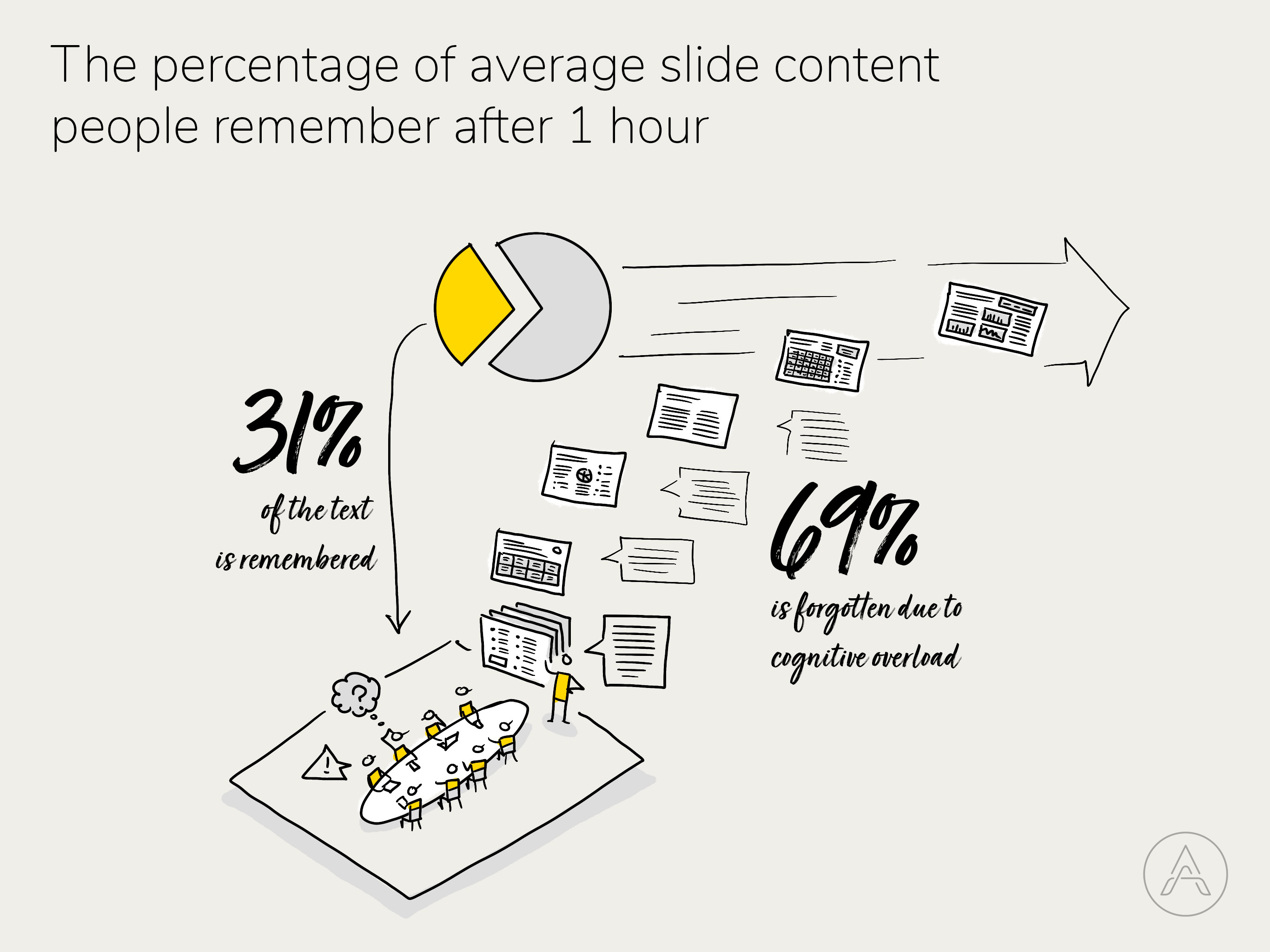
Even the best ideas fall flat if they aren’t communicated clearly. Executives often rely on dense, text-heavy slides that overwhelm their audience, making it harder to inspire and move towards action
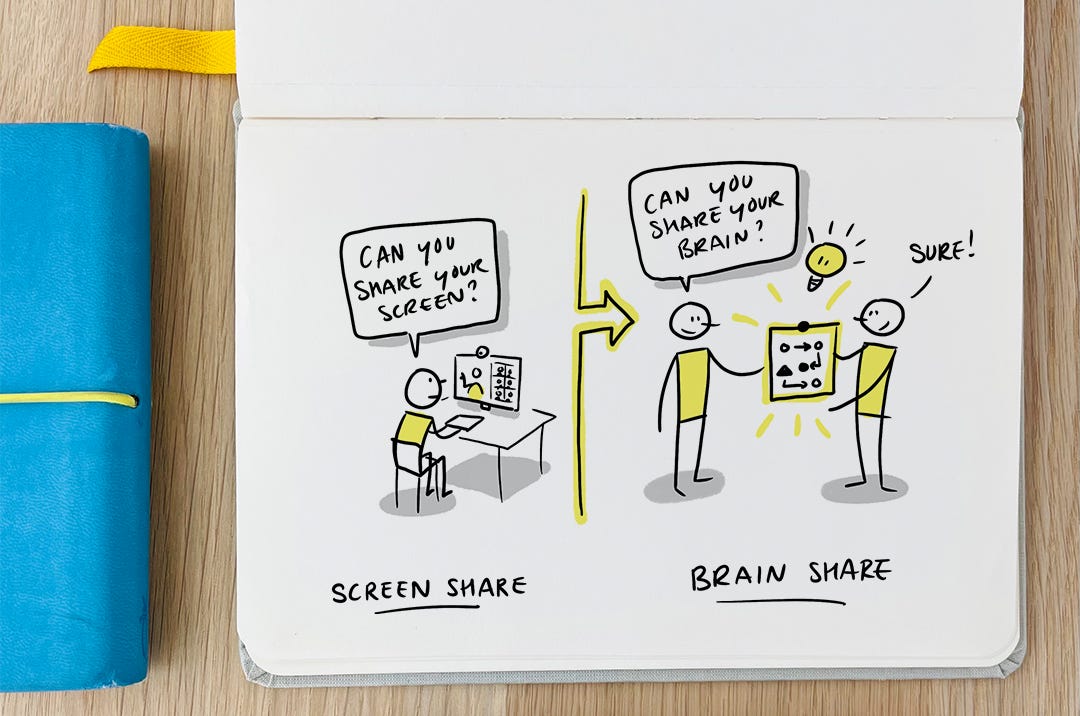
We’ve all said it: "Can you share your screen?" It helps align discussions and clarify ideas. But what if we could do the same for what’s in our minds?
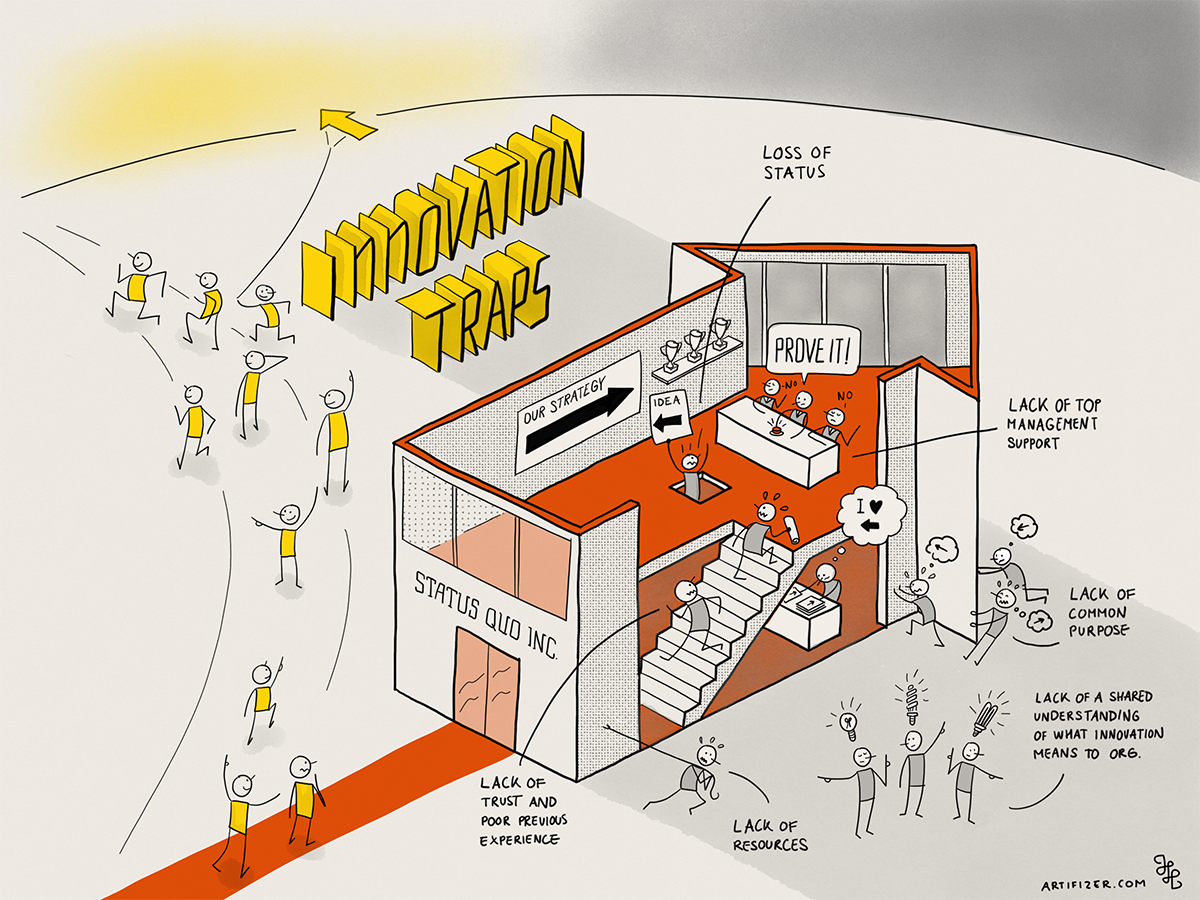
Innovation has become the magic word for everything. It’s the solution to business stagnation and the answer to economic crises. But just saying the word doesn’t make it happen.
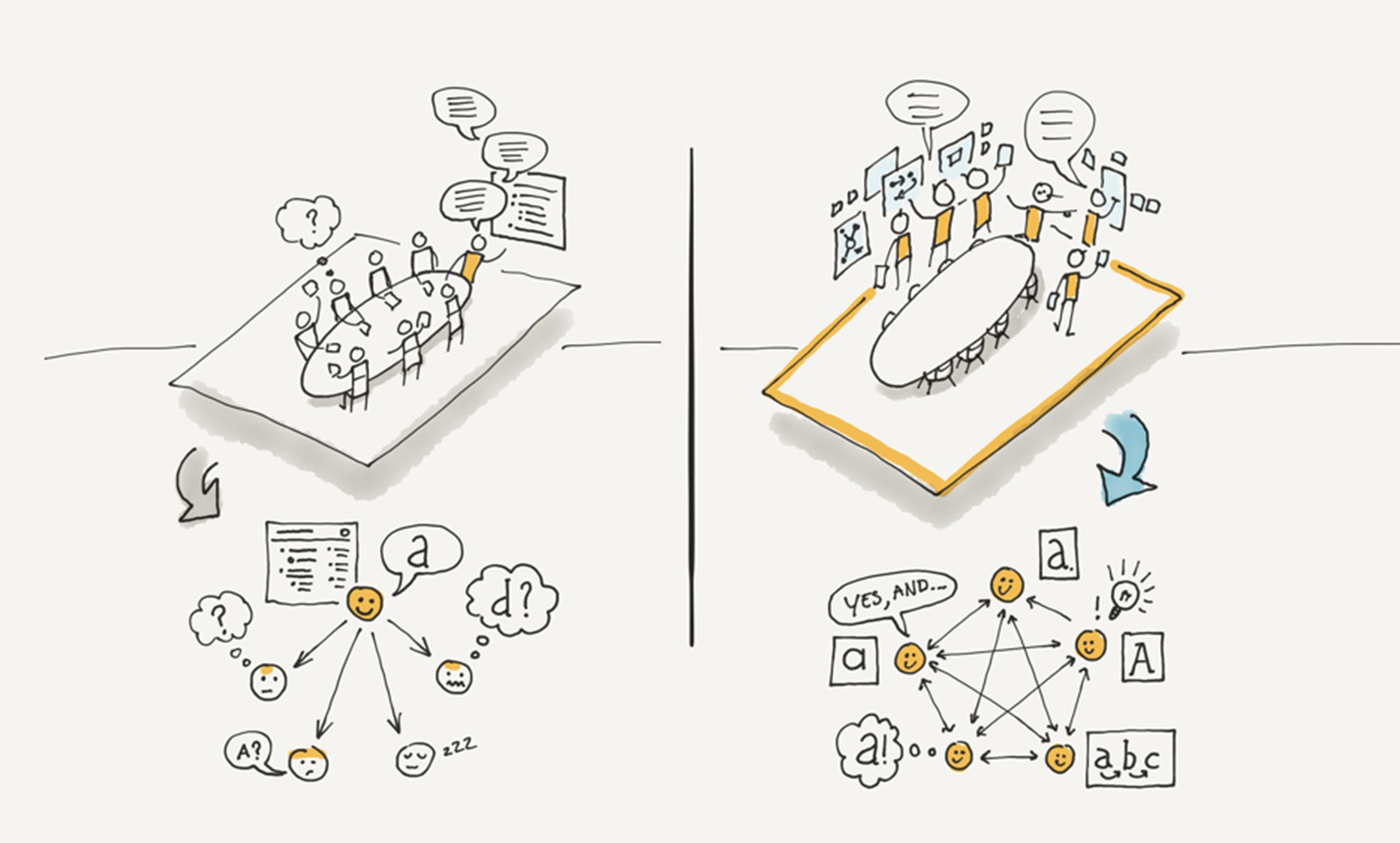
Meetings and workshops often get mixed up. They both involve people coming together to discuss something, so it’s easy to assume they work the same way. But they don’t.
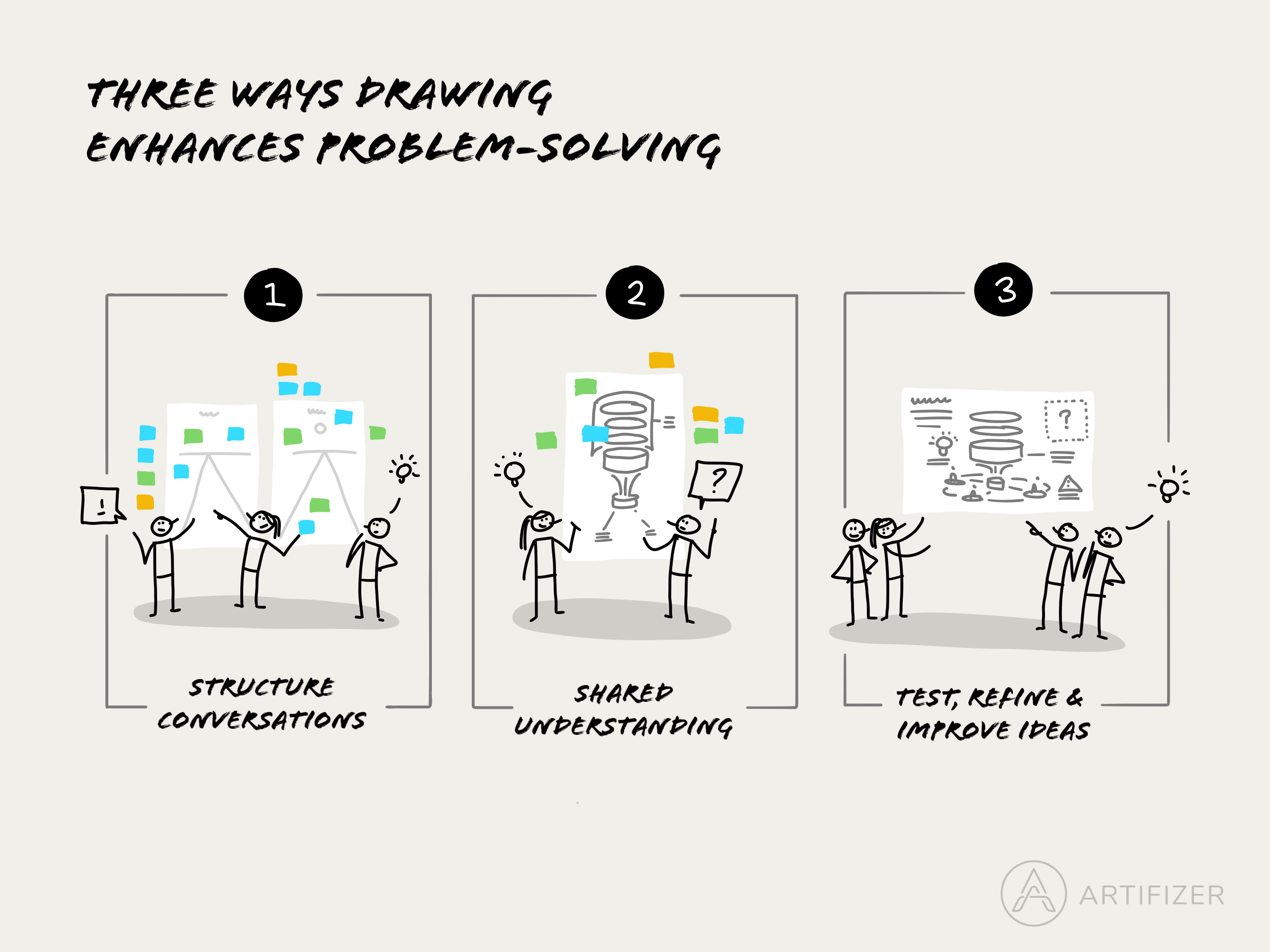
When people think about drawing, they often see it as a way to make things look pretty or present ideas visually. But drawing is far more powerful!
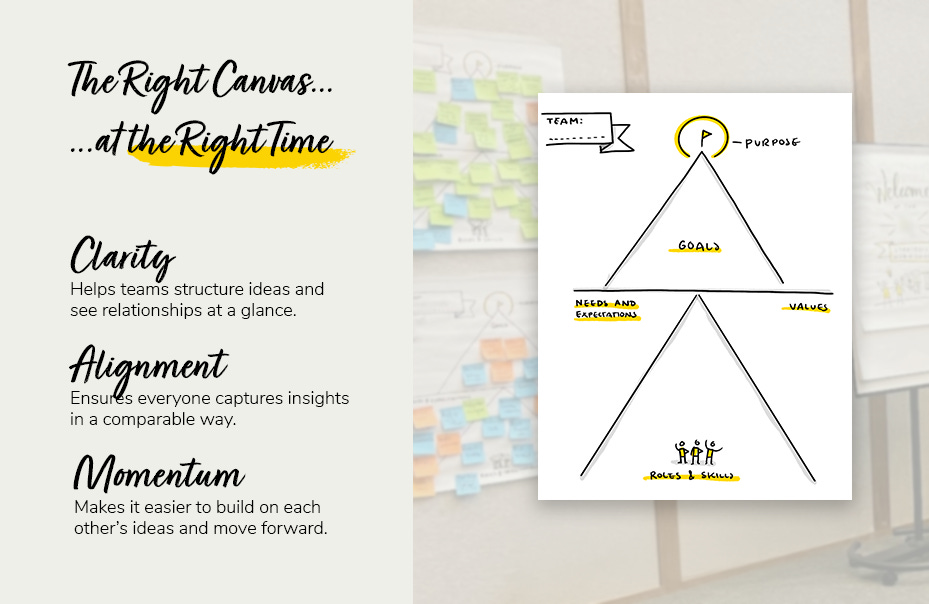
Canvasses are everywhere, and I get the fatigue. But the right visual framework structures conversations and makes collaboration easier.
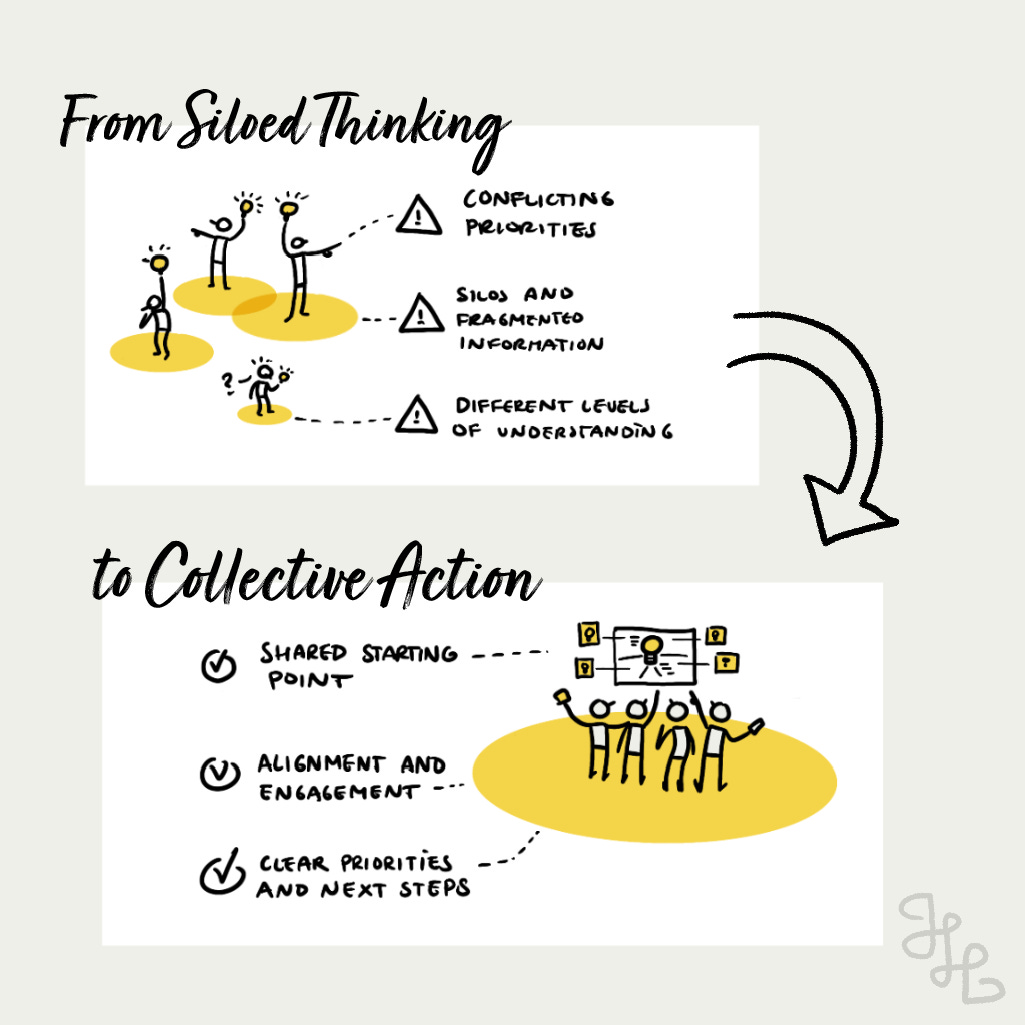
Misalignment in teams isn’t always obvious—until progress stalls.
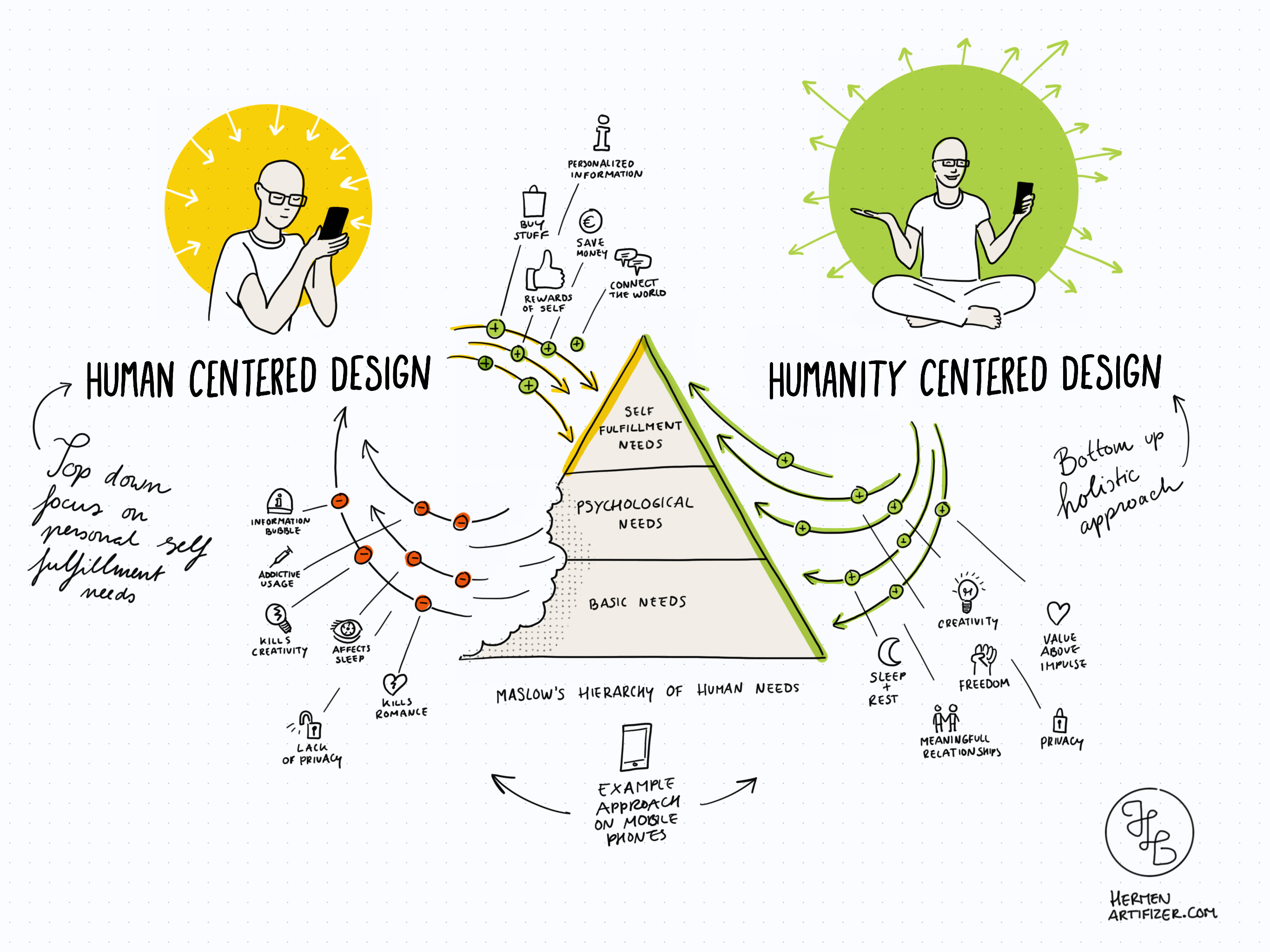
We design for what engages us—but is that the same as what’s good for us? Human-Centered Design taps into our brain’s natural cravings, but often at the cost of our well-being.
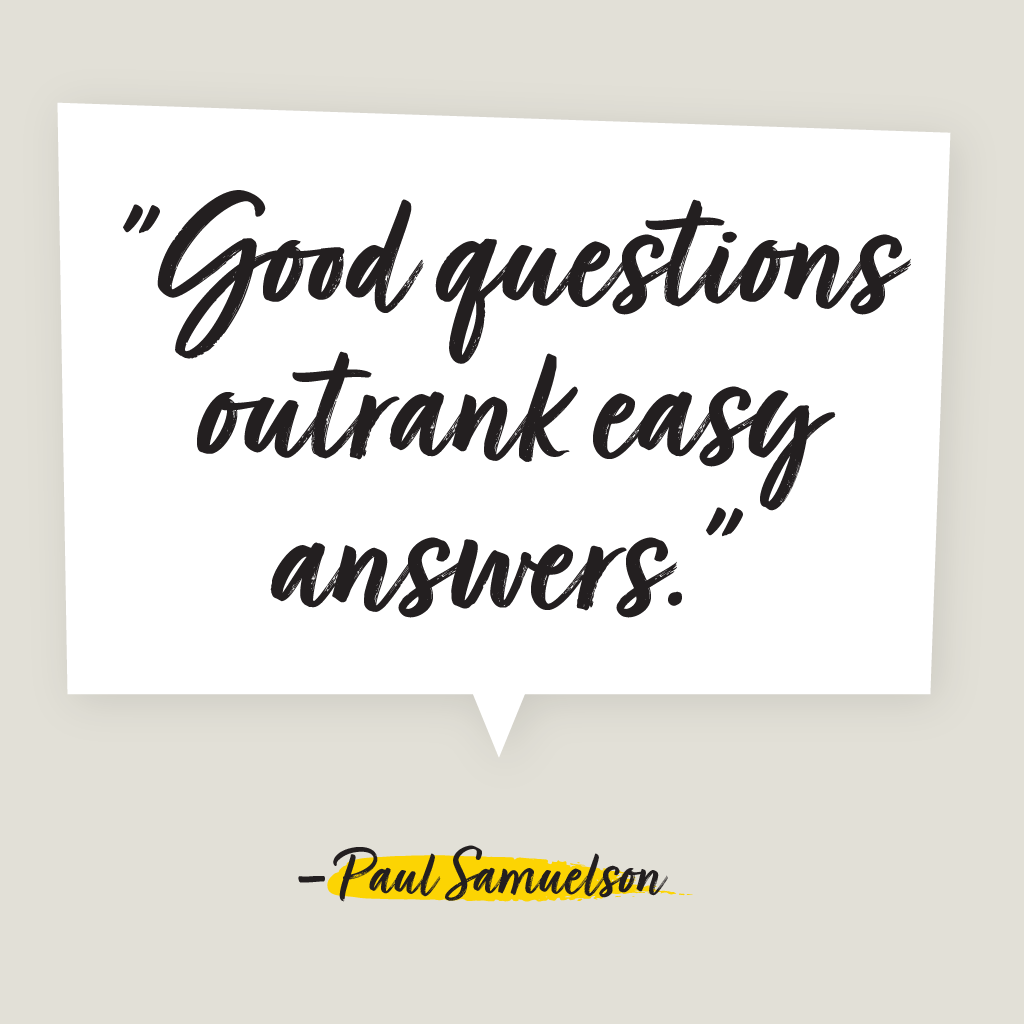
“You need to understand the problem before exploring solutions.” This design thinking principle also applies to ChatGPT—asking the right questions shapes the quality of the answers you get.
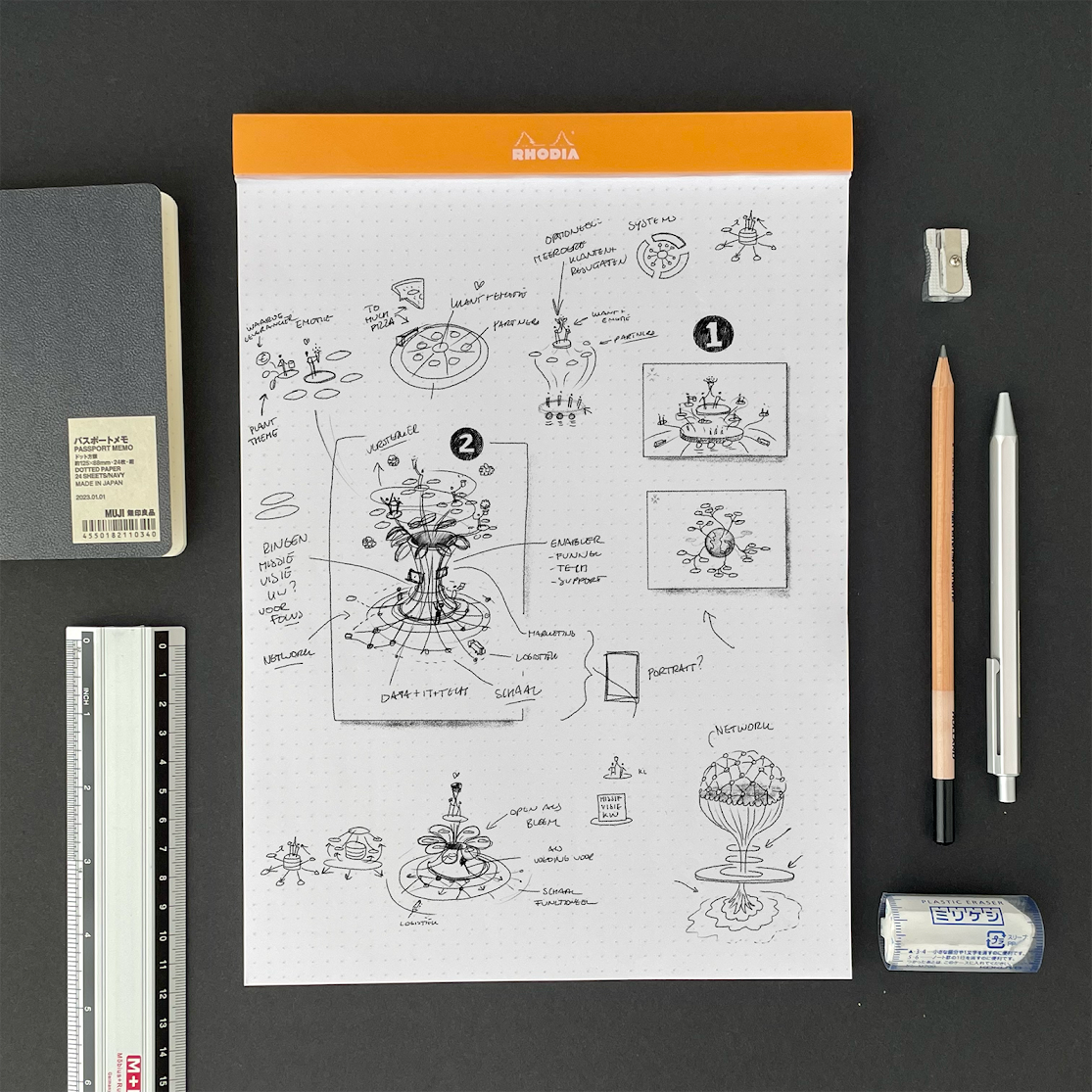
Getting things right at the right level is crucial. Dive too deep, and you lose clarity. Stay too vague, and you miss the mark. I’ve found a simple but powerful tool to strike this balance: a pencil.
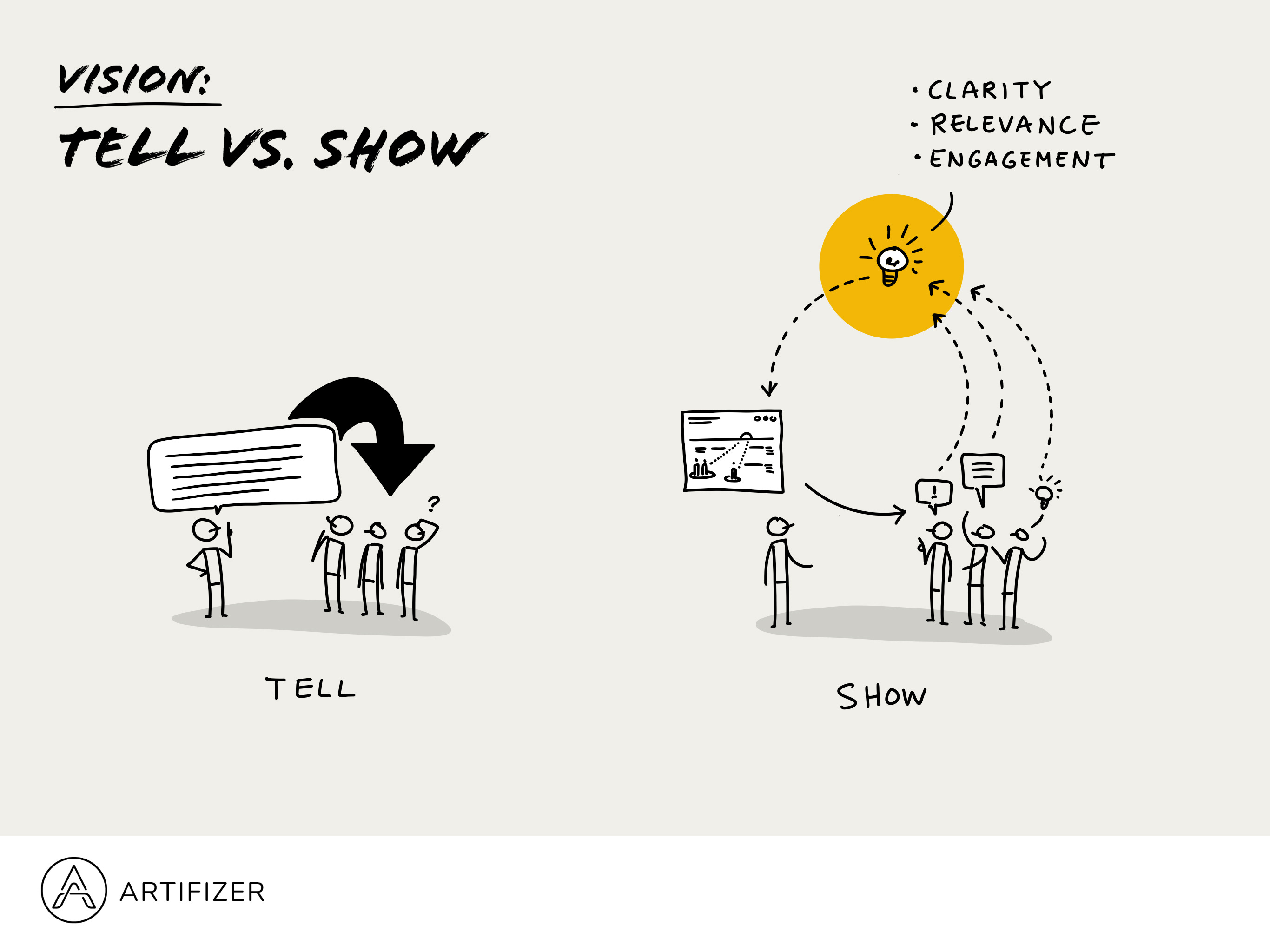
Ever feel like your vision isn't sticking with your team or stakeholders? It’s not enough to simply say where you’re headed. For a vision to inspire action, it has to feel real and relevant.
Welcome to the sandbox! Artifizer’s Exploration Hub is a space for curiosity, creativity, and collaboration—a place where we come together to unlock the power of visual thinking.