Few people, if any, have worked for the club longer. In a revealing interview, he recalls Cal Ripken’s inquisitiveness, Eric Davis' cancer, the legendary trainers who preceded him and much more.
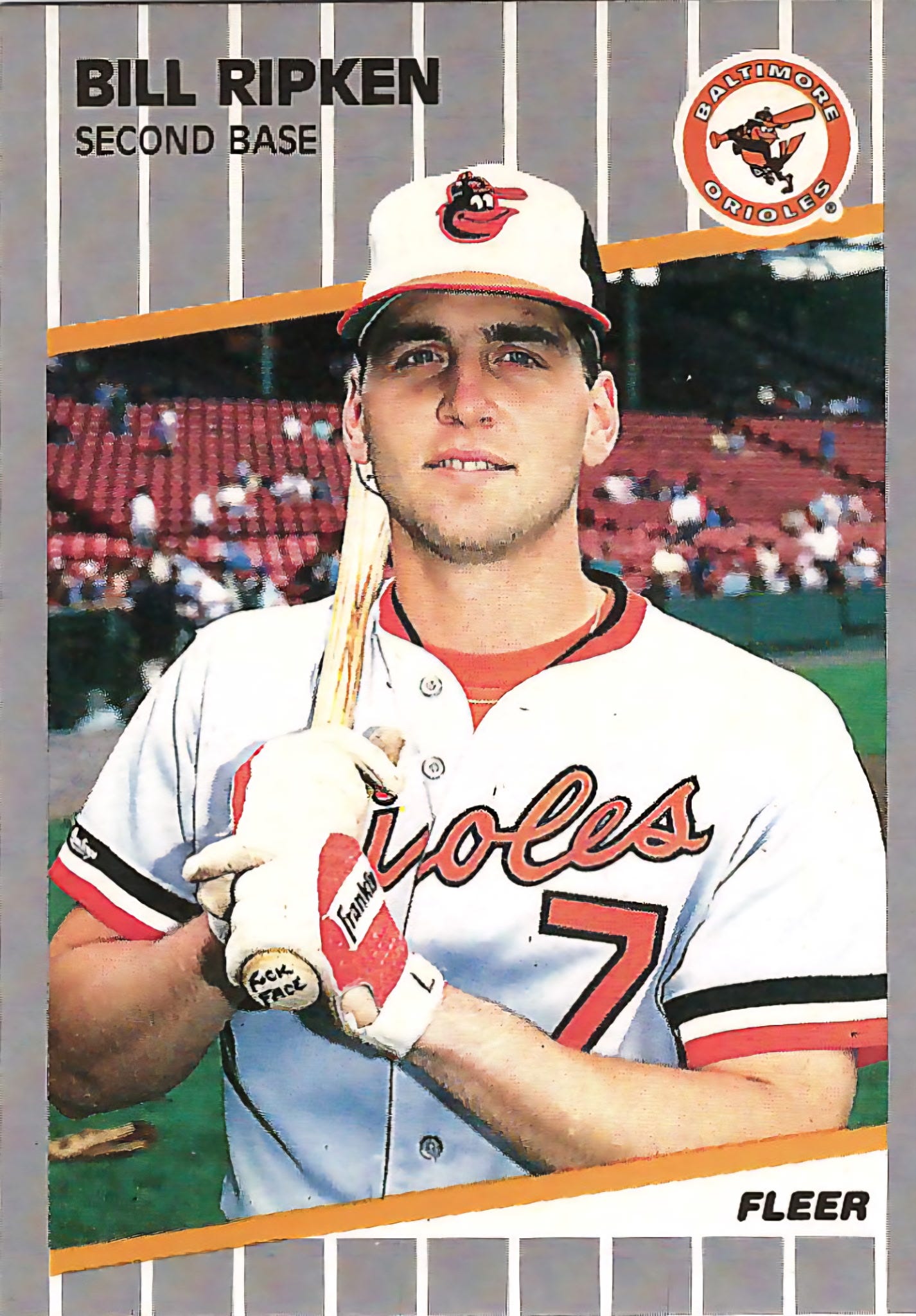
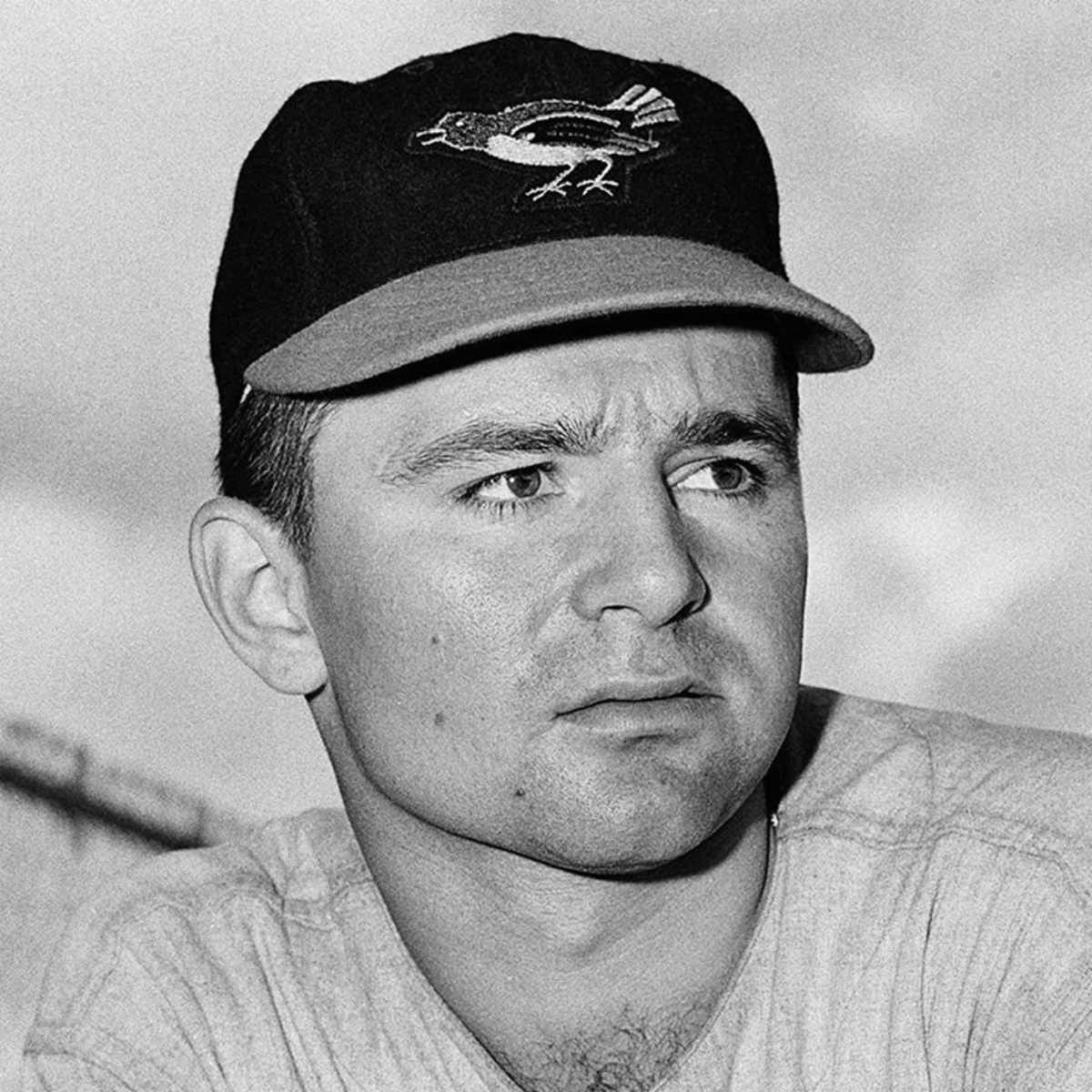
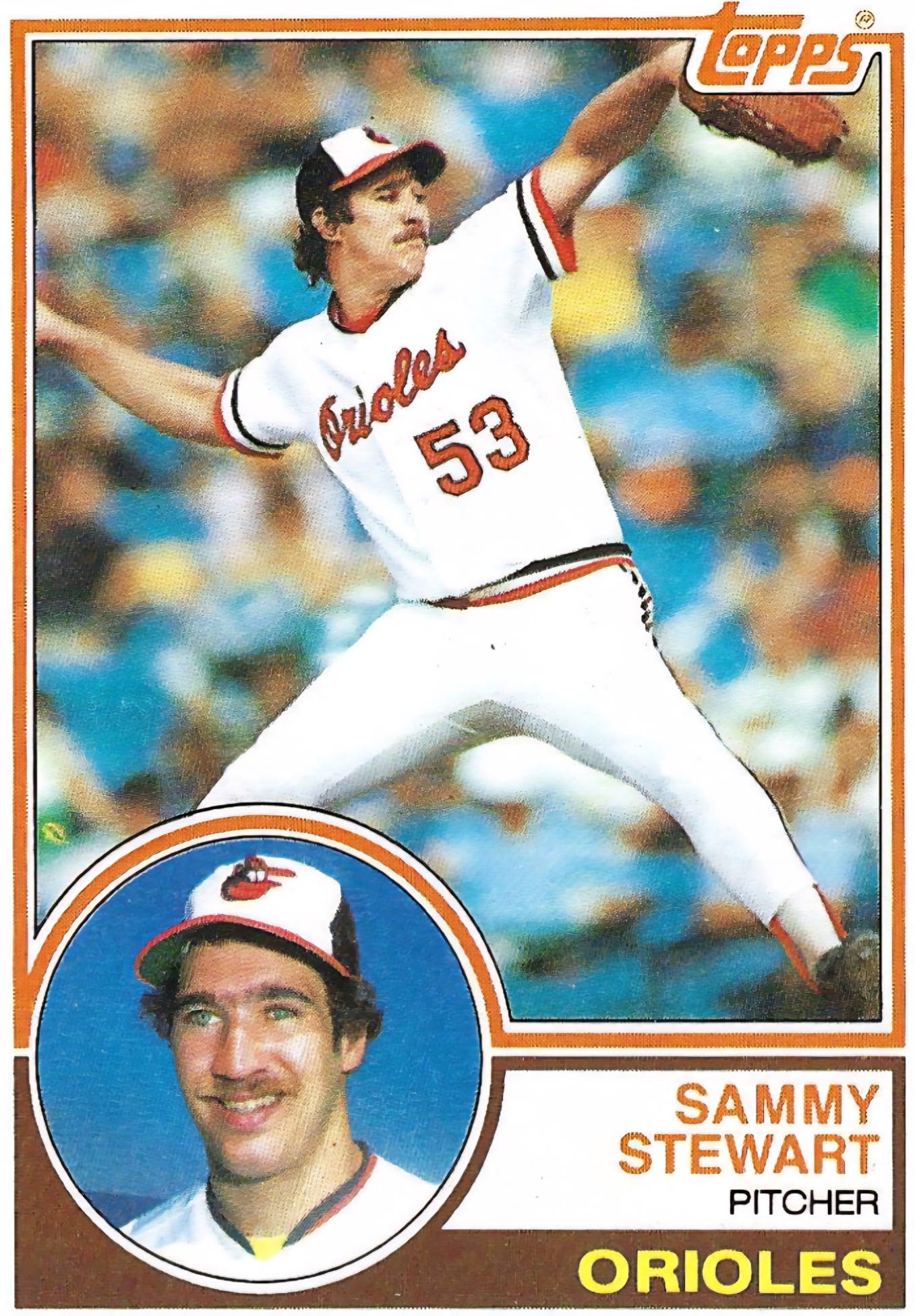
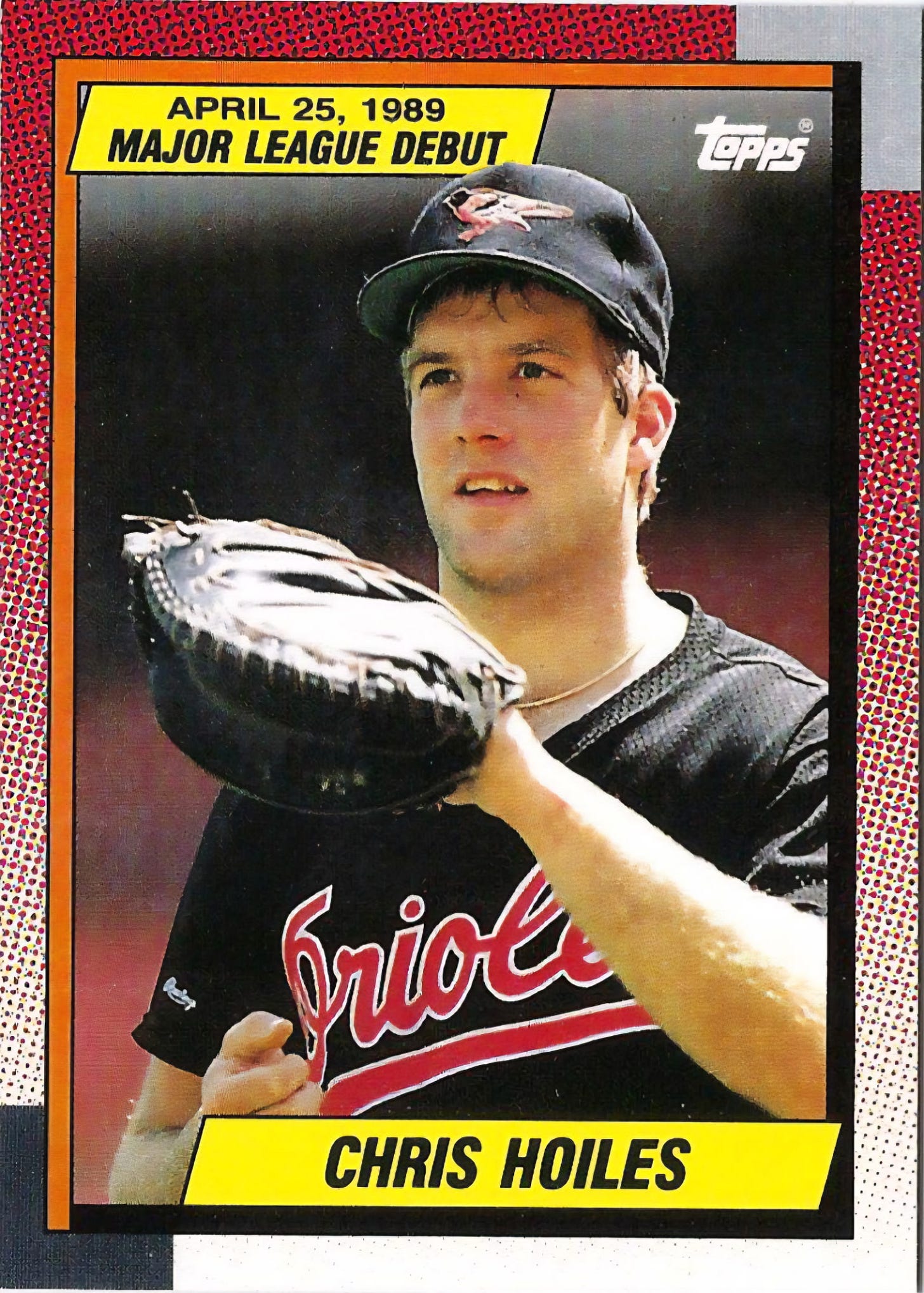
He admitted years later that he wrote the expletive on the knob. But he forgot it was there when he posed for a baseball card photographer before a game at Fenway Park.
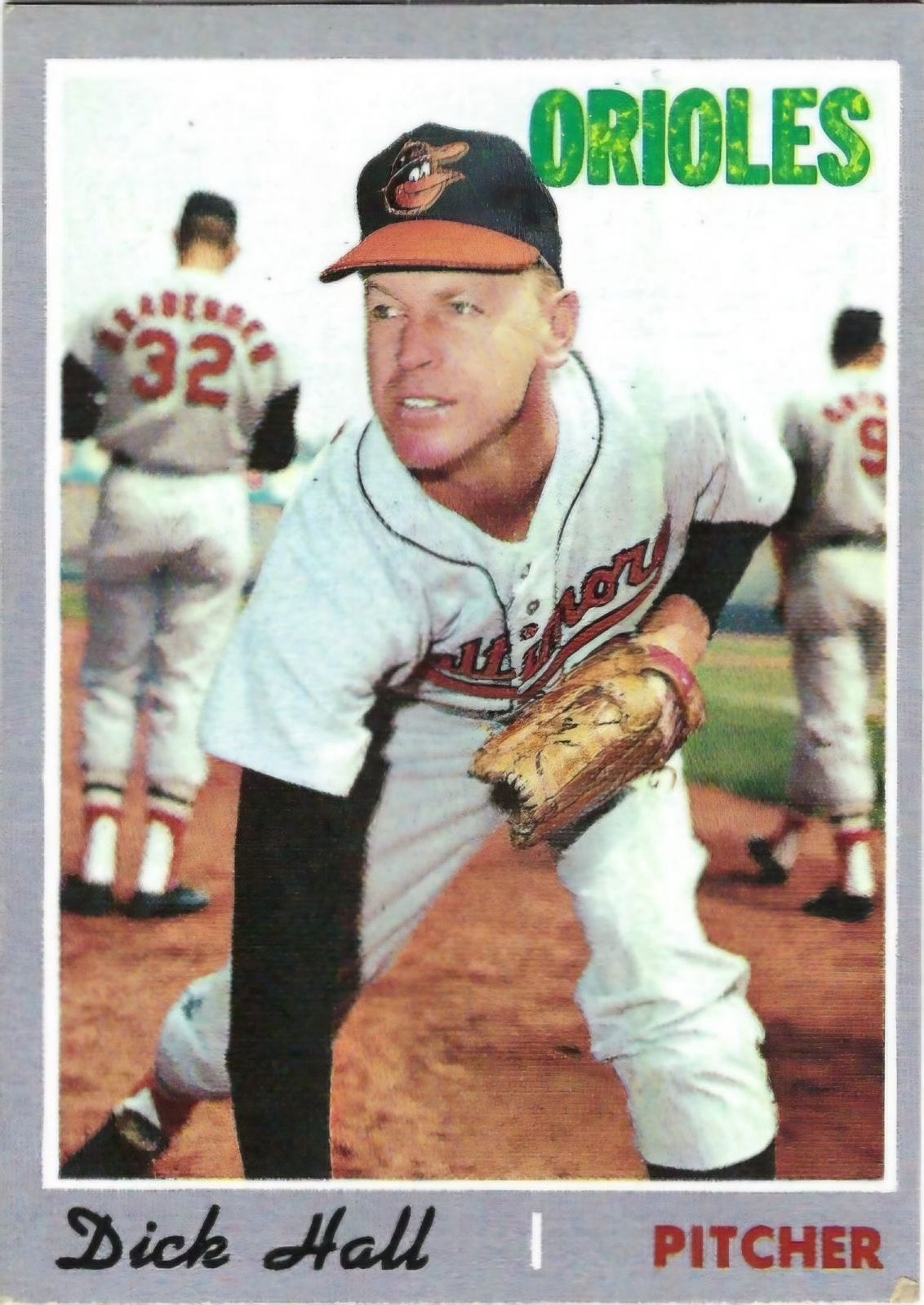
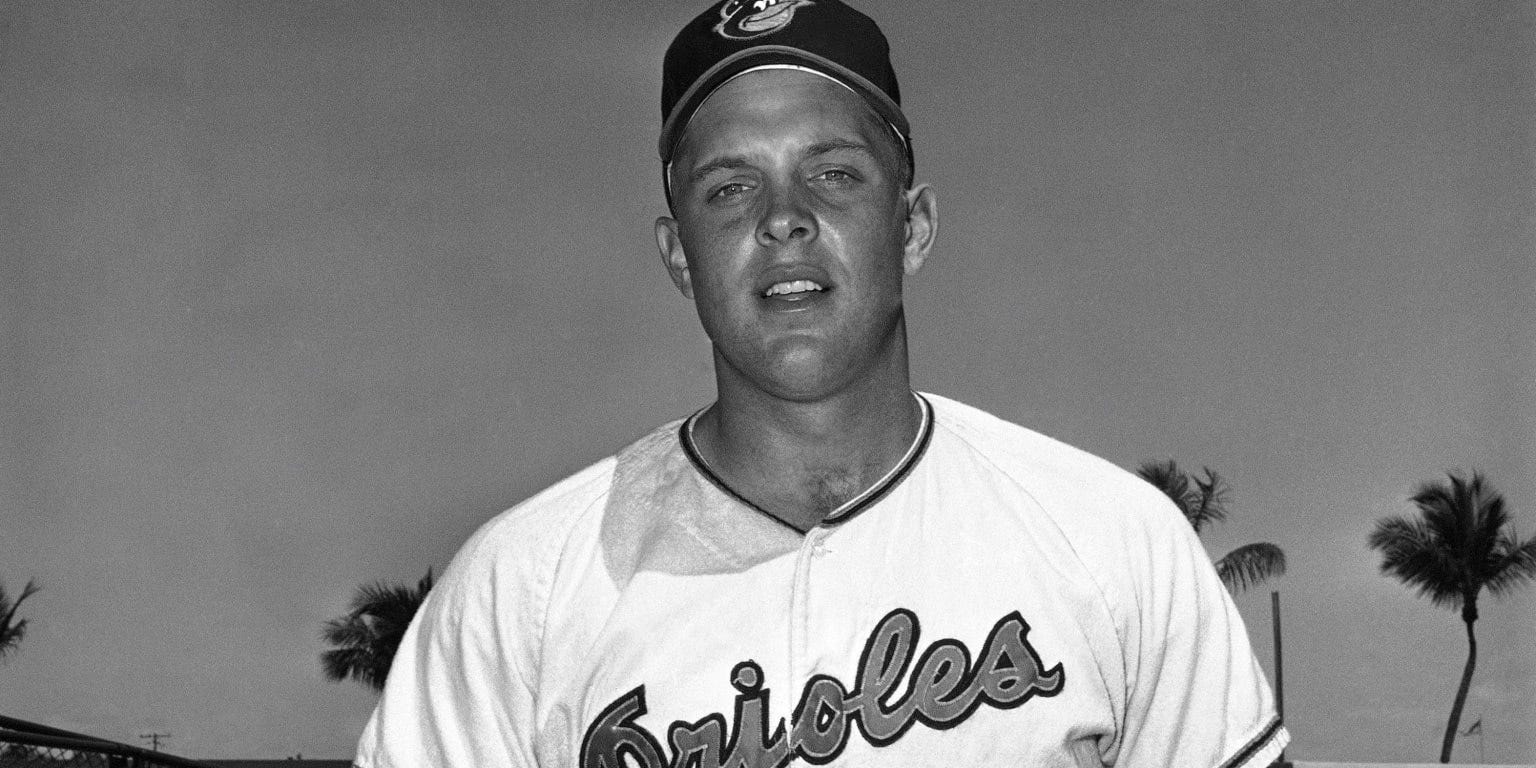
It took him years to find his path in professional baseball, but once he did, he used astoundingly good control to become an elite relief pitcher on winning Baltimore clubs.
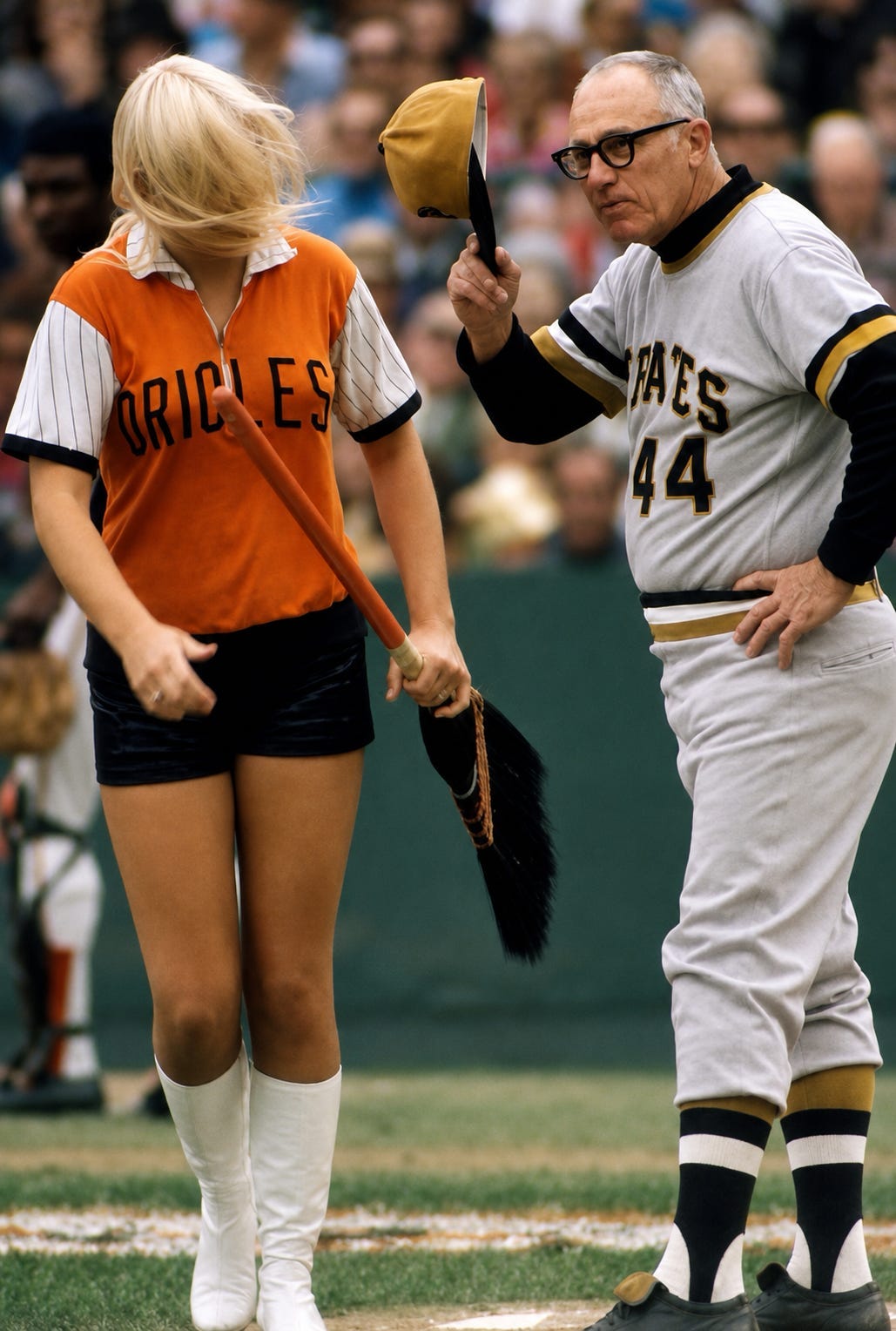
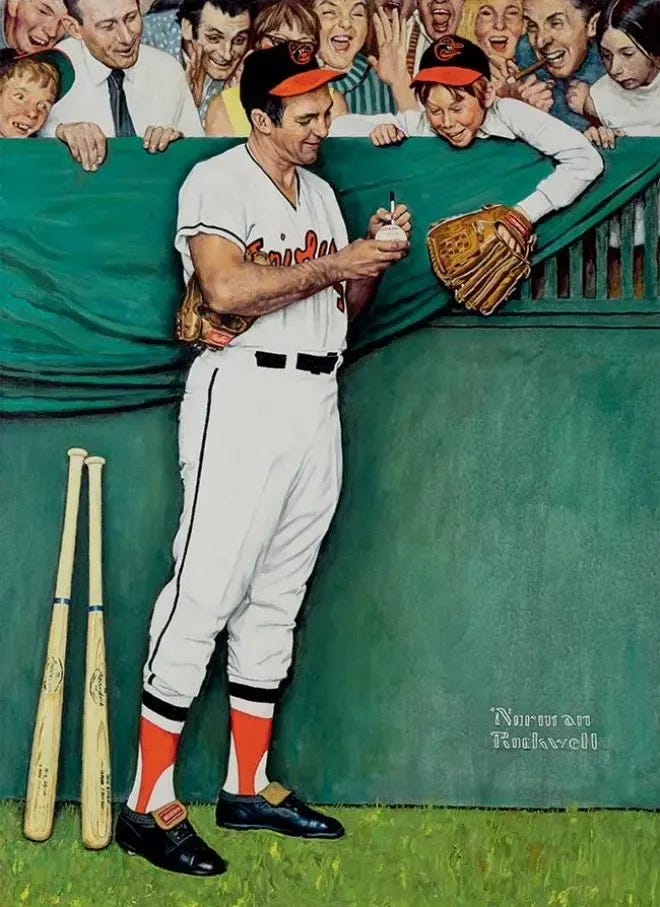
In the years when games at Memorial Stadium felt like a family affair, a Baltimore police lieutenant's daughter became everyone's kid sister. A classic photo evokes the era.
In an episode available to all subscribers, the retired broadcaster chronicles his journey from a blue-collar Baltimore childhood to his quarter-century as ‘Voice of the Orioles.’
So many of Steve Dalkowski’s former teammates told wild tales about him that I devoted an entire chapter to him in my Orioles history book even though he never played for the Orioles.
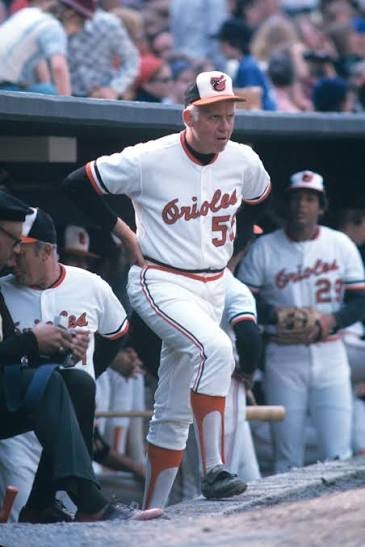
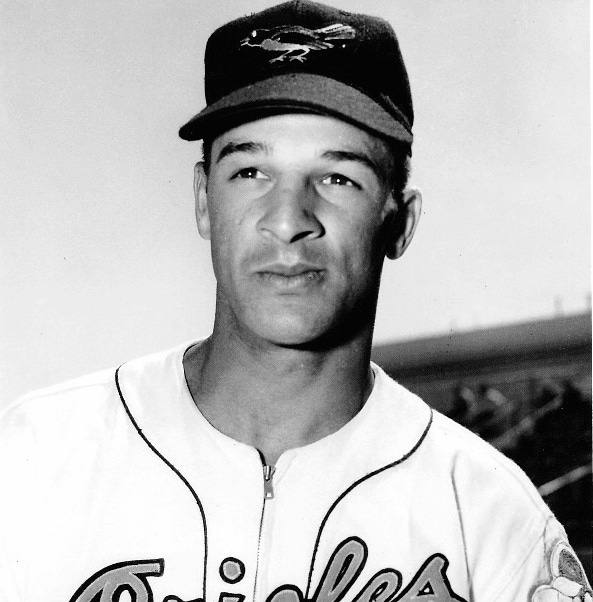
Before he was a coach for 14 years under Hank Bauer and Earl Weaver, he was the Orioles' first shortstop. He recalls the Birds' first season in Baltimore, when they lost 100 games and no one cared.
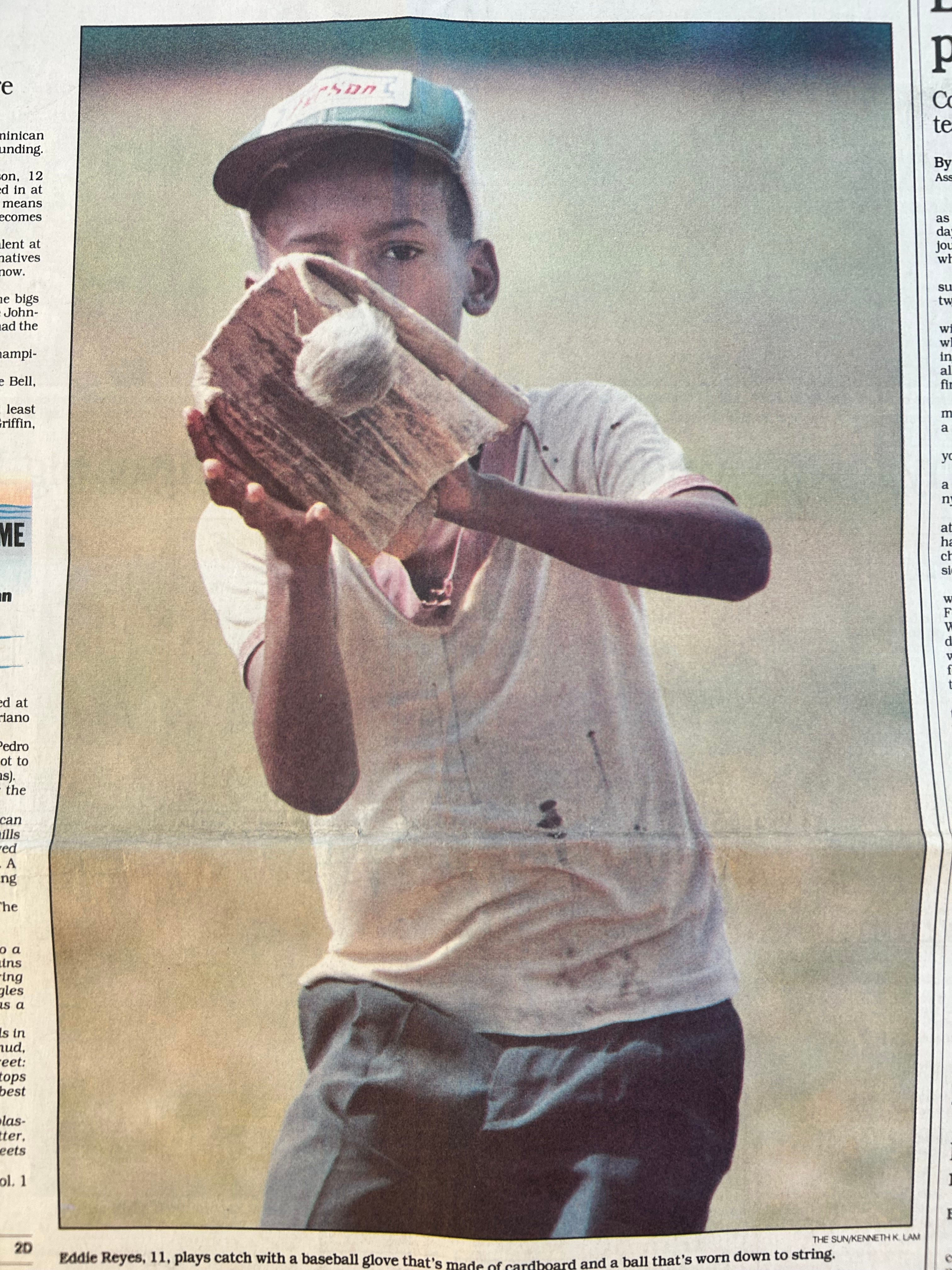
A poignant photo accompanying my 1991 article about baseball in the Dominican Republic was the inspiration behind an equipment donation campaign that endures to this day.
I went there to write about the Orioles' scouting efforts. It was an unforgettable trip. This post includes an audiobook-style reading of my award-winning article, available to all subscribers.
He was a pitching stalwart on terrific Oriole teams before a drug habit shattered his life. Click the play button to hear me read a 2006 article I wrote about his fall. Available to all subscribers.
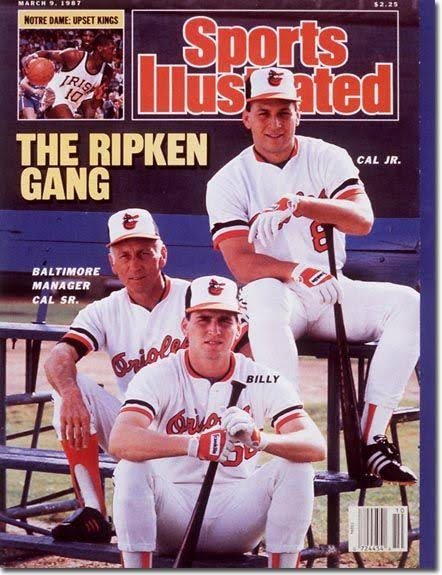
It's not right to recall him strictly as the Ironman's younger brother. He played 12 seasons in the major leagues. He was part of 577 double plays. That's a lot.
When a non-roster invitee to spring training started in centerfield for the Orioles on Opening Day in 1956, it was the beginning of one of baseball's most enduring family dynasties.
He wasn't going to talk to me for my book on Orioles history. Then he changed his mind and we spoke for two hours. Here's a rare chance to hear the late owner's version of a tumultuous time.
In Part 2 of a revealing interview, the media relations executive recalls his tumultuous decade with the Orioles, when everything kept changing -- the owner, the ballpark, the manager, you name it.
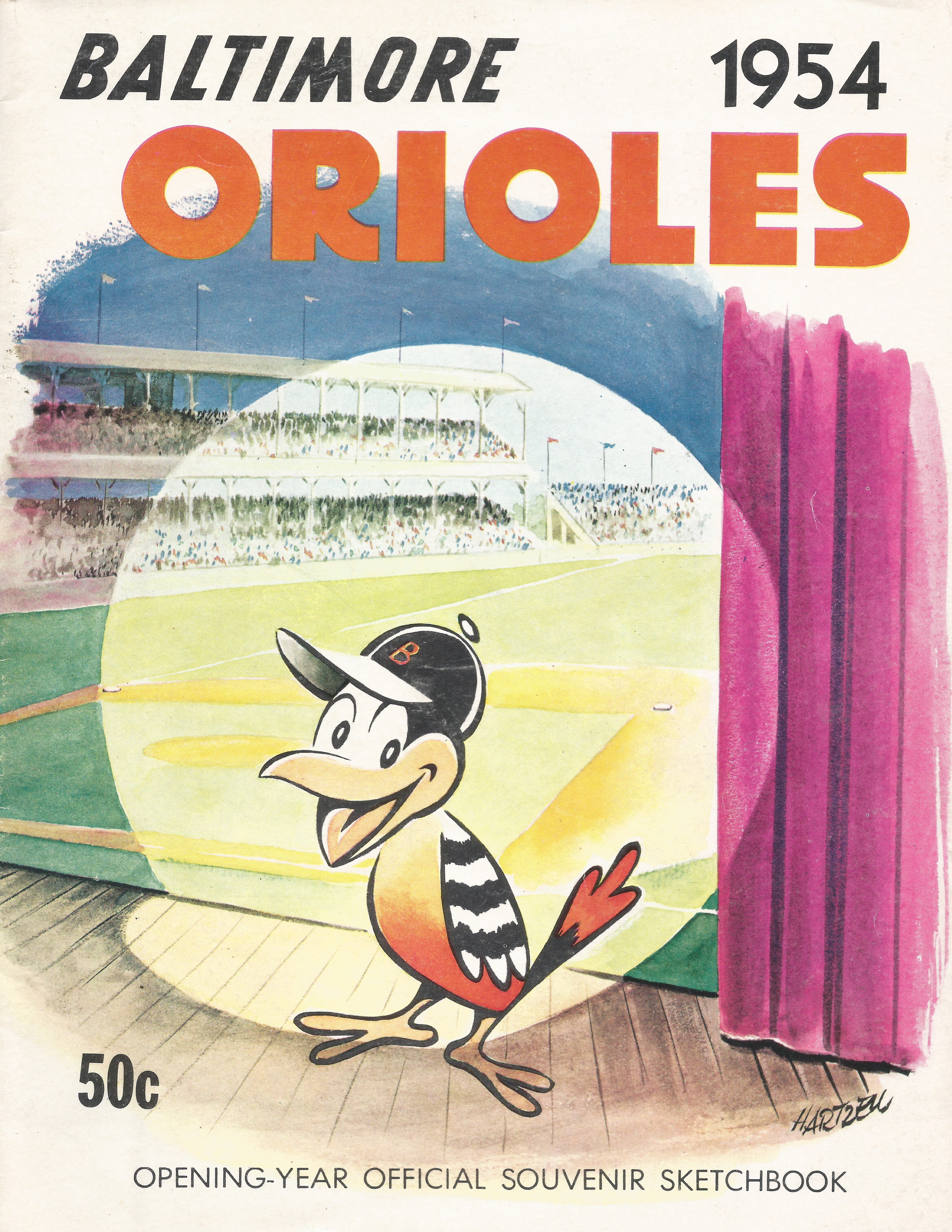
Dick Armstrong, an innovative young publicist, and Jim Hartzell, a newspaper cartoonist, were the key figures in introducing an image for the Orioles that still resonates seven decades later.
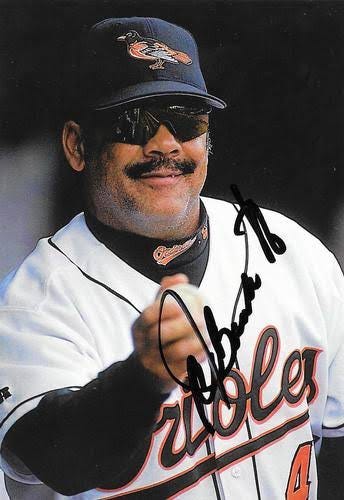
In the second half of a recent conversation, the rugged catcher from the early years of Camden Yards recalls his role on some of the most talented teams the Orioles have ever assembled.
New annual subscriptions to the Bird Tapes will be discounted all week. And a terrific documentary about the building of Camden Yards is showing on MASN this month.
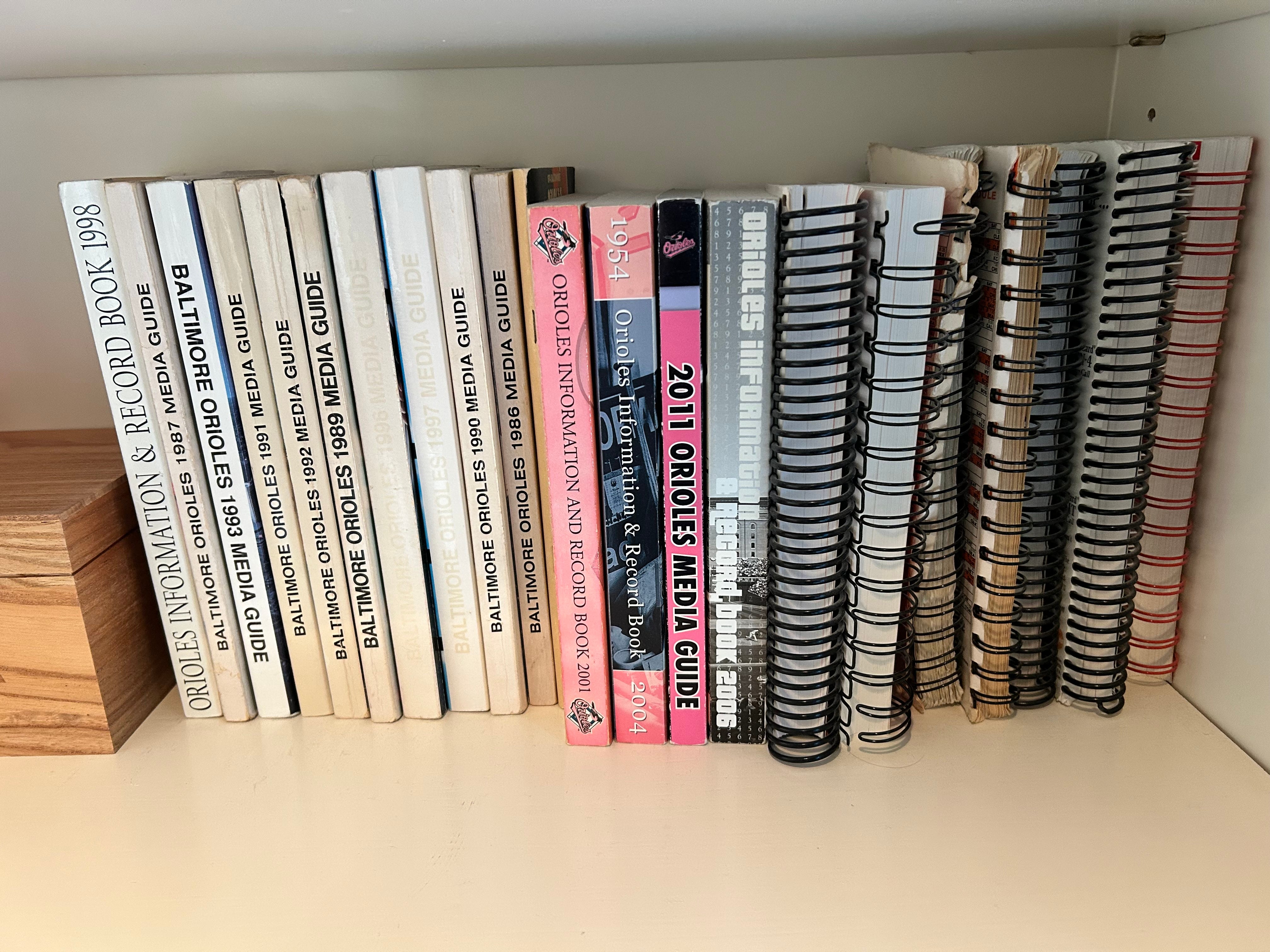
When I wrote a book on Orioles history more than a quarter-century ago, I couldn't summon information with just a couple of clicks. Believe it or not, I managed.