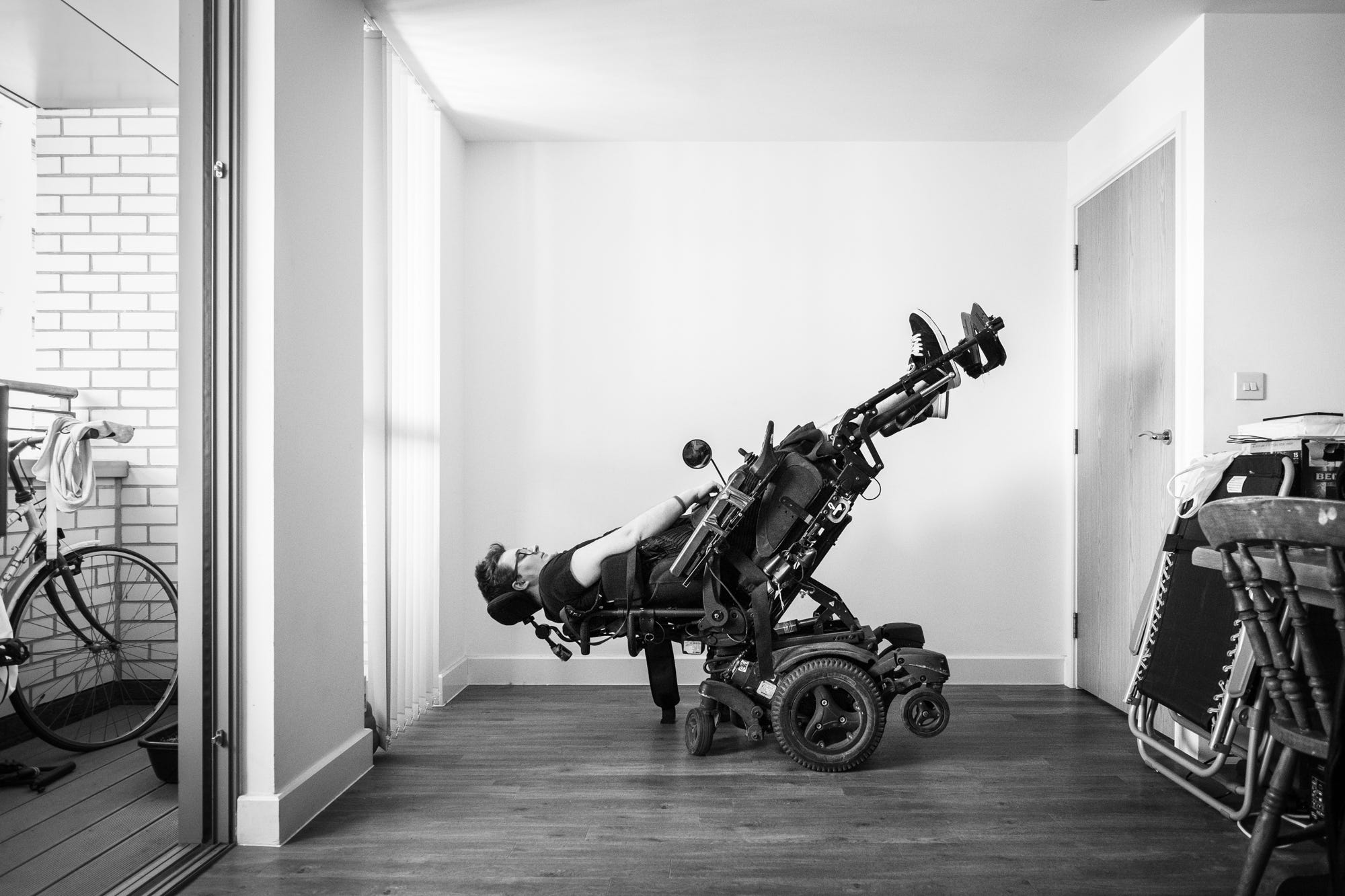
Wheelchair Myths
Why we're not all the same, and the things we believe about each other

Disabled and queer cultural leader, Artistic Director at CRIPtic Arts. Reading, thinking and writing about arts and culture, disability, technology, and more.
Live Last read · last published · next check
Why we're not all the same, and the things we believe about each other
In a revolutionary manner, this made disabled people the experts on our own oppression. We were no longer patients solely to be assessed, managed, and rehabilitated into a normal world.
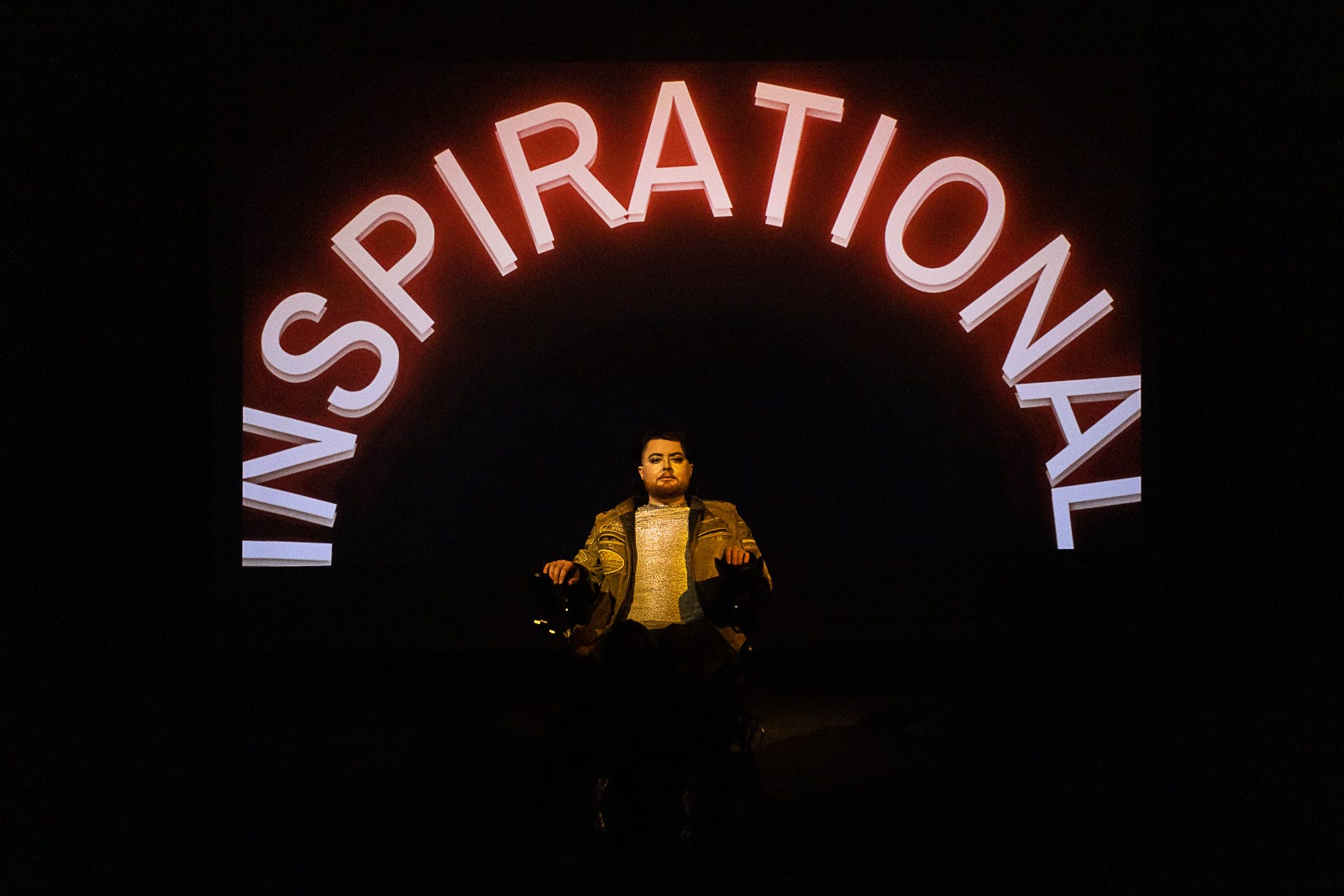
And that’s the story I tell myself, to give me agency - that I am trading on being inspirational out of choice.
I am so often classified. I’ve been called inspirational for the simplest things. There's a short set of roles, and we’re assigned one of these - but the role we're given is rarely "human".
Safety is priced out of our reach. The heat is the result of human action, but the poverty and inability to afford what would be needed to manage the heat are the result of society’s decisions.
I sometimes try and add up my costs to the state. Inevitably, I reach a point where I have to stop.
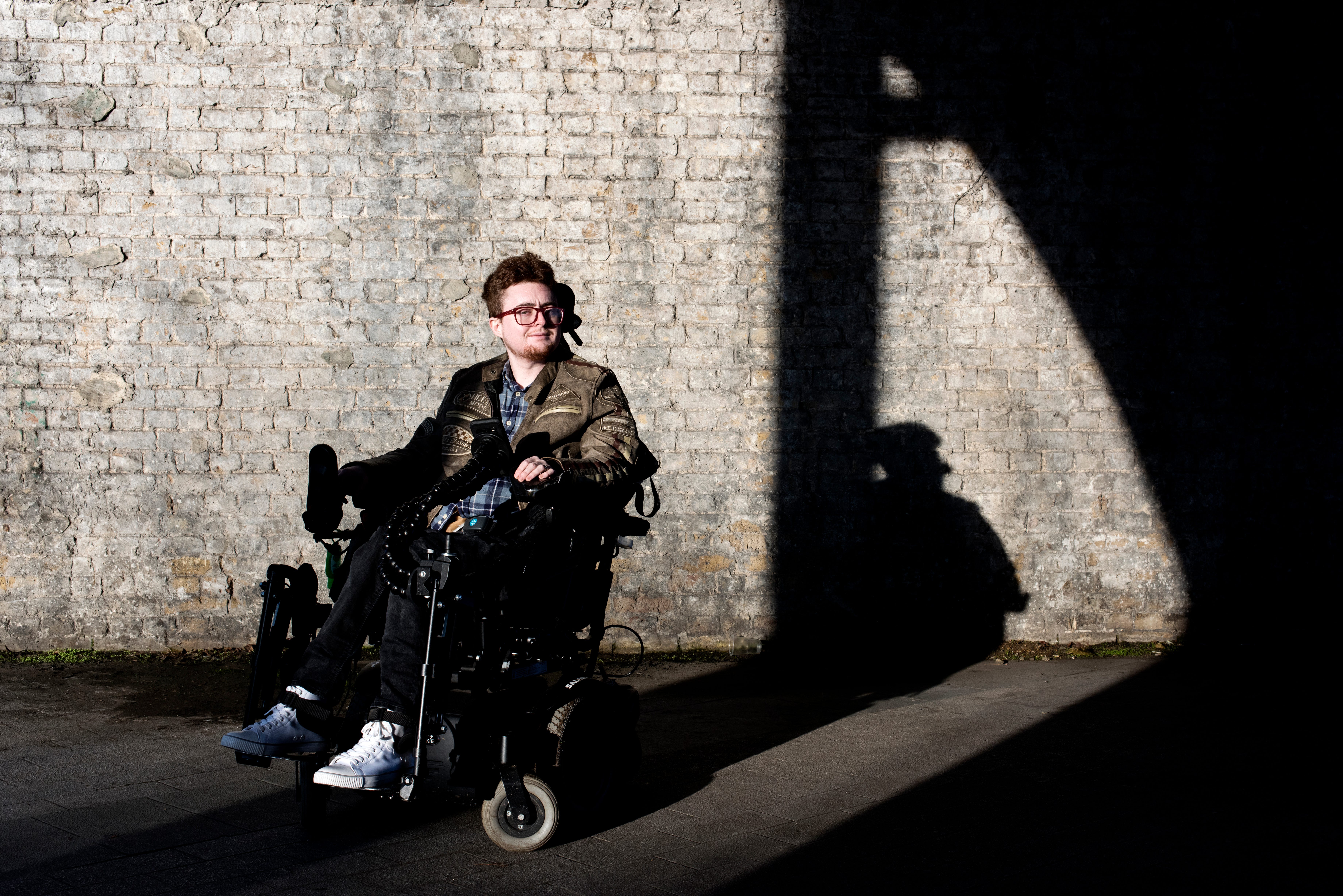
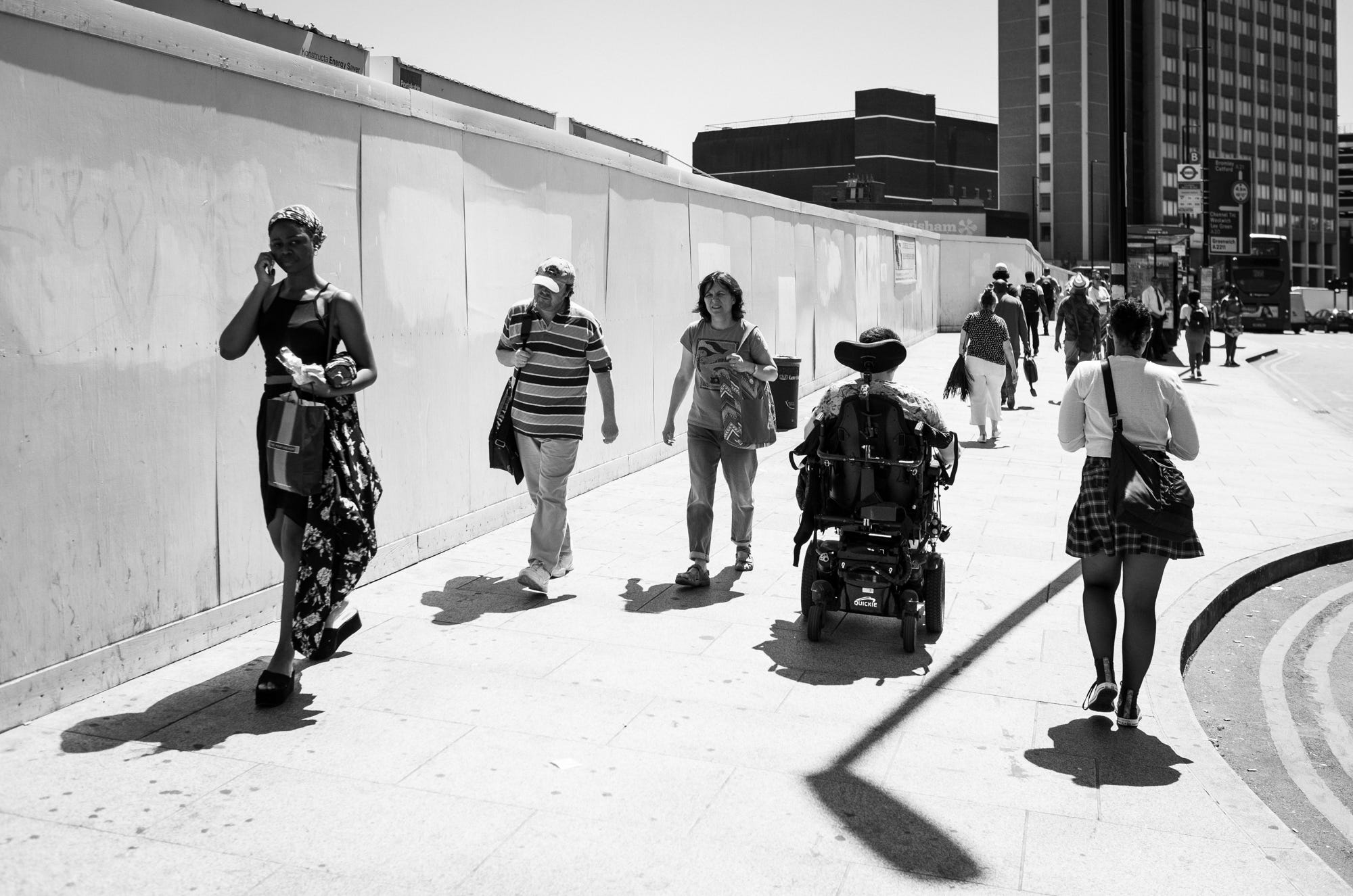
I went for a walk last night. Or at least, technically, I didn’t go for a walk, because technically I can’t walk. So I suppose, technically, I went for a wheel last night instead.
Who do we list as 'disabled' and what are the implications of that? When we separate out Deaf, disabled and neurodivergent people, do we lose the expansive community that 'disabled' can hold?
My neurocognitive impairments make my future self an unreliable stranger. What strategies do I use to work under those conditions?
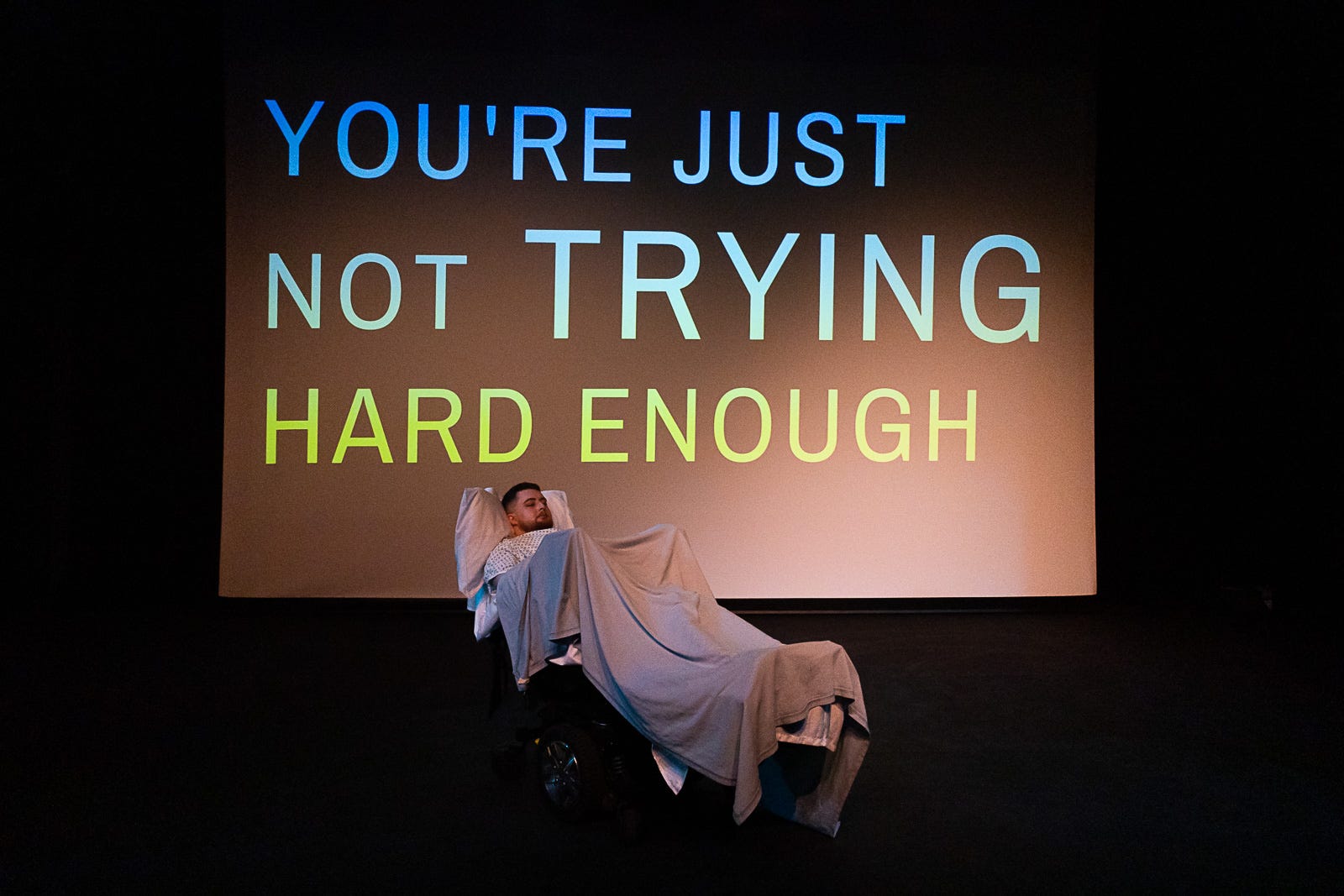
Next time you look at a disabled person and think we might be lazy or slow, stop and consider the unpaid labour in the background that we have to complete to survive.
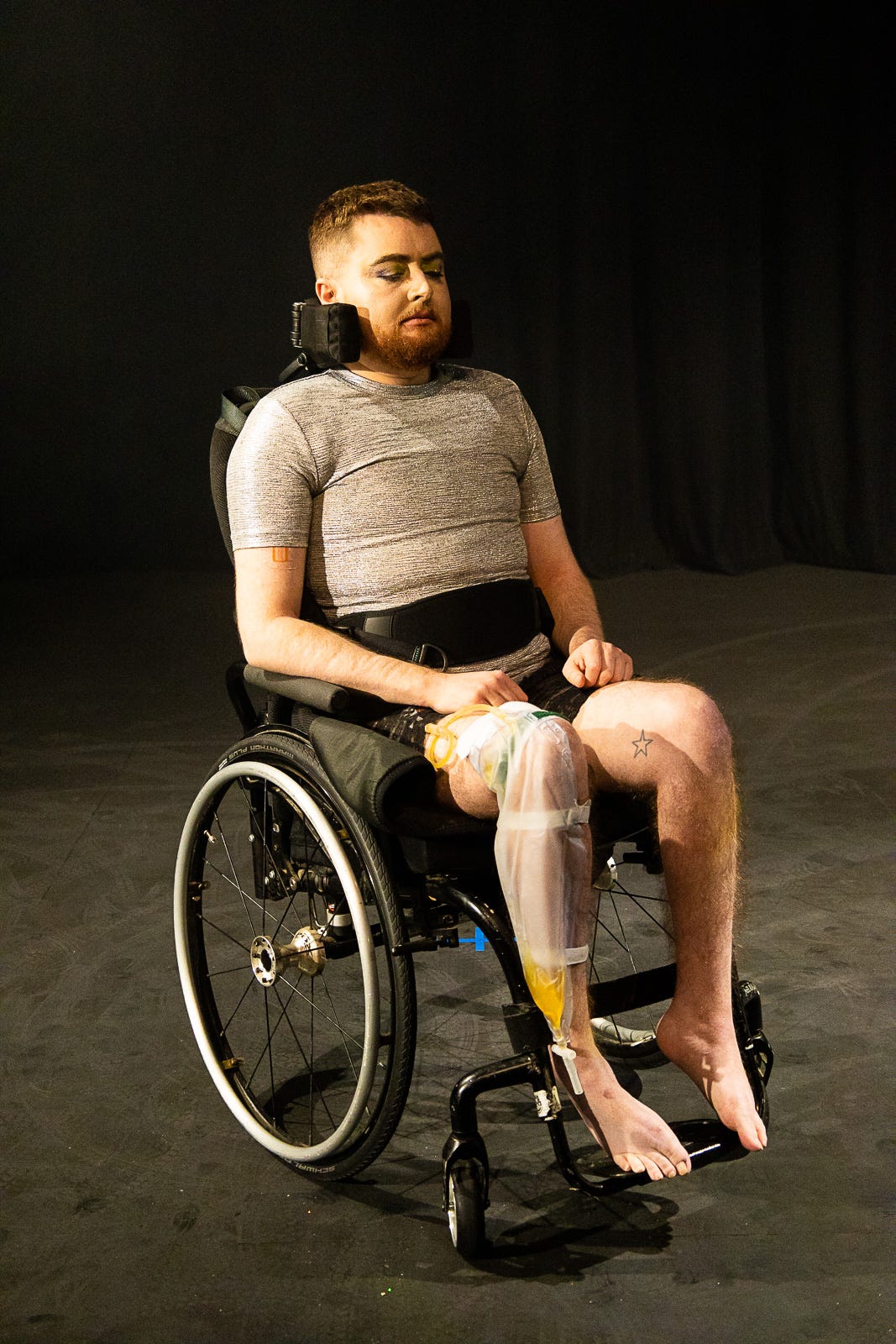
Disabled and trans people share a refusal to allow us to define our own experiences. We are all defined first and foremost in medical terminology designed to break us down and categorise us.
When I think about crip freedom, I think not about the abolishment of impairment, or even of losing disablement completely, but instead about experiencing space without constant negotiation.
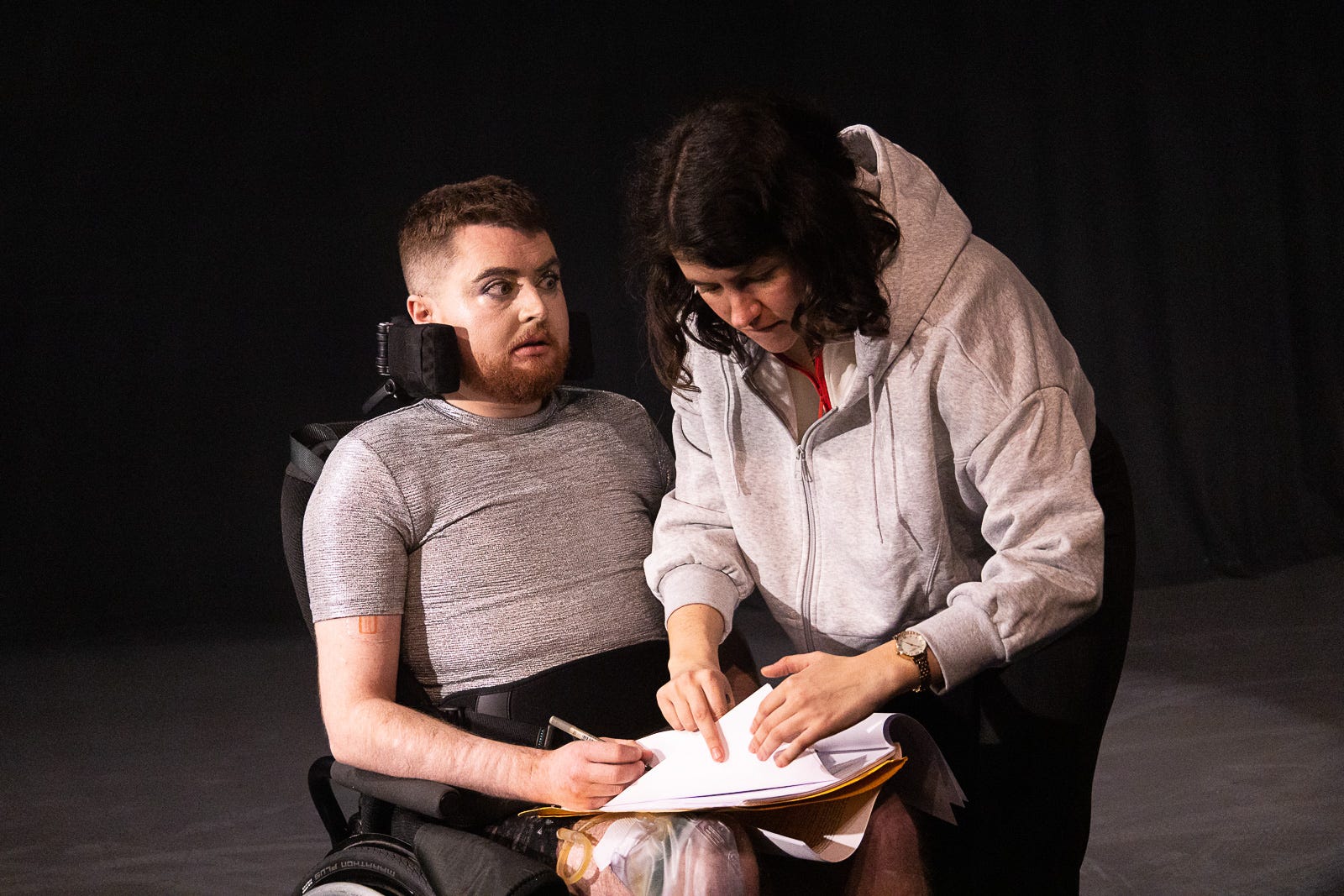
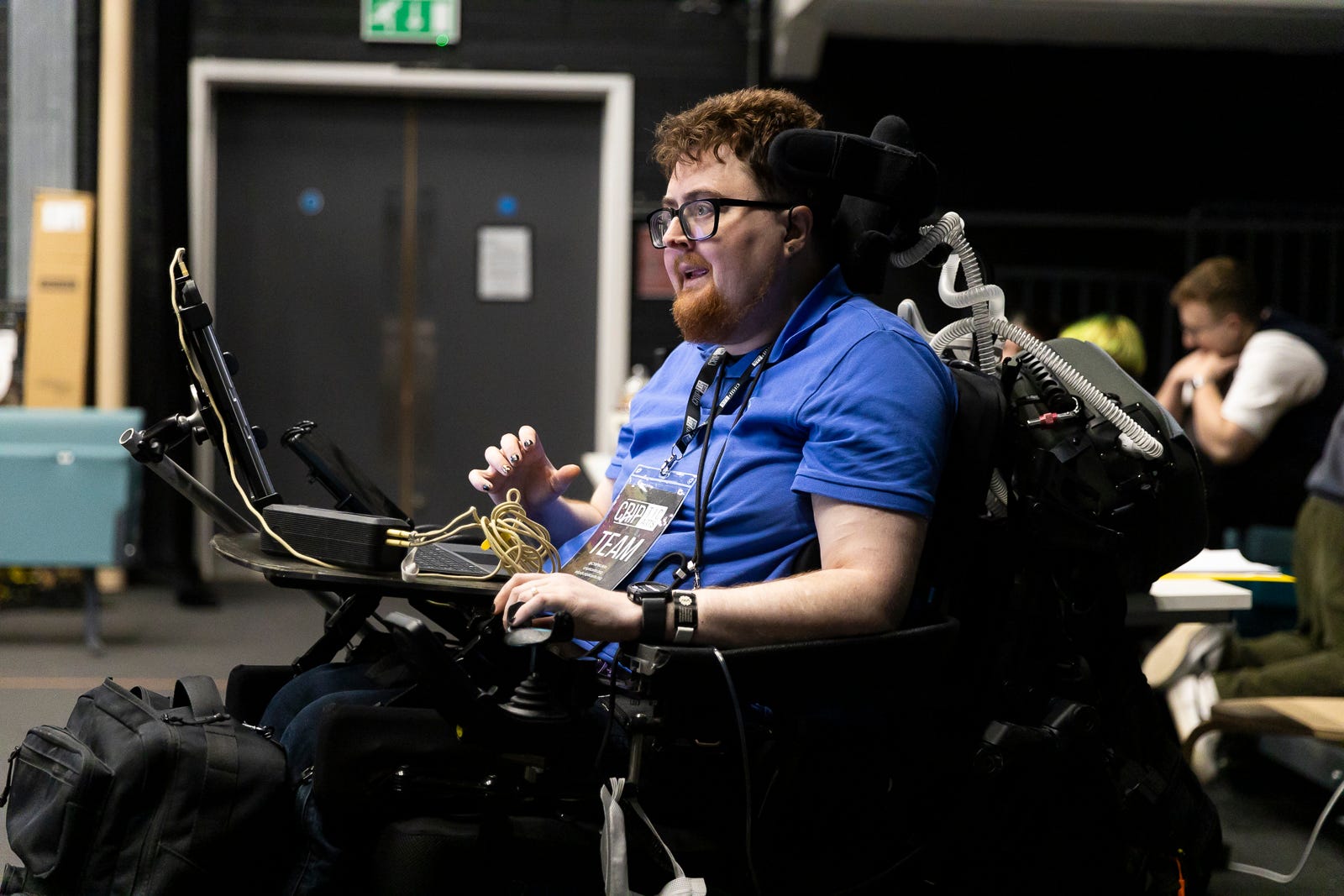
I am probably here in my career partly because I am the disabled director.