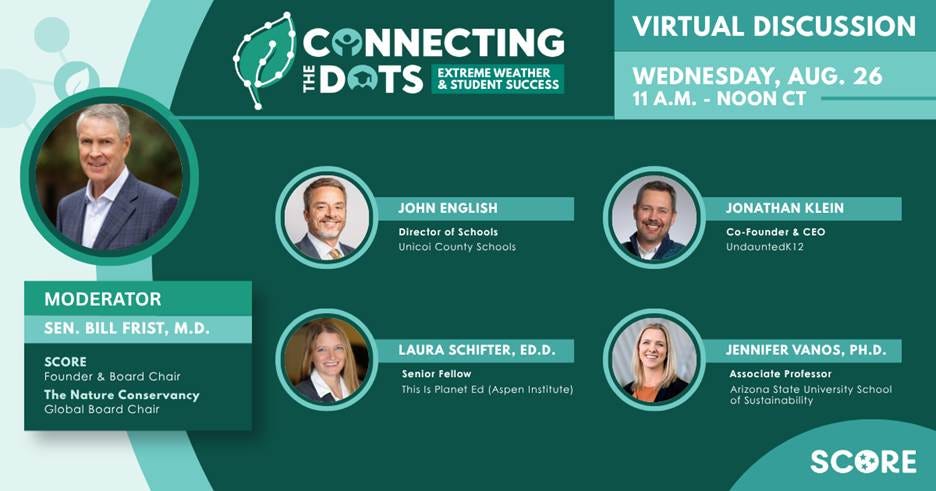
Join me for Connecting the Dots: Extreme Weather & Student Success
According to new data out this week from the National Oceanic and Atmospheric Administration, this past July was the hottest month on record in the contiguous U.S.

All about nature, the changing climate, biodiversity, and unstable weather patterns through the lens of human health.
Subscribe:.rss.atom.json.md.m3u.pls
Live Last read · last published · next check
Saves to your Listen queue, to pick up on another day or another device.
According to new data out this week from the National Oceanic and Atmospheric Administration, this past July was the hottest month on record in the contiguous U.S.
Myth: “If we just cut calories, fat, and sugar, we’ll become healthier.”
Insights from the Vanderbilt 20th Annual Healthcare Design + Construction Symposium
Forests are health infrastructure.
Even short-term spikes in air pollution can affect developing bodies and brains, with implications for attention, memory, and long-term health.
People often assume enduring institutions begin with strategic plans, fundraising campaigns, or grand visions.
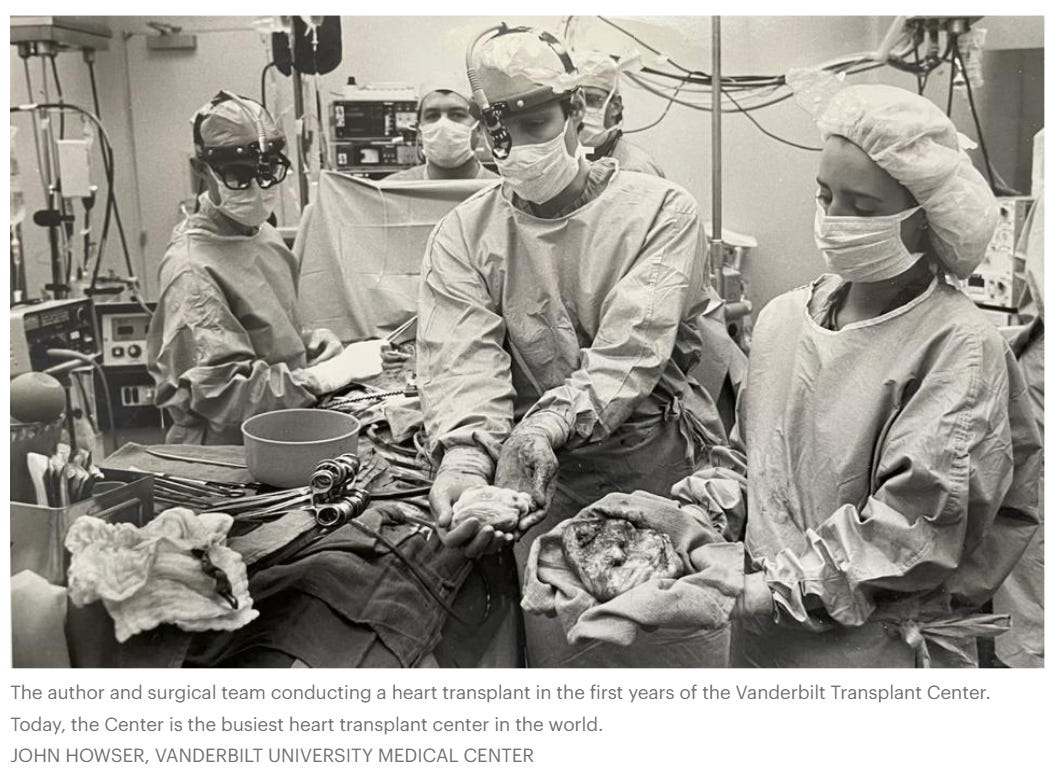
As a heart and lung transplant surgeon, I spent years caring for patients at the most critical moments of their lives.
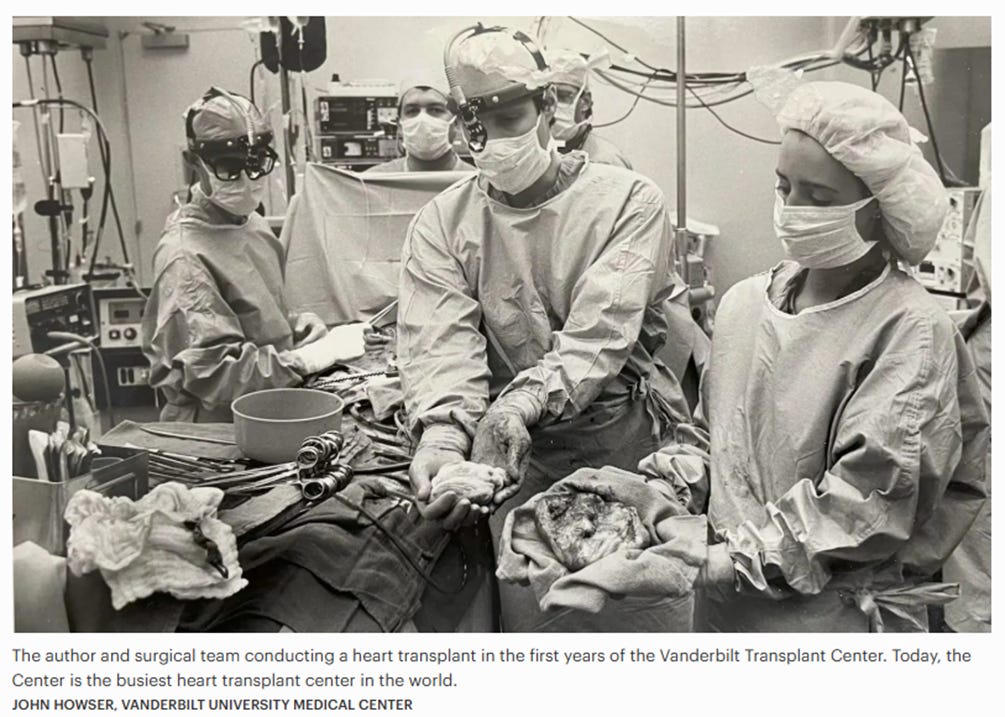
Last weekend, I opened a grand commemoration of the milestone Vanderbilt University becoming the most active organ transplant center in the United States.
Watch now | Extreme weather has always existed, but climate change is making many events more intense, disruptive, and dangerous for human health.
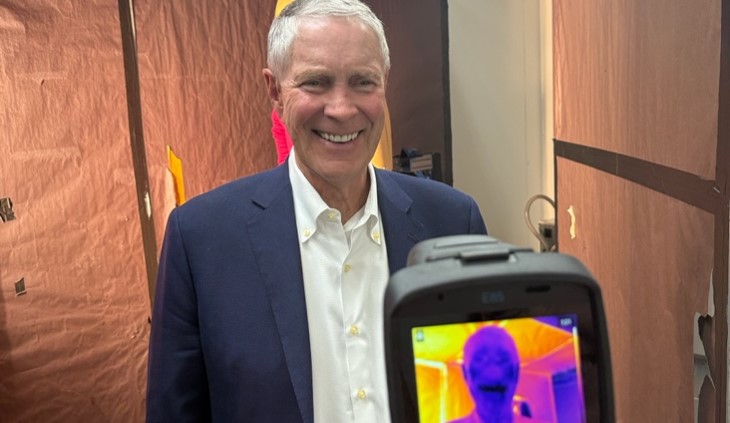
Notes from Phoenix, where researchers and city leaders are turning extreme heat into something we can measure, understand, and prevent.
Over the past several years, employers have navigated one workforce disruption after another: a global pandemic, labor shortages, supply chain instability, rising healthcare costs, and evolving expectations around workplace flexibility.
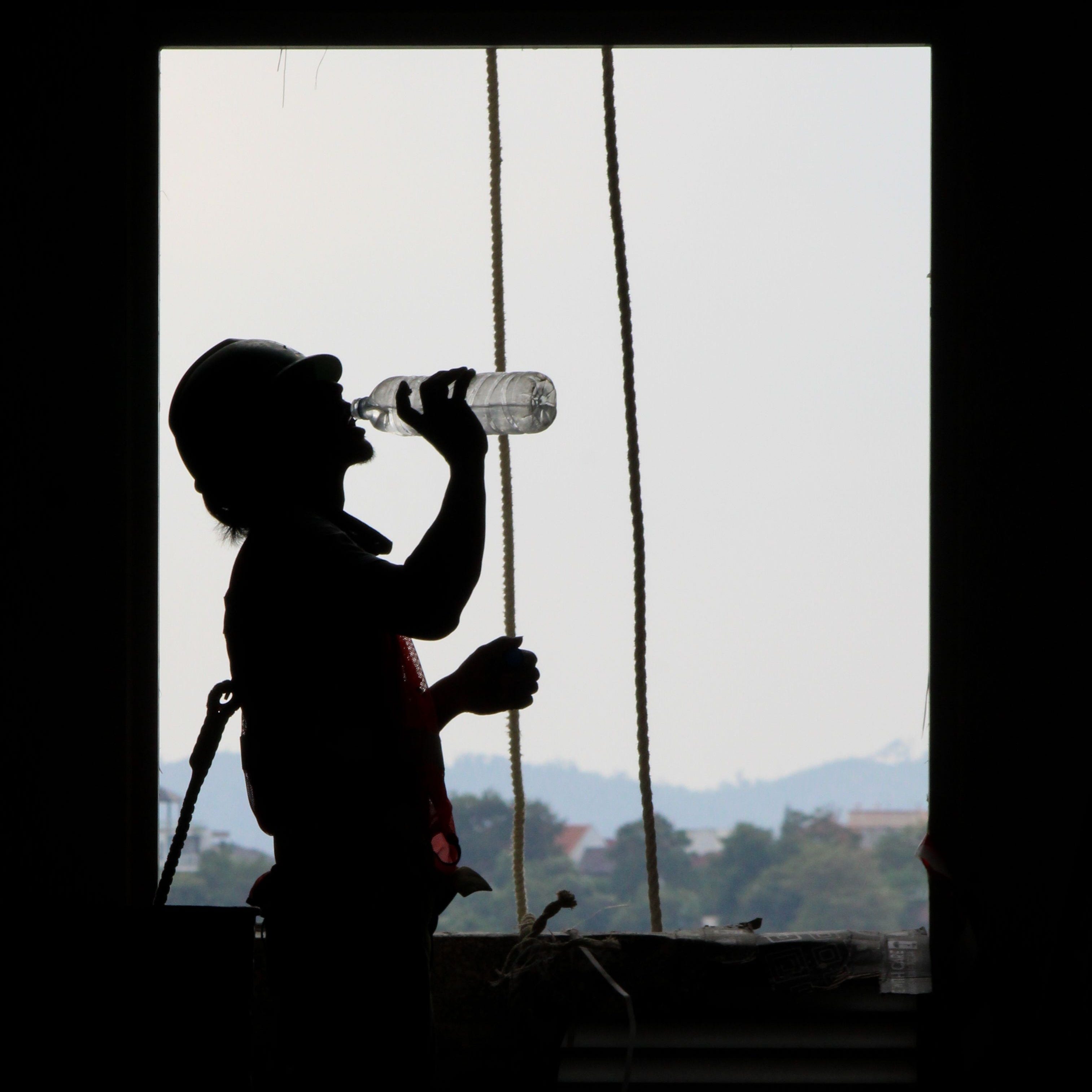
Heat and dehydration can strain the kidneys.
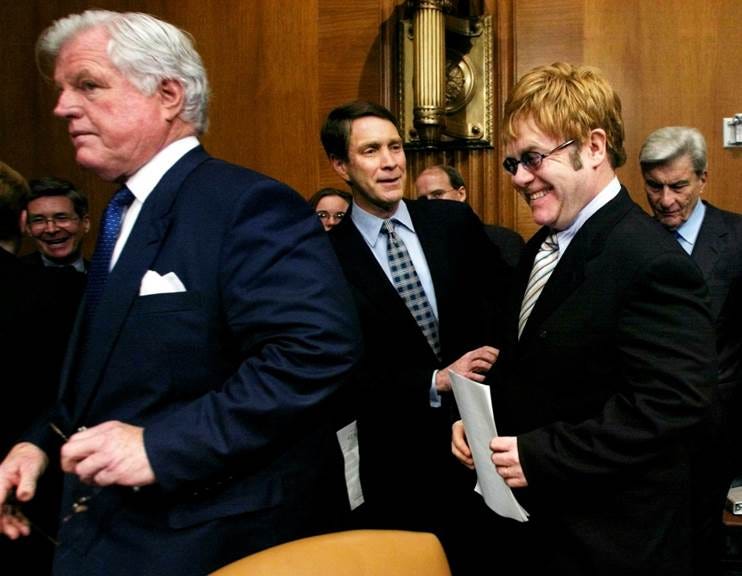
Earlier this month, I joined Sir Elton John in a USA Today opinion piece calling for a renewed commitment to ending one of the world’s deadliest and most persistent diseases: HIV/AIDS.
I spent much of my life looking inside the human body.
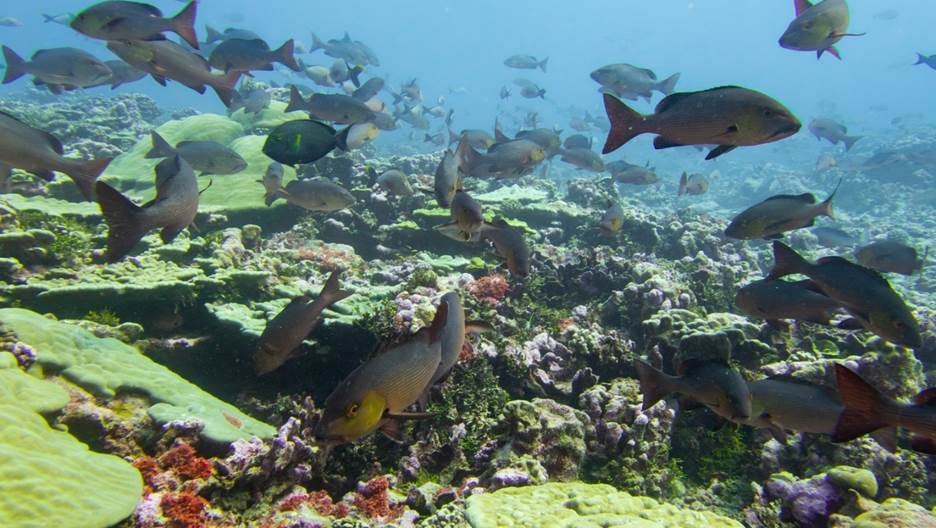
Today, on World Ocean Day, I’m sharing a reflection I wrote about the profound connection between ocean health and human health—and why protecting our oceans matters to every one of us.
Watch now | Myth: “Biodiversity mainly affects wildlife.
I’m sharing below one of the most popular articles I’ve written in the last five years.
Myth: “Allergies and Pollen Aren’t Impacted by Global Warming.”
Twenty-three years ago tomorrow, Republicans and Democrats came together to enact the U.S.
Myth: “Ocean health is about whales and coral reefs.”