
Over the past several years, employers have navigated one workforce disruption after another: a global pandemic, labor shortages, supply chain instability, rising healthcare costs, and evolving expectations around workplace flexibility.
Now another challenge is emerging—one that many organizations remain unprepared for.
Thanks for reading A Second Opinion! Subscribe for free to receive new posts and support my work.
Extreme weather.
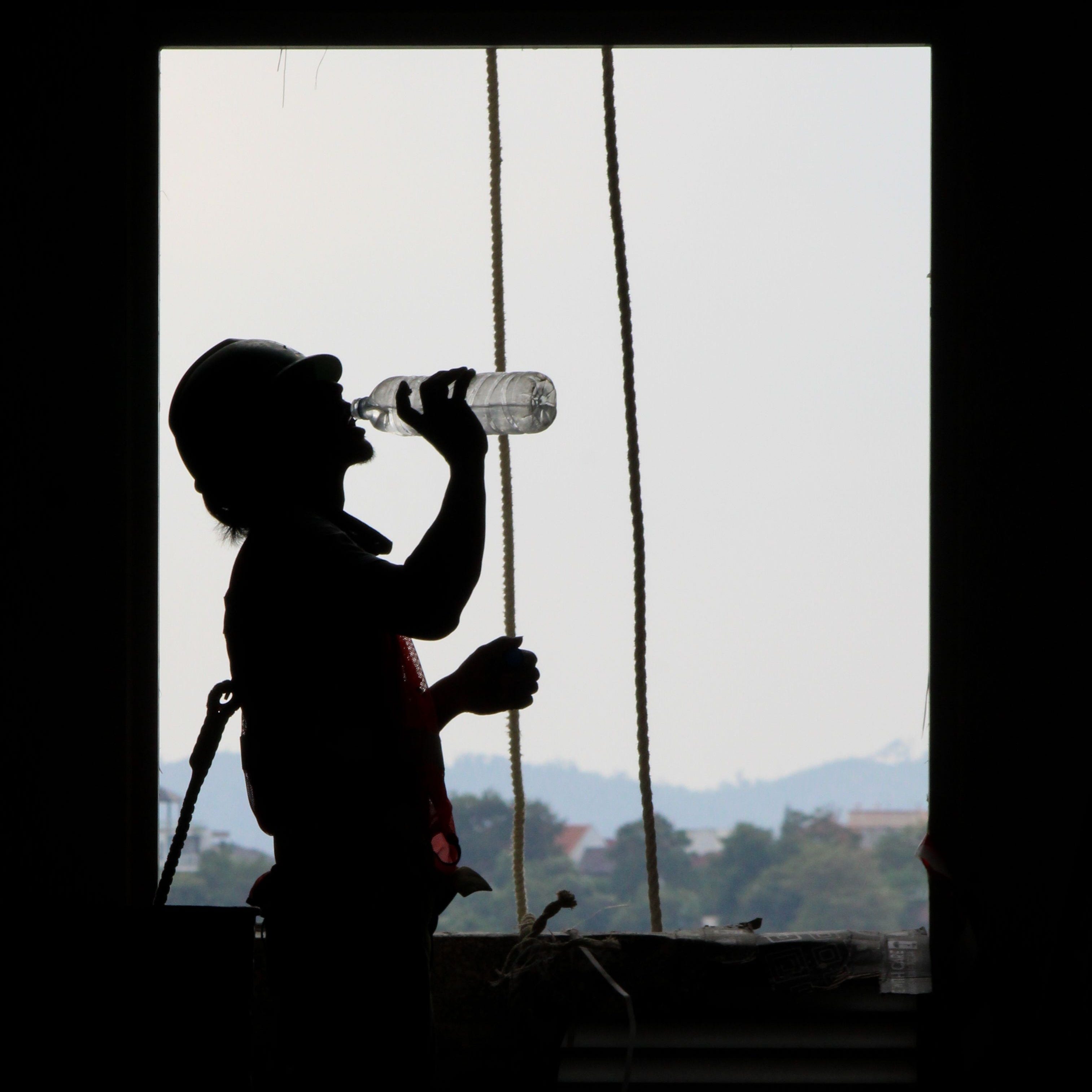
For too long, hurricanes, floods, heat waves, wildfires, and severe storms have been viewed primarily as environmental concerns. More recently, we have begun to recognize them as public health challenges. But for employers, they have become something even more immediate: workforce challenges.
The numbers are difficult to ignore. More than four in five American workers report experiencing at least one weather-related disruption on the job in the past year. Nearly two-thirds say those disruptions affected their productivity. Yet only a small fraction of employers – four percent – have assessed the weather-related risks facing their workforce.
This gap between exposure and preparedness should concern every business leader.
When we think about extreme weather, we often focus on damaged buildings, flooded roads, or disrupted supply chains. Those costs are real. But there is another set of costs that receives far less attention: missed workdays, staffing instability, rising healthcare expenses, caregiver strain, and mental health challenges.
The weather risk is increasingly a people risk.
A heat wave may begin as a safety concern for outdoor workers. But it quickly becomes a health issue when employees experience dehydration or cardiovascular stress. It becomes an absenteeism issue when schools close. It becomes a mental health issue when families face unsafe living conditions or financial hardship. And ultimately, it becomes a business continuity issue when staffing becomes unpredictable and operations slow.
We saw these cascading effects after Hurricane Helene struck the Southeast in 2024. Recovery was not simply about restoring infrastructure. It was about supporting workers and their families through weeks and months of disruption. The companies that recovered fastest were the ones that had already built flexibility into their leave, pay, and communication policies.
This is why preparedness can no longer sit solely within facilities management or emergency response planning. It must become part of workforce strategy.
Employers should begin by assessing where workers are most vulnerable, aligning HR and operational teams around preparedness plans, updating leave and communication policies, and listening directly to employees about the challenges they face.
The organizations that act now will be better positioned to protect their people, maintain operations, and reduce avoidable costs. Those that wait may find themselves reacting to one crisis after another.
Extreme weather is already reshaping how Americans live and work. Labor disruptions like extreme heat were estimated to cost $100 billion in 2021, a number that is expected to grow to $500 billion per year by 2050.
The question for business leaders is no longer whether it will affect their workforce. The question is whether they will be ready when it does.
For more information to help employers better prepare for the growing workforce impacts of extreme weather, the Health Action Alliance (HAA) recently launched Extreme Weather + Work, a new effort whose advisory board I serve on. The initiative offers free resources including a Climate Health Cost Forecaster, a Climate and Worker Health Scorecard, and role-specific leadership guides designed to help employers project costs and stay ahead of weather-related risks. Request more information about our growing membership coalition here.
This piece is adapted from my June 12th Forbes article, “Extreme Weather Is Becoming A Workforce Crisis.”
Thanks for reading A Second Opinion! Subscribe for free to receive new posts and support my work.
Comments
Nothing yet. Say the first thing.
Sign in to join the conversation.