
People often assume enduring institutions begin with strategic plans, fundraising campaigns, or grand visions.
Sometimes they do.
But sometimes they begin with something much simpler: one person in need, another willing to listen, and the courage to say yes.
That is how Cumberland Heights began.
As a child, I watched the story unfold through my parents, Dr. Thomas F. Frist Sr. and Dorothy Cate Frist. Today, sixty years later, it remains one of the clearest examples I know of how compassion, when organized into action, can change countless lives.
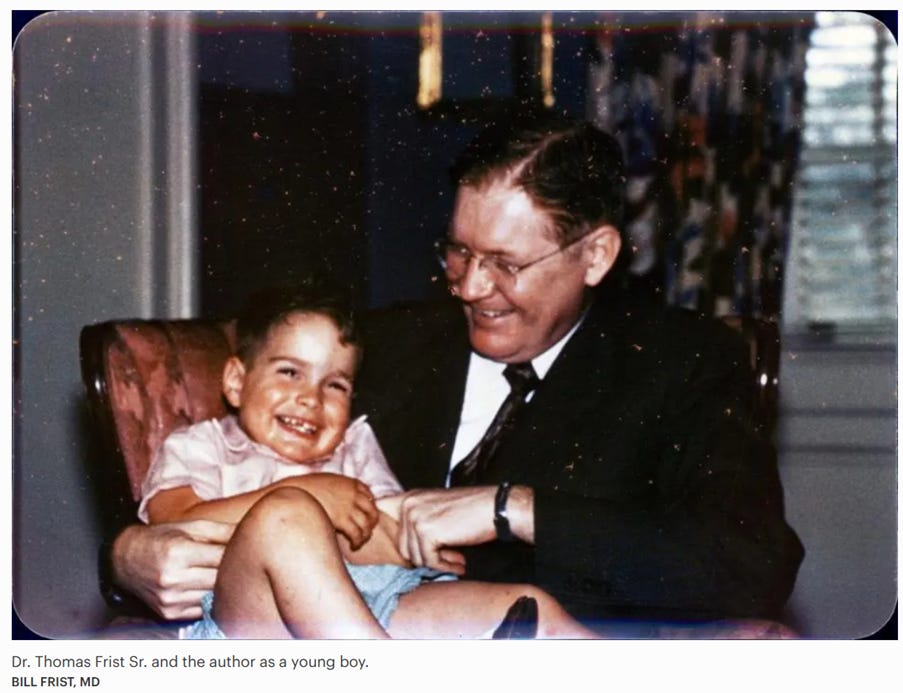
The story started with one of my father’s patients, Bob Crichton, who struggled with alcoholism. After receiving treatment at Hazelden in Minnesota, Bob returned home convinced that the South needed a residential recovery center of similar quality—one that would be accessible to families throughout our region.
My father agreed it was needed but said he couldn’t take it on.
He was already balancing a busy medical practice, hospital leadership, teaching, civic responsibilities, and raising our family. There simply wasn’t room for another major undertaking.
That evening, he shared Bob’s vision with my mother. After listening quietly, she offered a simple observation that changed everything:
“I really pray that someone will step up to make Bob’s vision happen. It could make a lot of people’s lives better.”
By the next morning, my father had changed his mind. At 7am from the kitchen table, he called Bob and told him he wanted to help make the vision a reality. When Bob asked what came next, Dad’s answer revealed the leadership philosophy that guided him throughout his life: find exceptional people who know the work, then give them the opportunity to do it well.
Looking back, I’ve often thought about that moment. Leadership isn’t always having the answer. Sometimes it’s being willing to listen deeply enough to recognize when someone else’s idea deserves your full commitment.
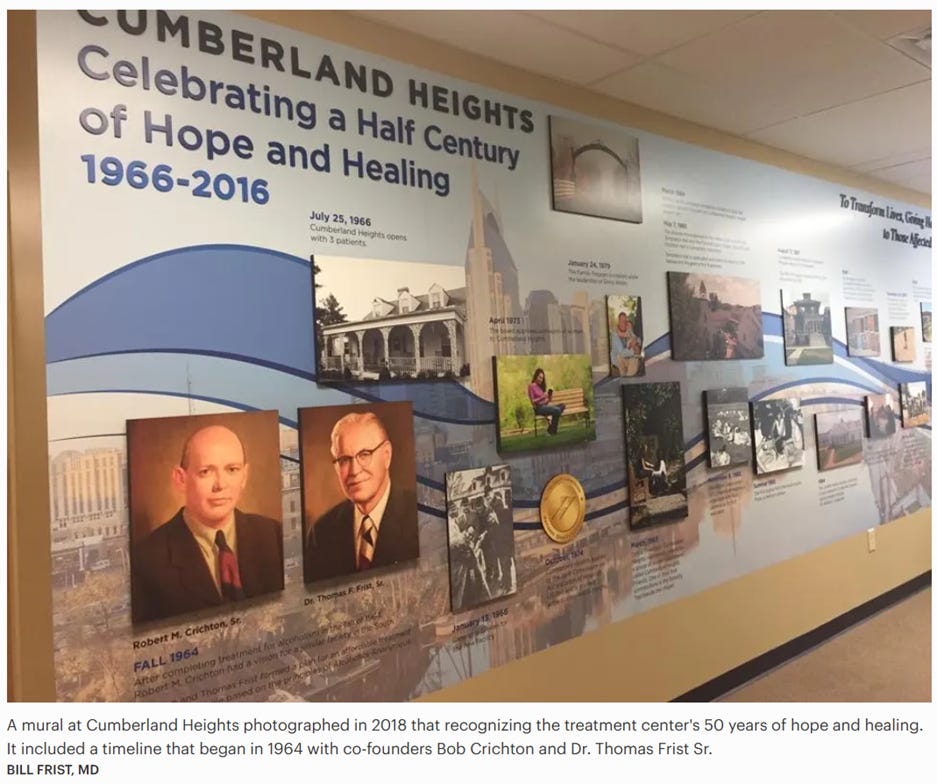
My parents each brought something different to Cumberland Heights. My father contributed the physician’s perspective and the ability to bring together talented people around a common mission. My mother brought moral clarity. She understood that addiction never affects just one person. It touches spouses, children, parents, friends, workplaces, and entire communities.
She also gave the organization its name, inspired by the rolling hills above the Cumberland River. “Cumberland Heights” captured not only the landscape, but also the hope, healing, and new beginnings the center would offer.
My parents were two of the many people who helped create not simply a treatment center, but a place where people could begin again. Countless others made Cumberland Heights what it is today, and each has a story worth telling. This is simply our family’s story, remembered through the eyes of a young boy who listened from the hallway outside an open bedroom door and from conversations around the kitchen table.
Over six decades, Cumberland Heights has grown from a small campus on River Road into one of the nation’s leading recovery organizations, serving thousands of patients and families each year.
But the numbers are not what stay with me.
What I remember most is watching my father listen to former patients describe finding recovery, rebuilding their families, and reclaiming their lives. After one such conversation, he quietly said, “That’s what I really care the most about, right there.”
I think about those words often.
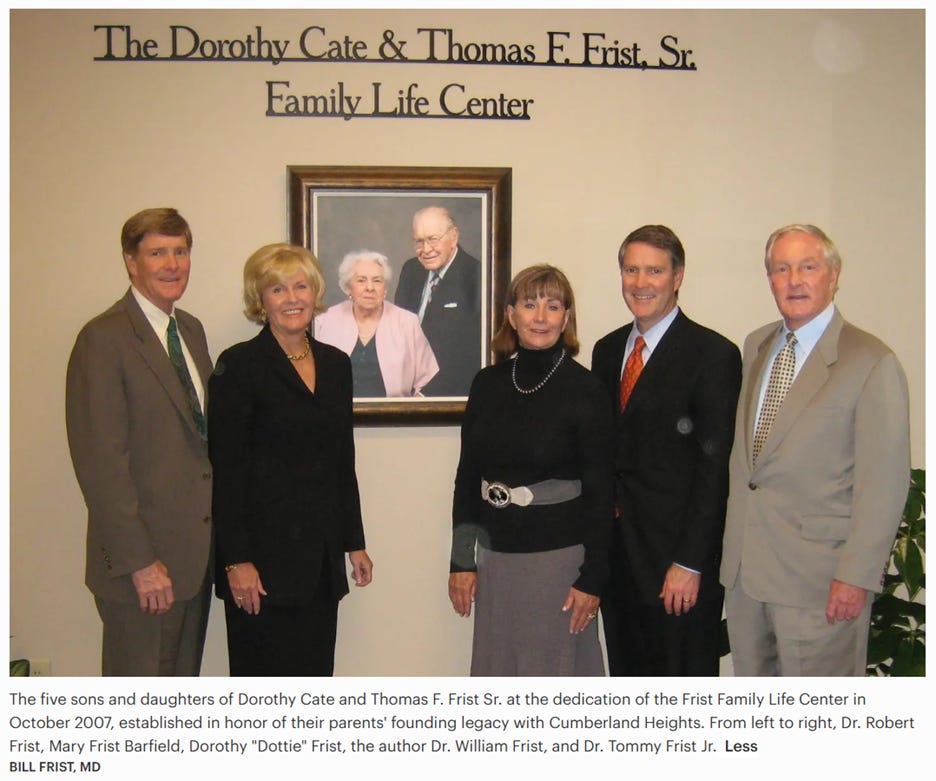
Buildings matter because people heal inside them. Organizations matter because they preserve a mission. Leadership matters because it creates opportunities for others to flourish.
Yet every enduring institution ultimately exists for one purpose: to improve the lives of people.
This week, Cumberland Heights celebrates sixty years of hope and healing. This milestone reminds us that the greatest legacies rarely begin with ambition alone. More often, they begin with compassion, a willingness to listen, and the simple courage to say yes.
Read more of this story in my recent Forbes article.
Comments
Nothing yet. Say the first thing.
Sign in to join the conversation.