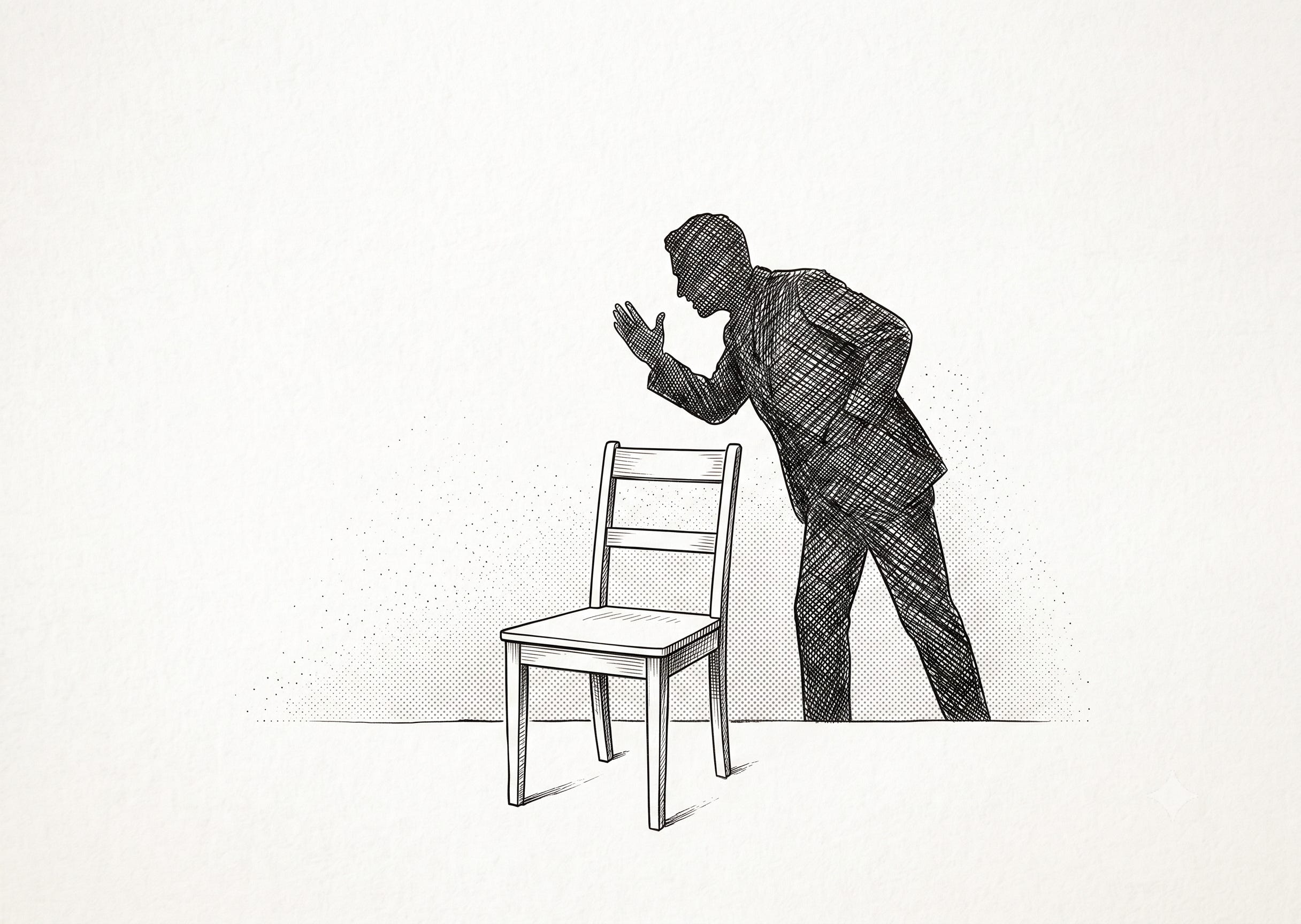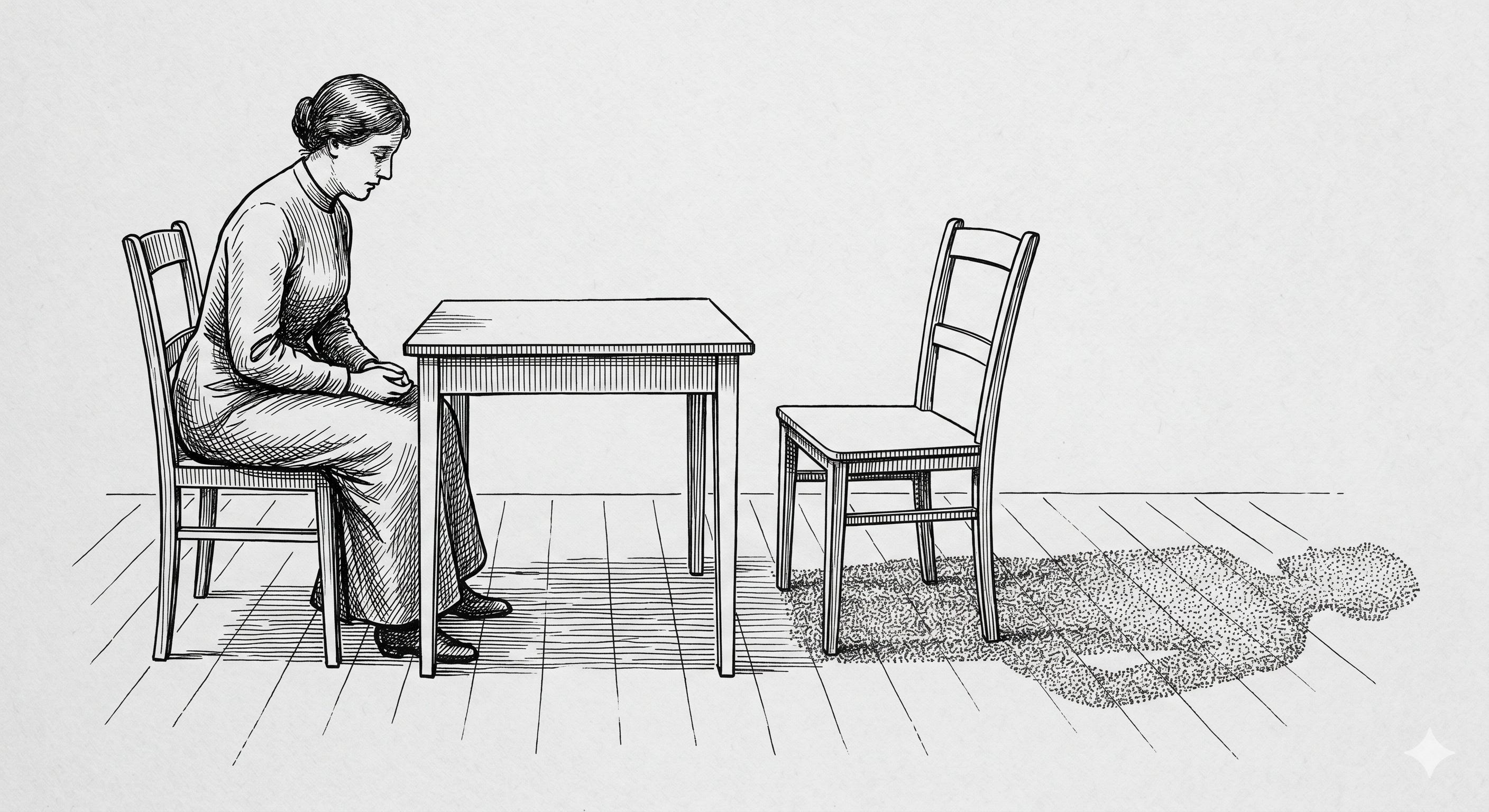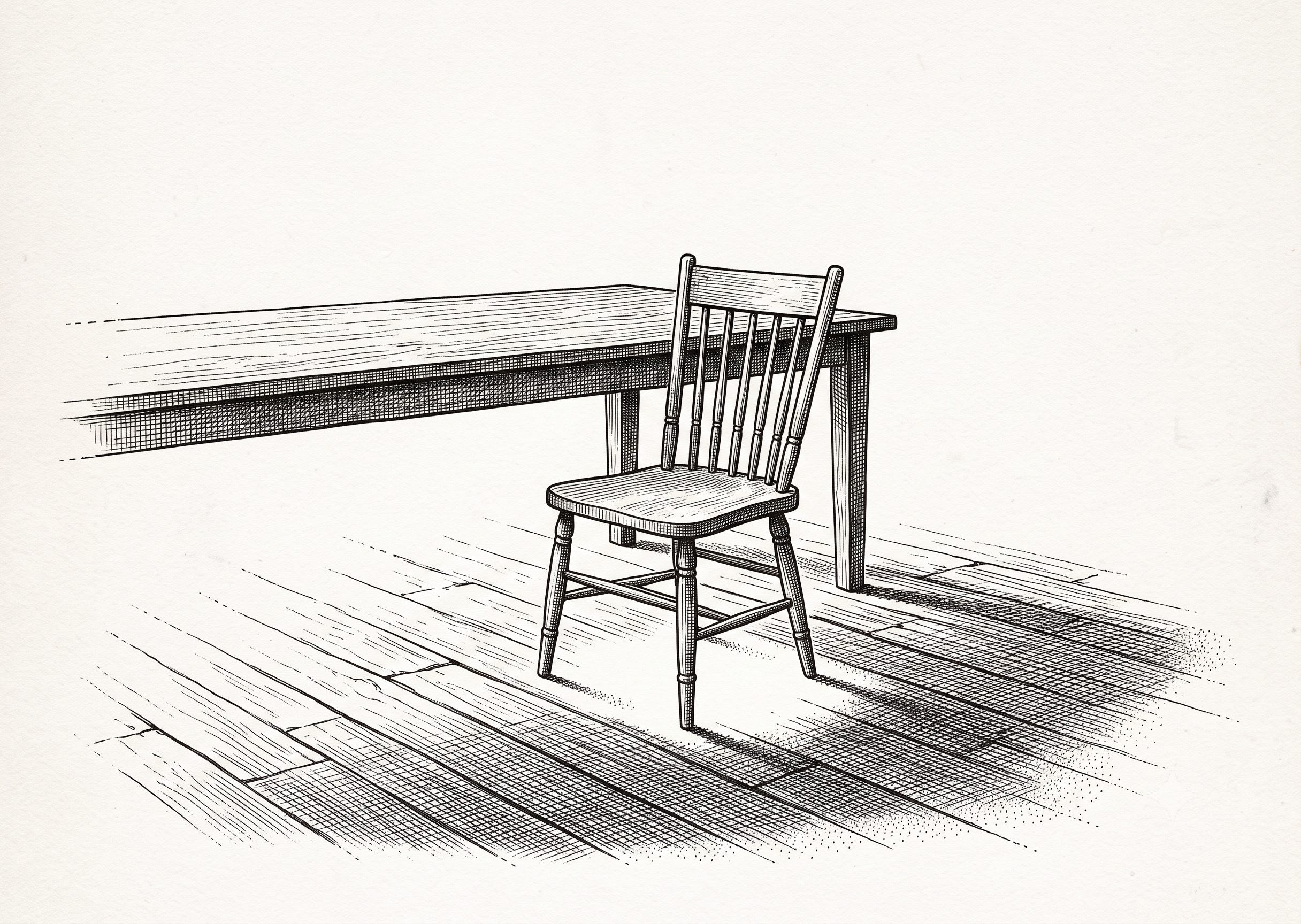
The Chair We Offered the Machine
Are we arguing about the manners of a guest who can't (yet) effectively participate?

Notes on thinking and listening before action
Subscribe:.rss.atom.json.md.m3u.pls
Live Last read · last published · next check
Are we arguing about the manners of a guest who can't (yet) effectively participate?
Anonymity reveals what someone doubts; it hides whether anyone believes it with conviction.
Structure gets the unsayable said; receptiveness gets it heard. Neither promises it was worth saying.
Bias doesn't silence the message; it disqualifies it.
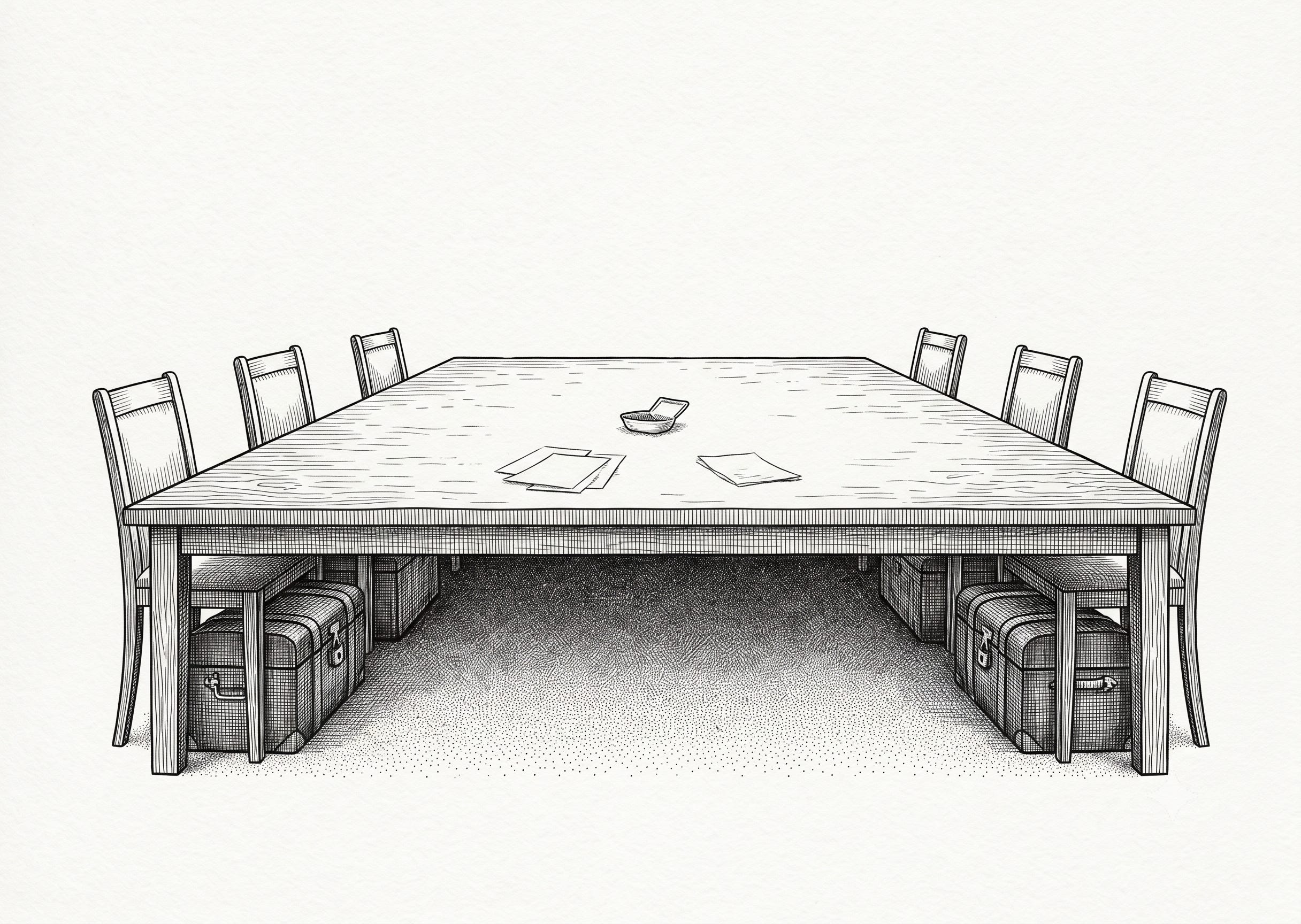
The room decides; the hallway knows.
The same trust that brings a stranger into the room is what we remove to make them safe to hear.
We argue about how to listen as if it were a single skill; the best methods contradict each other because it isn't.
The room's collective intelligence is bounded not by what its members know, but by what they're willing to say out loud.
Hide who said what, and the room won't stop guessing.
The leader who cannot stay silent in the room has already filled it with the answer no one will question.
The method you trust most reveals the darkness you've agreed to ignore.
Silence after "any questions?" is the sound of a group that was given answers before it found its questions.
A good process doesn't fix the problem; it makes ignoring it a choice.
We blame silence on power because power gives us someone to confront.
Is synthesis without struggle just consensus with better formatting?
We build instruments to capture difference, then read them for agreement.
The room agrees fastest on what everyone already knew and calls it insight.
A witness draws out what you almost know; anonymity protects what you already do.
The most dangerous disagreements are the ones no one voices; they detonate in the decision, not the discussion.
Courage is a tax on honesty; good design is a subsidy.