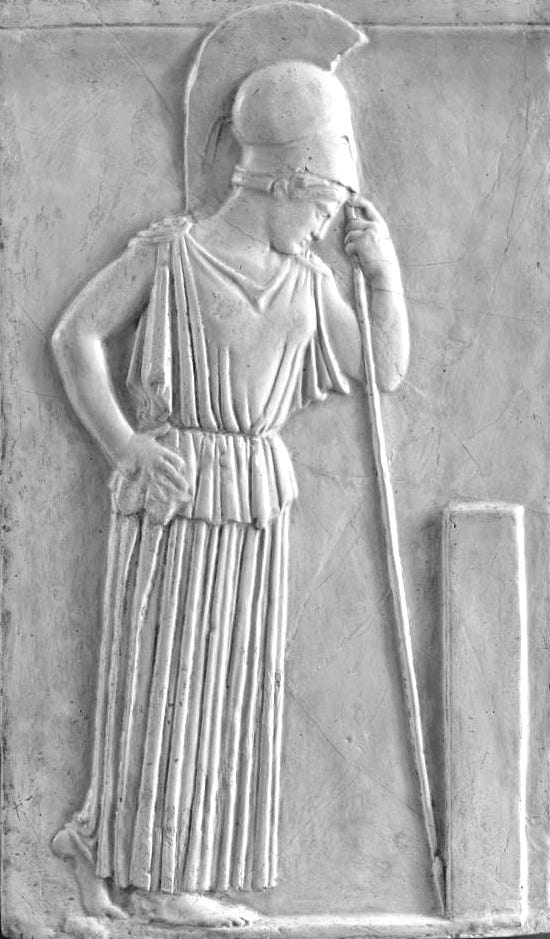
The Tears of Athena
Spoilers ahead...

Working with dangerous archives.
Live Last read · last published · next check
Spoilers ahead...
LATE IN HER CAREER, after she’d already become famous for her critique of the medicalization of death in America, Elisabeth Kübler-Ross published a letter that she’d written to a child: a little boy with a terminal cancer diagnosis.
YOU MIGHT BE morally disgusted by things like optimization culture and self-enhancement, rendering you morally immune to its effects.
IN THE CHICAGO O’HARE AIRPORT, in the midst of a 15-hour travel purgatory as we waited for our one-hour connecting flight back home to Louisville, my ten-year-old daughter told me that the toilets back home in America seemed angry and impatient.
I DON’T ACTUALLY intend to go up against the pope; my title is a little hyperbolic.
READING IS AN act shot through with various forms of power, but because it’s also so mundane these powers are easy to disregard.
A COUPLE OF weeks ago, I started to actually think about language again.
Last week I was invited to speak at an event called Artifice: Questions of Language, Technology, and Devotion in Contemporary Classrooms hosted by a program called Teaching Religion in Public (TRiP) at Indiana University’s Center for Religion & the Human
THE LIFE OF THE MIND can feel a bit dismal these days, what with the disinvestment in education and the rise of generative AI.
OVER THE PAST several weeks I’ve been writing about public theology: how theological (or quasi-theological) ideas appear in public, and do things in the polis. Meanwhile, to the dismay of many in the American public, people like Pete Hegseth have essentially been doing public theology as they
AFTER MY POST last week, on the thorny matter of public theology, I was drawn (especially by the comments) to think a bit more about the people who are most likely to be shut out of conversations about theology: people who aren’t religious.
THERE IS A New York Times op-ed that’s been making the rounds in my network, which is dense with people (like me) in the field of religious studies and theology.
WAR IS IN THE PSYCHE these days, in the way that things like plastics get into the water.
I AM AN ACADEMIC, but I won’t pretend as if I believe that there’s anything moral about the structure of higher education in America today.
I’VE FOUND MYSELF THINKING about shame lately.
AMERICANS MIGHT BE deeply loving people.
I FIND MYSELF annoyed by lamentations on the loss of solitude that I find on the Internet: claims that our dependence on social media, and the Internet itself, is eroding the capacity to spend time in solitude.
I KNOW THAT for most people the new year is a time of resolution and forward momentum, but for me it’s always a time of recollection.
AI CHATBOTS felt like an existential issue, to me, almost as soon as they were unleashed upon the public in 2022.
RECENTLY, IN CLASS, I was trying to explain to my college students what a trance state is.