Evidence for Solar Eclipses in Ancient Mesopotamia
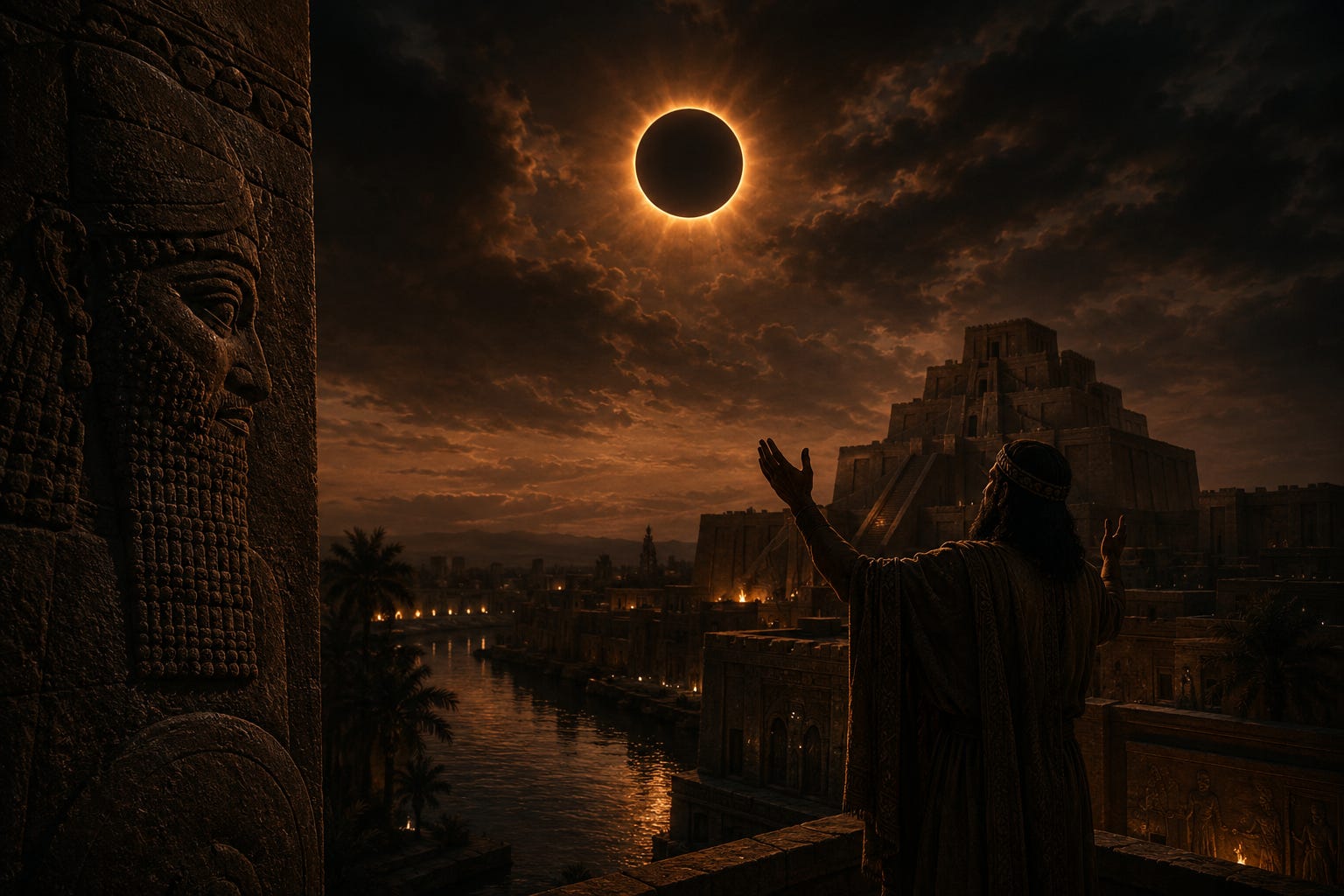
Mesopotamia possesses one of the longest continuous records of celestial observation in human history, preserved on the cuneiform clay tablets of Sumerian, Babylonian and Assyrian scribes.

Aiming to unpack and make ancient Mesopotamia and archaeology accessible to everyone!
Subscribe:.rss.atom.json.md.m3u.pls
Live Last read · last published · next check
Mesopotamia possesses one of the longest continuous records of celestial observation in human history, preserved on the cuneiform clay tablets of Sumerian, Babylonian and Assyrian scribes.
Most figures named in the Hebrew Bible left no trace outside it.
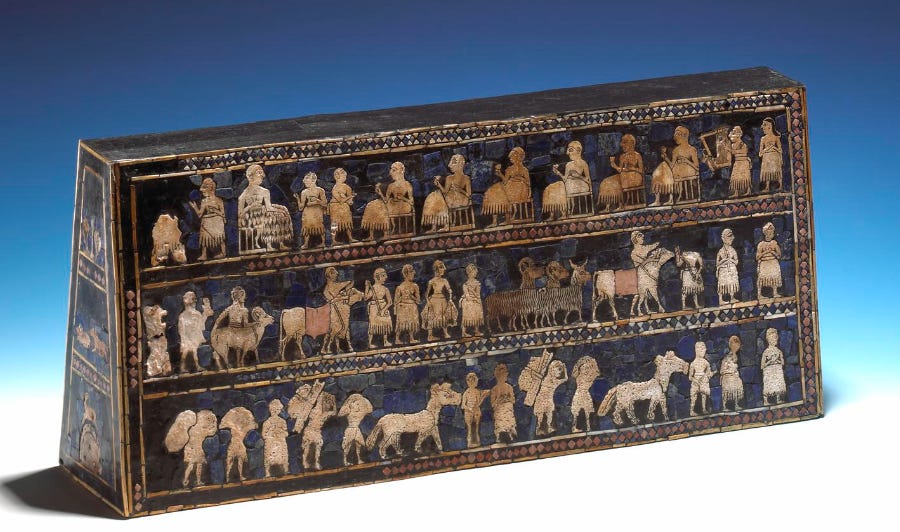
The Standard of Ur
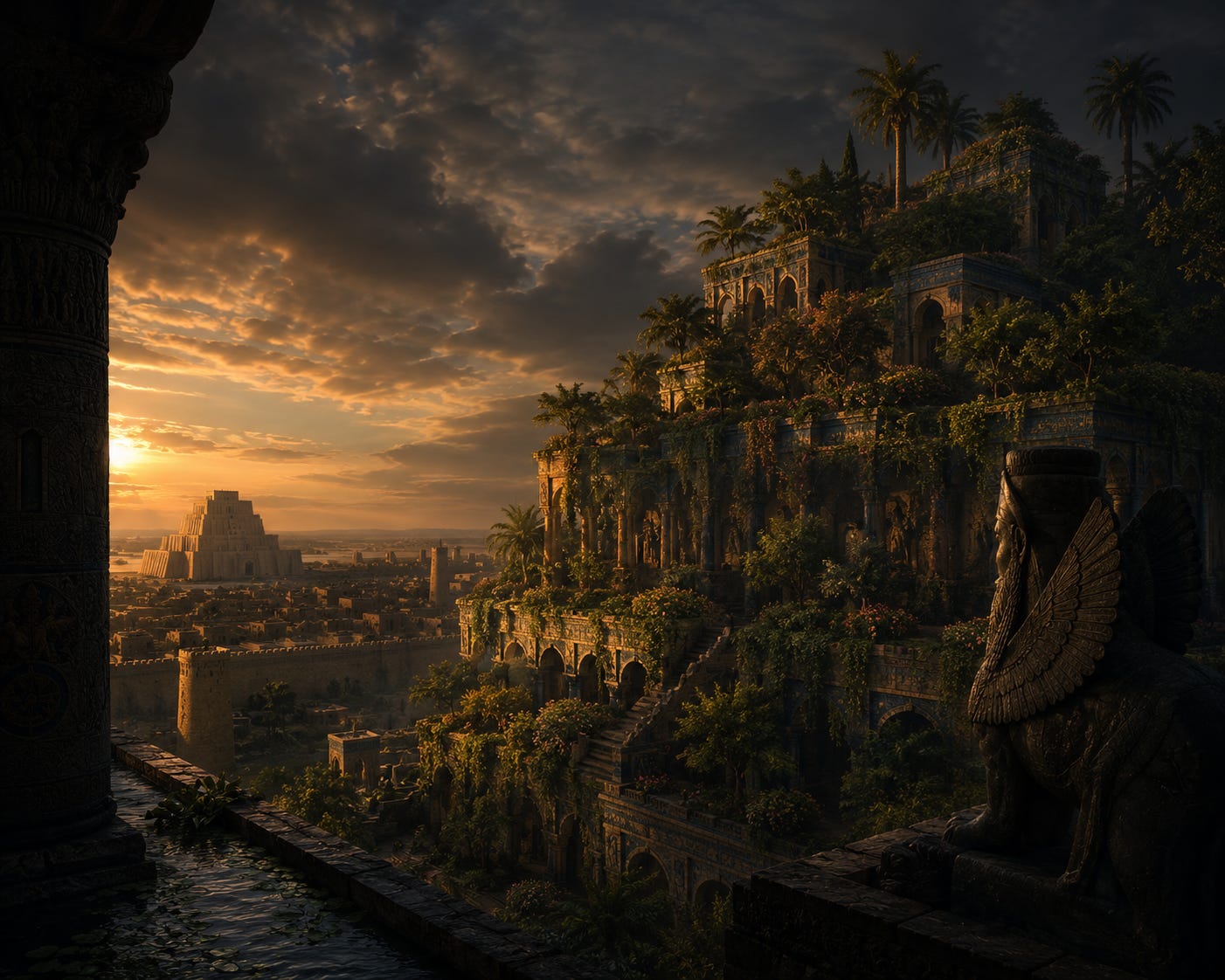
Of the Seven Wonders of the Ancient World, the Hanging Gardens are the only one whose location has never been archaeologically confirmed.
Please note that this is the LAST god in this mini series (unless one is specifically requested!).
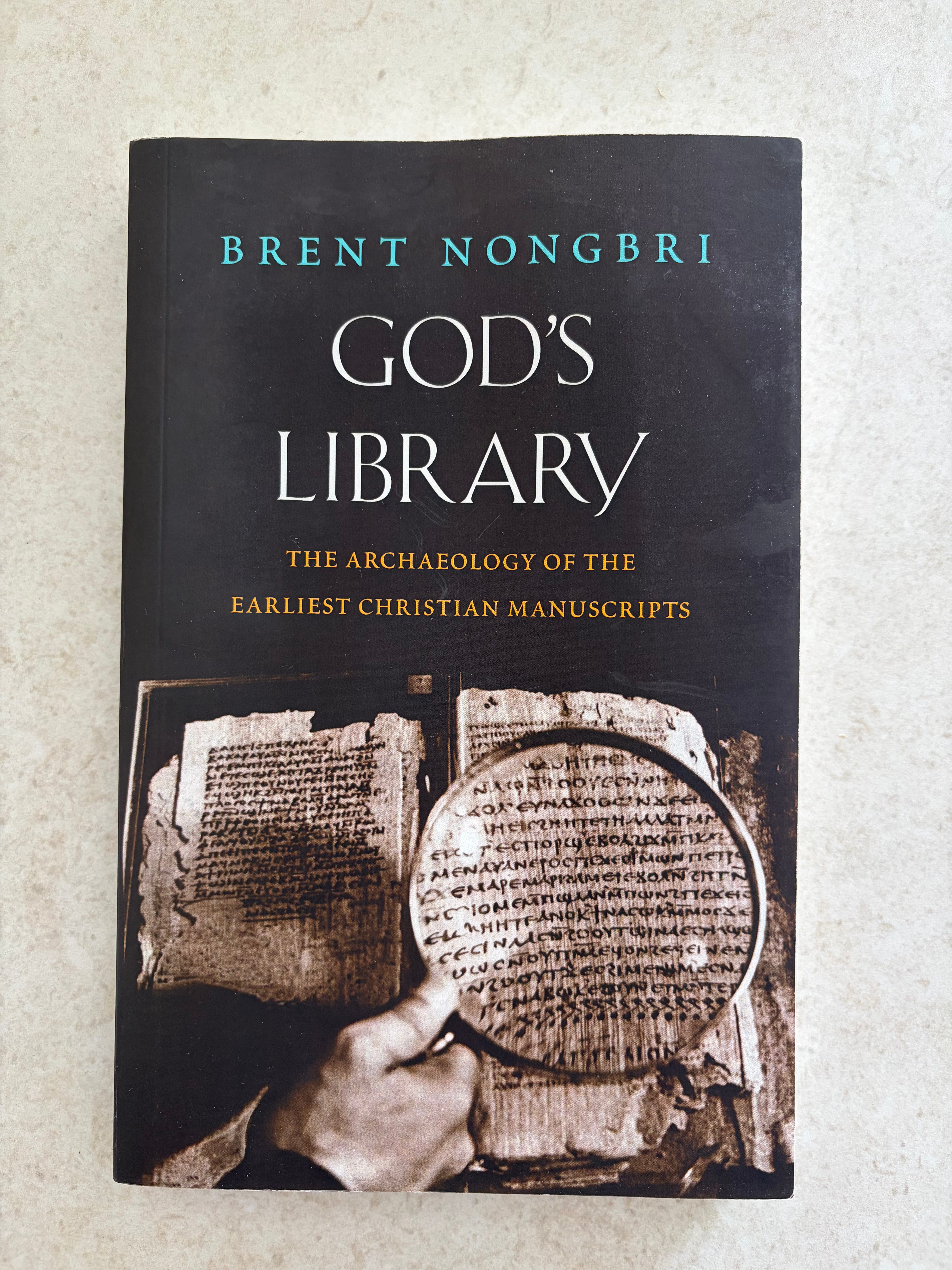
Some of the most famous ‘earliest’ Christian manuscripts in the world (the fragments cited in footnotes across a century of New Testament scholarship, the papyri invoked whenever someone wants to say a text existed within living memory of the apostles) may not be nearly as early as the field has assumed.
A tale of Marduk and Time
Long before the written word was an everyday tool, it was viewed as a form of deep, volatile magic.
When a new king took the throne in the Old Babylonian kingdom of Larsa or Babylon, one of his very first acts, often within the same year, was to cancel debts.
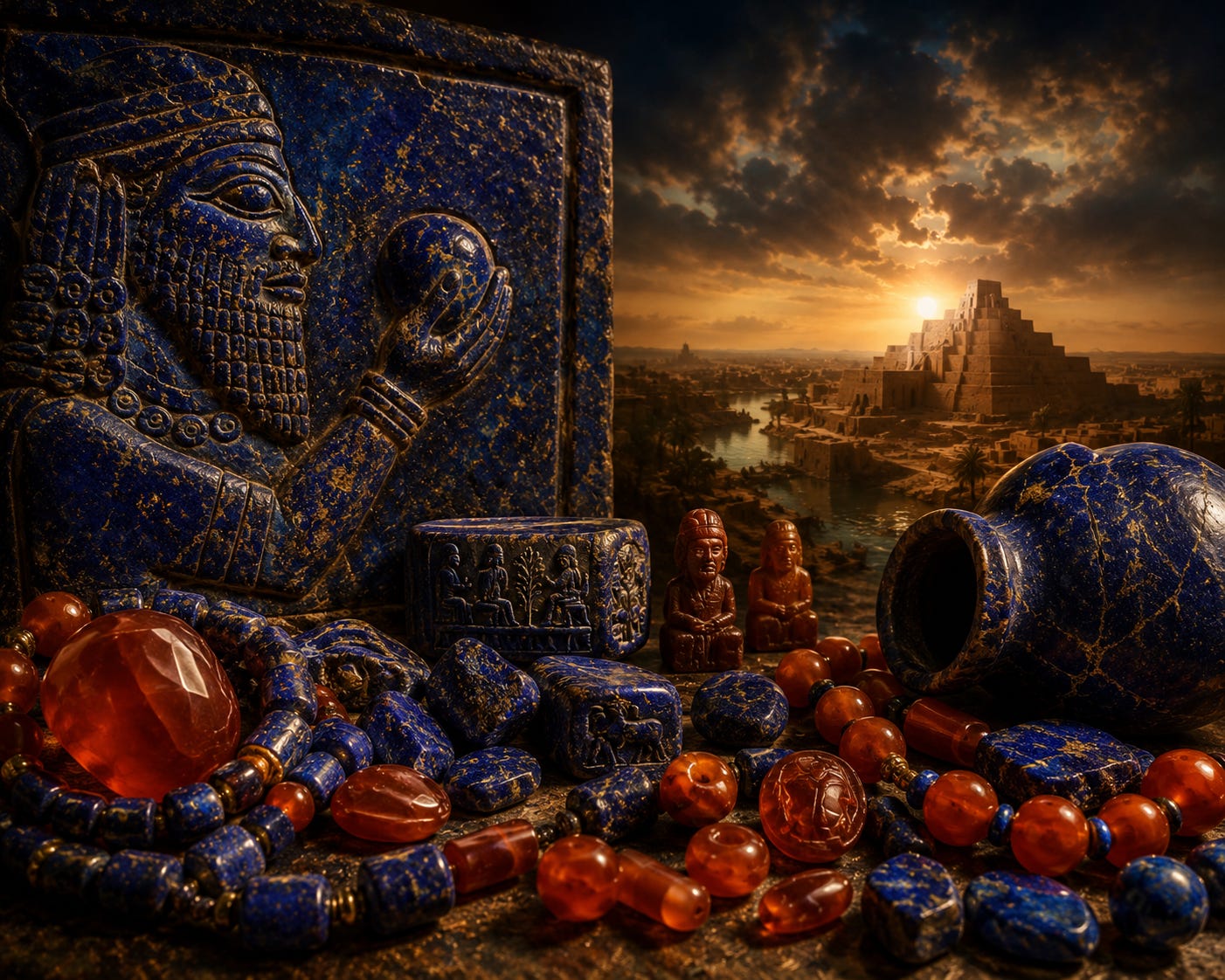
There is a particular kind of blue that runs through five thousand years of Mesopotamian graves, temple deposits, and cylinder seals, and it did not come from anywhere near the rivers that gave the land its name.
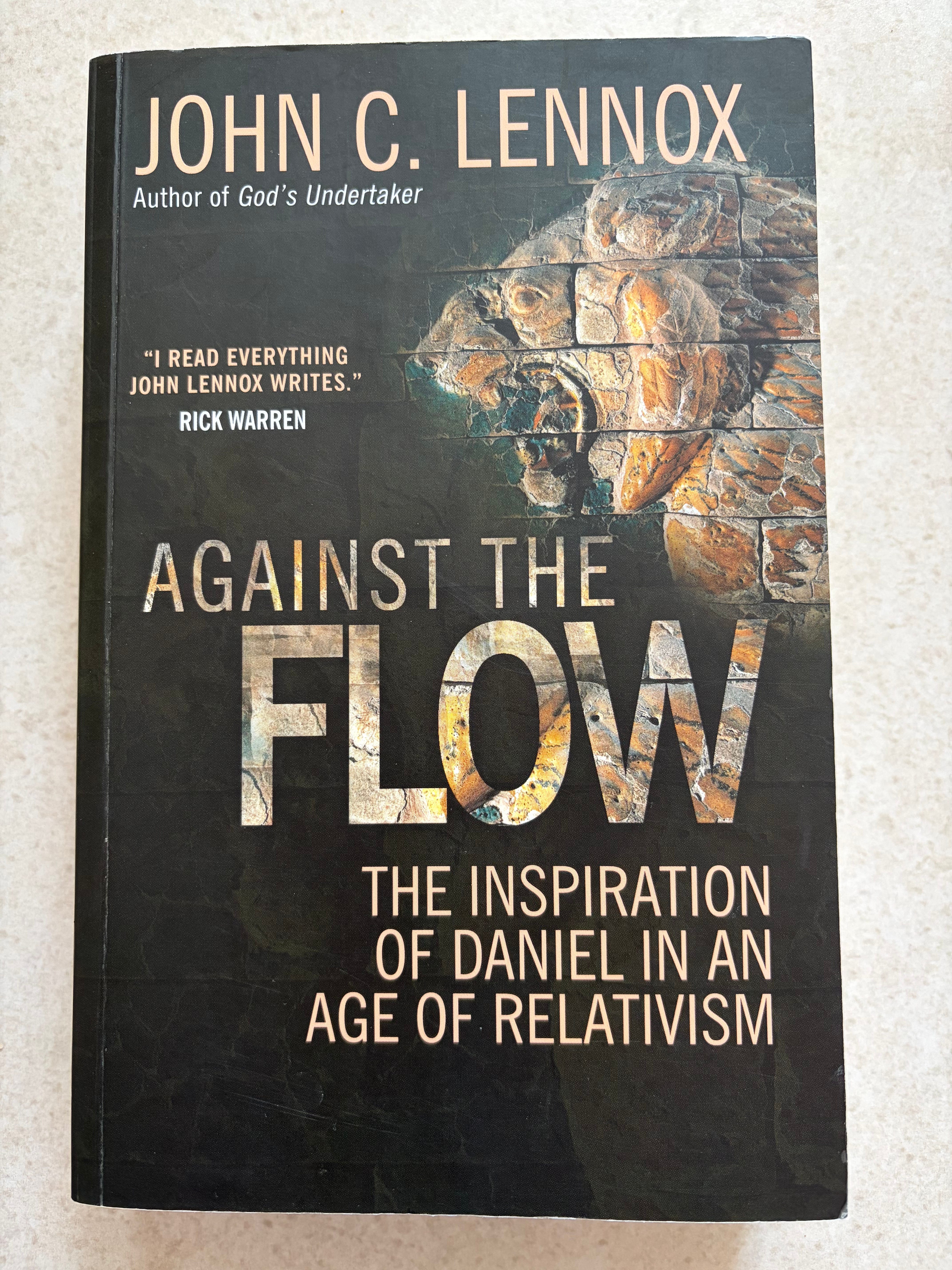
About the author: John Lennox is better known as a mathematician and Christian apologist who has shared public platforms with Richard Dawkins and Christopher Hitchens than as a biblical commentator, and Against the Flow (Lion Hudson, 2015) wears that background openly.
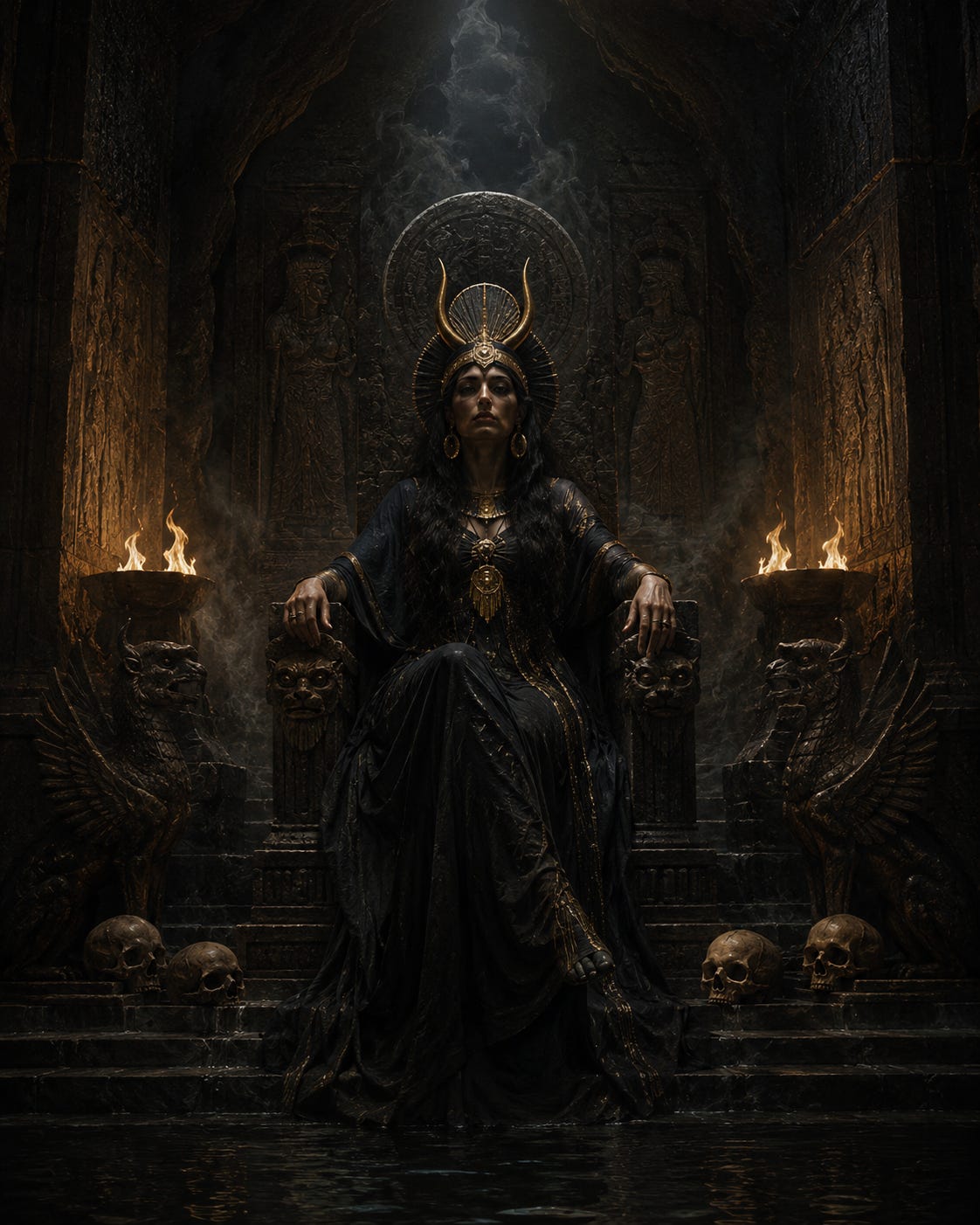
Ereshkigal's name, written in Sumerian as DEREŠ.KI.GAL, translates to ‘Queen of the Great Earth’, a euphemism, since the earth she ruled was not the fertile surface world but Kur, the Mesopotamian land of the dead.
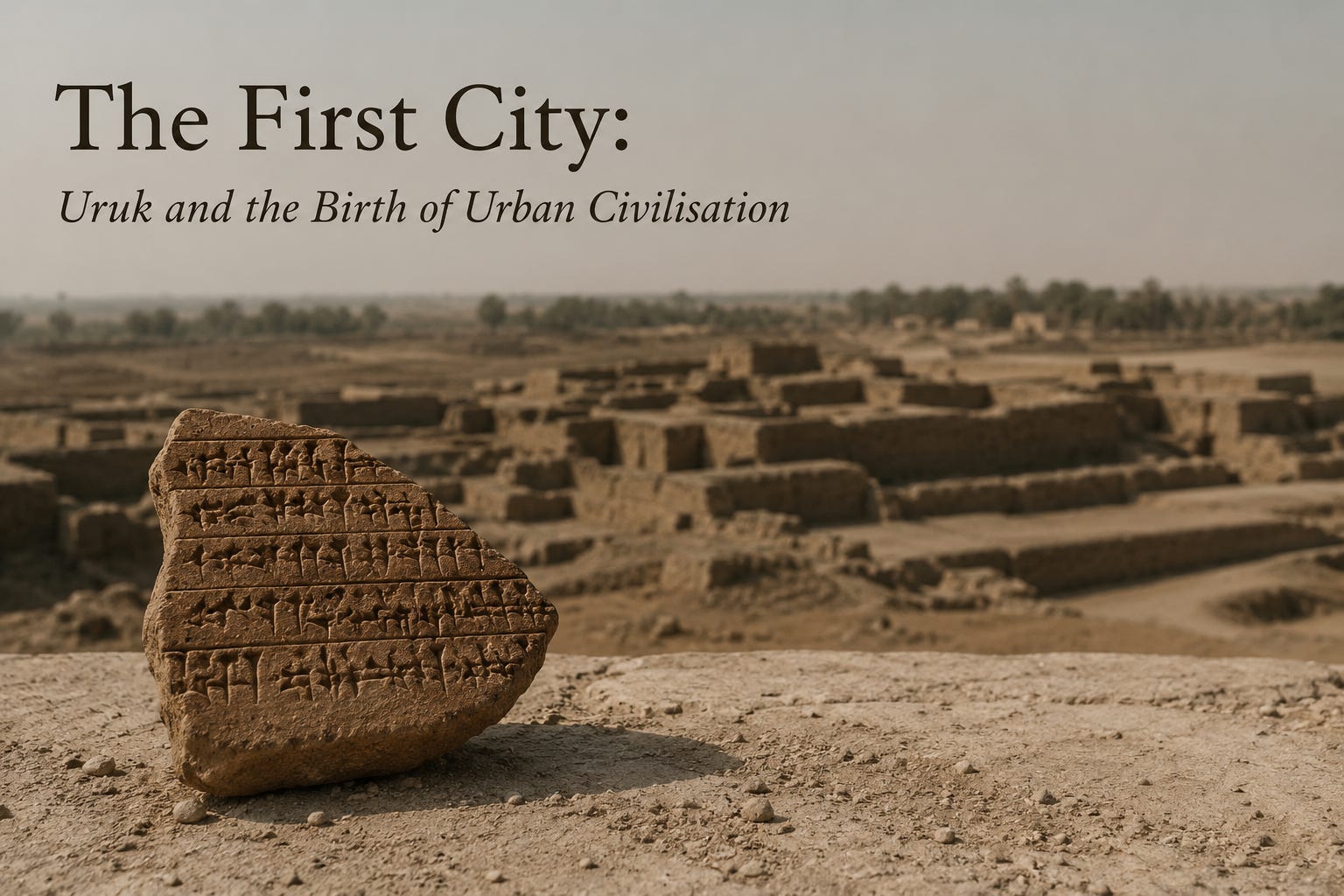
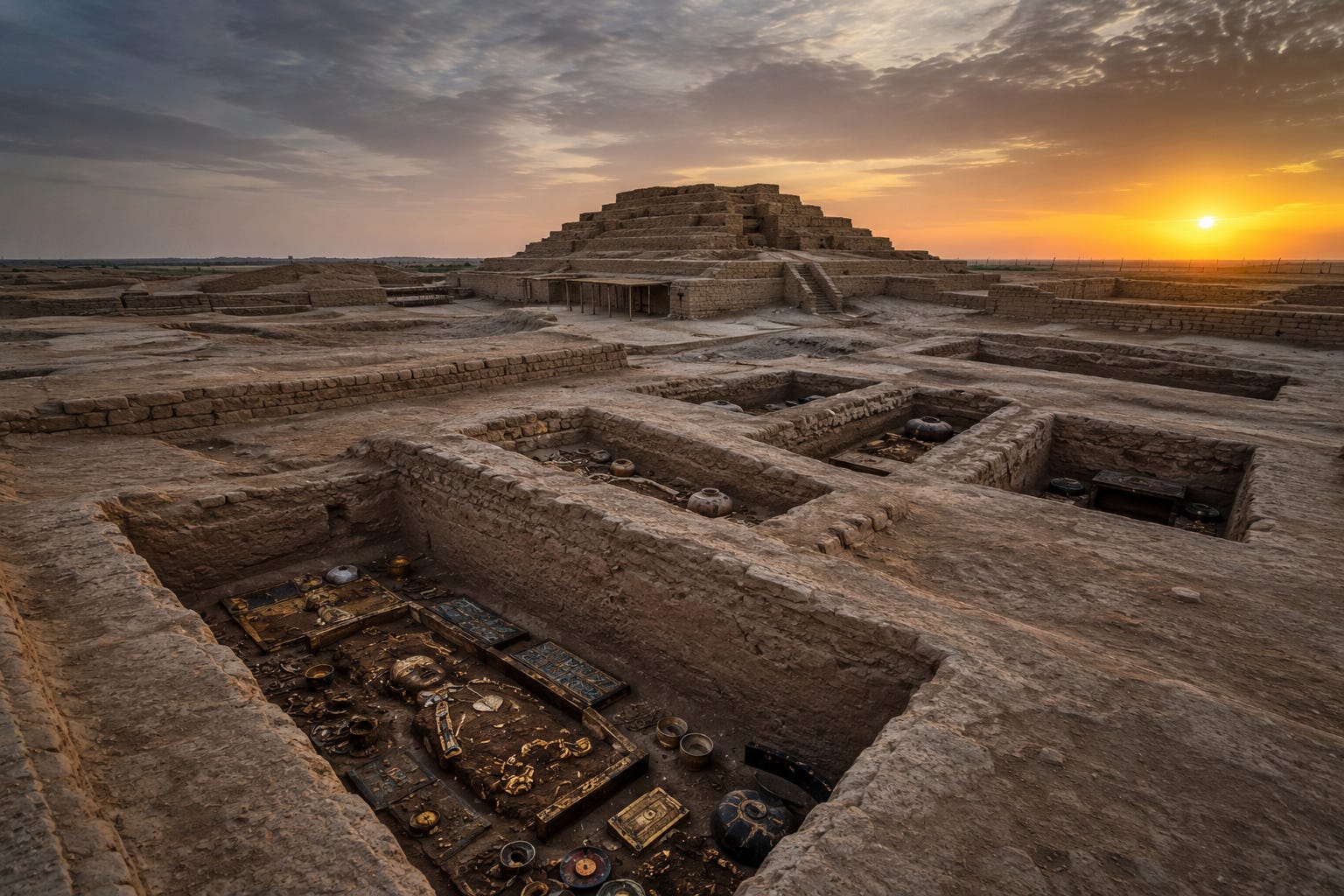
There is a mound in southern Iraq, thirty kilometres east of the modern town of Samawah, that most people have never heard of.
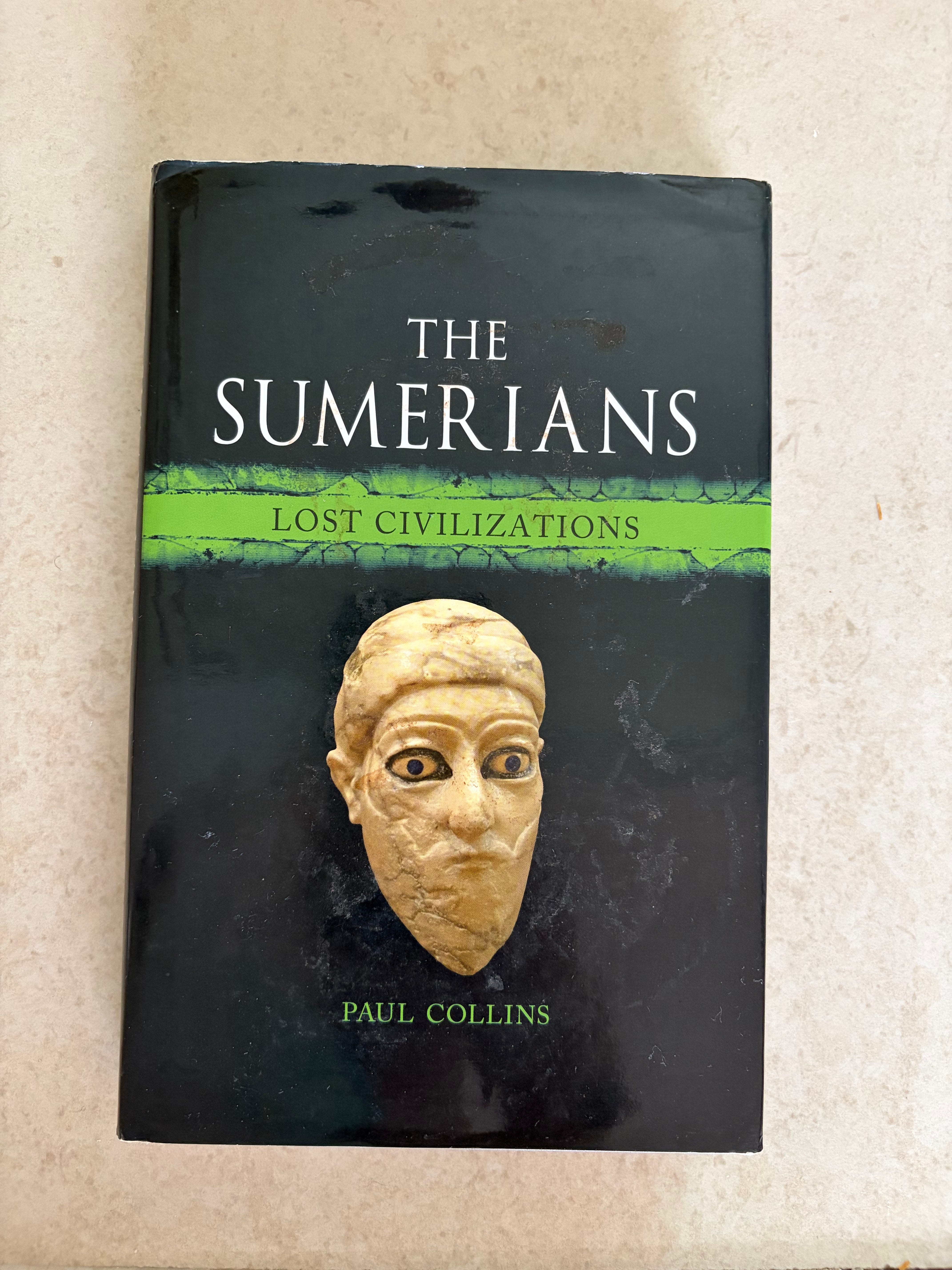
Publisher: Reaktion Books, 2021 (part of the 'Lost Civilisations' series, distributed in the US by University of Chicago Press) Length: roughly 208–214 pages, illustrated
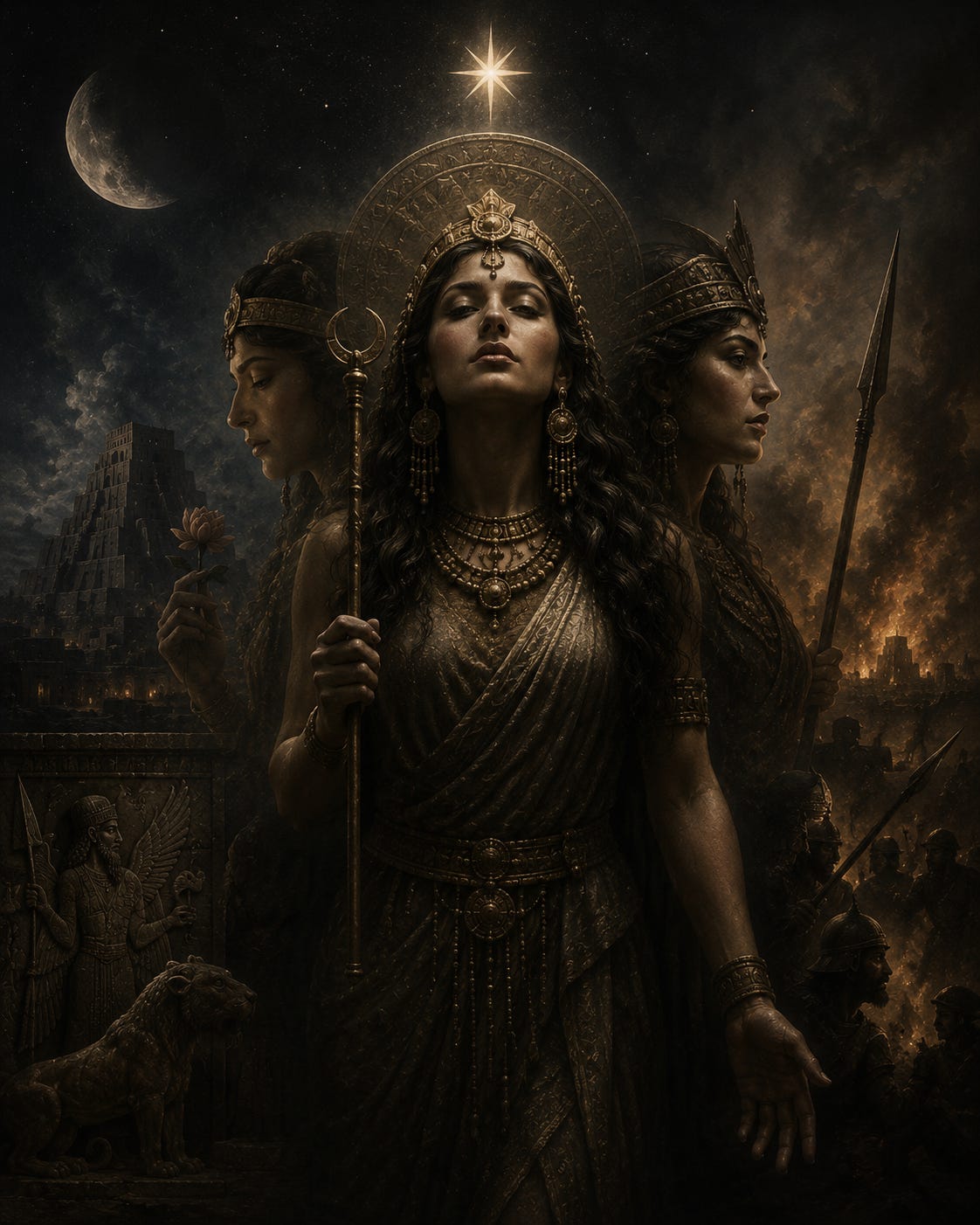
She was the morning star and the evening star.
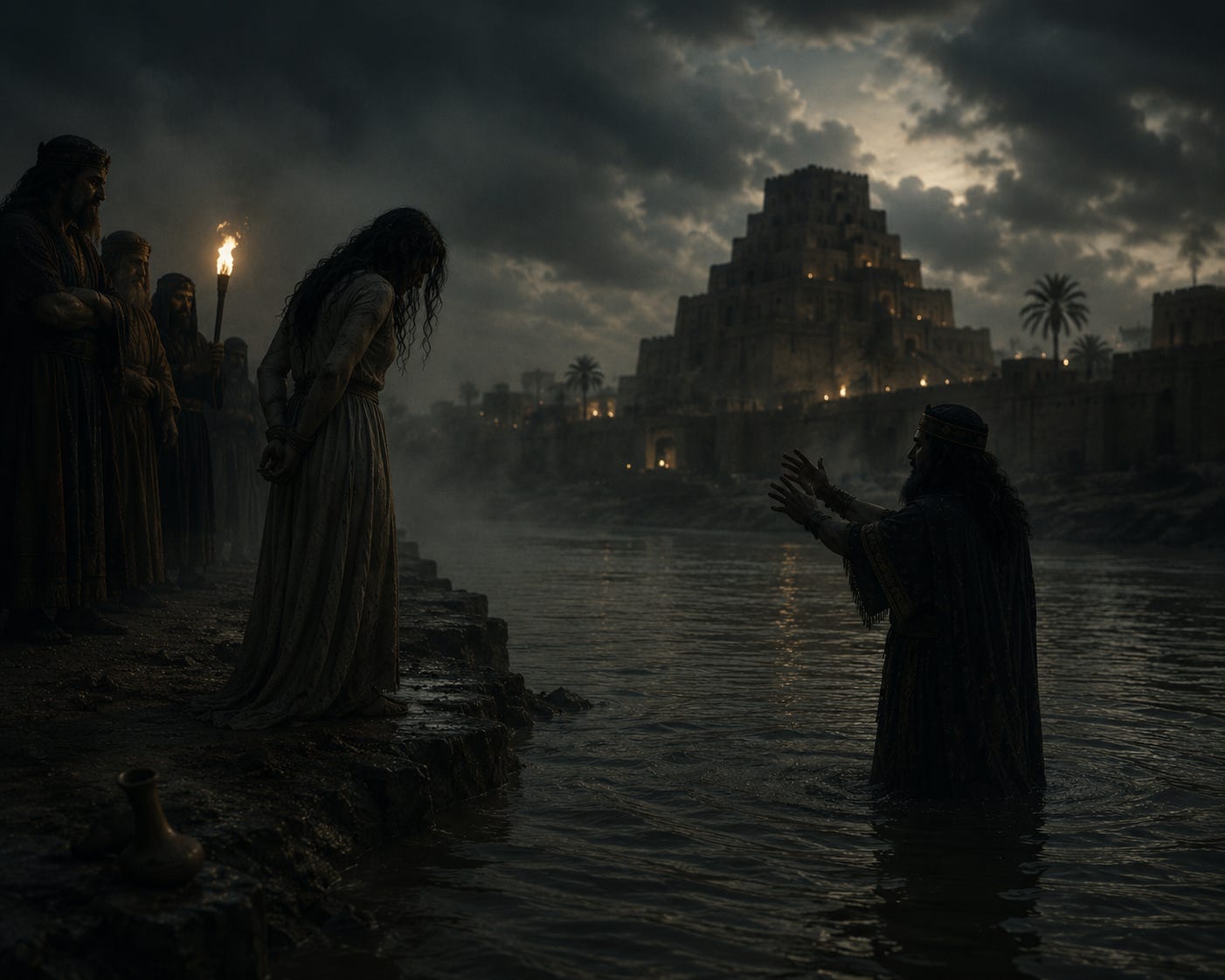
Somewhere in Babylon, around 1750 BCE, a man stood accused of casting a spell on his neighbour.
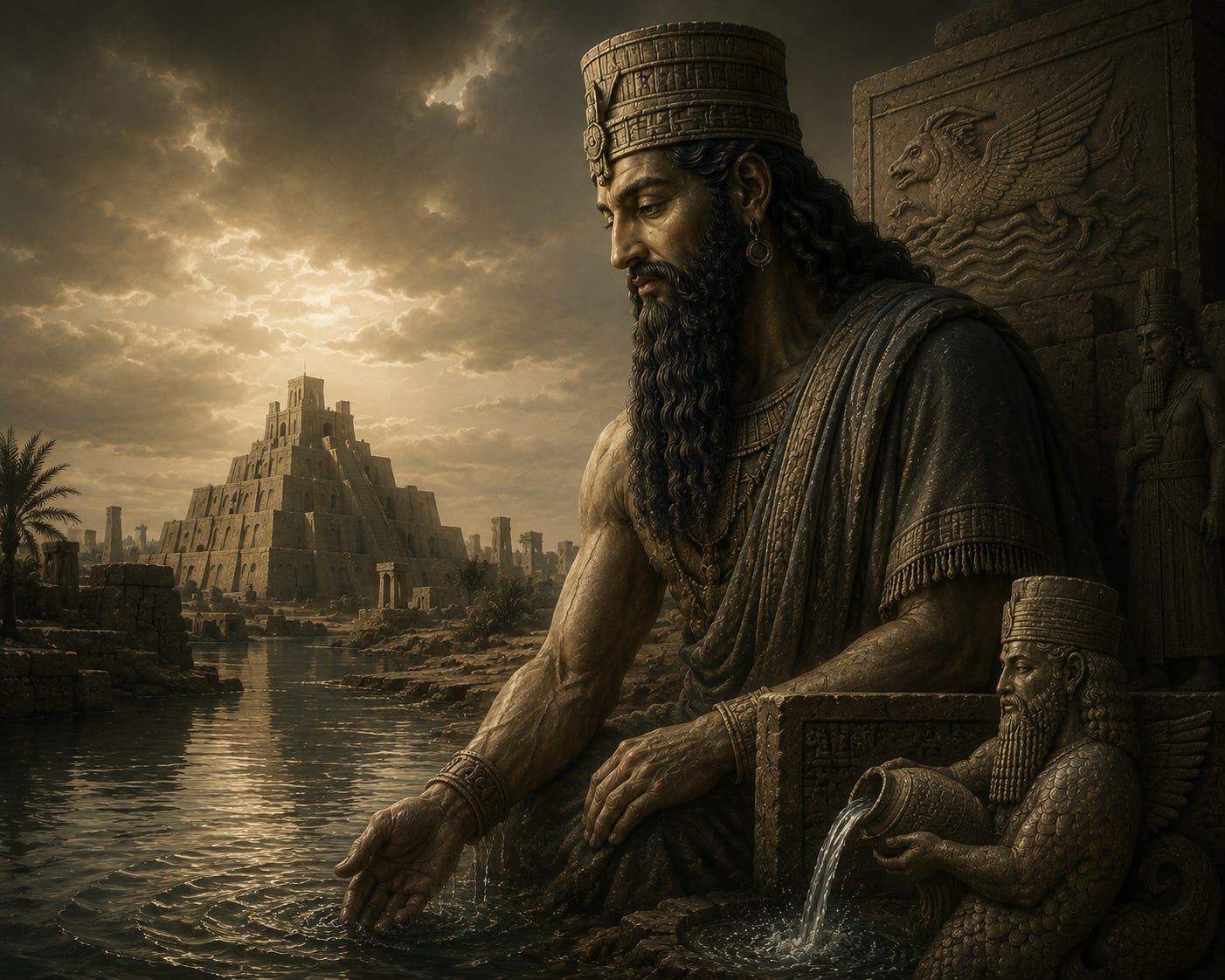
Enki, known to the Akkadians as Ea, was one of the oldest and most enduring deities of ancient Mesopotamia; a god of subterranean fresh water, wisdom, magic, and craft, whose worship is attested across roughly three thousand years of Sumerian and Akkadian history, and whose cult city,
(Image is an artistic representation)
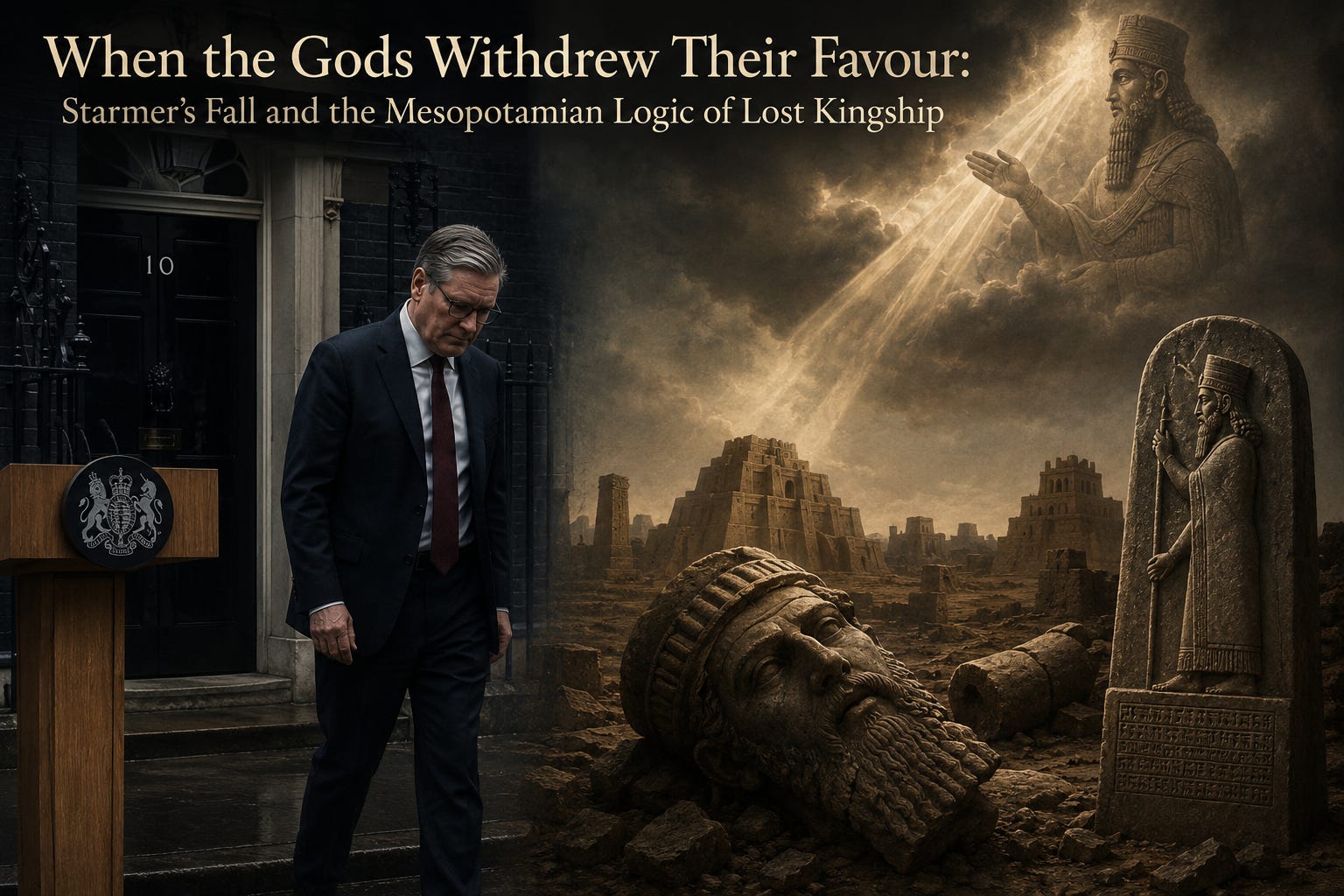
In light of the recent political events in the UK, I thought I would write this short piece….these hot, sleepless nights are good for something!
Beneath the sun-scorched plains of ancient Mesopotamia, the people whispered of a god who walked in two worlds at once - one foot planted in the searing heat of the summer fields, the other sunk into the cold dust of the underworld.