What’s New — AI UX Digests
A short weekly scan of AI design patterns and examples

A newsletter for designers, PMs and builders who ship AI products. Practical notes on AI UX design: patterns, real products, and craft over hype.
Live Last read · last published · next check
A short weekly scan of AI design patterns and examples
What happens after the model finishes talking
Personalization that users cannot inspect is not a feature. It is a trust leak.
Agents that only answer can hide behind a shrug. Agents that act cannot.
Organized by the jobs (with links you can actually use)
Why the best learners in the AI era open the tool, build the messy thing, and compound from there.
10 glossary terms, related patterns, and deep-dive links so you can spec trust, control, and failure states without getting lost in engineering jargon.
Generation is cheap now. Judgment is the bottleneck.
When Developers Still Need to Know What You Meant
Why the next divide isn’t designer vs PM vs engineer—it’s waiters vs builders.
A Playground tour of portfolios, experiments, and Framer components that show where product feel actually gets built.
Why the most valuable product people of the next decade might sit between design and code
Copy-paste prompt snippets plus full templates to help UX designers move from vague product ideas to testable, clickable prototypes faster.
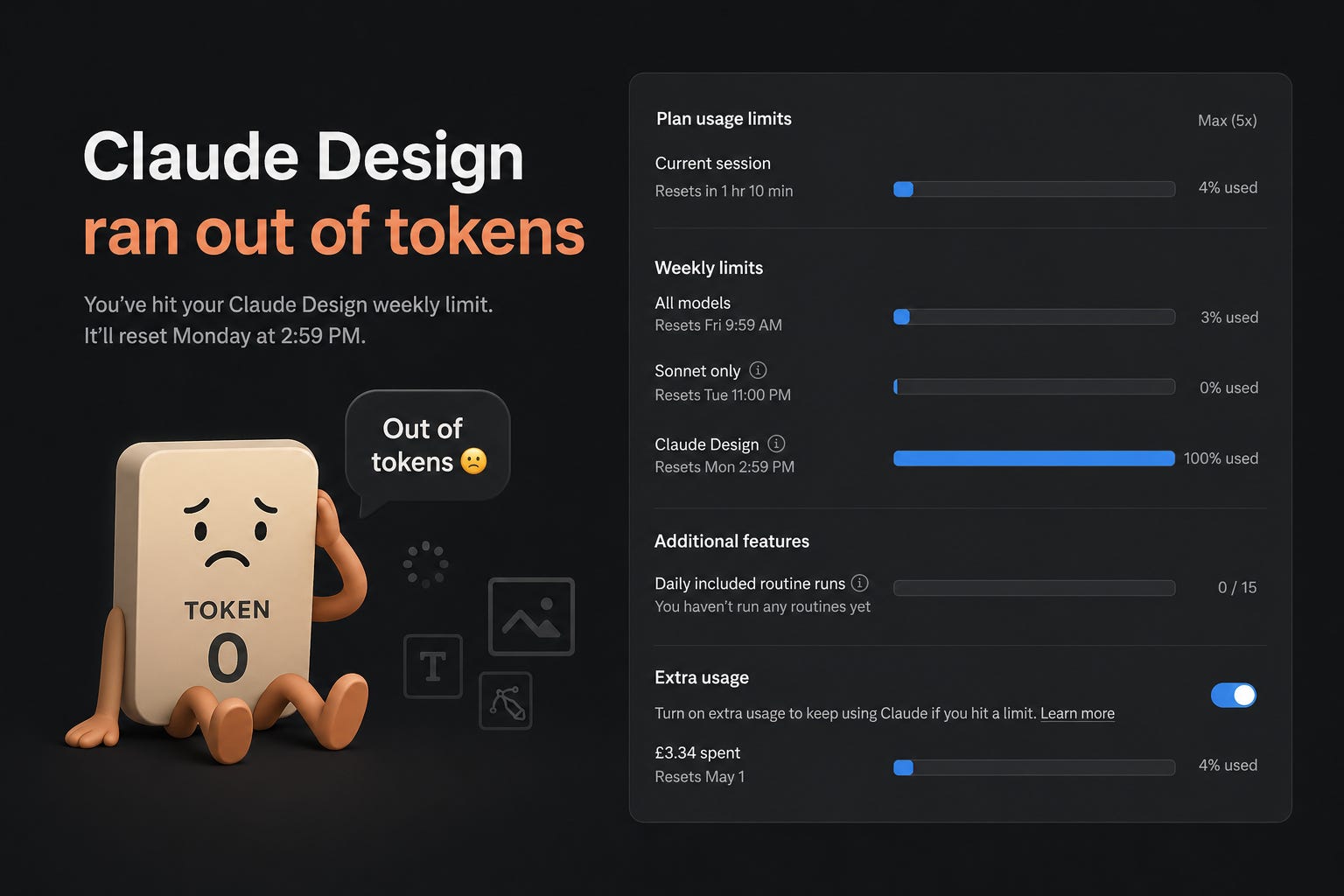
A practical playbook for reducing usage, avoiding rework, and getting better design output from every prompt
10 copy-paste prompts for mood boards, polish passes, handoff QA, and stakeholder feedback so you can make faster, sharper visual design decisions with AI
In a week of endless AI tool launches, I stopped chasing what changes and started investing in what compounds: trust, craft, and the timeless fundamentals of design.
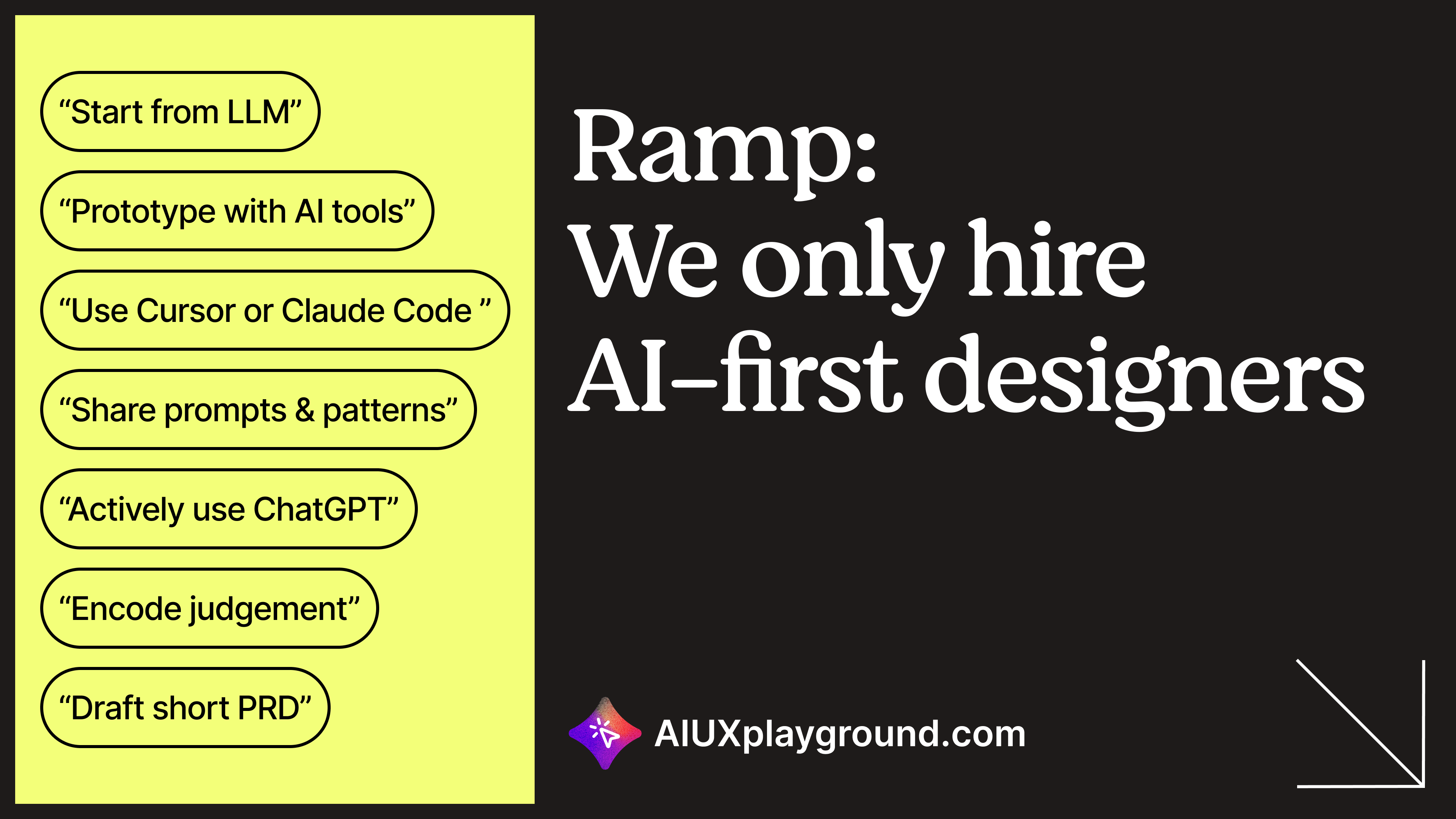
A market signal, decoded: the before-and-after workflow behind “AI-first” job posts
Citations, memory, search and pins, export, and the admin layer teams actually need.
How to make AI chat interfaces clear, controllable, and trustworthy with proven UX patterns.
Running code as the shared artifact. Fewer specs, fewer translations, faster alignment with engineering and agents.