

I’ve been staring at AI chat UIs for a while now, and I keep getting stuck on the same boring moment.
The model finishes. There’s a big block of text. Maybe some code. Maybe a table that almost works.
And then… nothing useful.
Copy. Regenerate. Maybe a thumbs up that nobody believes in.
That’s the part I think we’ve under-designed.
We spent years arguing about prompts and composers and “agentic” whatever. Meanwhile the thing people actually want to keep is still trapped in a bubble like it’s temporary. Like the conversation is the product and the output is just exhaust.
It’s not.
Once the model can produce something you’d paste into a doc, a PR, a deck, a ticket… the UX job flips. You’re not designing a reply anymore. You’re designing a draft people can improve without starting over.
Framer - The best code-free tool for designers to create beautiful websites. Use our special promotion code: partner25proyearly to get 3 months free yearly Pro subscription.
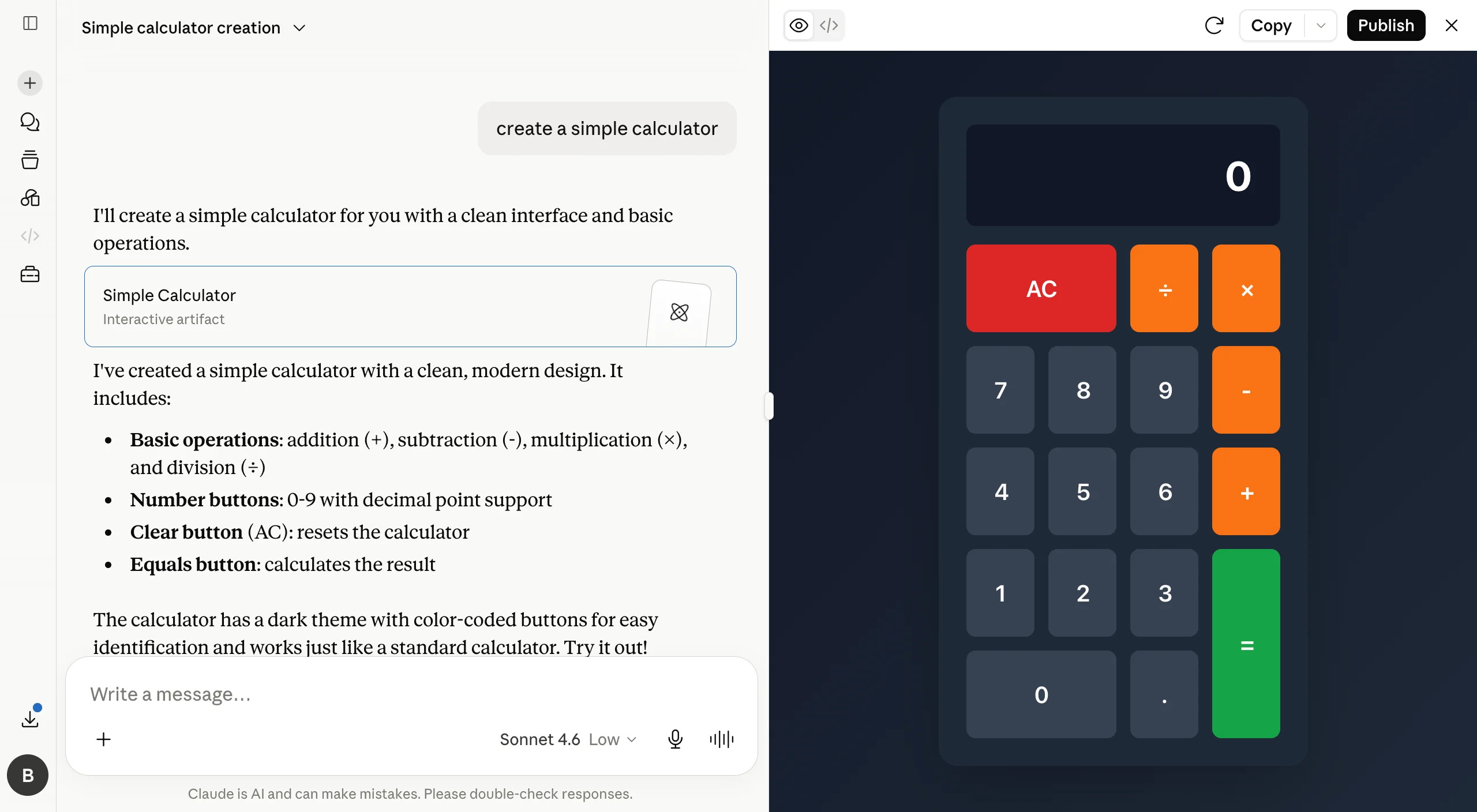
Claude figured this out early with Artifacts, and I still think it’s one of the cleaner product bets in the category: short answers stay in the thread; real deliverables graduate into a side pane with their own room to breathe.
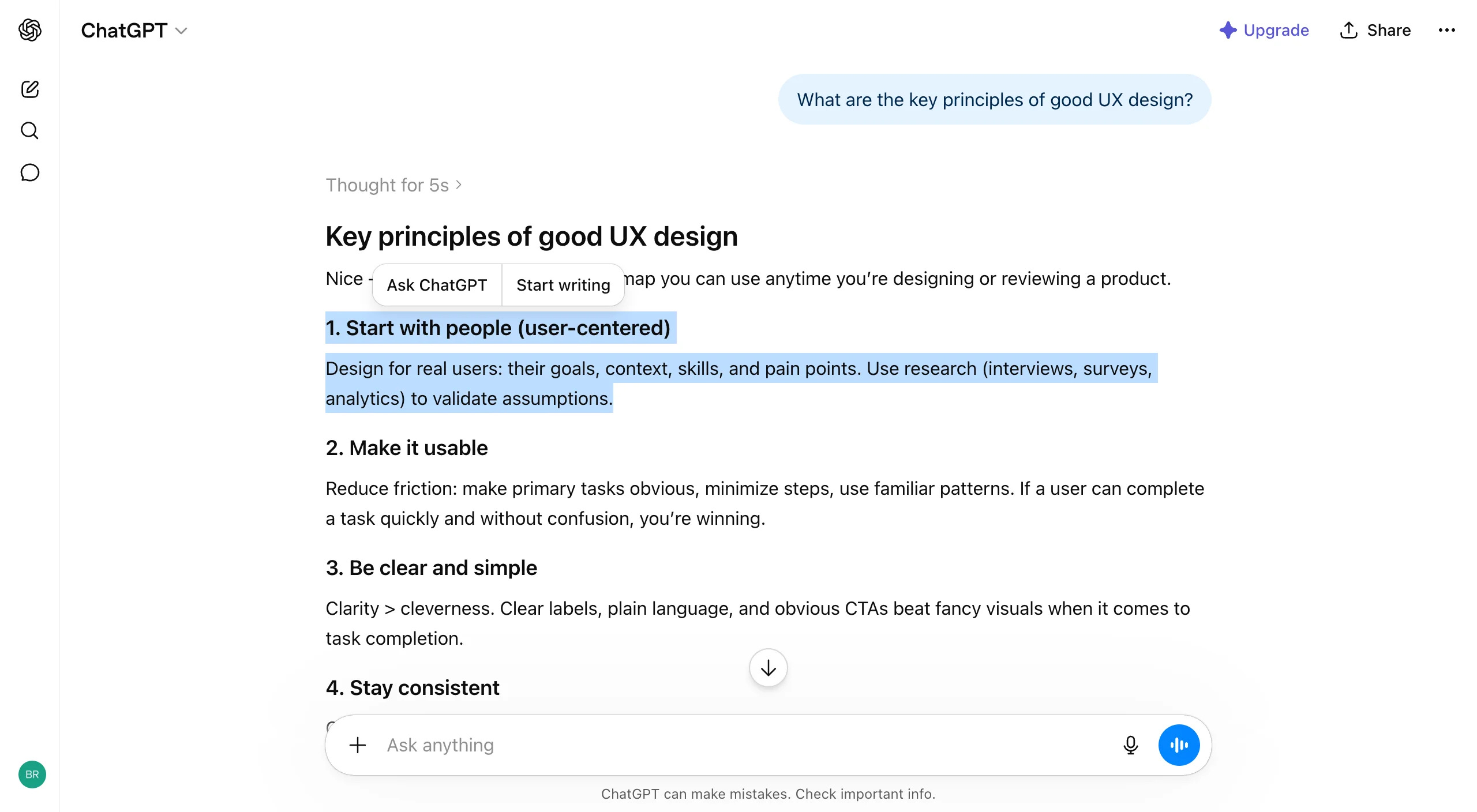
ChatGPT often does the opposite well. It keeps the draft in-thread, but makes it feel editable. Selection menus. Writing blocks. Version arrows after regenerate. Less “open an IDE,” more “this paragraph is now a thing I can poke.”
Perplexity treats answers like research reports you’re expected to export. Gemini leans into workspace handoff. Different containers, same job.
I don’t think there’s one correct container. I think there’s one correct question:
What does the user do after the first generation?
If they read and leave: stay in-thread.
If they iterate for ten minutes: give the object a surface.
If they need to take it somewhere else: export is the product.
We put the full side-by-side in the output & artifacts comparison if you want to steal with receipts.
This one makes me irrationally annoyed.
You finally get a paragraph that’s 80% right. You hit regenerate because the last line is weird. The whole thing vanishes. The good bits are gone. You are now a person who screenshots AI.
That’s not “exploration.” That’s teaching people that improvement is dangerous.
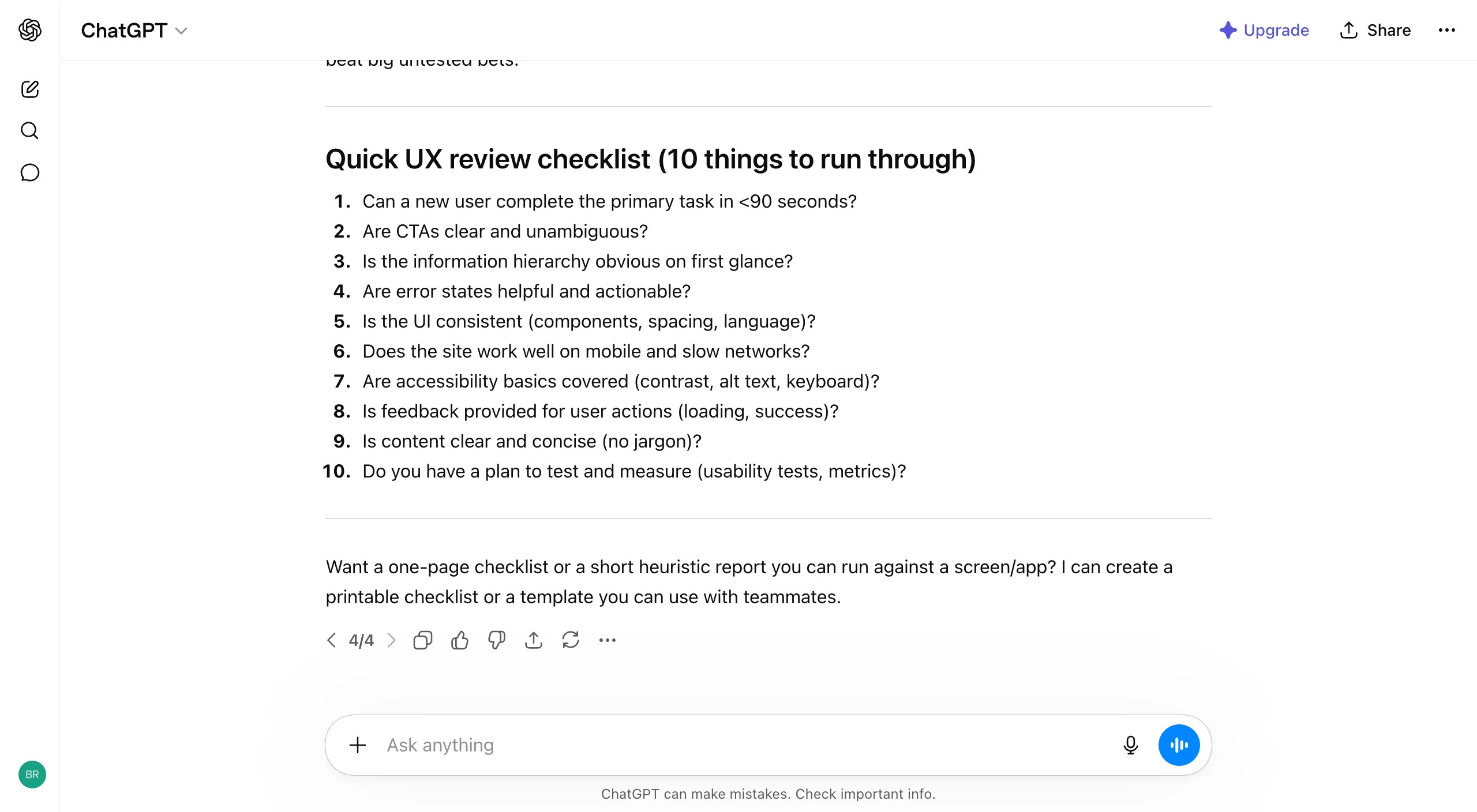
Non-destructive regenerate is table stakes. Prior versions. A carousel. Undo. Something. Regen carousel is the pattern name if you need to put it in a PRD without sounding dramatic.
Same energy for refinement: don’t force a full rewrite when someone highlighted two sentences. Response refinement is just “let me edit the part that’s wrong.” Surgical > theatrical.
This is the taste call.
If every “what’s the capital of France” answer opens a side pane, your product feels like it’s performing importance. If a 400-line script stays trapped in a scrolling transcript, your product feels like it doesn’t respect the work.
Claude’s instinct is still my favorite default: keep chat for the dialogue around the work, and promote the deliverable when it’s actually a deliverable.
Not everything needs artifact chrome. A short factual sentence with nothing to keep should just be a sentence. That’s fine. Restraint is a feature.
A lot of AI product design still treats output as a performance. Look how fluent. Look how long. Look how fast it streamed in.
Users don’t care about the performance after the second week. They care whether they can take the thing, change three lines, export the right format, and not lose Tuesday’s better draft when they ask for a shorter intro.
Approval gates matter. Memory matters. I’ve written about those. But if the final object is dead on arrival, the rest is theater.
A boring checklist I actually use:
Decide what graduates out of the bubble.
Make regenerate non-destructive.
Prefer selection refine over full rewrite.
Match export to the job (copy vs file vs share link).
Skip the fancy pane when there’s nothing to keep.
The longer playbook with product shots and demos is here: How to Design AI Output, Artifacts & Refinement UX.
I’m still not sure we’ve named this layer well. “Artifacts” is Claude’s word. “Canvas” is having a moment. “Output UX” sounds like a homework assignment.
Whatever we call it: the reply is not the product. The keepable thing is.
Thanks for reading AI/UX Playground! This post is public so feel free to share it.
No posts
Comments
Nothing yet. Say the first thing.
Sign in to join the conversation.