AI Clinical Training Should Be Built With Educators, Not Around Them
Five principles guiding how TMind AI approaches simulation, feedback, faculty oversight, and responsible clinical education.

Exploring how AI transforms therapist training, supervision, and mental health education.
Live Last read · last published · next check
Five principles guiding how TMind AI approaches simulation, feedback, faculty oversight, and responsible clinical education.
What a Stanford-led study on counselor training confirms, and why TMind AI was built around simulated practice plus structured feedback.
Every year, thousands of MSW graduates enter the post-degree phase of social work licensure without fully understanding what they’ve signed up for.
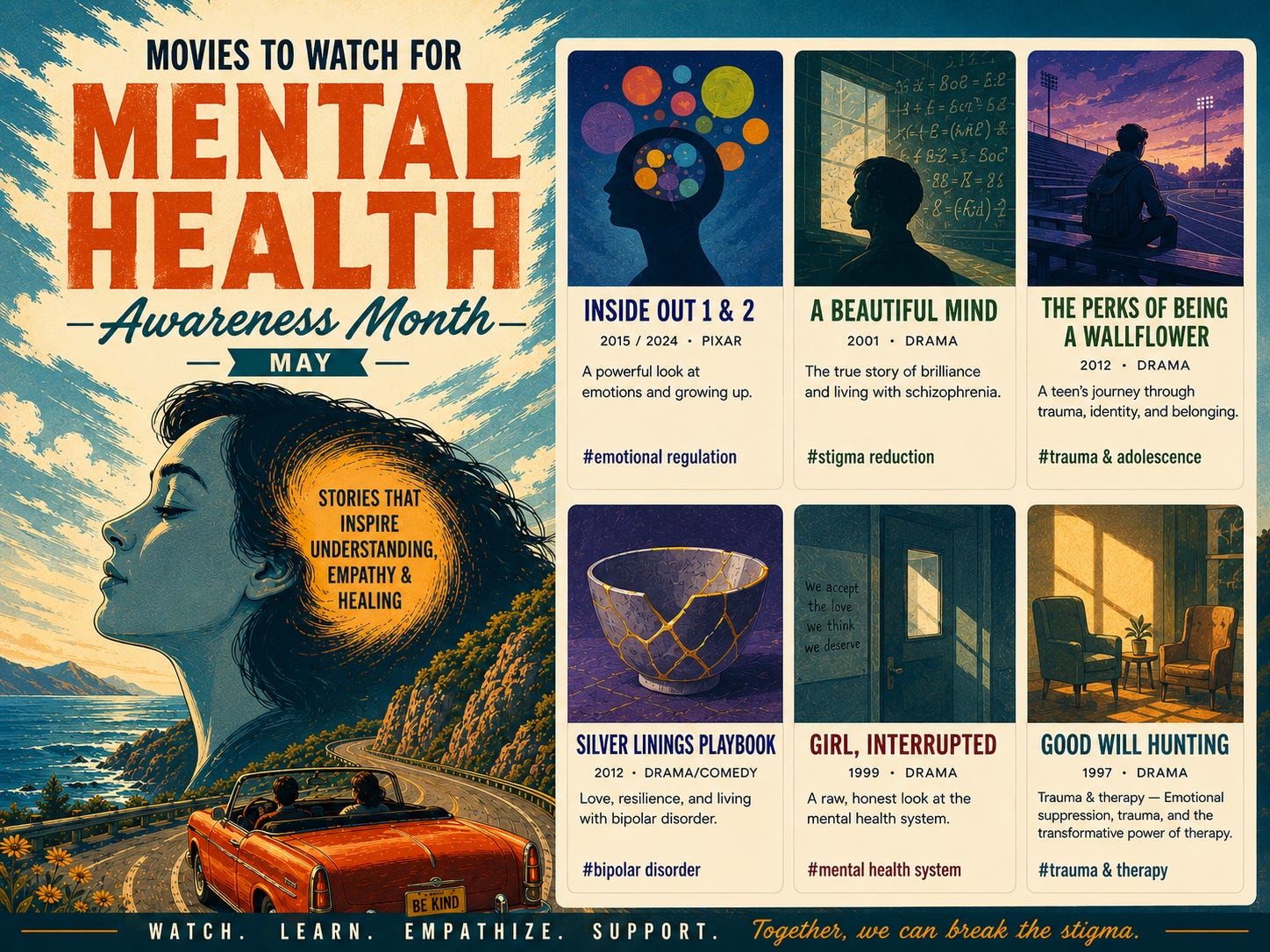
A Mental Health Awareness Month watchlist for clinicians, students, and anyone who has ever felt misunderstood
The history, the data, the progress America has made, and what you can do this month to be part of the movement.
What Mark's practicum at York University taught us about the gap between knowing and doing.
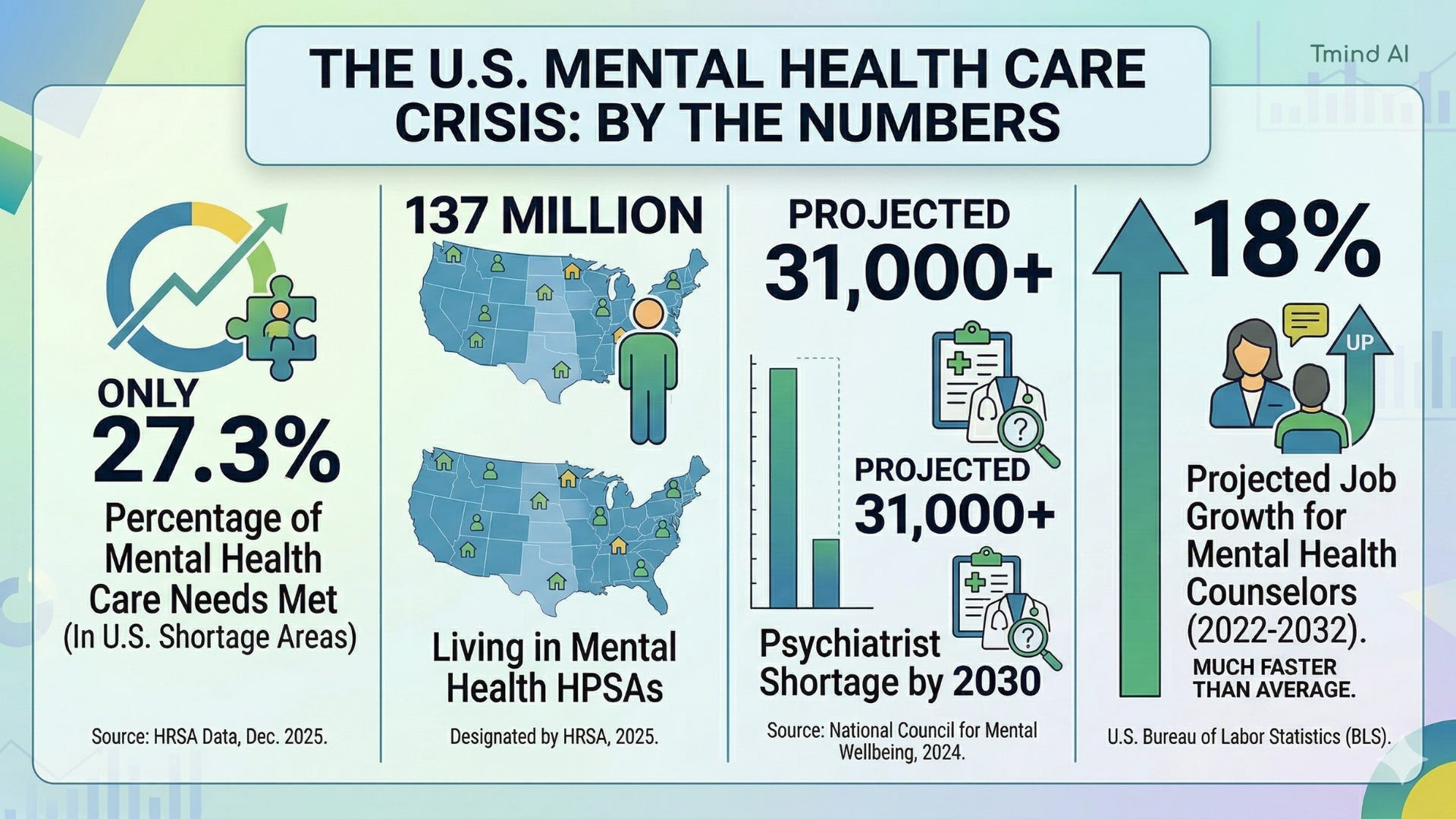
There’s a version of the mental health workforce crisis narrative that goes like this: we don’t have enough therapists, so we need to train more of them.
and where AI practice fits into each one
and what that looks like in 2026...
When we started building Tmind AI, we thought we were creating a simple therapy training tool.