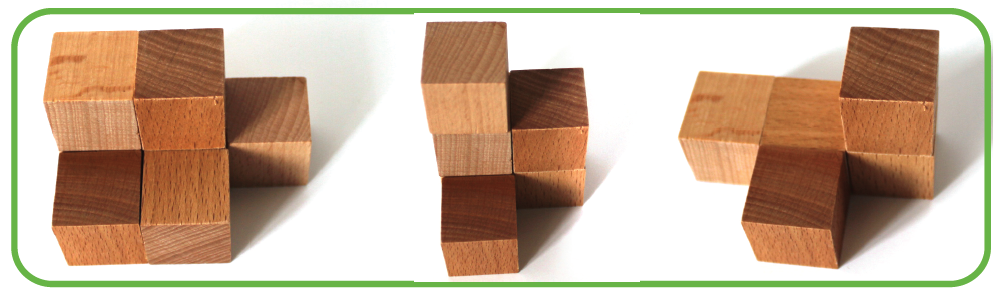
How Many Cubes Are Hiding? — The Guessing Game Across Three Ages
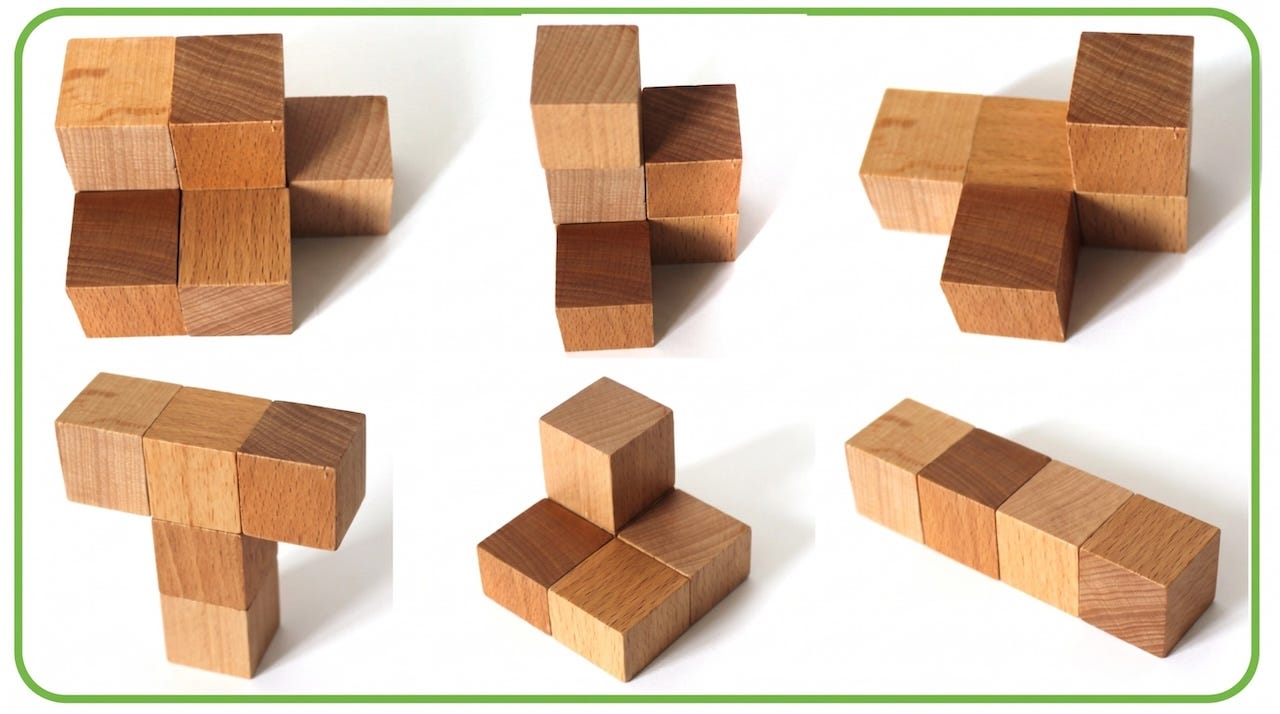
The hidden-cubes game across three ages — from finding one hidden cube to counting the 27 in a solid block, including the one in the middle no one can see.

Fröbel, Montessori and Reggio, made practical — for homes with more than one age at the table
Live Last read · last published · next check
The hidden-cubes game across three ages — from finding one hidden cube to counting the 27 in a solid block, including the one in the middle no one can see.
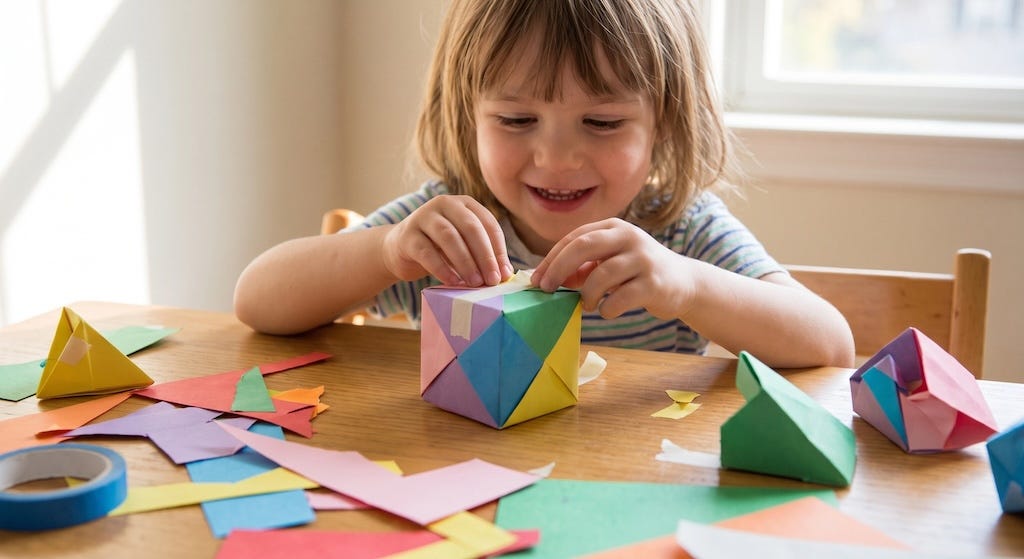
Ask a child how many cubes are in a stack and she counts only the ones she can see. Teaching her to count the hidden ones is where spatial sense begins.
Two kinds of play: combining parts into a whole, and transforming one unbroken whole into another. Why Fröbel thought the second goes deeper.
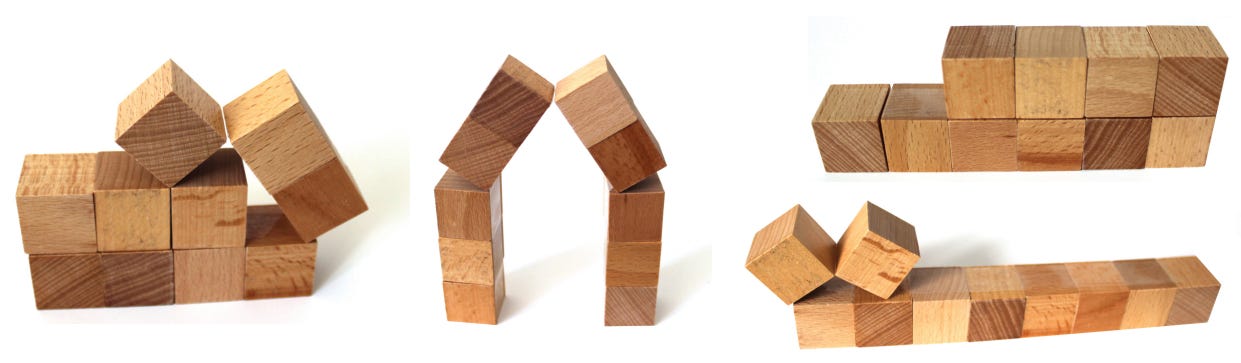
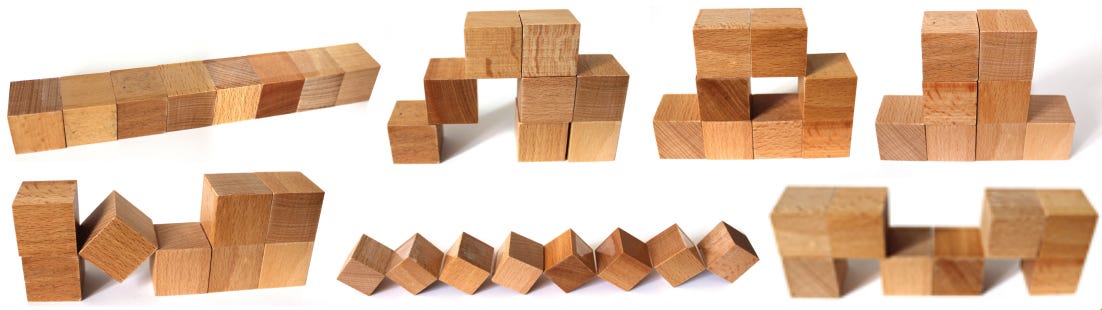
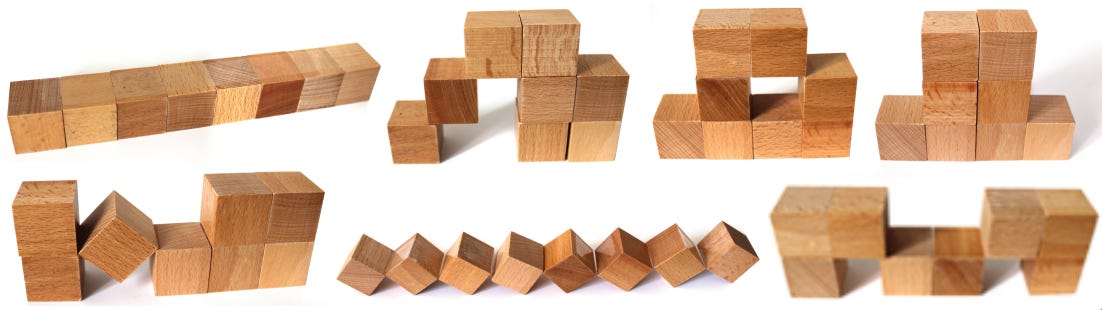
The folding cube puzzle, across three ages — from making it bend to proving why 8 cubes fold into a cube but 9 can't. Real maths in a chain of blocks.
Make a folding cube puzzle from 8 blocks and tape — one chain, a hundred shapes. A 5-minute DIY that teaches real geometry, from Fröbel's crystal studies.
Fröbel used one word — unfolding — for folded paper AND for a child growing up. The motion between flat and solid is his whole philosophy. The framework.
The wrapping game from Tuesday, built across three ages — from "which shape rolls?" to an 11-year-old proving why the sphere can't wrap flat.
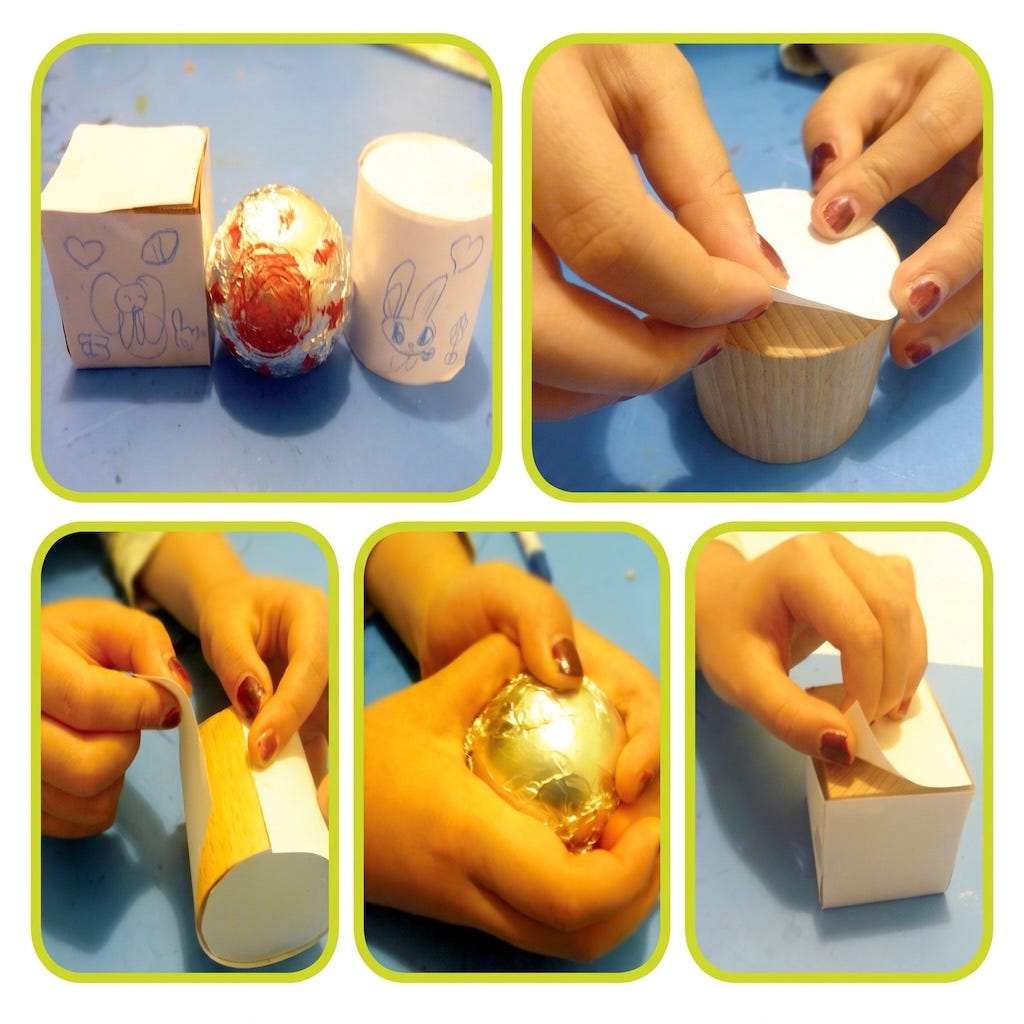
A paper-wrapping shape activity for kids that teaches 2D and 3D — and why a ball won't wrap flat, the same reason every world map is wrong.
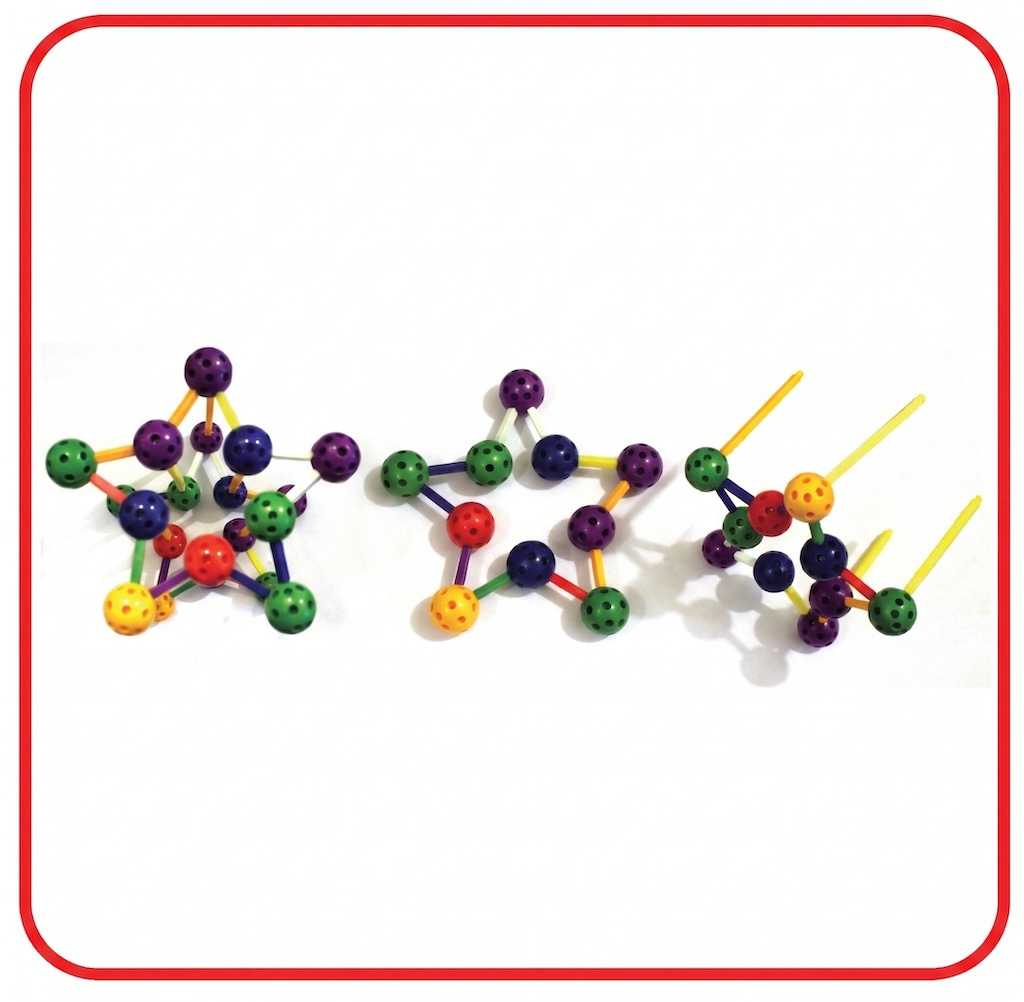
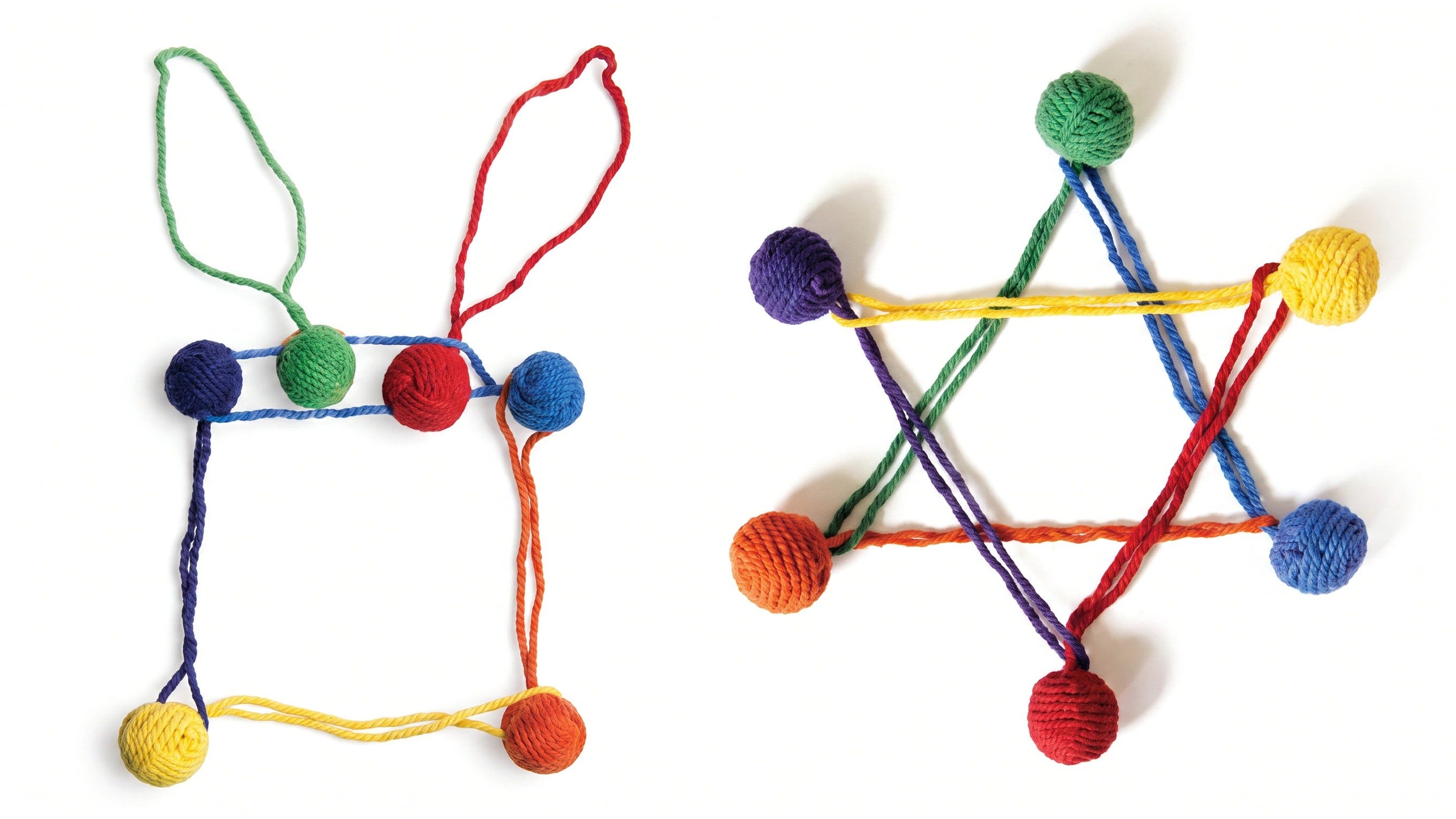
Tie a string between the coloured balls and a sorting game becomes geometry — Fröbel's path from solid to point, built across three ages. For members.
Tie a string between the coloured balls and a sorting game becomes geometry — Fröbel's path from solid to point, built across three ages. For members.
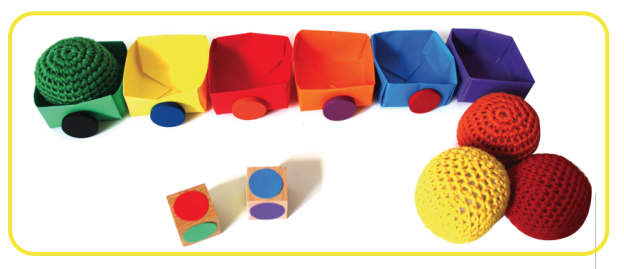
Fröbel put colour on his first toy, then said to ignore it. Montessori did the opposite. A colour-mixing train to make this week — and the idea beneath it.