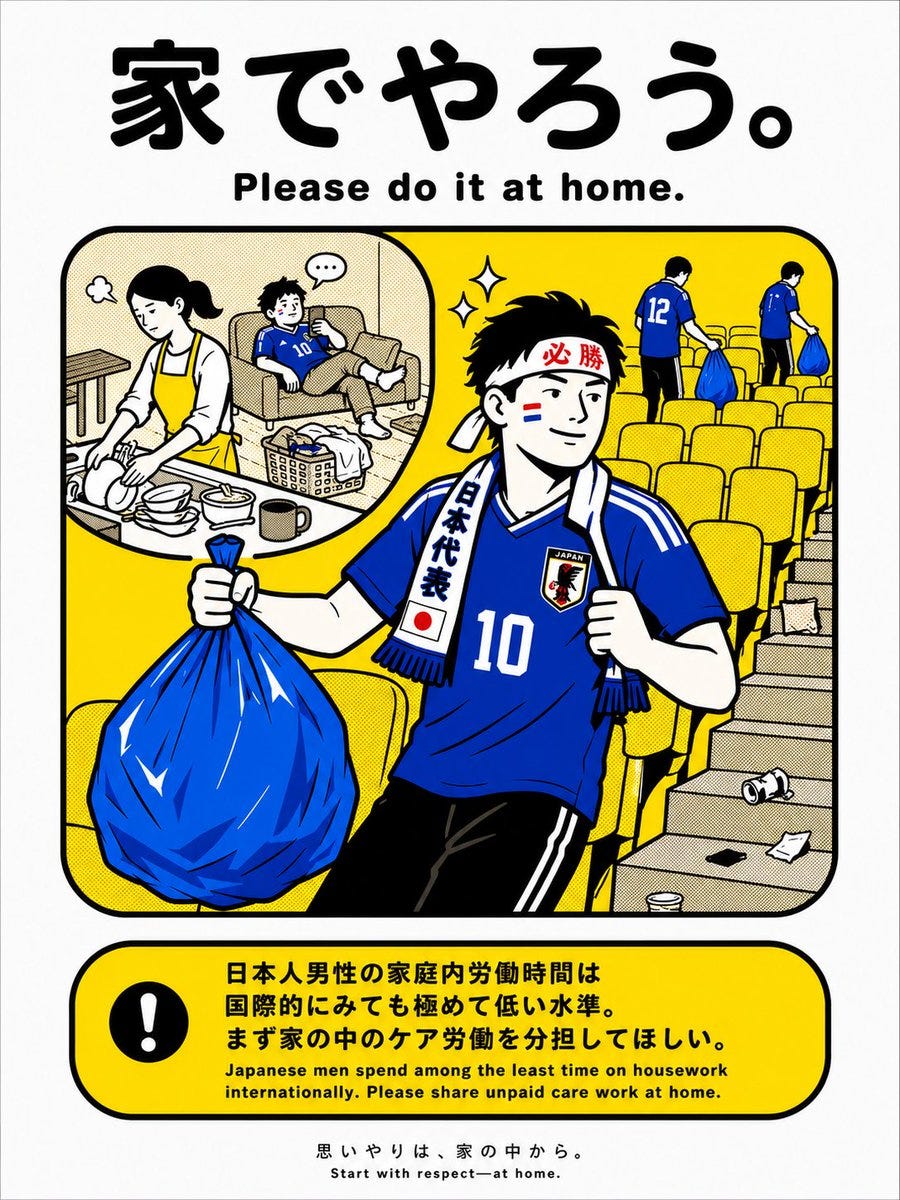
Fathers in Singapore are doing more at home. Mothers are still doing more.
This Father’s Day, what would make care more shareable: at home, at work, and in social service practice?

A monthly newsletter on social service research in Singapore for researchers, practitioners, and the general public. It also documents all socialservice.sg productions and publications. (Cover and feature image by Rayson Tan on Unsplash).
Live Last read · last published · next check
This Father’s Day, what would make care more shareable: at home, at work, and in social service practice?
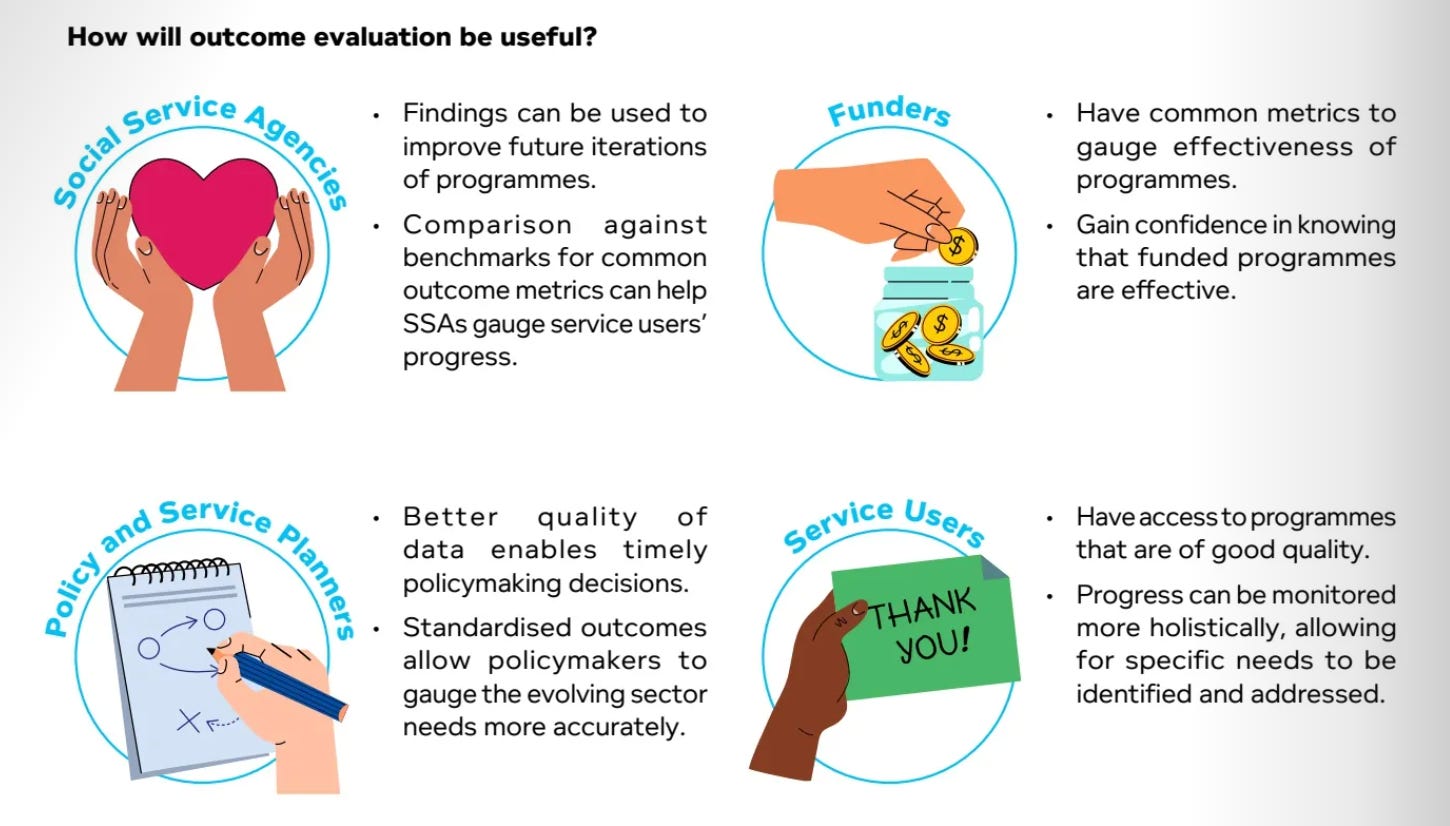
More are recognising the value of monitoring, evaluation, and learning. But without headcount, programme theory, and room for experimentation, we risk mistaking evaluation literacy for learning.
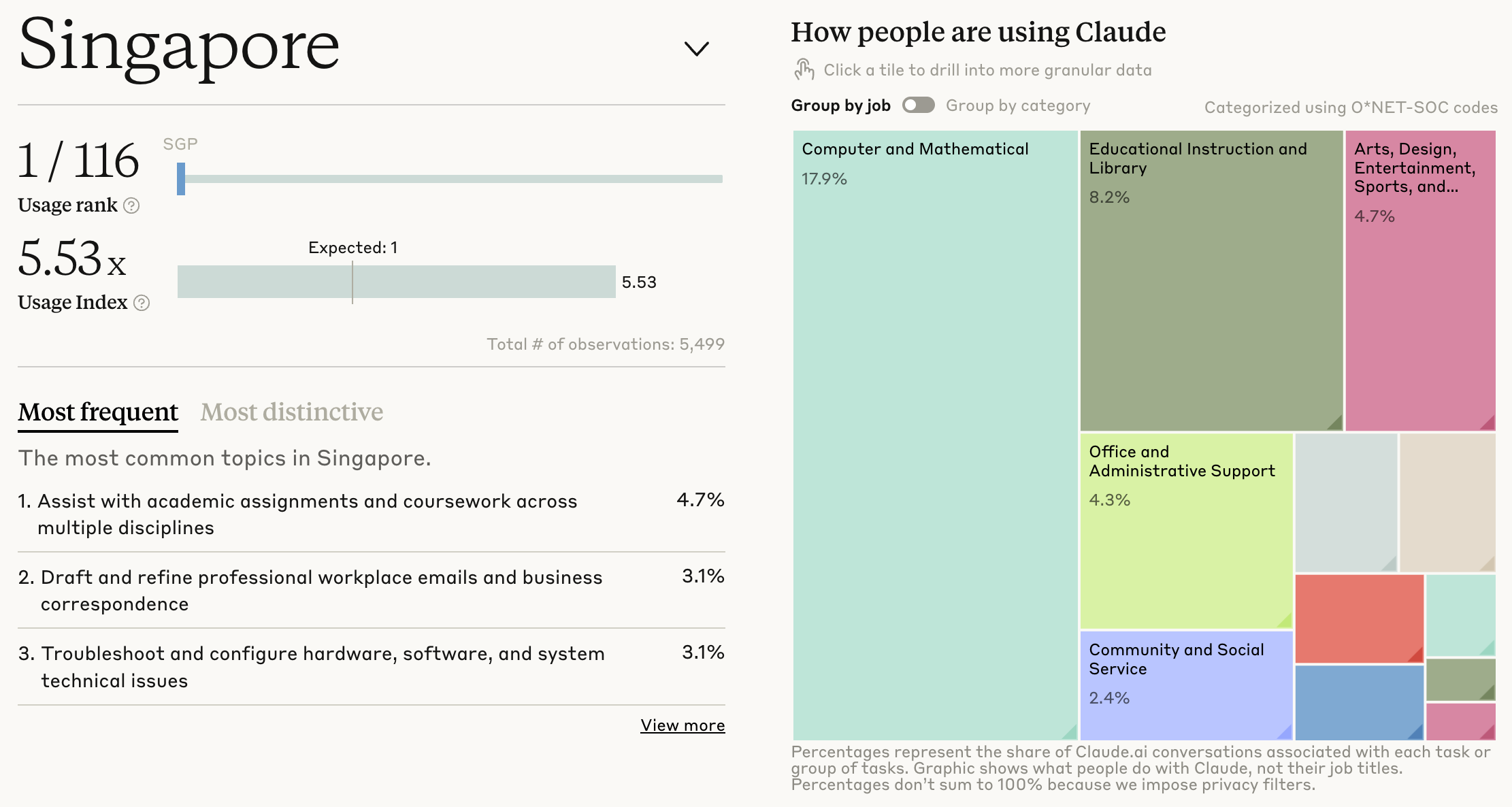
AI is reshaping service users, helping relationships, social workers, organisations, and the sector’s ties with funders, donors, and the state.
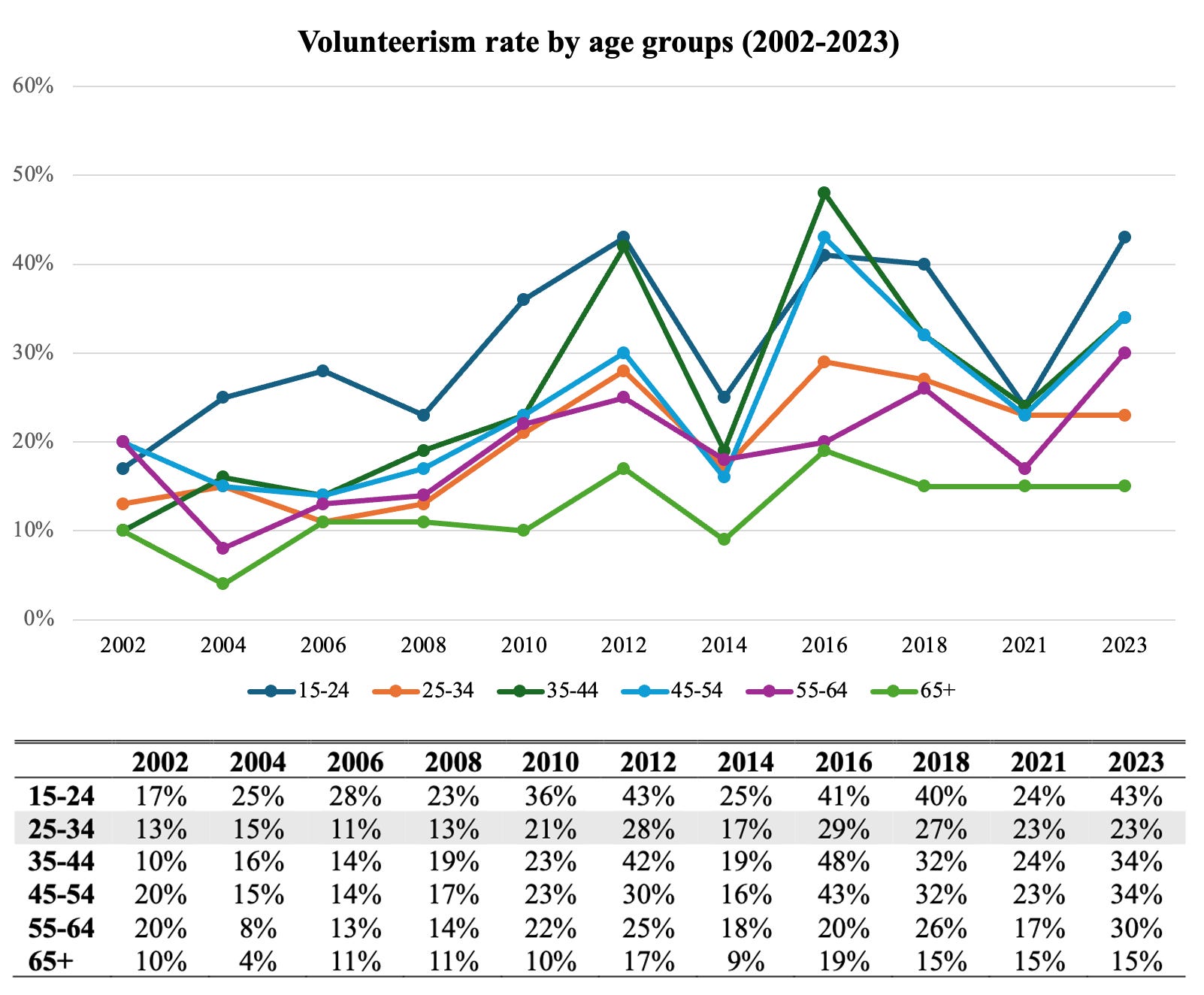
The latest National Giving Study finds lower volunteerism and donation rates, even as it tries to broaden the language and concept of “giving.” That shift warrants closer methodological scrutiny.
Singapore is going all in on AI. But public trust will depend on whether the benefits, risks, and voice are shared fairly.
30 per cent; Nine per cent versus $5,000; It's 2025 (not 2024); Two-thirds; and One or many?
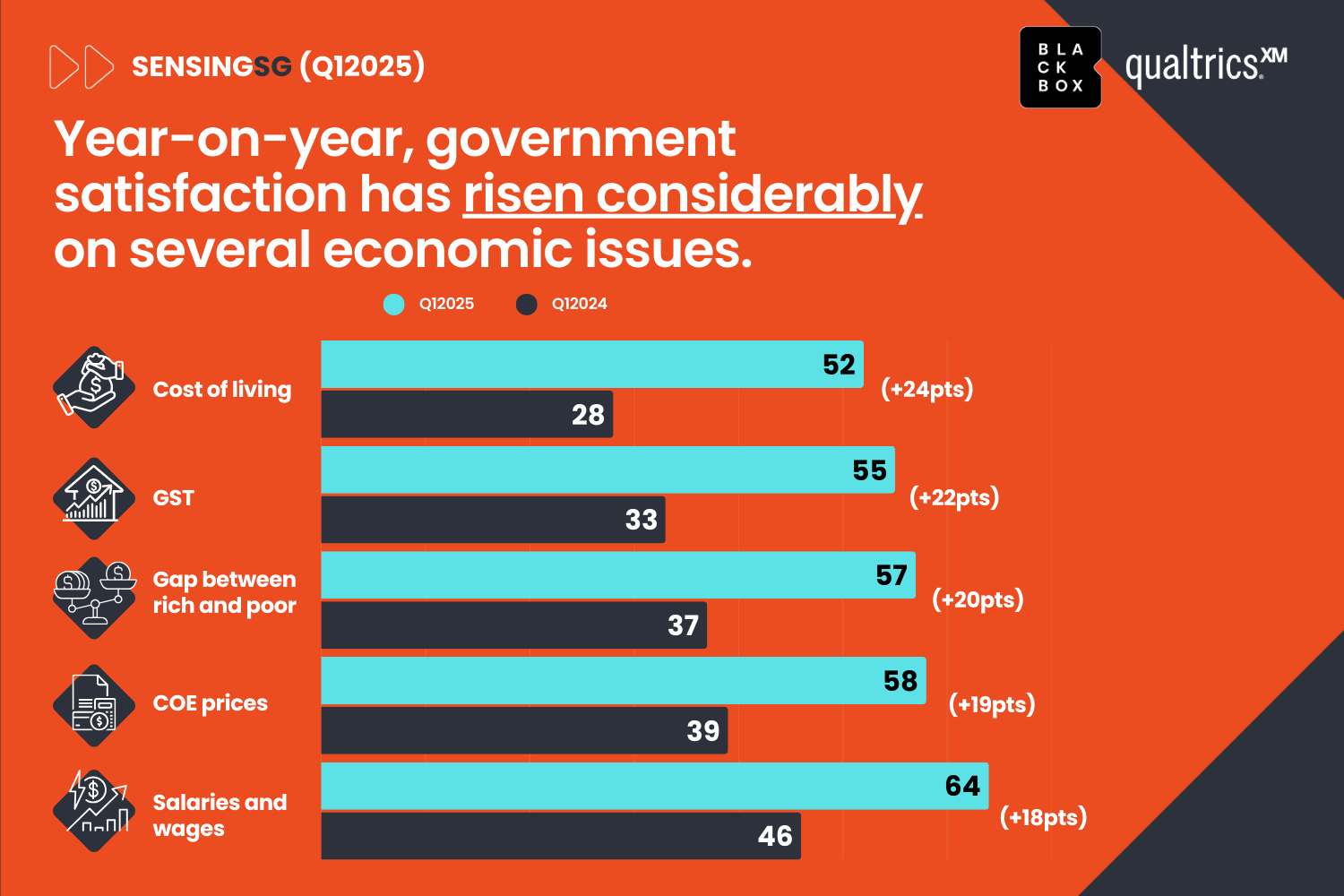
“It’s the economy, stupid?”
“It was the best of times; it was the worst of times.”
“It’s up to us MPs to make sure that peoples’ voices are heard in parliament.”
How do I learn more about the candidates? And what works with new candidate introductions, quantitatively, qualitatively, and substantively?