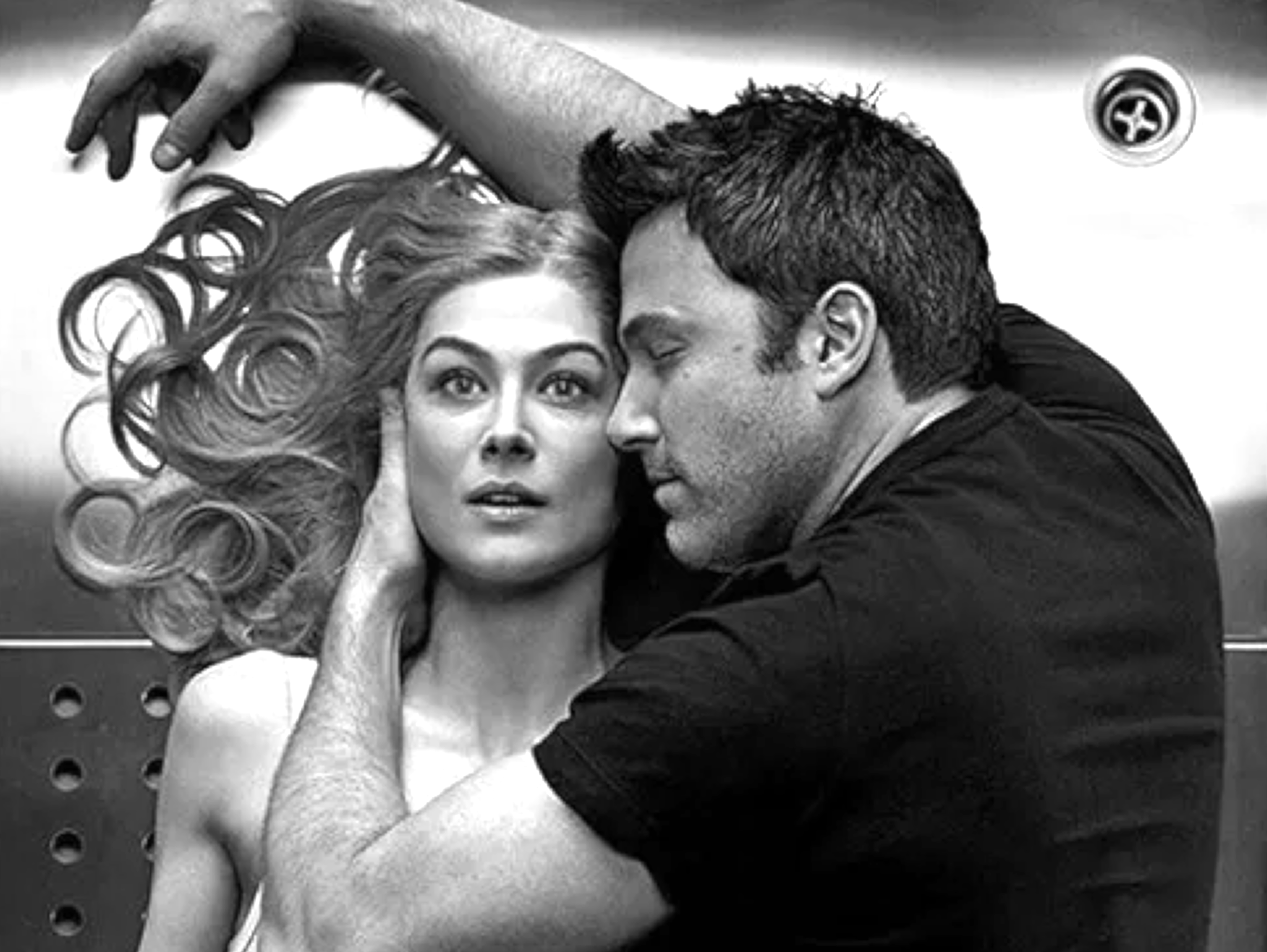
“You’re so beautiful - I could never throw a bottle of milk at you across the kitchen”
Everyday narcissism in dating

How does narcissism help us understand the links between trauma, fame and leadership? And can we understand the sometimes shocking behaviour of those we choose to be inspired by? I am a clinical psychologist interested in fame and power.
Live Last read · last published · next check
Saves to your Listen queue, to pick up on another day or another device.
Everyday narcissism in dating
The role of judgment in narcissism starts as early as language permits. Implicated in its development is a family culture of judgment. There are harsh words. There is denigration. Shaming. This judgment is aimed at the child and their mind in an unmeasured way. This is the opposite of curiosity, interest and empathy.
Here is the link to Friday’s Weekly Dish episode in which Andrew asks me some difficult questions about narcissism, fame and power, via some of the iconic figures I have been writing about and some that I haven’t.
Domination, territory and the inflamed mind: The narcissistic mind, compared with others, makes its presence more felt. The narcissistic mind is loud. Not only loud, but it can also be interesting, creative, intriguing and persuasive. It will get its way. Its influence will begin locally but expand. It will seek a wider audience. It will gain territory. The space for other minds will decrease. It…
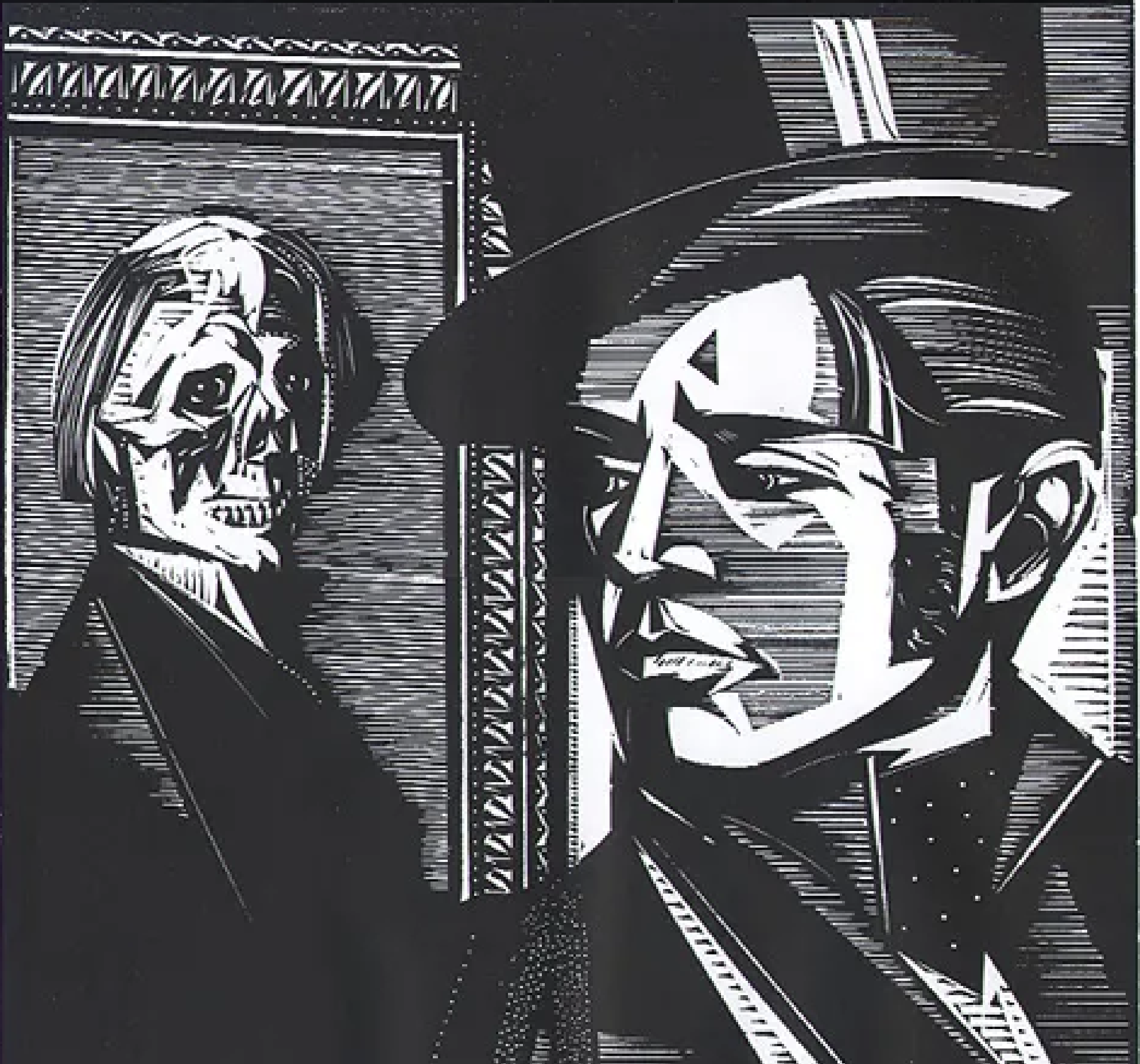
This article is not about the health impacts of dissociation. It is about how the narcissistic perpetrator makes use of their own dissociation in order to carry on doing what they are doing. In order to move from the one-off act to the compulsive and prolific. My case study is a famous man. But he is fictional. His name is Dorian Gray and he lives in Victorian London.
Sometimes human beings do things to themselves that don’t immediately make sense. Like self-harm or self-sabotage. One of the most common is self-criticism. As part of narcissism, it can be quite a surprising thing to find. But it has hidden parts to play.
Watch now (69 mins) | Can I trust Nathalie? Can Nathalie trust me? We explore the area of trust and narcissism.
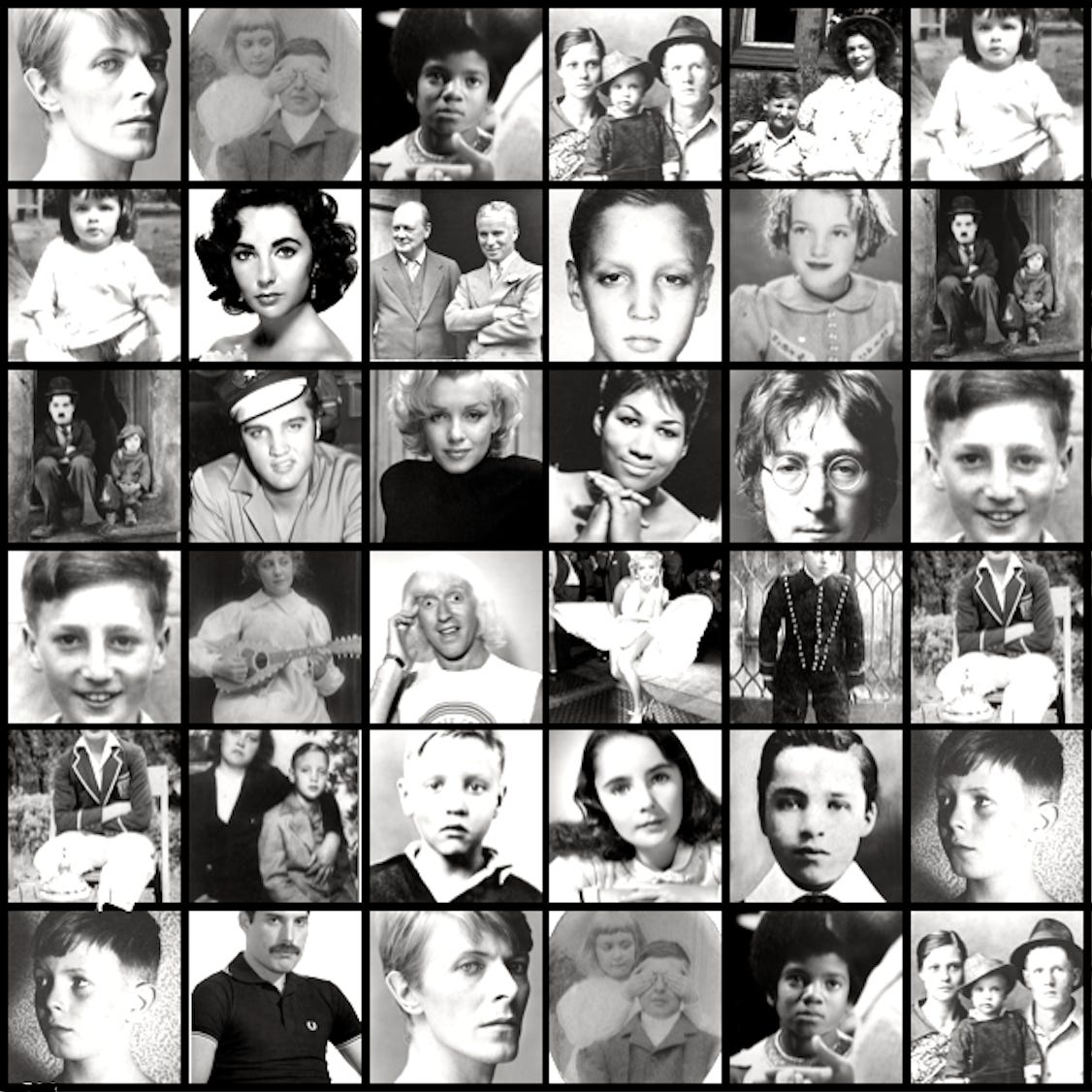
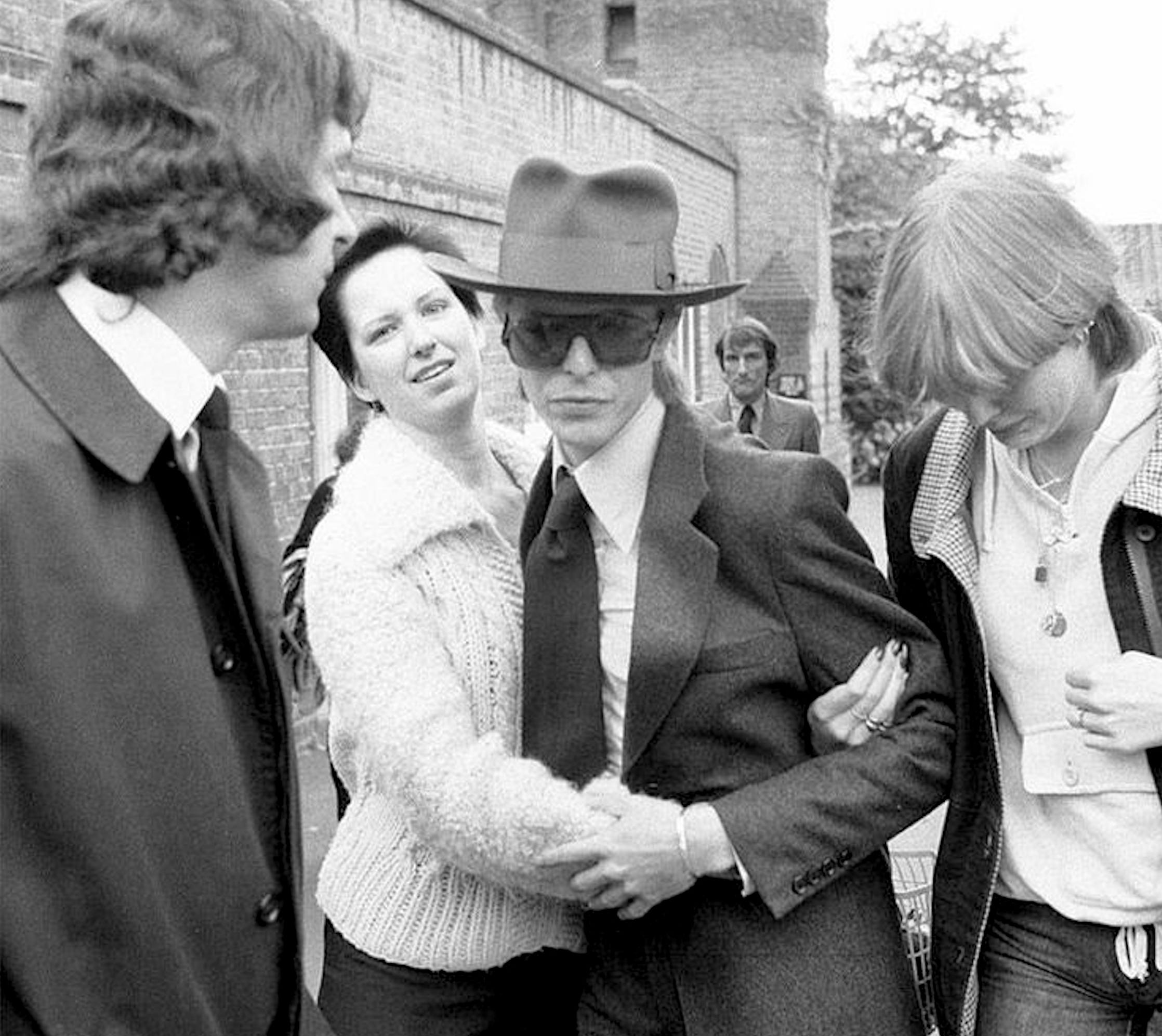
It’s time to take a step back, because I have now explored the lives of 15 icons as part of an experiment here on Substack. This article also is a kind of a personal experiment, to look back at these 15 without reading – to reflect on what I learned and what stands out now in my mind. This can also service as a kind of index of the 15 with links – in case you have arrived here more recently and…
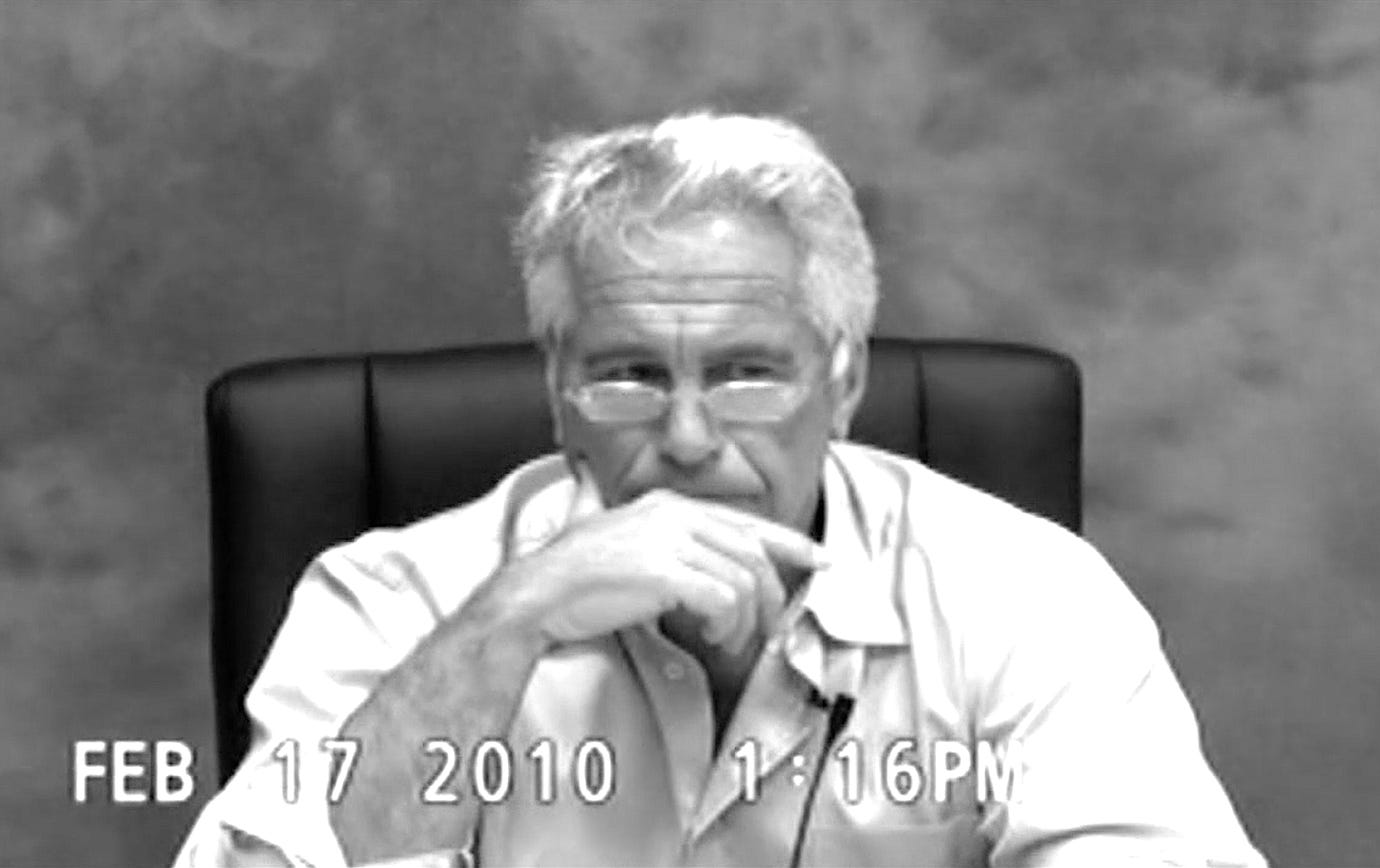
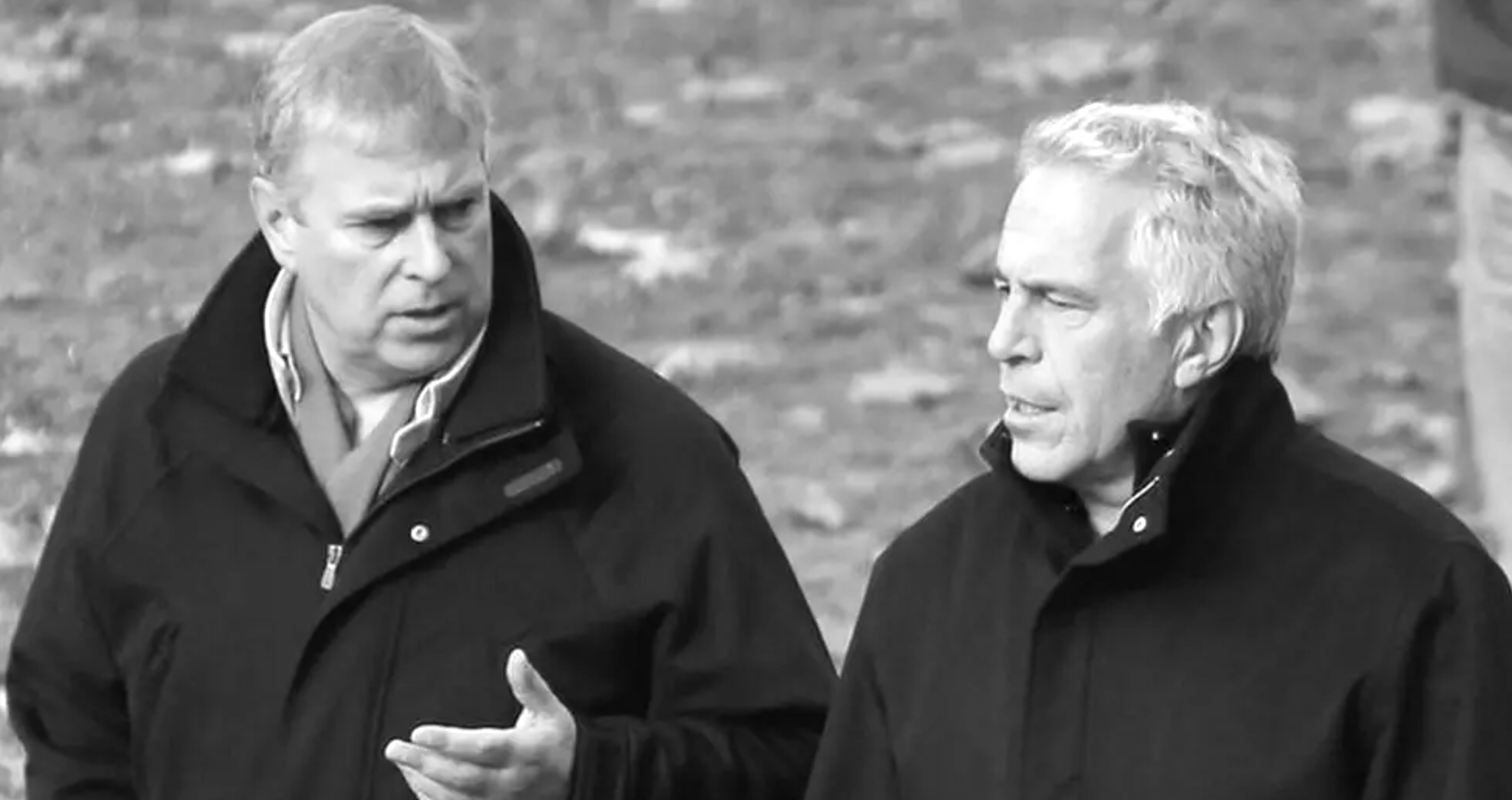
Annie Farmer was a victim of Epstein and Maxwell. She was trying to make sense of the experiences of the women involved – experiences of being victimised and also of pursuing justice. Annie made a statement: “It’s not uncommon that people who are predators have come to occupy positions with a lot of prestige or power in some way. I didn’t recognise this as the systemic issue that it was.”
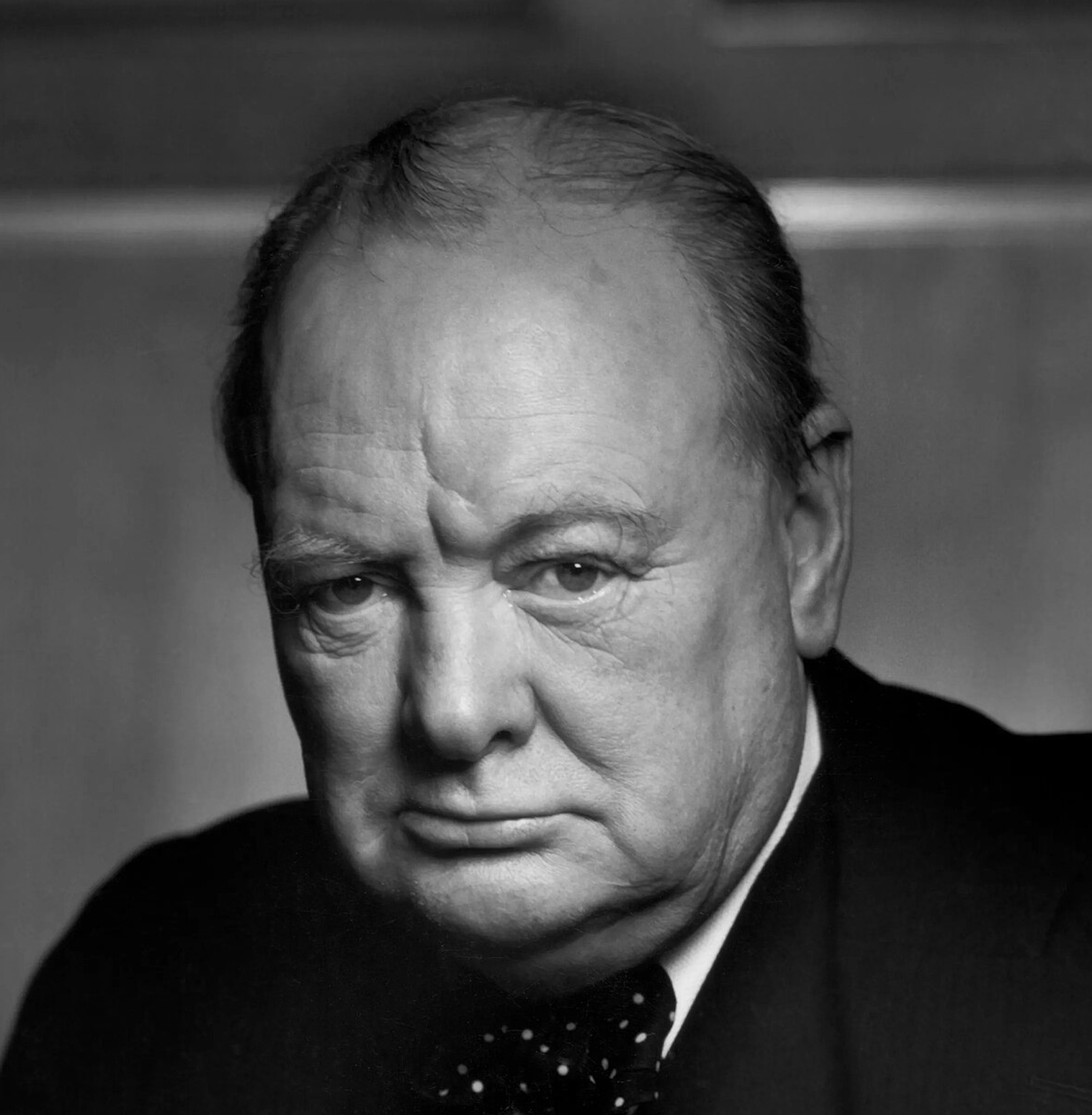
Yes, for this first son of an English Lord, there was idealisation and specialness. But this came in a context that is also an important part of the narcissism algorithm. It was part of a childhood devoid of parental interest and packed with condemnation.