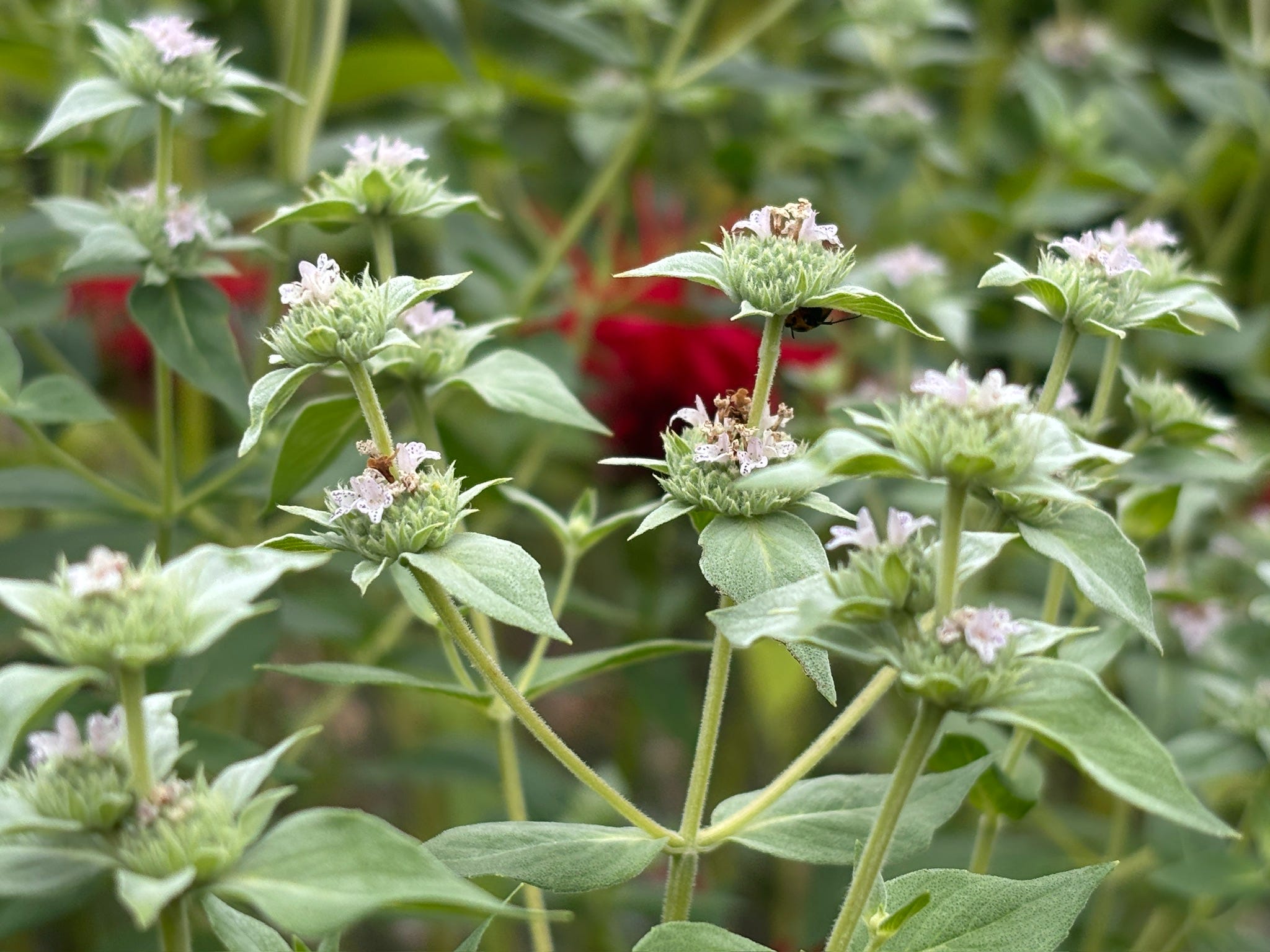
Clustered mountain mint (Pycnanthemum muticum): The plant we keep giving awards to
I don't know if the plant cares about awards. But it sure does like attracting insects.

A publication dedicated to making plants, gardening, and supporting wildlife accessible to everyone.
Live Last read · last published · next check
I don't know if the plant cares about awards. But it sure does like attracting insects.
Researchers measured if plants made their nectar sweeter when they "heard" pollinators nearby. They also checked to see if flowers vibrated in response to sound (sort of like eardrums do).
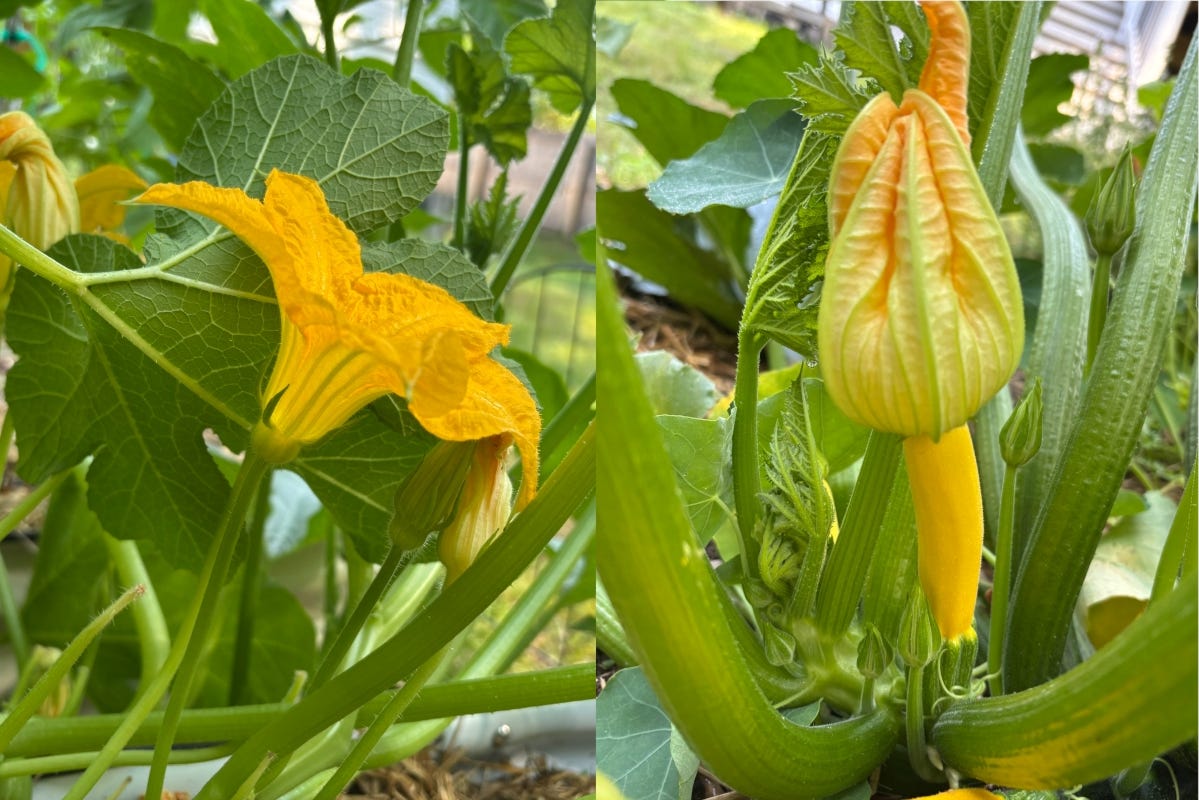
Squash flowers (along with watermelon and cucumber flowers) only bloom for a few hours. In that short window, we need bees to carry pollen from male to female flowers, or we won't get a harvest.
Bees and butterflies like it too, but only if they have really long tongues or a tube for a face.
The advocacy can be annoying, and the science is still emerging. But there are good reasons to plant natives and to persuade your neighbors to plant them, too.
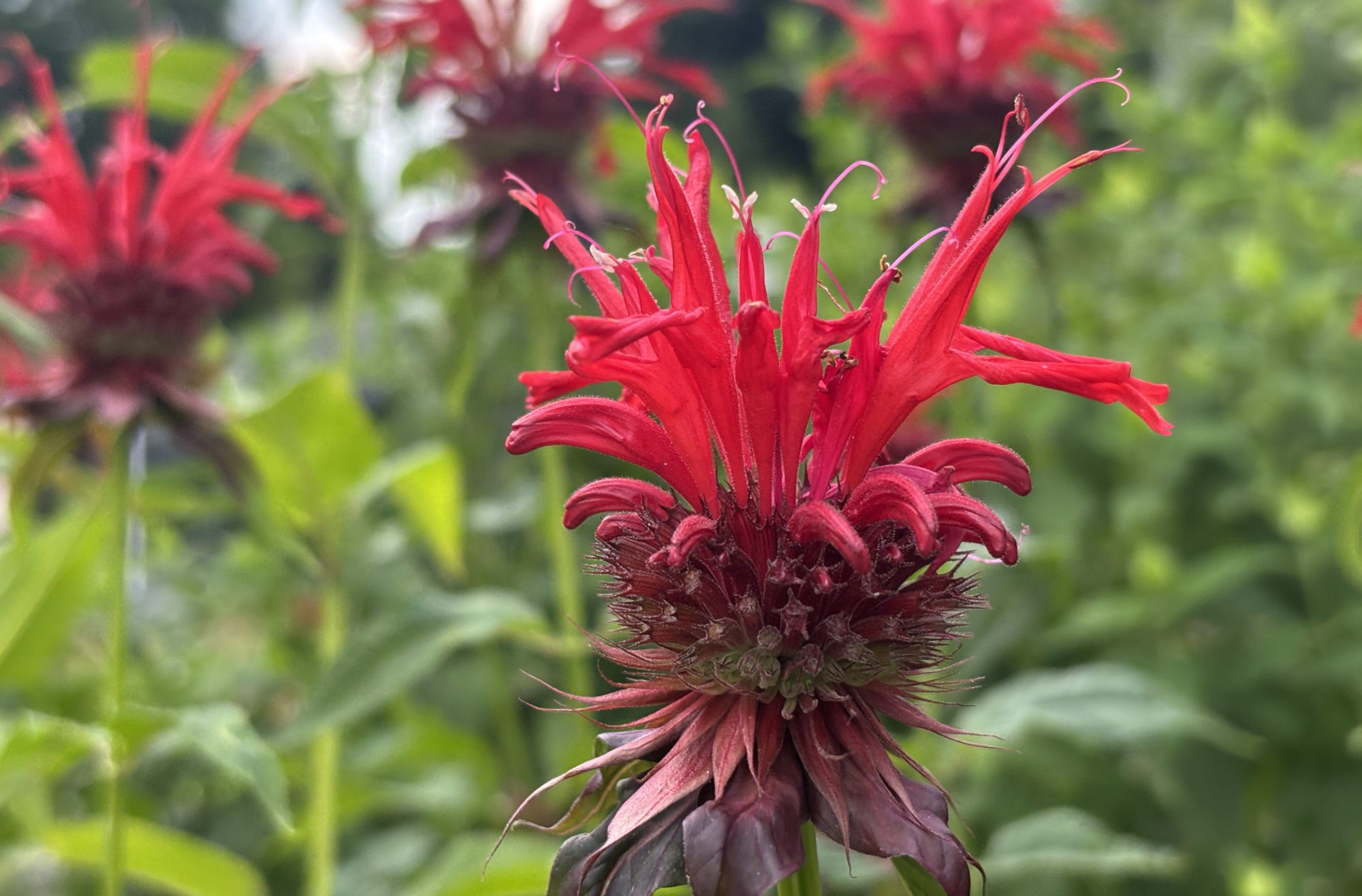
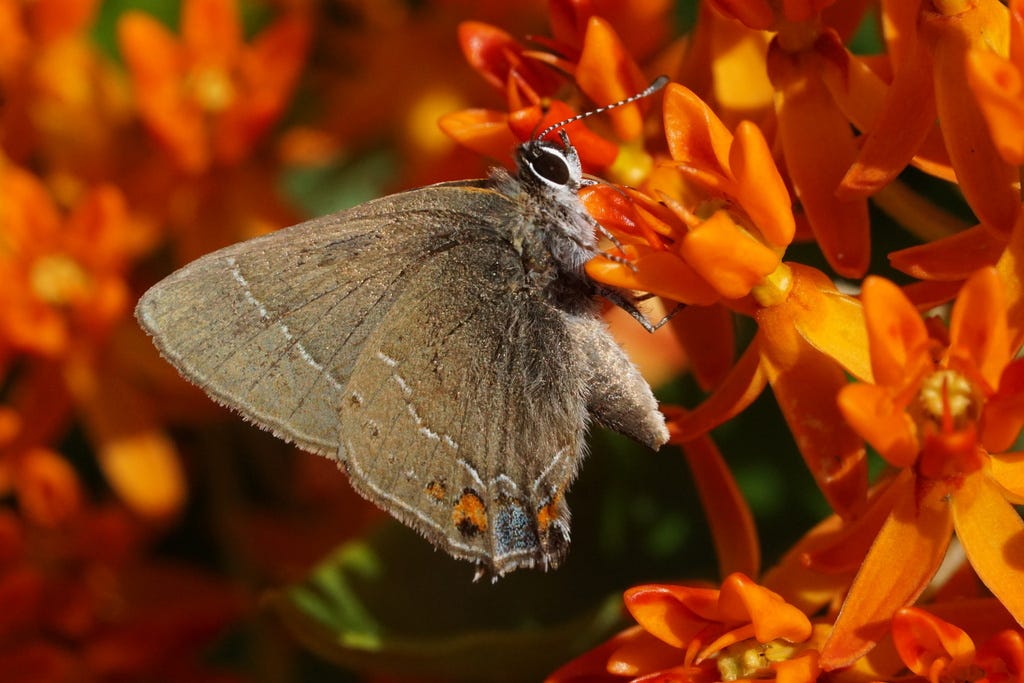
Gives the insects that feed on it Black Panther-like powers, produces truly bizarre and beautiful flowers each summer, and does great it mediocre, rocky soil.
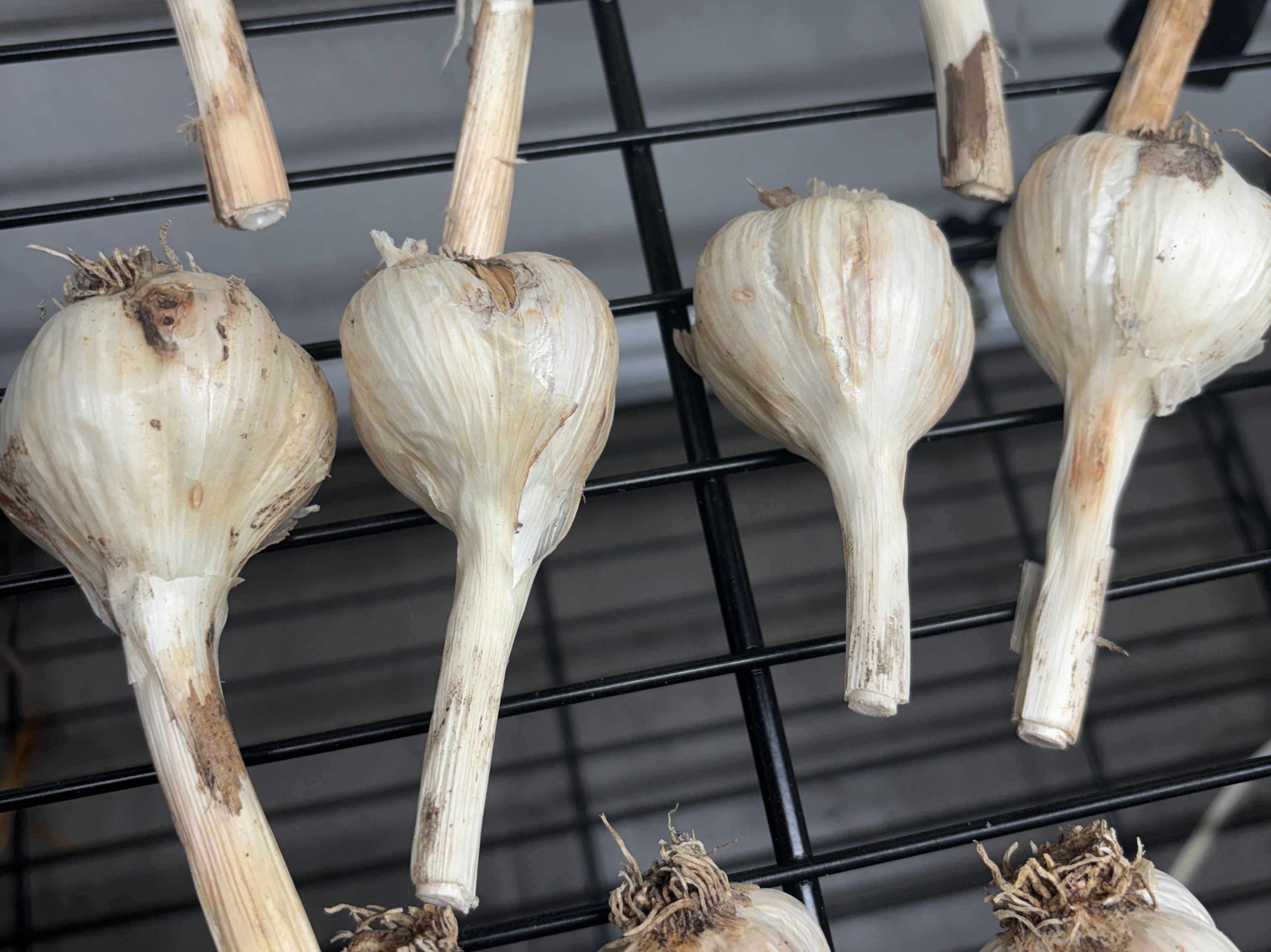
The timing, the subtle (and not-so-subtle) cues, how to cure and store, and what happens if you let it flower.
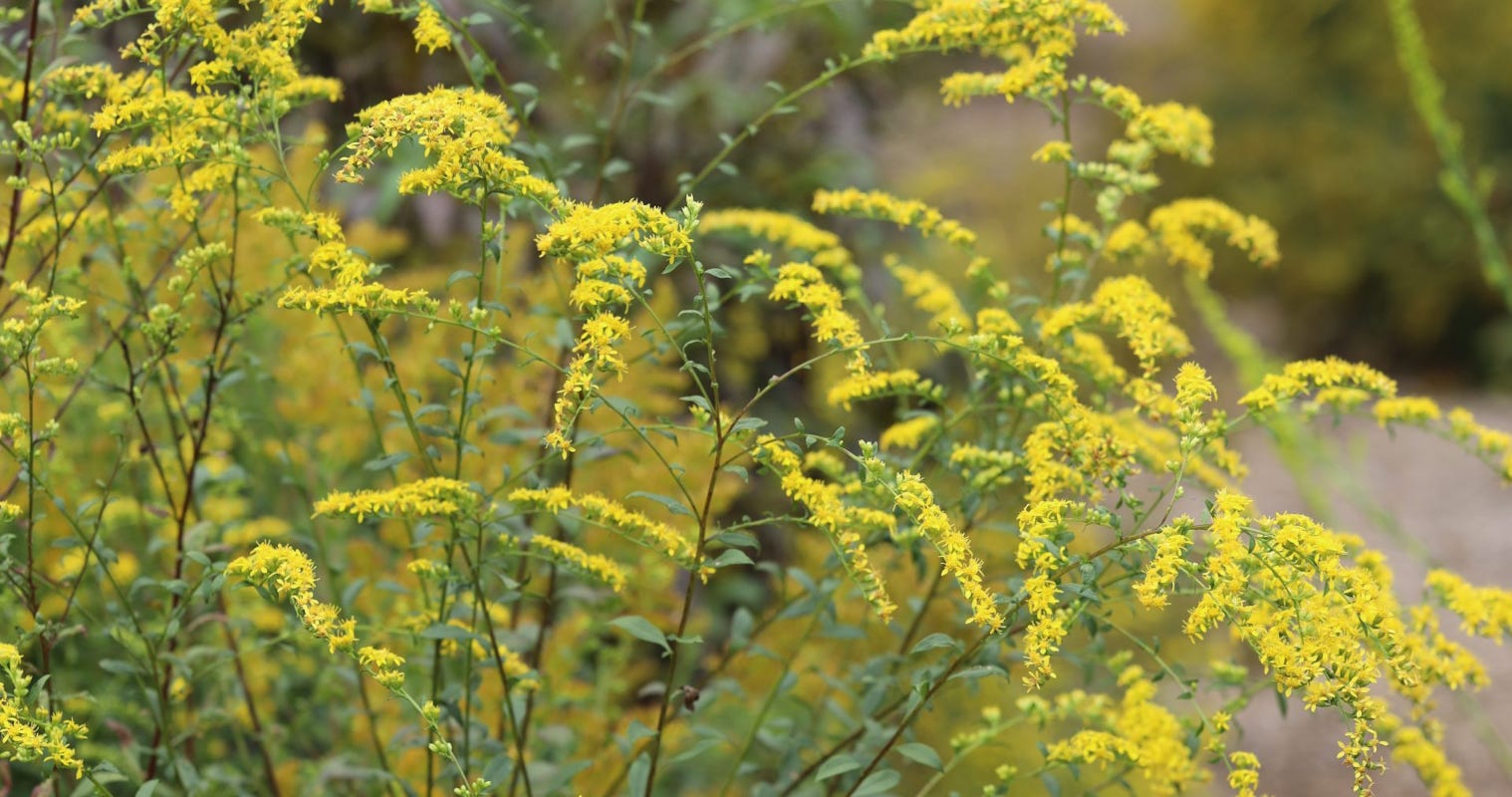
There's not really a wildlife category. But Mt. Cuba Center did count which goldenrods attracted the most insects. These 5 were the most impressive of the 70 in the trial.
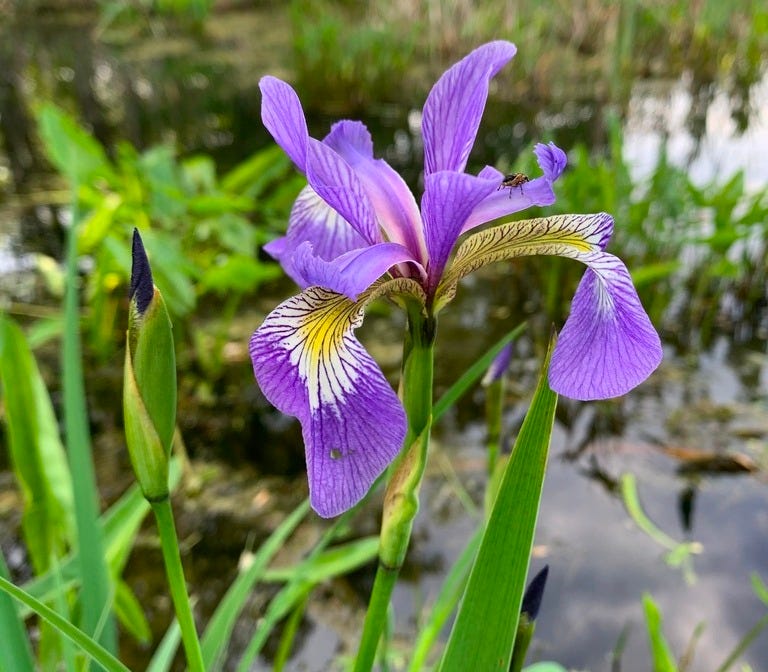
A plant whose flowers impressed people so much they made up a whole new set of botanical jargon. Excellent for rain gardens and clay soils.
This giant sequoia (Sequoiadendron giganteum) is one of nature’s largest, longest crescendos.