How I Studied Japanese in 1976, Part II
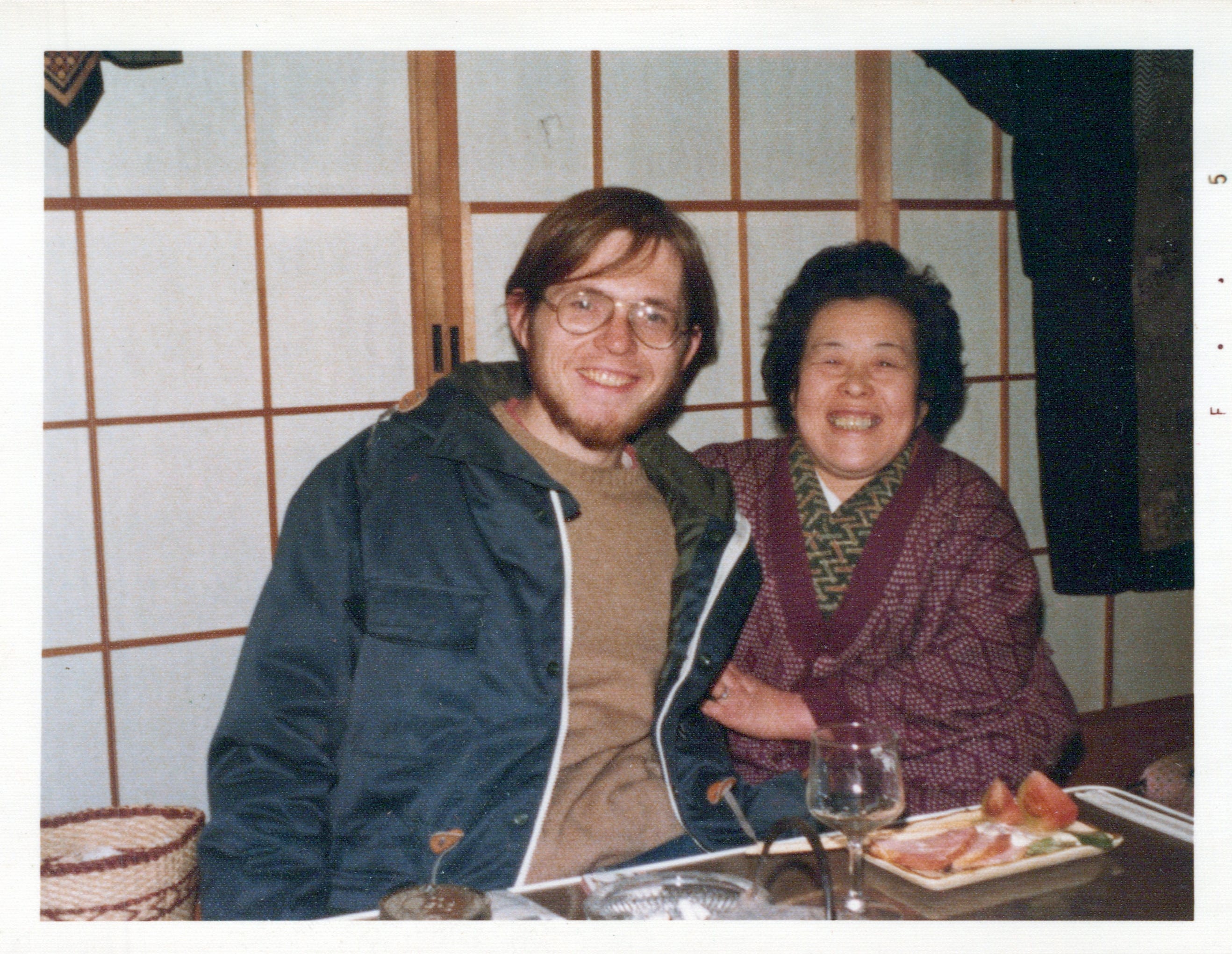
Exactly fifty years ago this July 4, I boarded a plane for my first trip to Japan!

Encounters with the Japanese Language
Subscribe:.rss.atom.json.md.m3u.pls
Live Last read · last published · next check
Exactly fifty years ago this July 4, I boarded a plane for my first trip to Japan!
In a recent article on the character 運 (Why does Japanese use the same character for “luck” and “carry”?), I quoted a famous sentence from Dōgen, the thirteenth-century Zen master, in his masterwork Shōbōgenzō (正法眼蔵, “Treasury of the True Dharma Eye”—and hold on to that word “Dharma”):
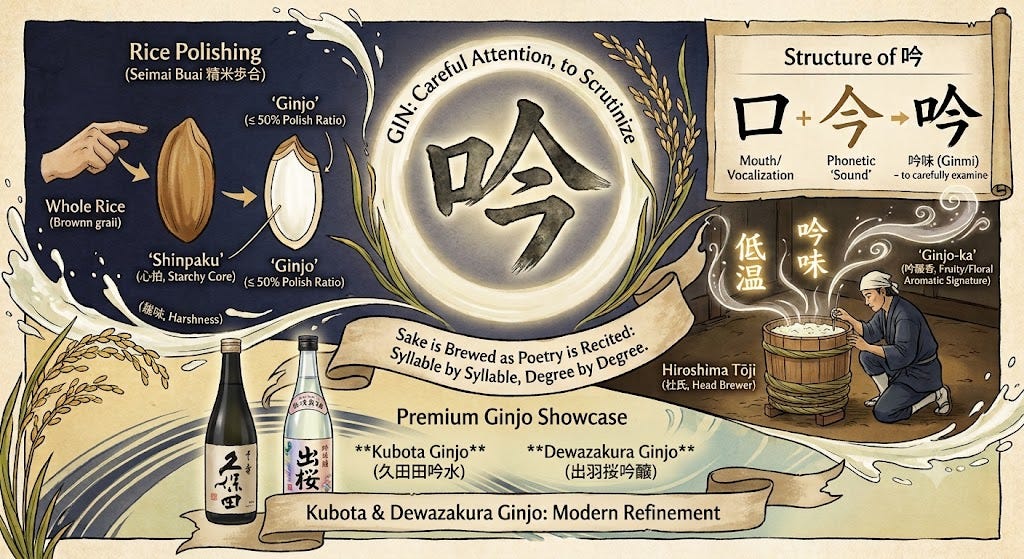
Most people who drink sake learn right off the bat that a ginjo (吟醸) or daiginjo (大吟醸) means something exceptional is happening in the bottle.
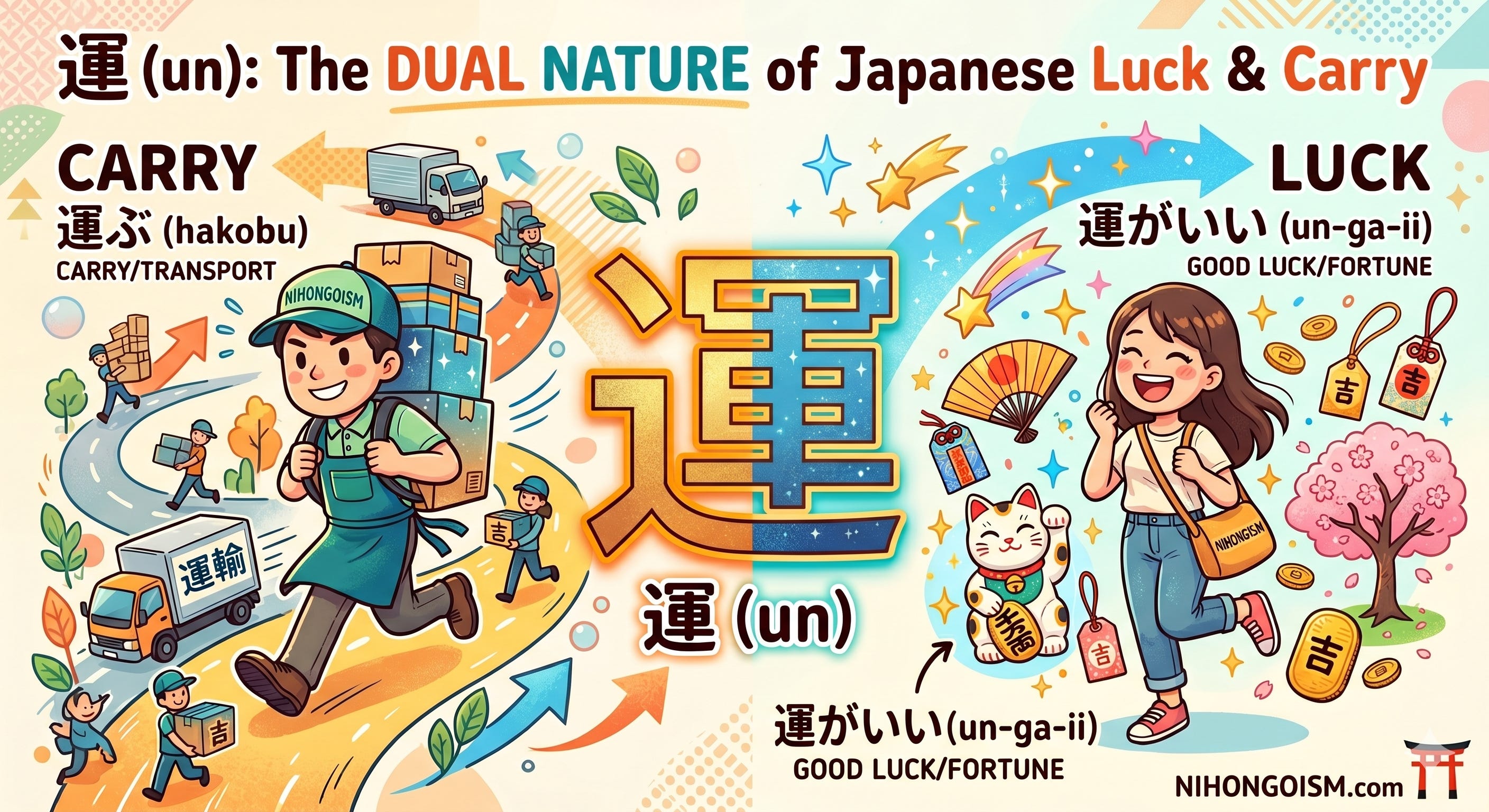
When a Japanese speaker says un ga ii (運がいい), they mean someone is lucky.
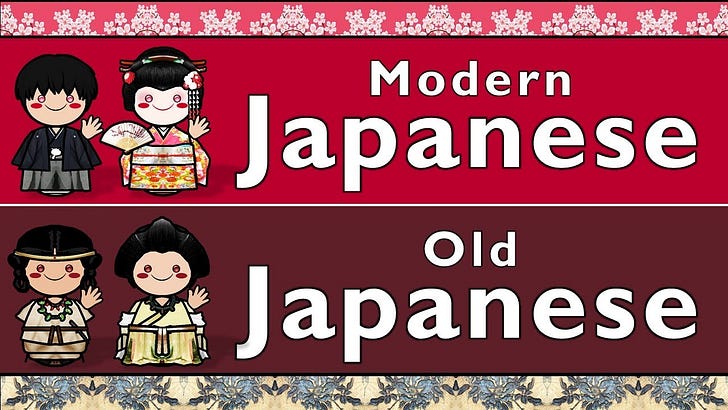
A deep dive into Japanese historical linguistics and the surprising revelation that Japanese used to have eight vowels instead of five
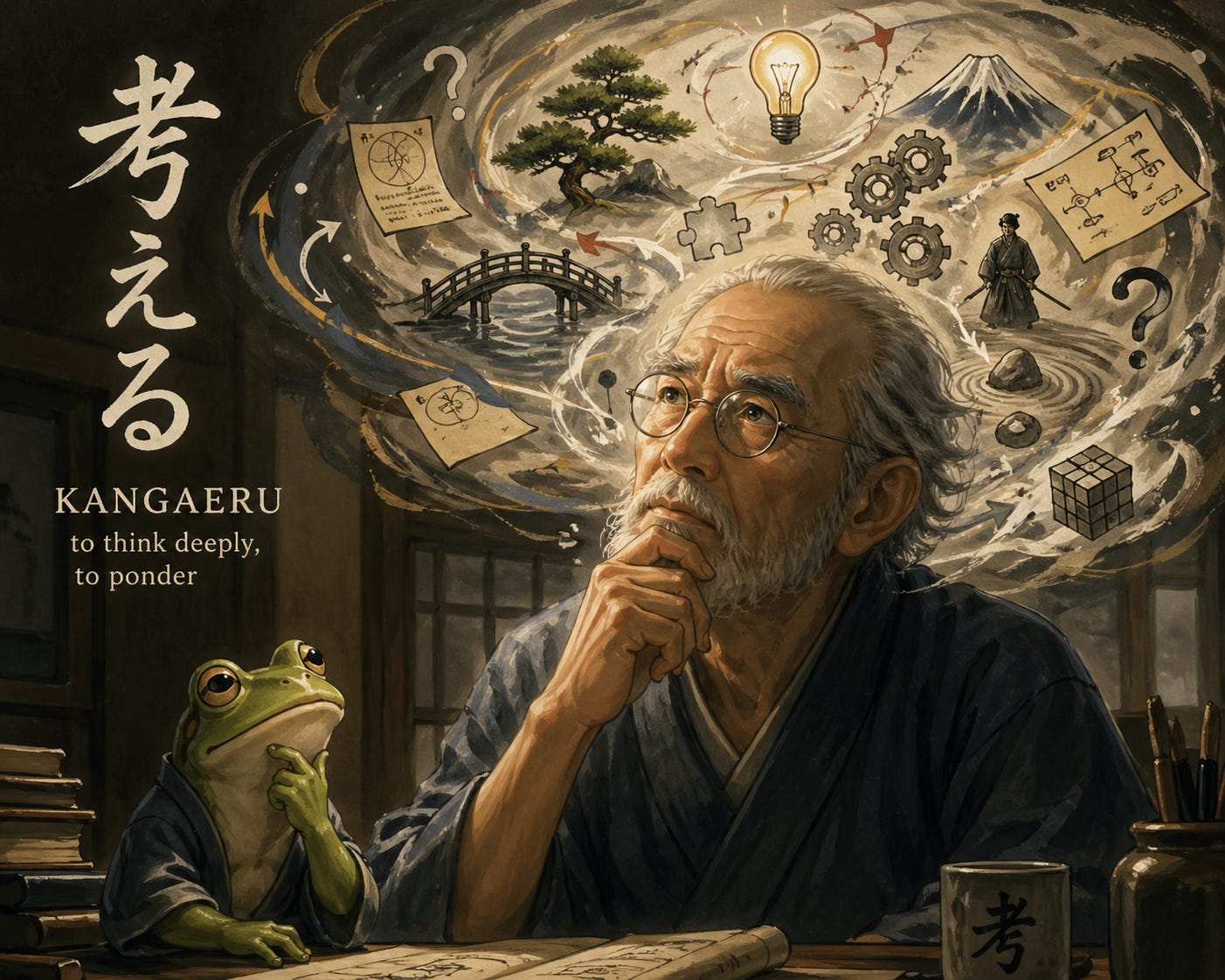
How kangaeru behaves and what the grammar reveals
Part I: The history and archaeology of "kangaeru"
What do machines and opportunities have to do with each other?
How a farmer’s first act of the day became the Japanese word for “to plan”
Japanese has an extraordinary vocabulary for things touching and being touched