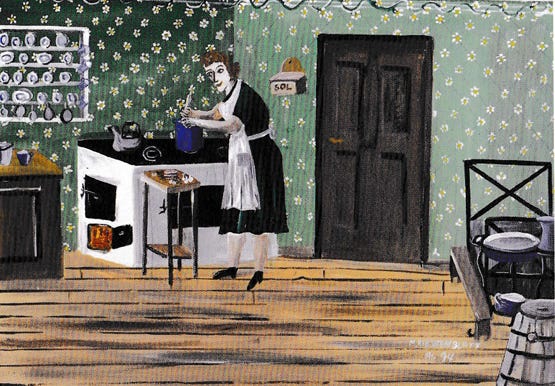
“The foods that our mothers and grandmothers prepared”
I am excited to offer my class, Jewish Kitchen Herbalism, again, on Wednesday, August 26th, at 8:00 PM ET/5:00 PM PT.

Writer, educator, herbalist, artist 🍃🌹 Subscribe for updates on ancestral-based Jewish herbal classes and workshops, research, books, free resources, and more.
Live Last read · last published · next check
I am excited to offer my class, Jewish Kitchen Herbalism, again, on Wednesday, August 26th, at 8:00 PM ET/5:00 PM PT.
In historic Ashkenazi communities of Eastern Europe, many people tended gardens in order to grow food to sustain their families.
I’m so grateful to share that my new book, The Garlic Eaters, is available for pre-orders.
Many Jewish new year customs involve eating apples or other fruits dipped in honey or sugar to manifest sweetness in the year to come.
Folk tales, songs and sayings contain the distilled wisdom of many generations, and through them, people have taught and passed down their values and beliefs, from one generation to the next.
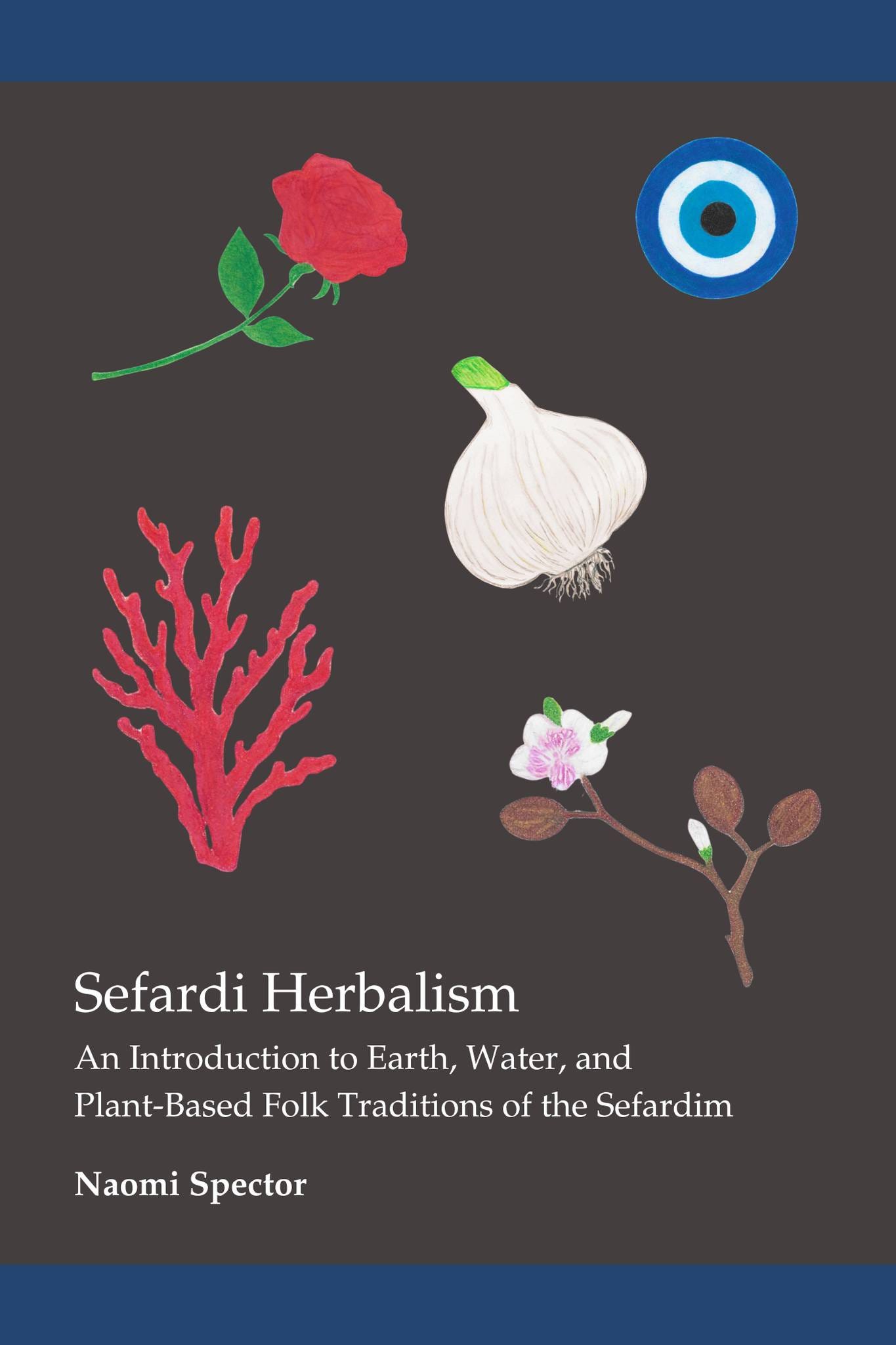
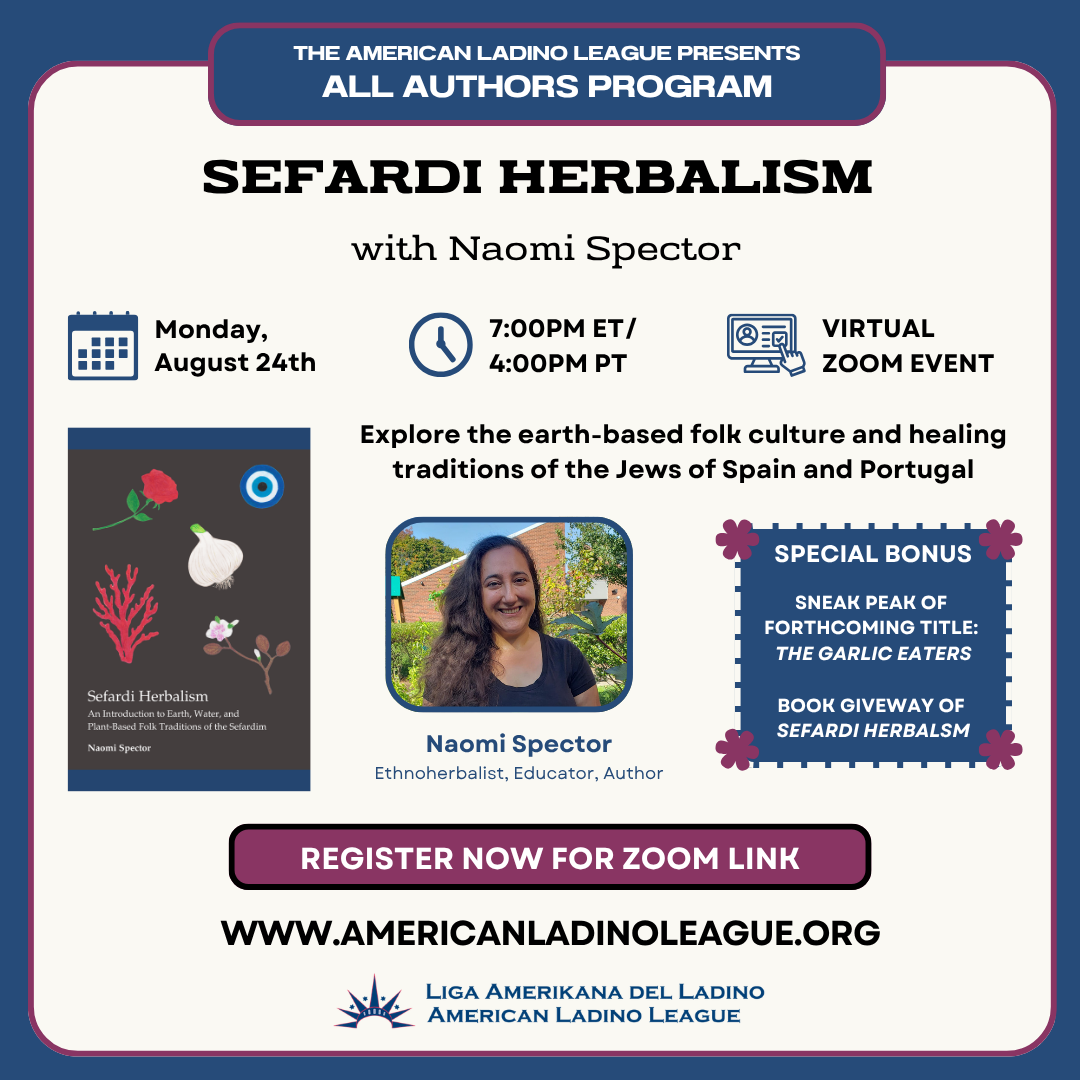
I’m grateful to share that I will be teaching about Sefardi herbalism in collaboration with The American Ladino League this Monday, August 24th.
This is a distilled version of my Jewish Herbalism Recommended Reading List, featuring 5 of my favorite books, in no particular order, for learning about Jewish recipes, remedies and plant traditions across the diaspora.
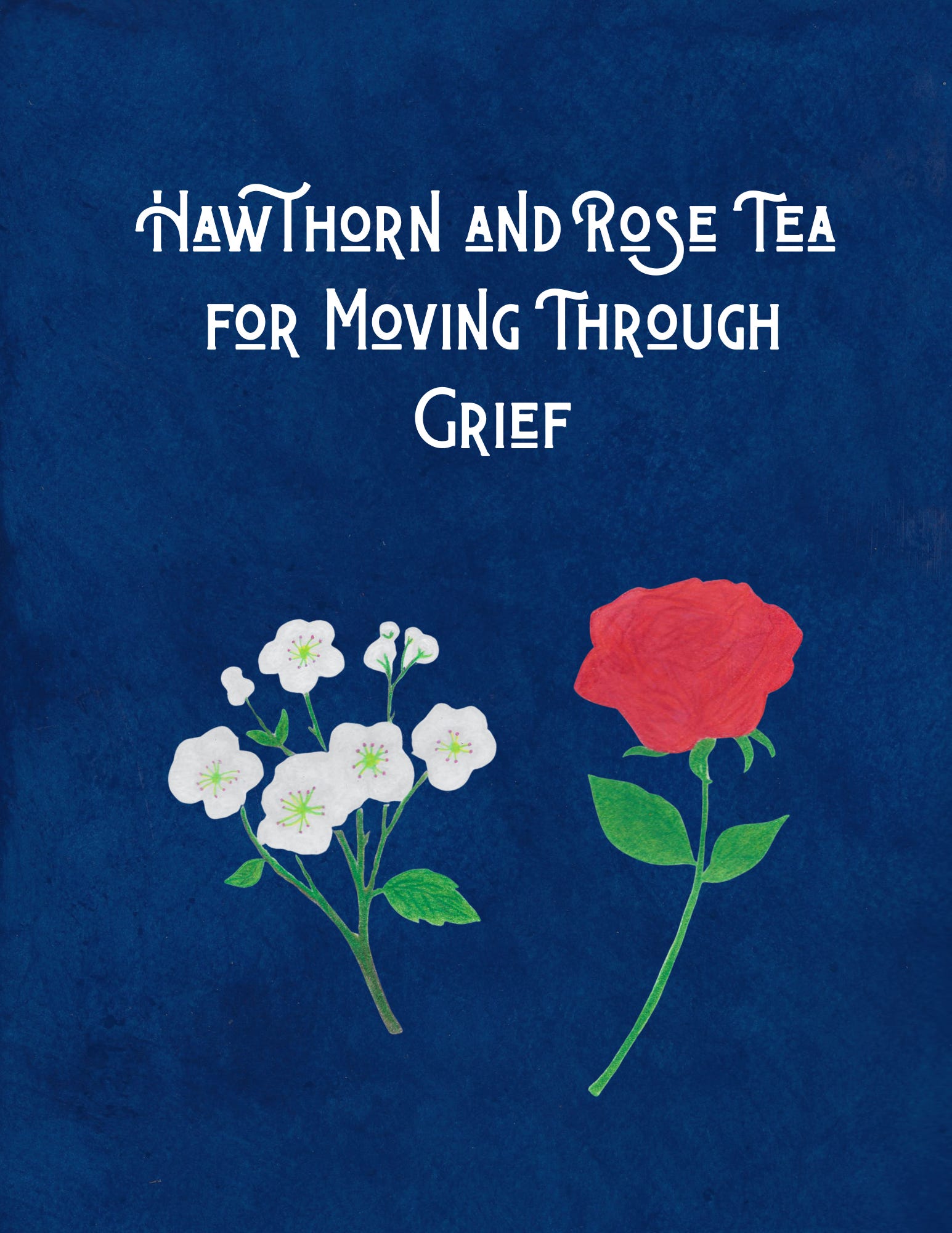
Hawthorn is one of my favorite herbs and teachers in times of grieving, an herb that protects the heart while teaching us to be patient.
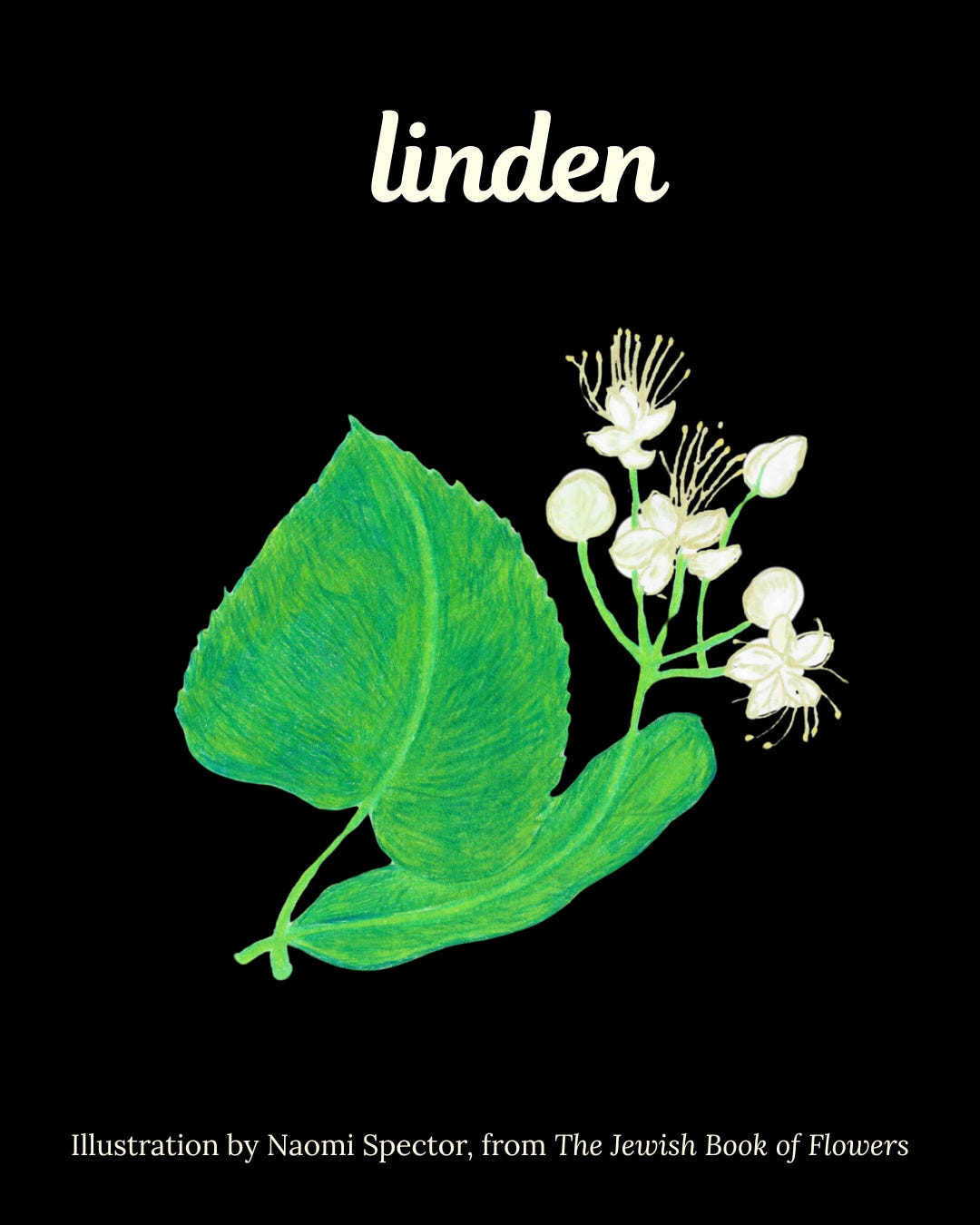
In Jewish tradition, linden leaves and flowers are popularly enjoyed as an herbal tea and are taken to protect the body from illness.
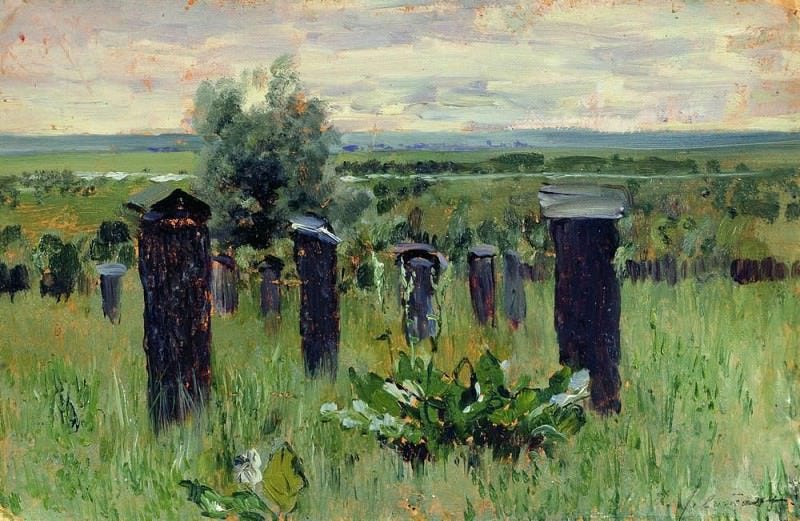
Many Ashkenazi Jews living in the Pale of Settlement were beekeepers.