
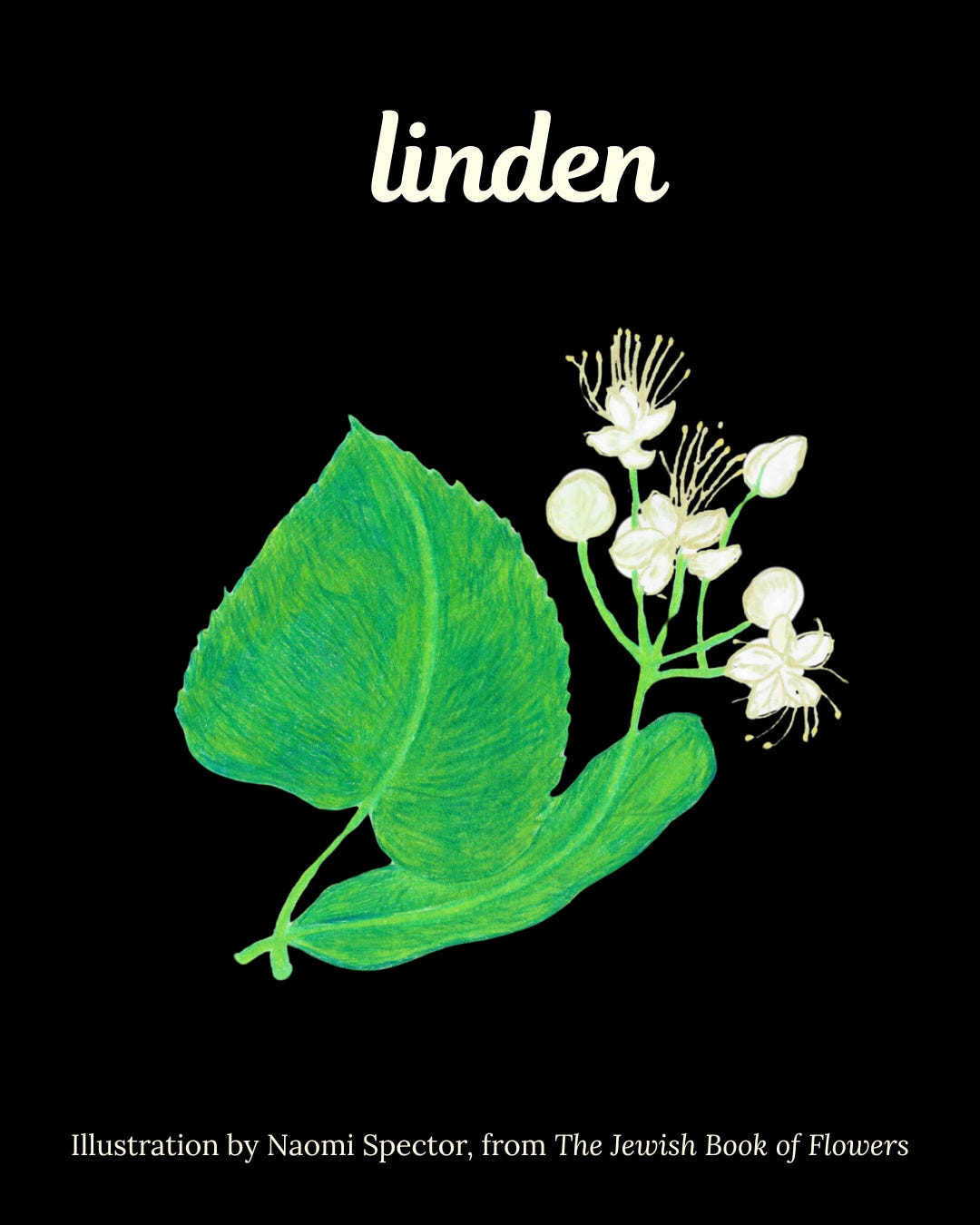
In Jewish tradition, linden leaves and flowers are popularly enjoyed as an herbal tea and are taken to protect the body from illness. I hope you will enjoy this excerpt from the linden chapter of my book, The Jewish Book of Flowers.
Marcel Proust, a well-known French writer of Jewish descent, wrote beautifully in his novel In Search of Lost Time about the powers of scent and taste to conjure memories long forgotten:
“When from a long-distant past nothing subsists, after the people are dead, after the things are broken and scattered, taste and smell alone, more fragile but more enduring, more immaterial, more persistent, more faithful, remain poised a long time, like souls, remembering, waiting, hoping, amid the ruins of all the rest; and bear unflinchingly, in the tiny and almost impalpable drop of their essence, the vast structure of recollection.”
Proust remembers how, in his childhood, he would prepare linden tea for his aunt when she was feeling agitated or out of sorts. He recalls the beauty of the dried linden leaves and flowers: “The drying of the stems had twisted them into a fantastic trellis, in the interlacings of which the pale flowers opened, as though a painter had arranged them there, grouping them in the most decorative poses.”
For Proust, one taste of pastry soaked in linden tea, sometimes named lime-blossom, suddenly opens the floodgates to countless memories of childhood:
“As soon as I had recognised the taste of the piece of madeleine soaked in her decoction of lime-blossom which my aunt used to give me (although I did not yet know and must long postpone the discovery of why this memory made me so happy) immediately the old grey house upon the street, where her room was, rose up like a stage… the whole of Combray and its surroundings, taking shape and solidity, sprang into being, town and gardens alike, from my cup of tea.”
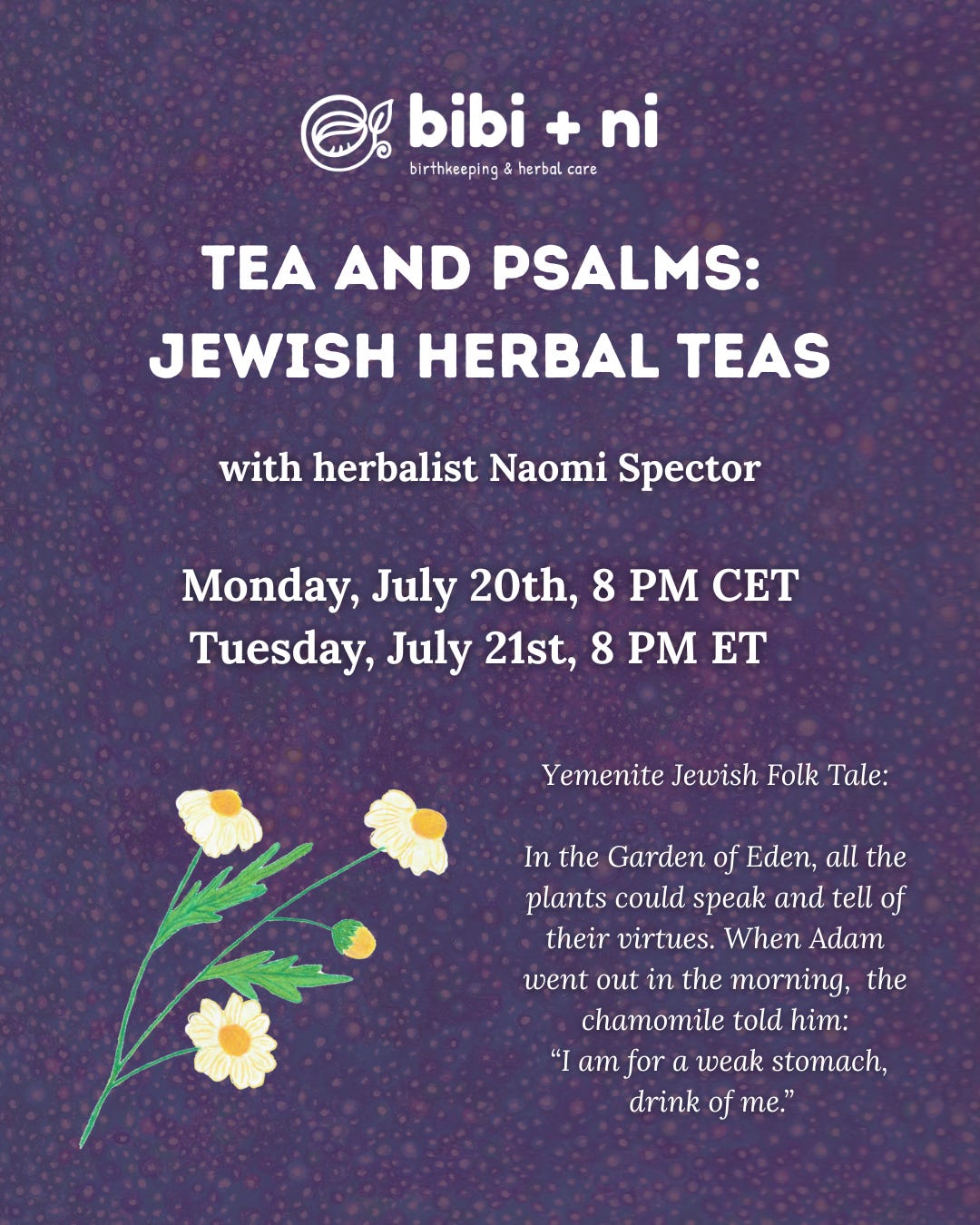
Join me for Tea and Psalms: Jewish Herbal Teas to learn more about linden tea in Jewish culture! 🫖🌿
Herbal tea is extremely important to Jews, as it is to many peoples around the world. Herbal teas are enjoyed from childhood and throughout life as an accessible form of healthcare and nutrition. Many Jews have paired the practice of preparing tea with the reciting of Psalms in a beautiful custom for staying in balance spiritually and physically.
In this class, we will learn about traditional Jewish herbal teas from across the diaspora, from herbal teas drunk to support digestion to those taken as amulets for spiritual protection. We will also explore Jewish rituals, remedies, teachings and customs relating to tea. All registrants will also receive a recording. To learn even more about herbal teas in Jewish culture, you can also read my books, The Jewish Book of Flowers and Sefardi Herbalism.
I am offering two different sections of this class at different times, to make the class accessible to more people. This class will take place online, on Zoom, on Monday, July 20th, 8PM CET and on Tuesday, July 21st, at 8 PM ET.
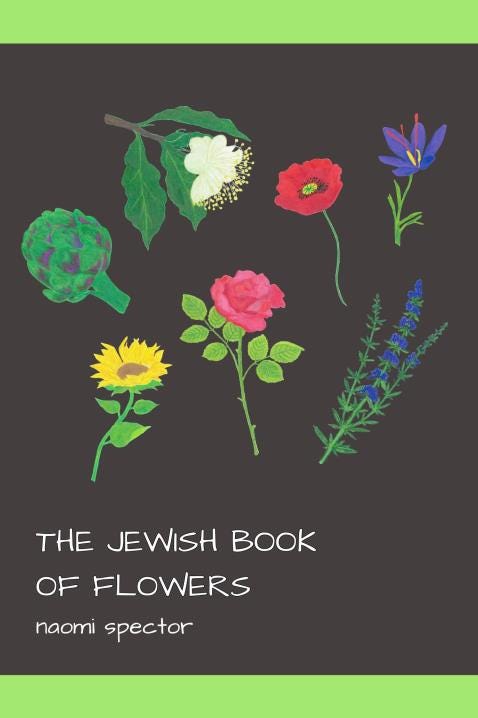
The Jewish Book of Flowers (preview here and here)
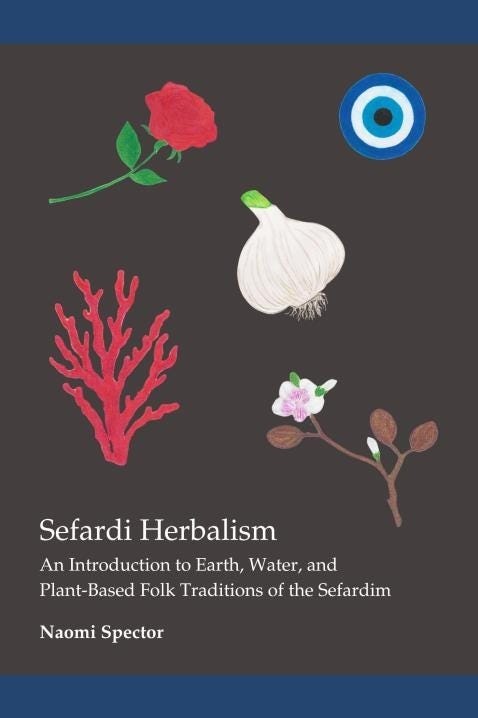
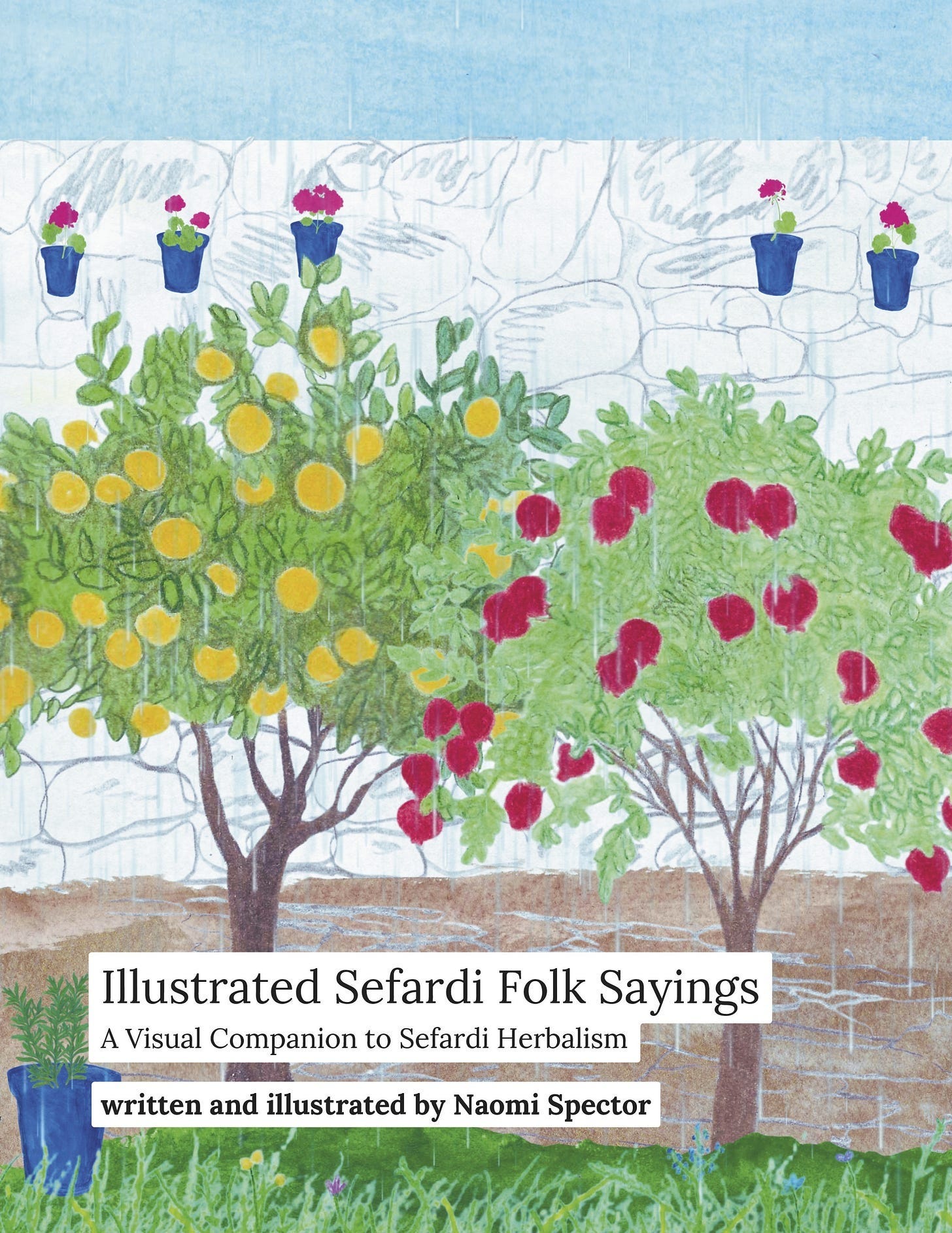
Sefardi Herbalism: An Introduction to Earth, Water, and Plant-Based Folk Traditions of the Sefardim (preview here)
No posts
Comments
Nothing yet. Say the first thing.
Sign in to join the conversation.