
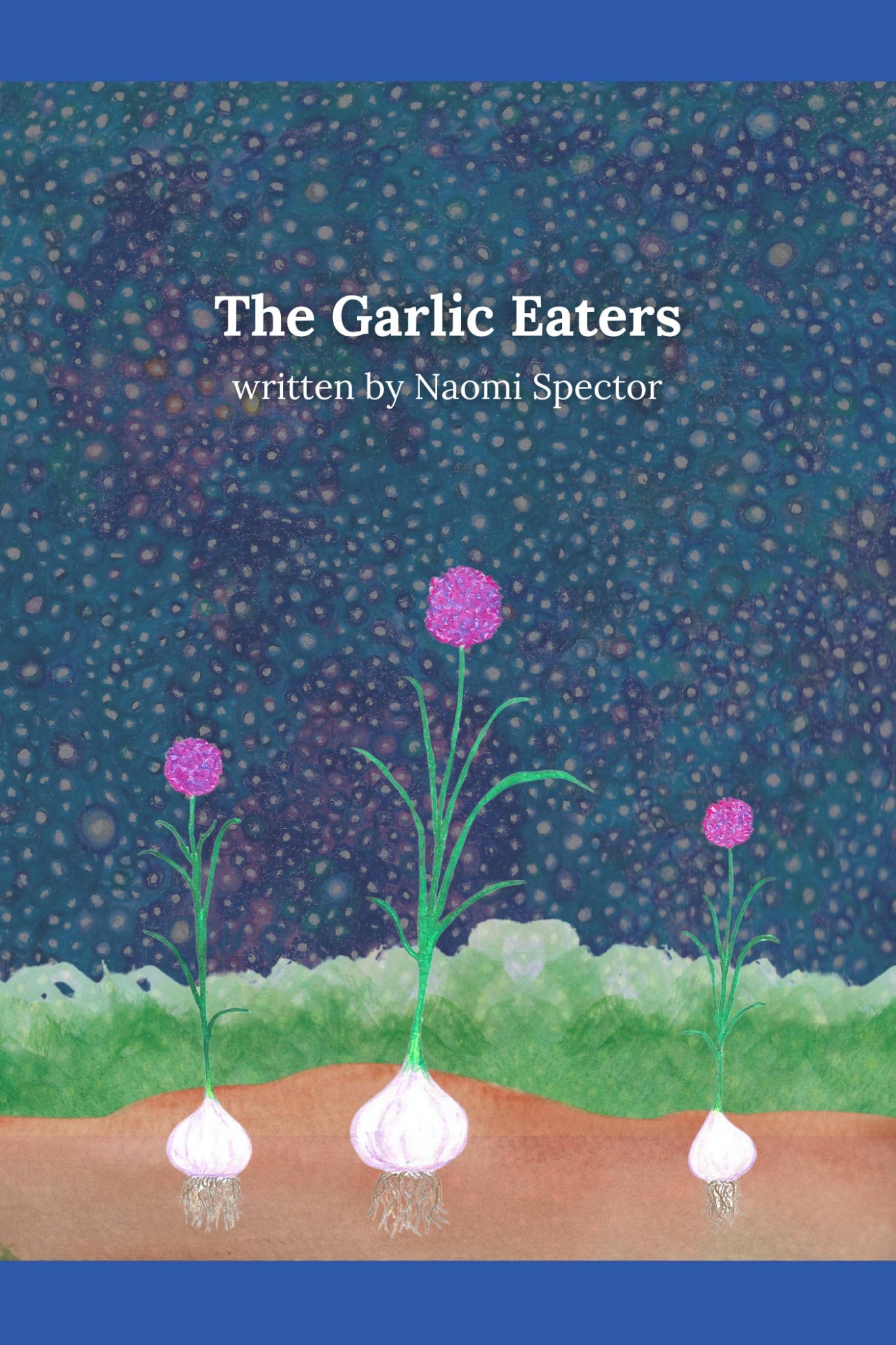
I’m so grateful to share that my new book, The Garlic Eaters, is available for pre-orders. Pre-ordering helps cover the cost of publication so that we can make the book available faster.
Pre-order The Garlic Eaters here!
I hope you enjoy this excerpt from the book!
Jews have a deep-rooted relationship to garlic and the allium family. According to historian John Cooper, in ancient times Jews “were accustomed to add onion, garlic, and leek to their stews and soups to give them a succulent flavor.” Garlic was a staple of many historical Jewish diets around the diaspora.
Some Yizkor books from Eastern Europe include Jewish names that sometimes translate to or are derived from garlic. According to the Yizkor book of Melnitsa, Ukraine: “Due to the widespread family of Knoblikes, who were well known in the whole neighborhood, all Melnitzer Jews used to be called “Knobulnikes”. Another version explaining this name is that there was a big crop of garlic (“Knobel” in Yiddish) in Melnitza and garlic dealers from far away used to come to buy the garlic of Melnitza.”
In the Torah, the Jewish people long for their favorite foods during the long, hard years in the desert after being liberated from Egypt: “We remember the fish that we used to eat free in Egypt, the qishuim, the melons, the leeks, the onions, and the garlic.” Even though the people have been liberated and are being fed manna, a miraculous food that rains down from the sky for them, they still cry for onions, leeks and garlic.
In Jewish tradition, garlic is considered a love herb and an aphrodisiac. The Sefer Chassidim, or Book of the Pious, an influential 13th-century ethical treatise, recommended eating warm, roasted garlic as a fertility aid. The Sages of the Talmud wrote that it is good to eat garlic on Friday evening, when it is encouraged to enjoy intimacy with one’s partner. They recommended welcoming Shabbat with beets, fish, and heads of garlic.
Many traditional Jewish dishes served for dinner on Friday night prominently feature garlic. For example, 11th-century Torah scholar Rashi, who lived in France, enjoyed chicken flavored with garlic and fennel on Friday nights with his family. In Aleppo, Syria, many Jewish families ate kibbeh hamdah on Friday nights, a tangy meatball soup flavored with a generous handful of garlic cloves.
Yemenite Jews served a Shabbat soup, called “Abraham’s soup” or “blessed soup,” featuring a rich bone broth flavored with a large head of peeled garlic cloves. In Ethiopia, doro wat, a chicken stew flavored with garlic and berbere, was prepared before sundown on Friday, and then the pots would be buried to keep them warm during Shabbat.
The Sages taught that five matters were stated with regard to garlic: “It satisfies; it warms the body; it causes one’s countenance to shine; it increases one’s seed, and it kills lice that are in the intestines. And some say that it also instills love into those who eat it and removes jealousy from them.”
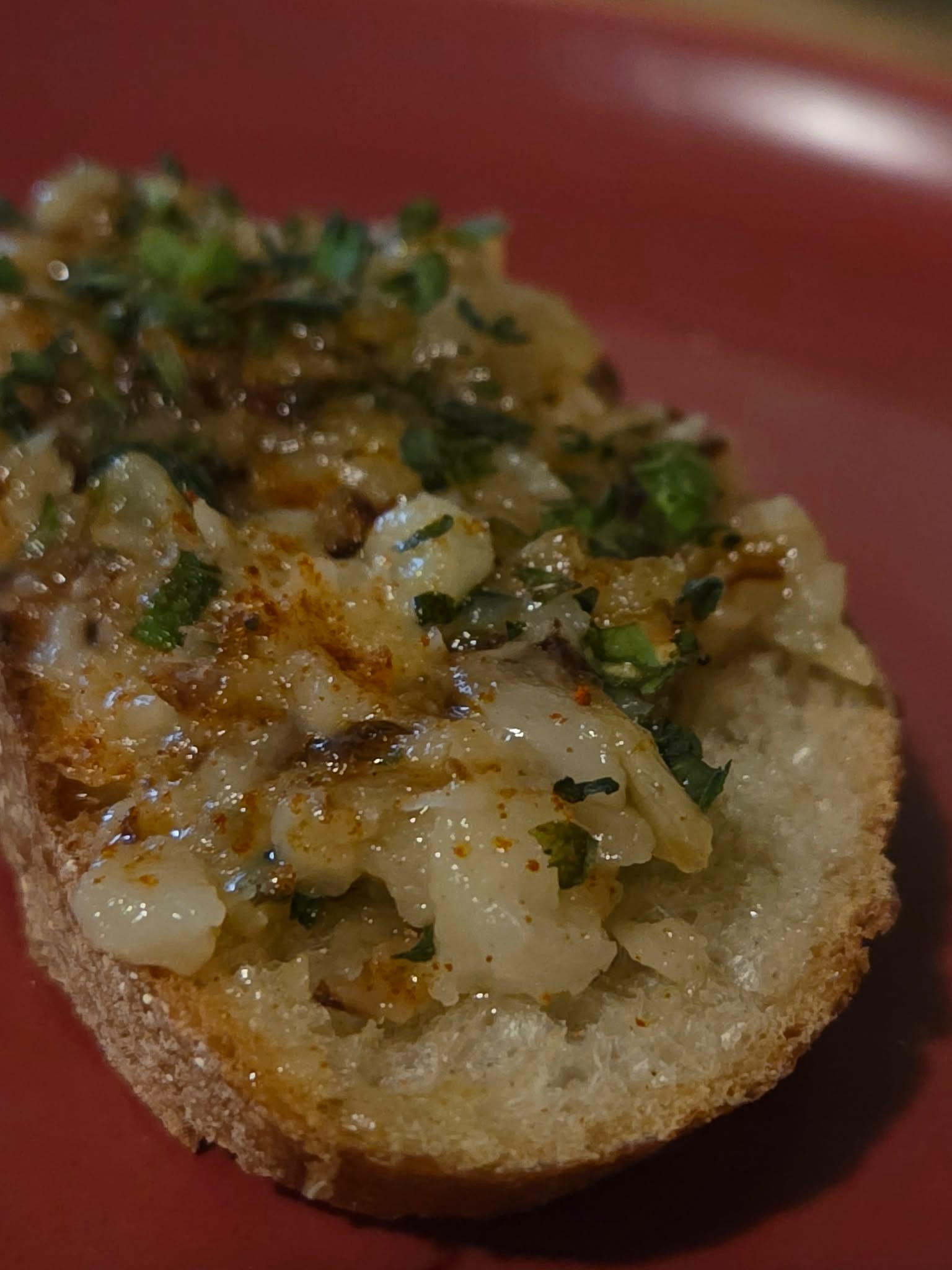
In the Middle Ages, Sefardi Jews on the Iberian peninsula loved to snack on manjarejos de ajos, garlic snacks, prepared by roasting garlic heads with salt, then peeling them and stir-frying the roasted garlic with diced raw onions in olive oil. Once browned, the mixture was served warm, with bread.
Andrés Bernáldez, the court historian of the monarchs of Spain, described the Jews who had converted to Christianity to remain in Spain and their descendants, and wrote of their tendency to eat garlic snacks: “[They] ate and drank a great deal, and never lost the Jewish custom of snacks and pots of adafina, snacks of onion and garlic, fried with olive oil.”
Here is my take on this tasty, traditional garlic dip. I was expecting it to be tasty, but I was truly amazed by the depth of flavor.
Ingredients:
10-15 whole heads of garlic
1 tbsp extra virgin olive oil for frying plus 1 tsp
1 onion, finely diced
½ tsp fresh or dried oregano
Kosher salt and pepper to taste (I use paprika, but you can use black pepper or any other pepper)
Directions:
1. Preheat the oven to 350°.
2. Slice tops off of garlic heads, then brush garlic with olive oil.
3. Place oiled garlic in a baking pan and place in the oven for about 30 minutes.
4. While the garlic roasts in the oven, heat up about a tablespoon of olive oil in a skillet over medium heat.
5. Once the oil is hot, add diced onion to the pan. Cook on medium heat, stirring occasionally, for 5-8 minutes, or until it begins to look golden brown.
6. Transfer golden onion to a large mixing bowl, then squeeze the soft roasted garlic from each garlic head into the same bowl.
7. Mash the onion and the garlic together with a potato masher or fork until a creamy paste is achieved.
8. Mix in oregano, salt and pepper and serve immediately with warm bread.
I am still raising funds to publish my new book. You can support my work by pre-ordering The Garlic Eaters. Pre-ordering helps cover the cost of publication so that we can make the book available faster.
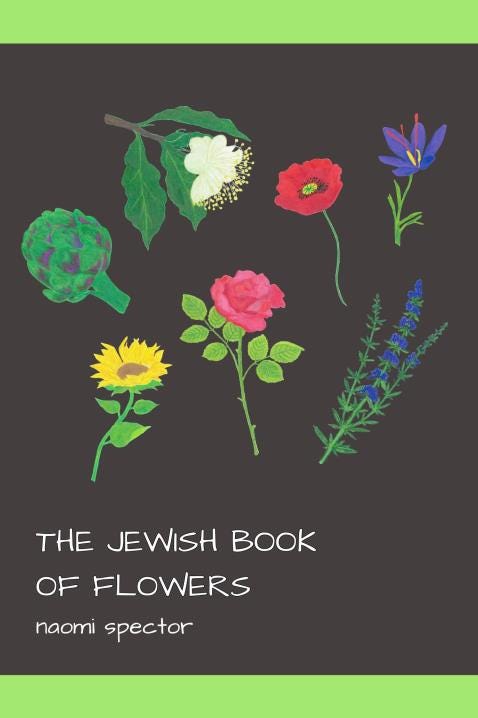
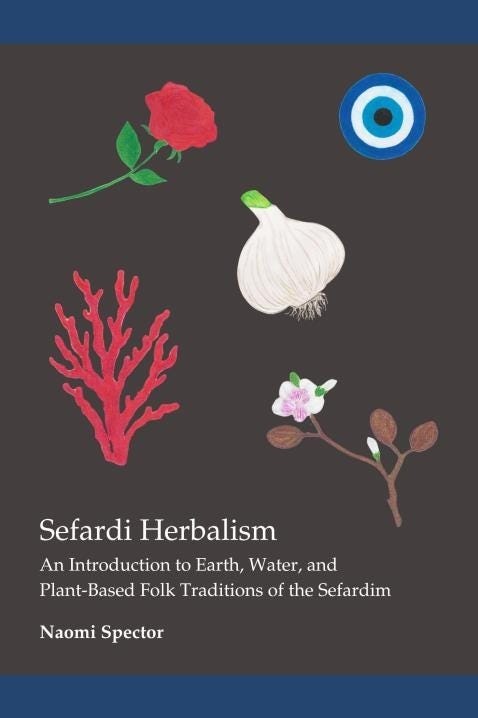
Sefardi Herbalism: An Introduction to Earth, Water, and Plant-Based Folk Traditions of the Sefardim (preview here)
No posts
Comments
Nothing yet. Say the first thing.
Sign in to join the conversation.