
Many Jewish new year customs involve eating apples or other fruits dipped in honey or sugar to manifest sweetness in the year to come. In Iraqi Jewish tradition, honey and ground almonds mixed with sugar are given to a mother who has just given birth to eat, both for protection from the evil eye, and to remove sadness.
In historic Sefardi communities, sugar was popularly consumed alone or in the form of cakes, jam, marzipan, and candy to sweeten the spirits after a birth, sometimes with a blessing.
In one custom from Morocco, the midwife finished cutting the umbilical cord and wrapping the baby, and then she blessed the baby under the mezuza:
“May your name be blessed. May you grow up to be wise and may your mouth be filled up with the Torah. May you be happy and blessed by Israel and by your family. May you reach the chupah and do good deeds during your parents’ lifetime.” Then, she put sugar in the baby’s mouth, saying, “May the Torah be as this sugar in your mouth.”
In historic Sefardi communities, on the evening seven days after a baby’s birth, the family and community would gather for a party, or vegia, vigil, following a medieval custom, known as hadas in Spanish or fadas in Portuguese (fairies). The community would gather at night, in the home of the newborn, and guests were welcomed with honey, fresh fruit and fruit preserves. An offering of honey might be put out to attract and sweeten the hadas, and family and friends would bring presents for the baby and the mother.
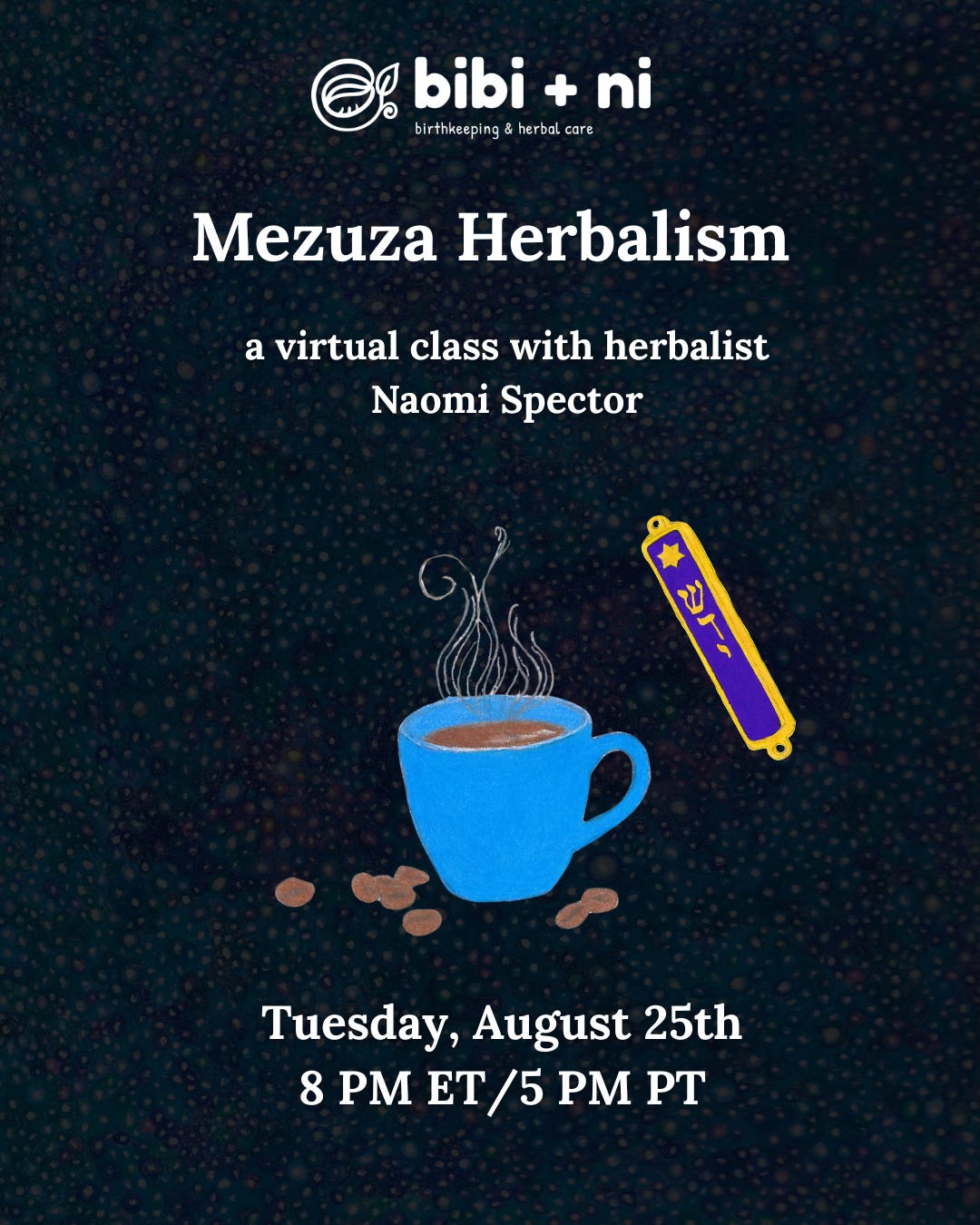
Various folk cures in Sefardi healing tradition involve praying over sugar and under the mezuza, sometimes called asukar a la mezuza, or “sugar at the mezuza”. In Sefardi custom, sugar is a segula, and sugar mixed with powdered coffee mixed is considered effective against the evil eye. The word ‘segula’ in Judeo-Spanish as derived from Hebrew translates to treasure or remedy, a valued cure, or petition, used to restore health to one who has been harmed, and is also sometimes translated as ‘cure for minor illnesses.’
Over the centuries, Jews across the diaspora have developed beautiful plant-based rituals involving the mezuza, such as asukar a la mezuza, to bring healing, protection, and blessing into their homes. I’ve been gathering examples of this nearly forgotten earth-based Jewish folk practice for years and am so pleased that I am finally ready to share what I have learned.
In this 75-minute class, we will learn about diverse Jewish traditions from across the diaspora of hanging herbs near or from the mezuza to protect and bless the home, gain insight into the traditional practice of preparing herbal remedies by the mezuza and explore related historic Jewish folk rituals involving praying over herbs and under the mezuza for healing.
Access to a pre-recorded class will be available within 72-hours of the live class.
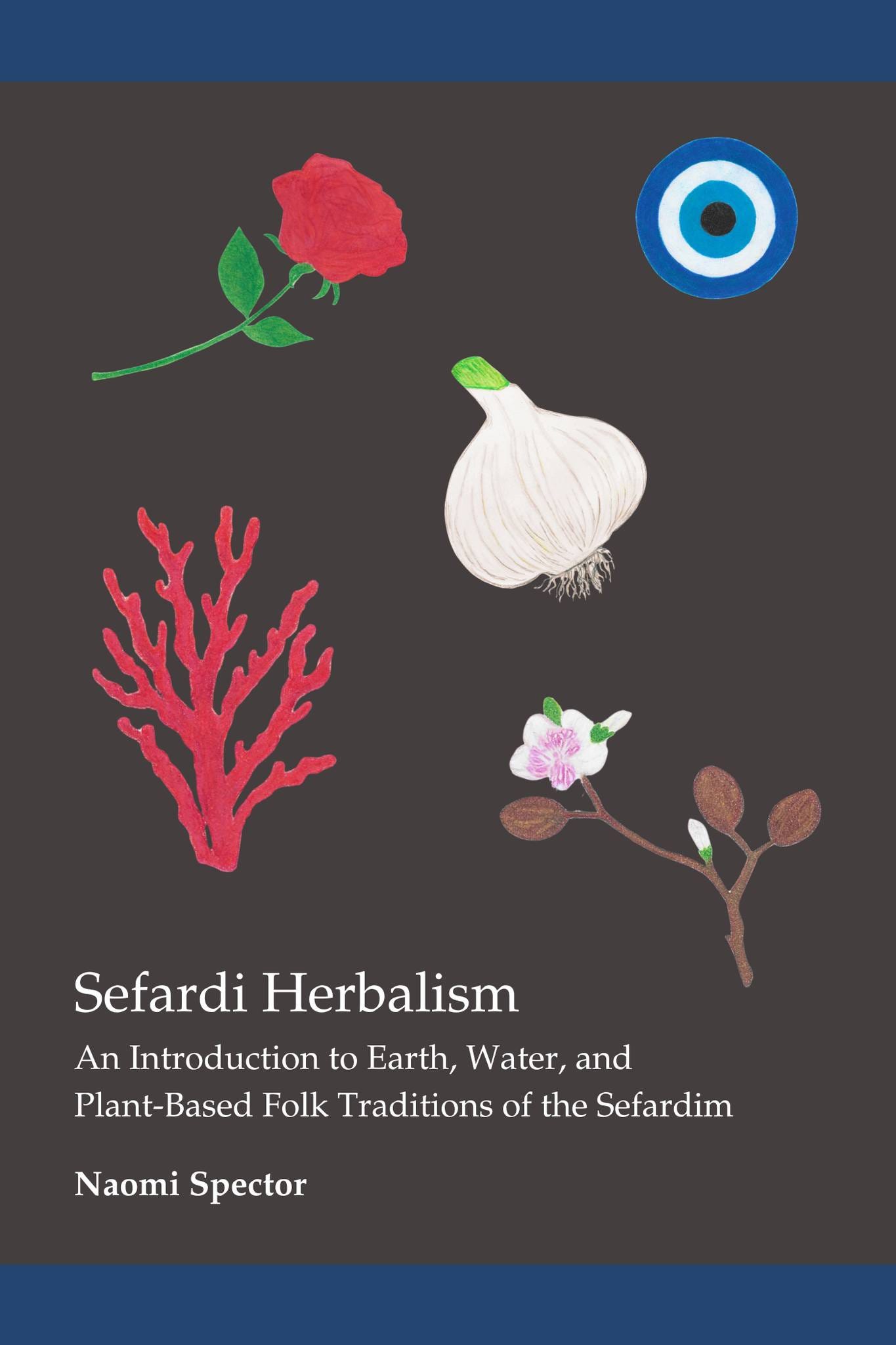
Read more about sugar, honey, almonds, and Sefardi folk traditions in my book, Sefardi Herbalism: An Introduction to Earth, Water and Plant-Based Folk Traditions of the Sefardim (preview here!)
No posts
Comments
Nothing yet. Say the first thing.
Sign in to join the conversation.