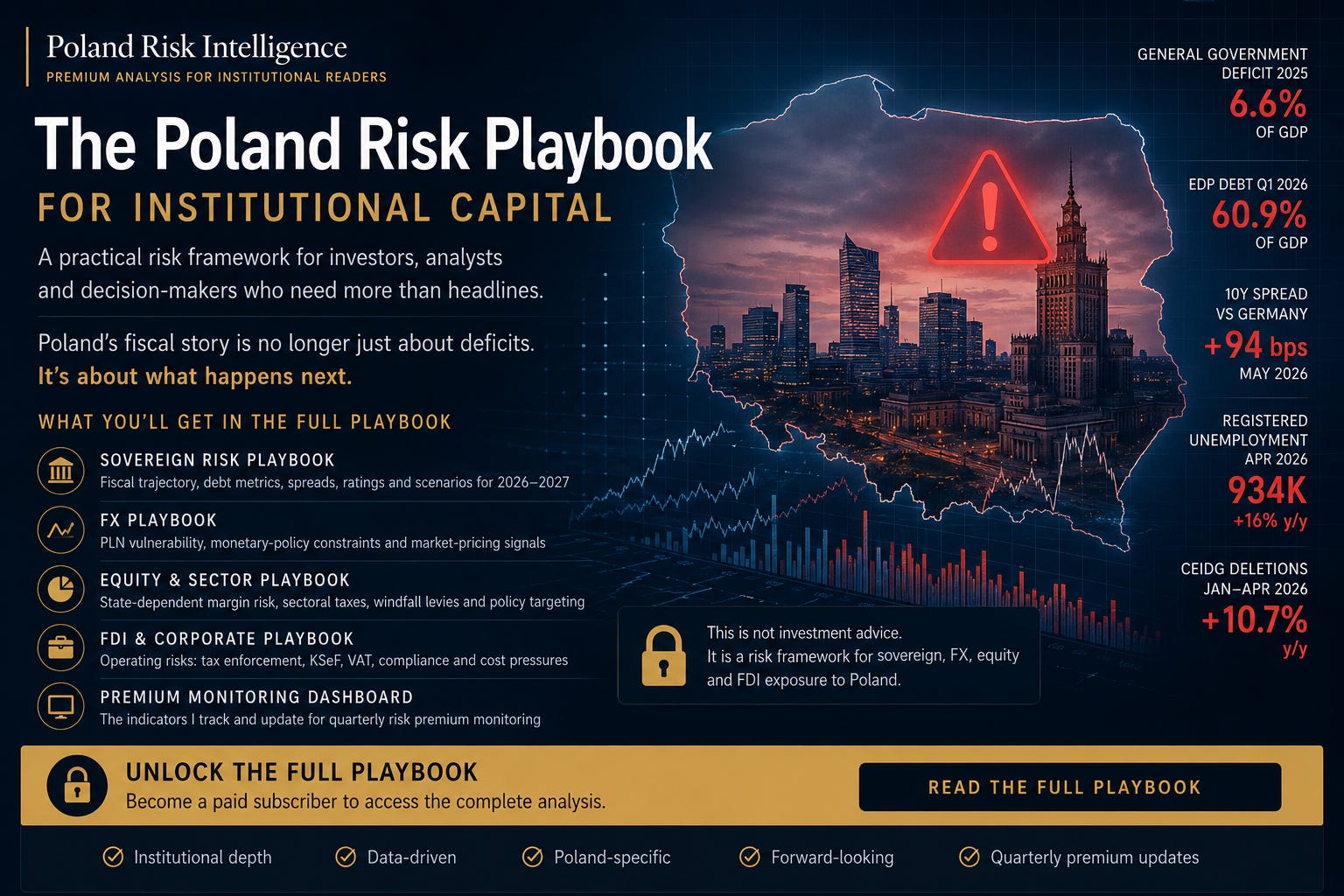
The Poland Risk Playbook for Institutional Capital
How sovereign, FX, equity and FDI investors should monitor Poland’s fiscal risk spiral — without confusing early warning with panic.

Independent analysis of economic policy, digital markets, geopolitics, and war-time economies in CEE — from crypto regulation to defense spending, Lithuania-Poland zones to EU-Mercosur. By an economist who advised governments and predicted crises.
Live Last read · last published · next check
How sovereign, FX, equity and FDI investors should monitor Poland’s fiscal risk spiral — without confusing early warning with panic.
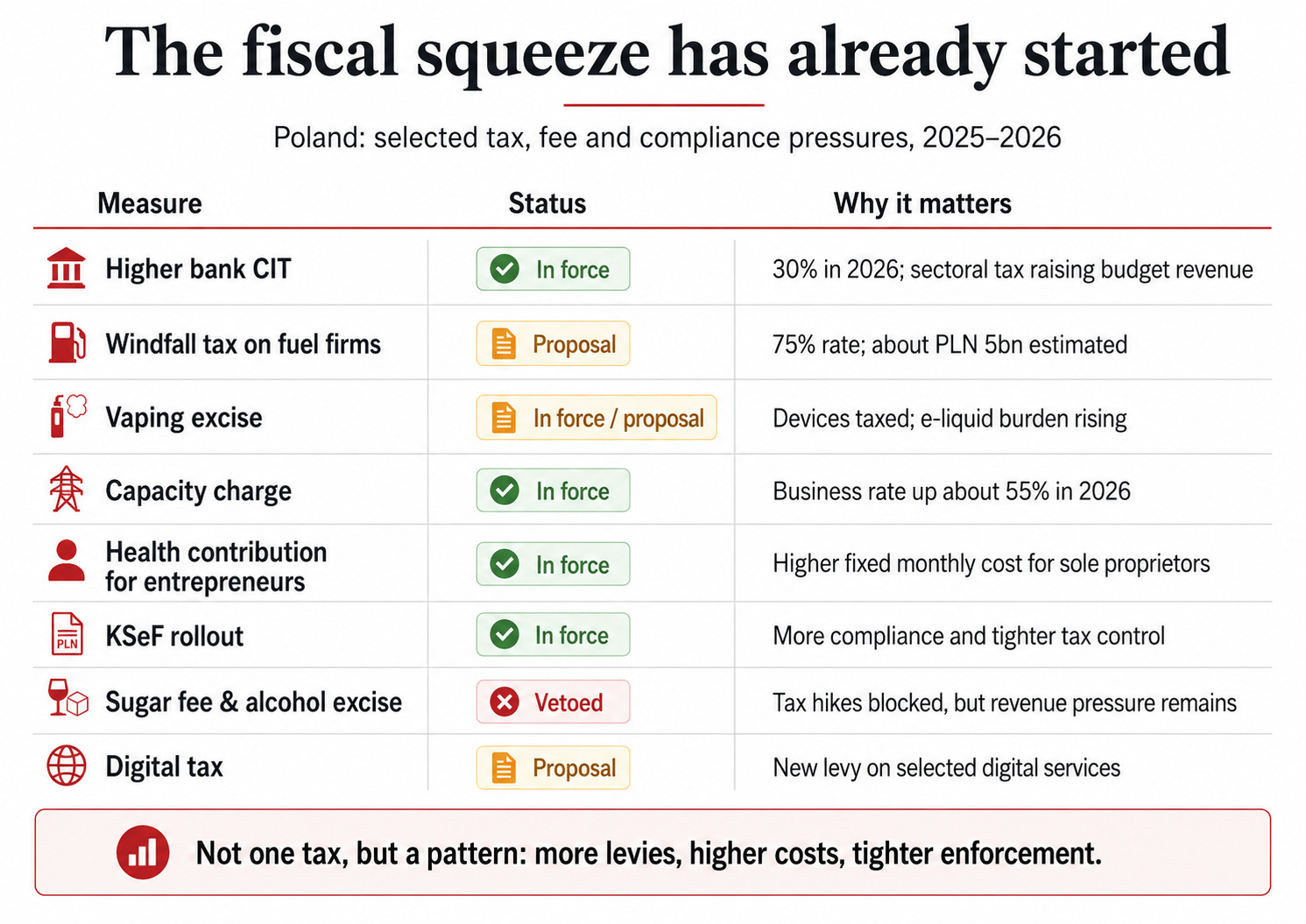
Not one tax, but a pattern: sectoral levies, excise hikes, compliance infrastructure, enforcement pressure and politically easier revenue sources.
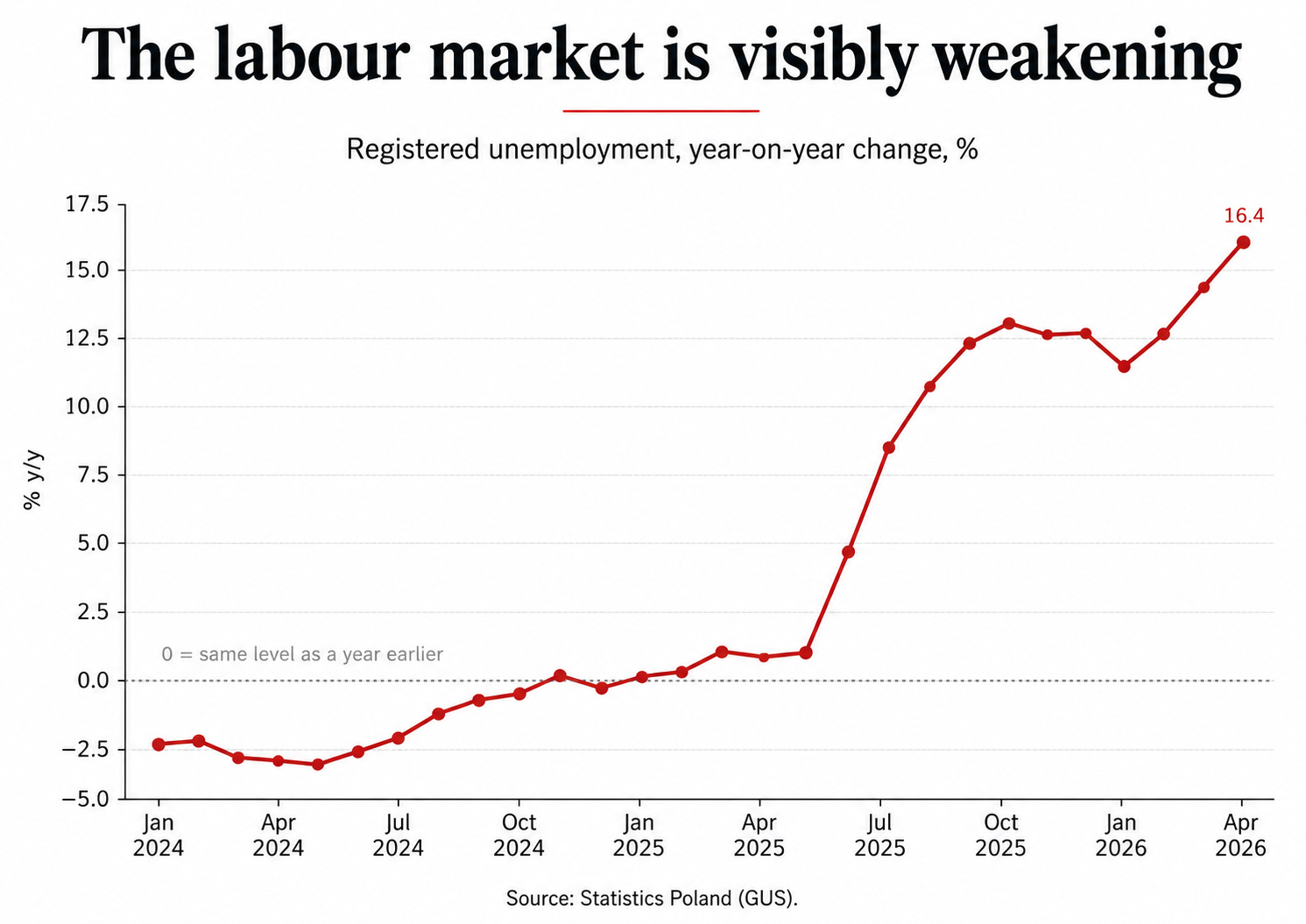
The unemployment rate still looks benign. The trend does not. Poland’s fiscal-risk story is no longer only about deficits, debt and bond yields — it is beginning to touch the real economy.
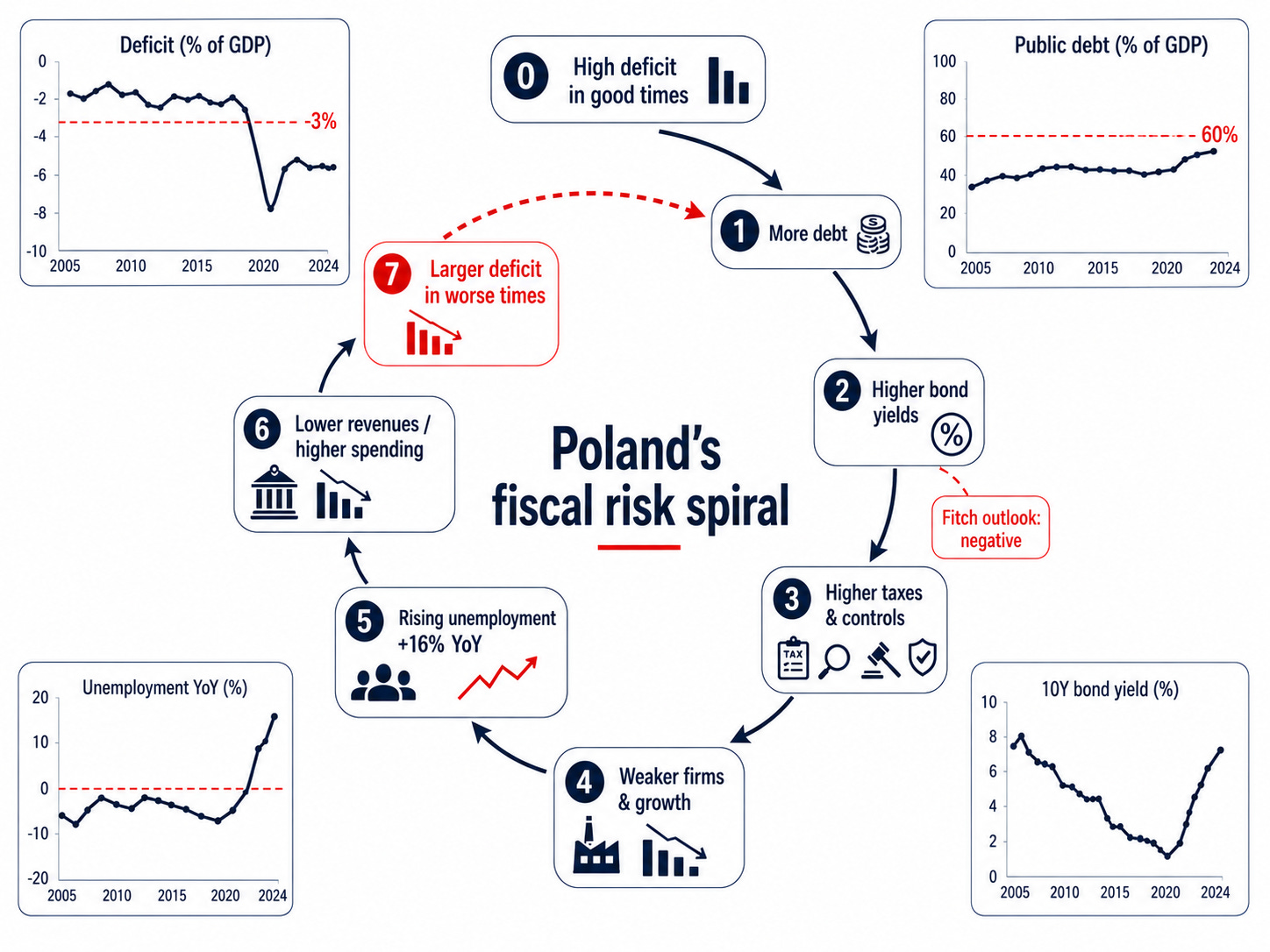
Poland is not in a fiscal crisis today. That is exactly why the warning matters: the mechanism that creates fiscal crises may already be forming.
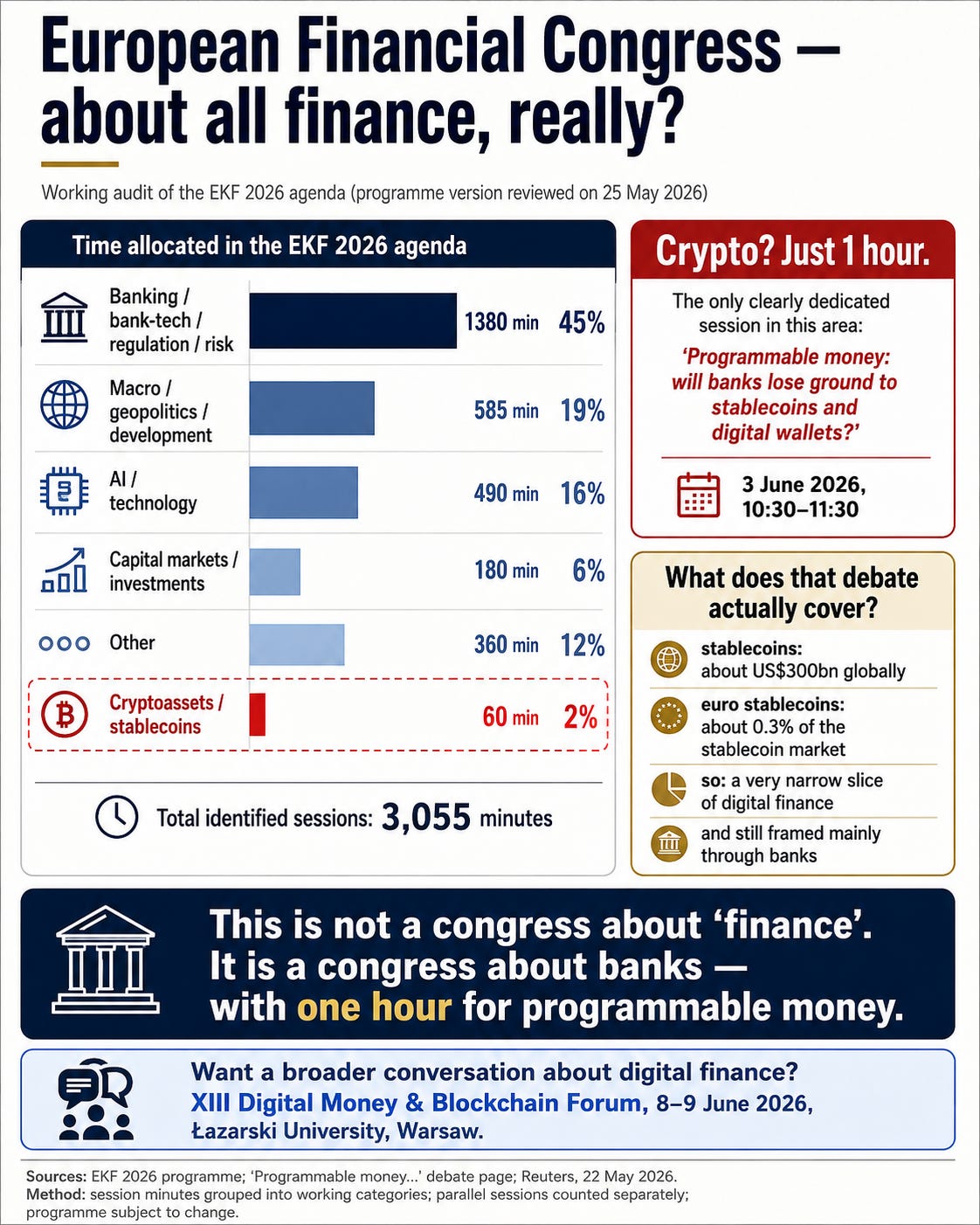
A small audit of the European Financial Congress agenda shows how little space Poland’s financial establishment gives to cryptoassets, stablecoins and tokenised finance.
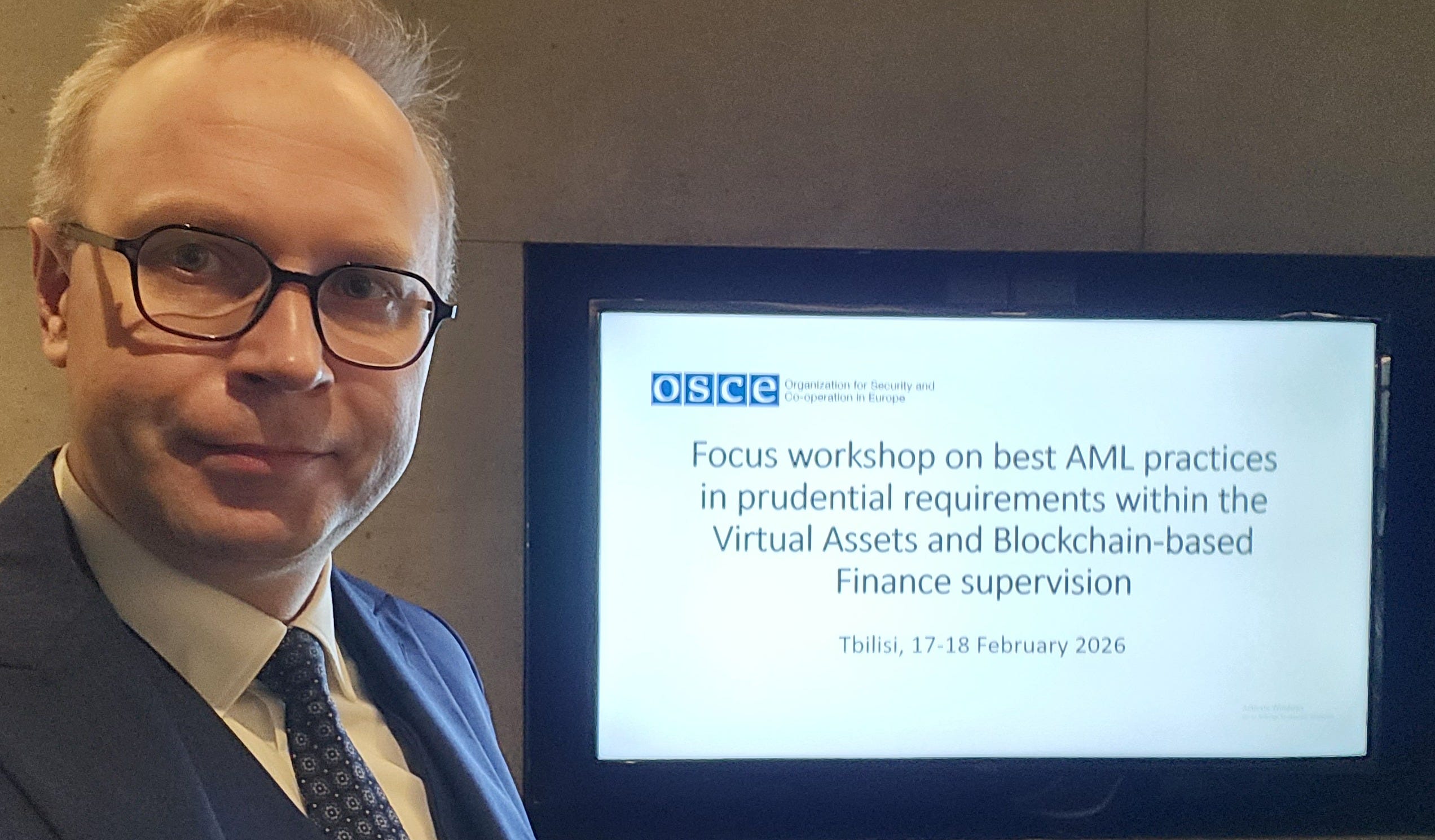
Poland’s financial supervisor is right that markets need rules. But the harder question is whether supervision protects the economy — or merely protects the supervisor.
For decades, firms optimized for cost. Today, capital is repricing for resilience. If your strategy ignores geopolitics, your numbers are already wrong.
Fear dominates the mood. But beneath the noise, Bitcoin is becoming easier to access just as its effective supply gets tighter
MiCA brings legal certainty—but fixed-cost compliance and implementation choices can quietly price out high-growth ventures from the EU market.
MiCA harmonises market access for crypto intermediaries. It does not yet standardise crisis readiness for fast runs, intraday liquidity shocks, and orderly wind-downs.