The Washerwoman Who Changed American Lives
Although she never earned more than $10 per bundle, Oseola McCarty managed to save almost $300,000. She donated half of it to the University of Southern Mississippi to help students in need.

The Americanist is a newsletter about contemporary North American history, with a particular interest in niche and less-explored facets of U.S. history.
Live Last read · last published · next check
Although she never earned more than $10 per bundle, Oseola McCarty managed to save almost $300,000. She donated half of it to the University of Southern Mississippi to help students in need.
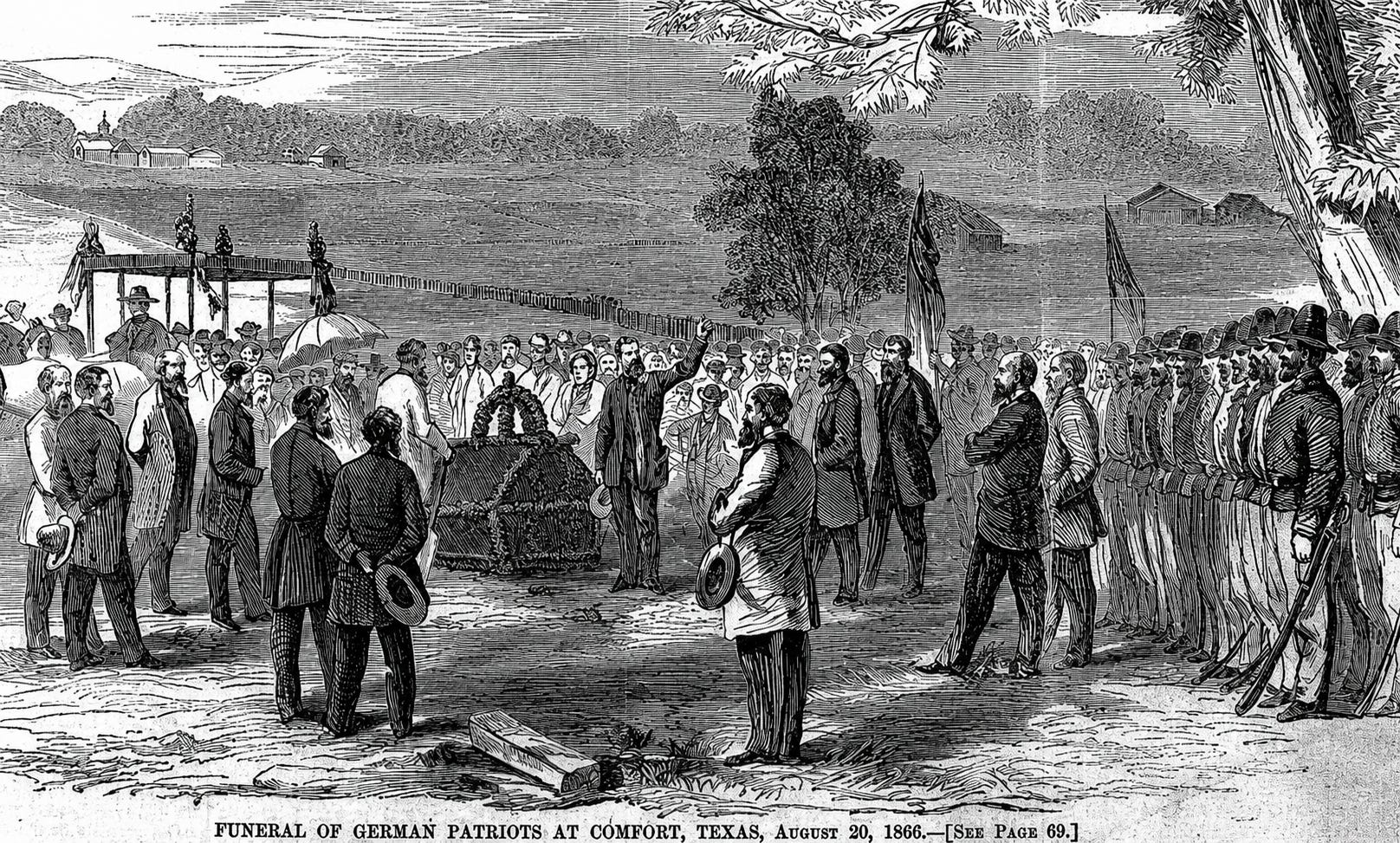
On August 10, 1862, thirty-seven Unionist Texan Germans lost their lives in a battle against Confederate soldiers. What started as a military clash soon turned into a full-blown massacre.
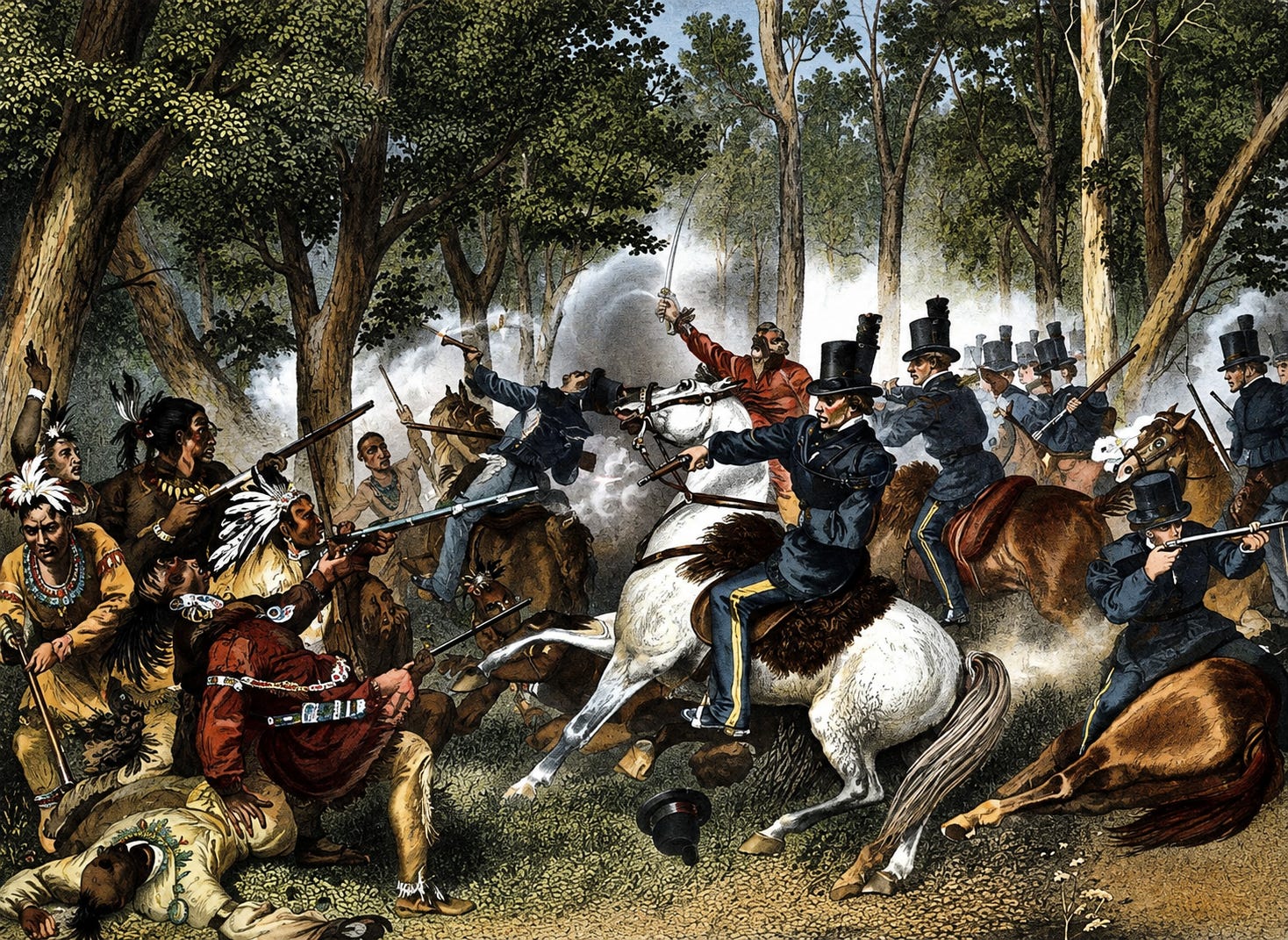
On August 5, 1812, the U.S. Military suffered a major blow when 25 warriors of Tecumseh's Confederacy defeated an army eight times bigger than themselves, ultimately leading to the Siege of Detroit.
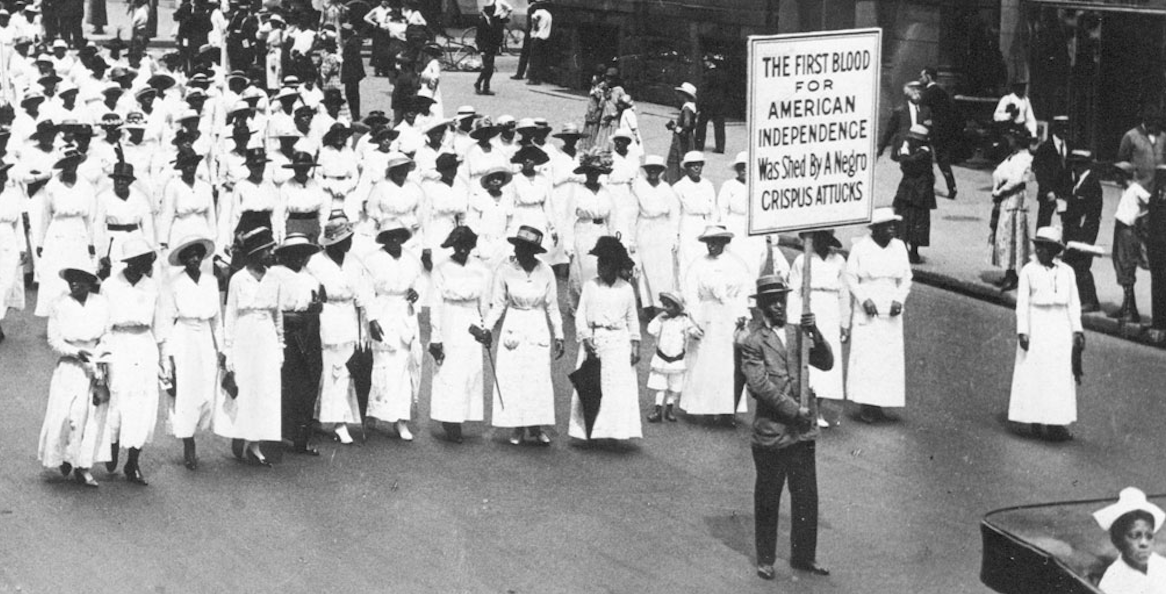
On July 28, 1917, thousands of Black Americans transformed one of the world's loudest cities into a silent reminder of the grisly racial violence and injustice they endured.
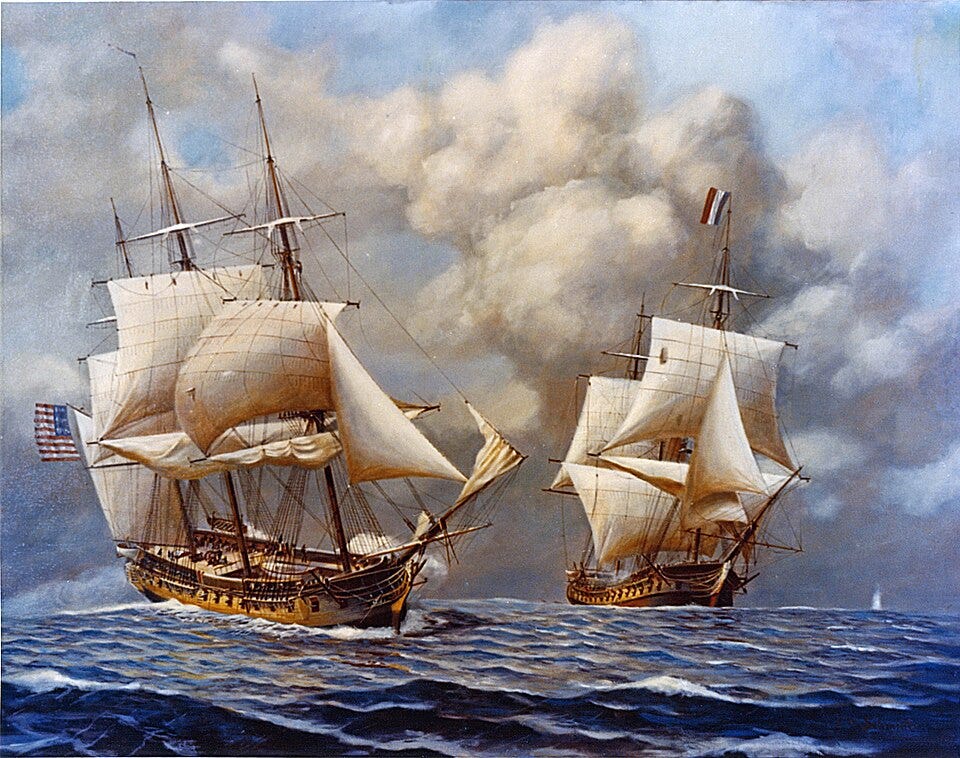
Between early July 1798 and late September 1800, the U.S. fought an undeclared war against France, with the conflict briefly continuing under Napoleon's rule.
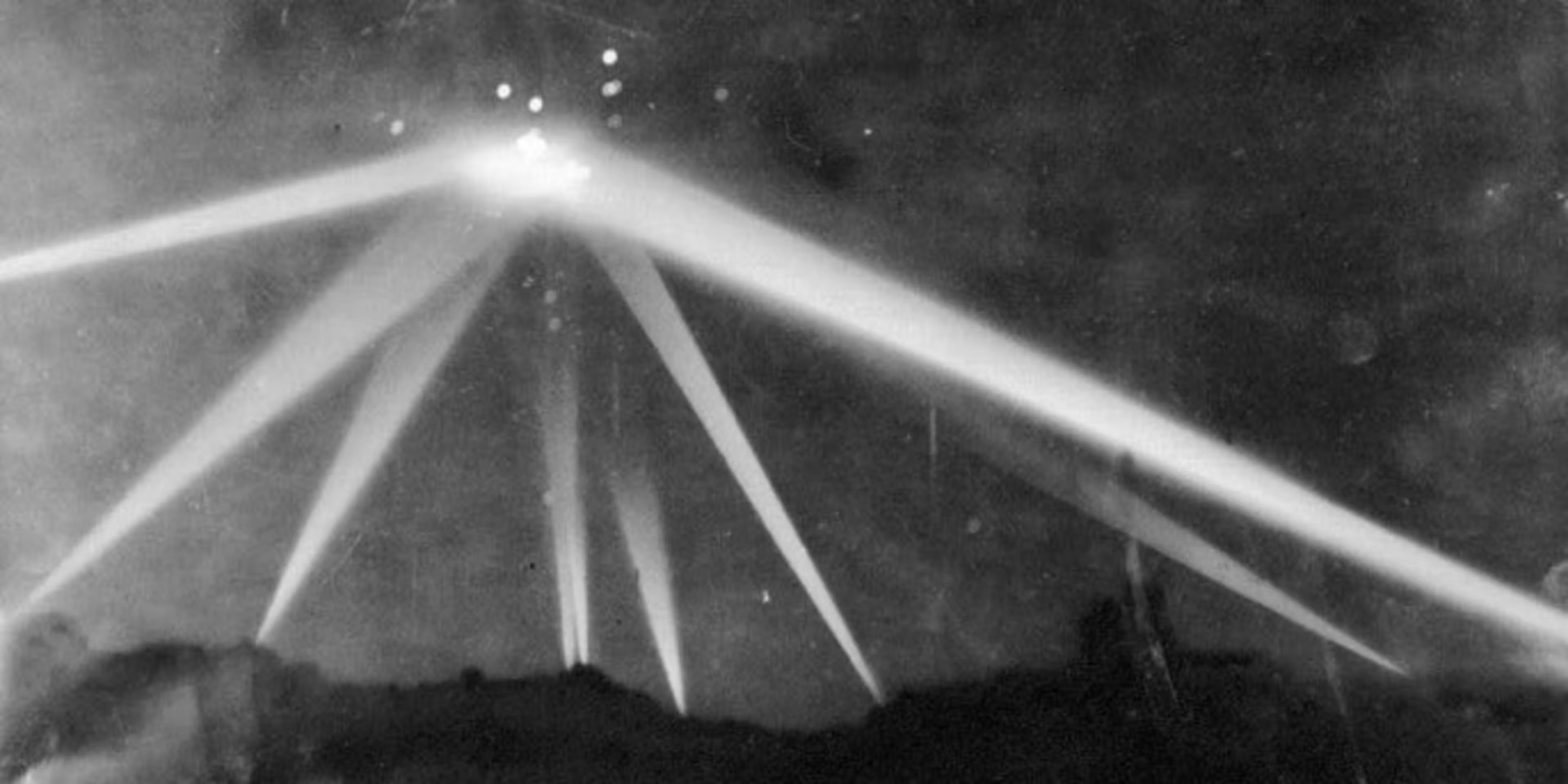
Between February 24 and 25, 1942, mysterious lights appeared over the skies of L.A. What later became a UFO legend was, actually, a grim reminder of the effectiveness of wartime paranoia.
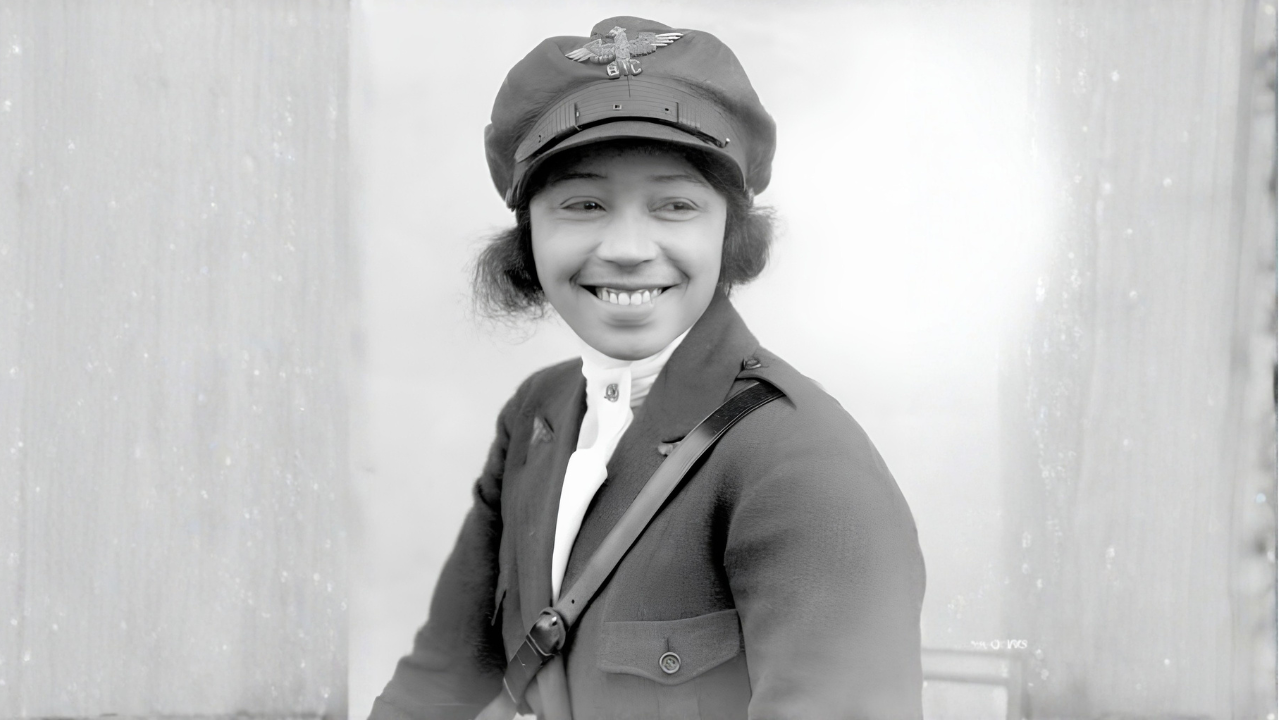
A woman with big dreams and courage many would envy, Bessie Coleman overcame racial and sexist barriers by becoming the first Black woman to earn an international pilot's licence in 1921.
For thousands of years, lightning was instant, mysterious and a source of fascination. Until an American captured it on camera for the very first time.
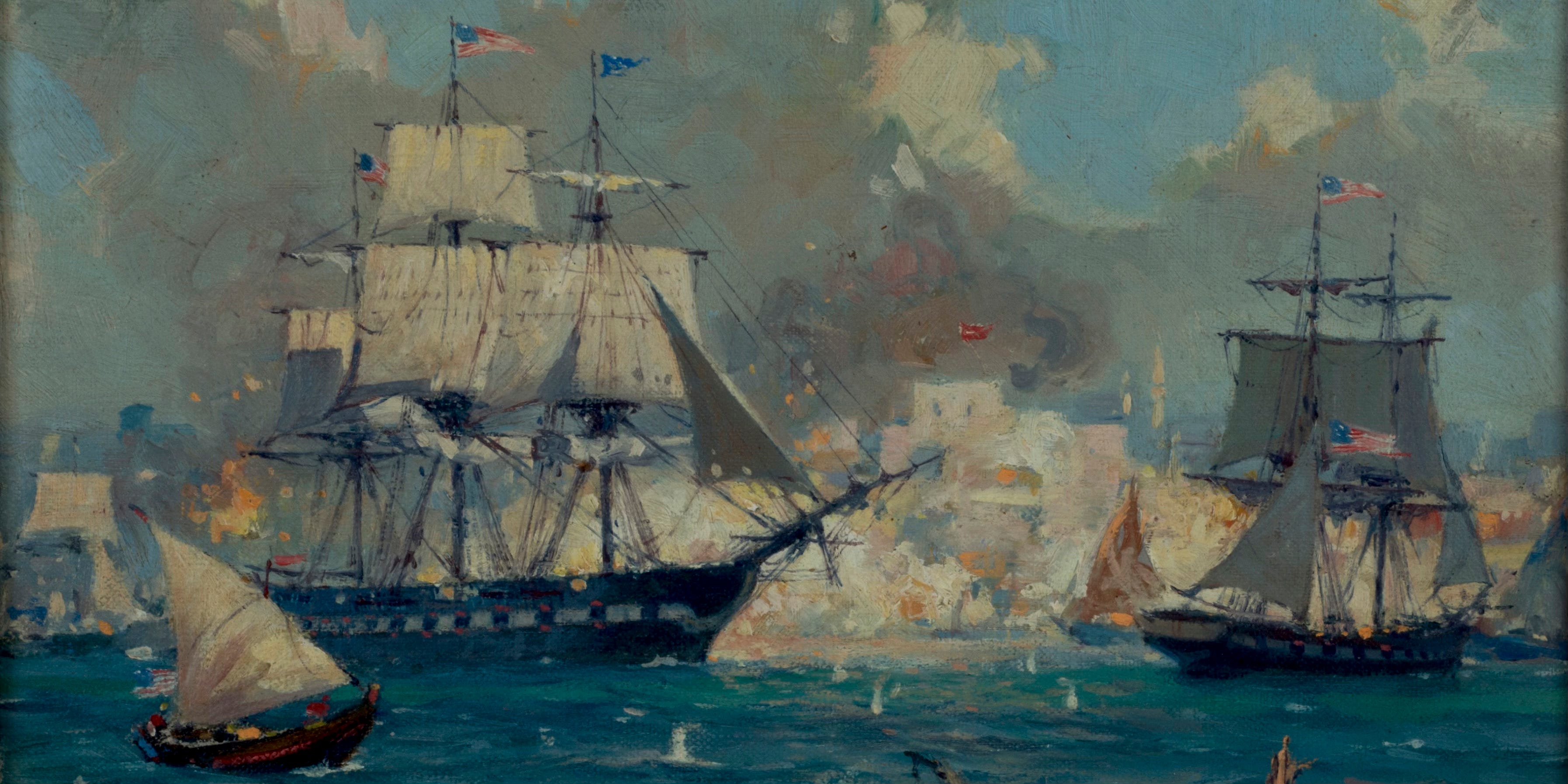
Between May 1801 and June 1805, the U.S. Navy fought the Barbary states of North Africa. An intervention against pirate raids in the Mediterranean turned into a war that shaped America's future.
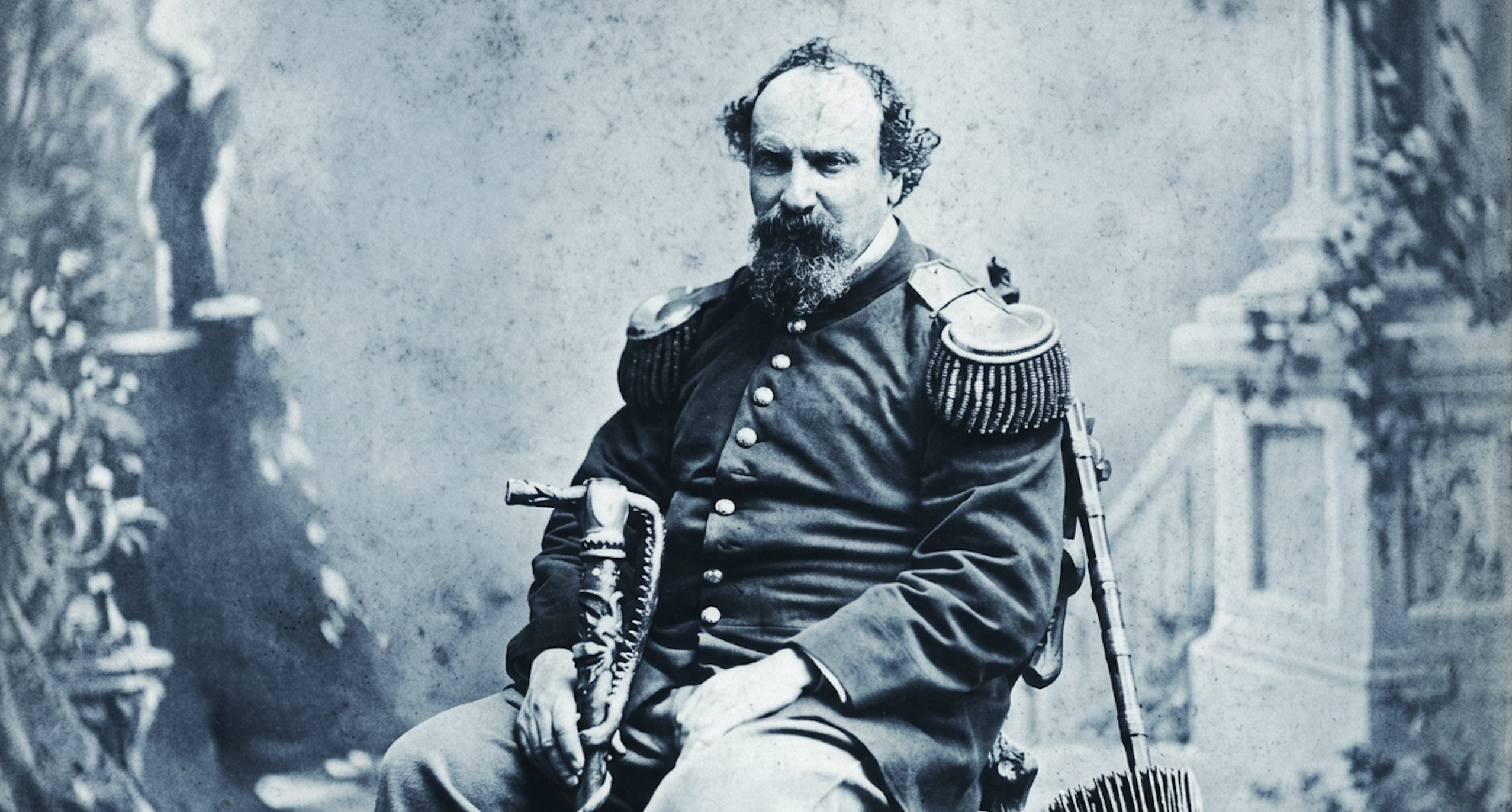
In September 1859, a bankrupt businessman with no formal political power proclaimed himself "Norton I, Emperor of the United States." He remains a legend in San Francisco.