
The American Civil War is among the most defining and crucial events in all of U.S. history. A war that shaped the United States into the country we know of today, the Civil War is also among the best-recorded wars in history, with millions of military records, letters and photographs capturing the tumultuous years of the conflict. It’s safe to say that there isn’t much left unspoken of in regard to it. But that’s exactly why I’m here.
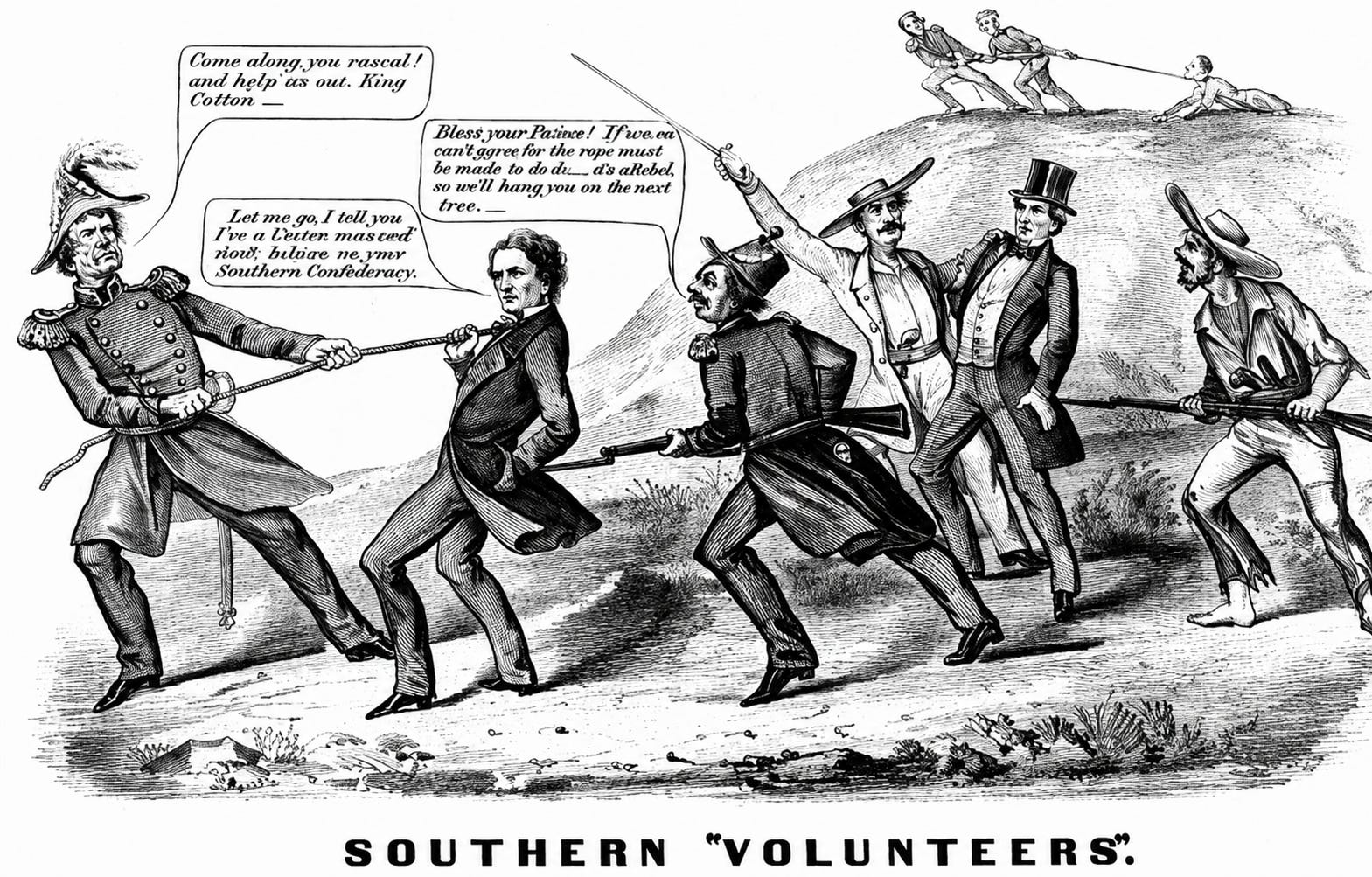
The Nueces Massacre is the result of the Battle of Nueces that directly disproves the common misconception about the Civil War: it was fought solely by Americans. Over 200,000 German immigrants participated in the conflict, and thirty-seven of them brutally lost their lives in an event that remains an unheeded part of Civil War history. In addition, the Nueces battle and consequent massacre prove the Confederacy wasn’t as united as people often think. Instead, small “enemy” factions like the Unionist Texan Germans existed and challenged the overwhelming Confederate majority.
Before we focus on the battle and massacre itself, it’s important to understand how Germans even found themselves in Kinney County, TX, on August 10, 1862. It all started in the 1830s when life in Germany became progressively worse due to overpopulation, land shortages, poverty and financial instability. When the 1848 Revolution failed, a number of liberal Germans began moving to countries that, politically, aligned with their beliefs, including the United States. Texas offered cheap land, better economic opportunities and a chance to start anew, so by 1860, around 20,000 Germans already lived in the Lone Star State.1
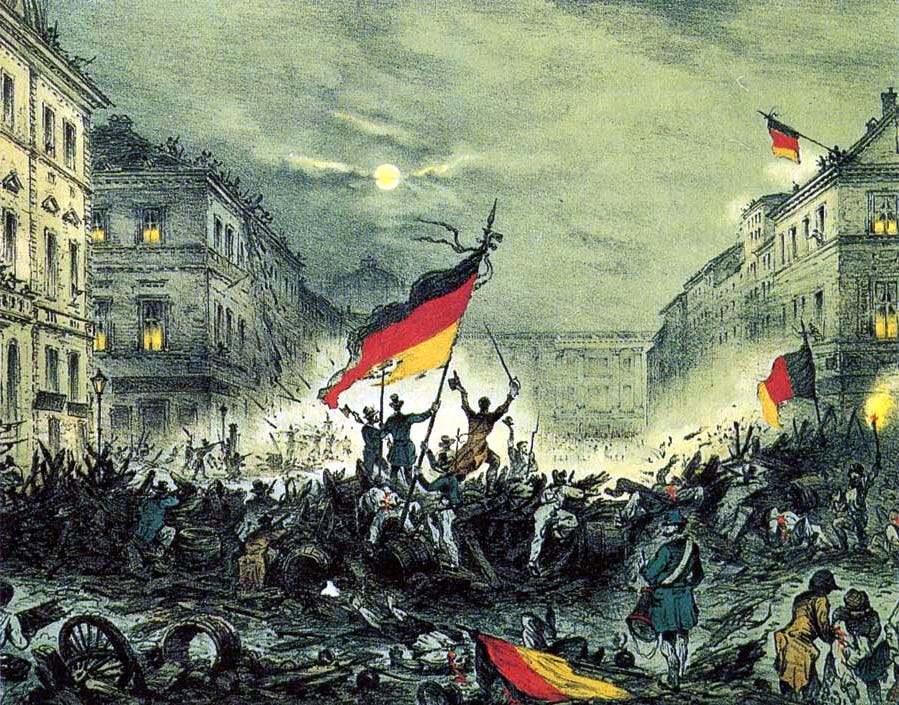
Although there were some German immigrants who owned slaves and supported the secession of Texas from the U.S., the vast majority of them were actively against slavery. Most were known as the “Forty-Eighters”, derived from the 1848 Revolution. This caused significant friction between secessionist Anglo-Texans and German immigrants who, by actively opposing slavery and secessionism, were seen as supporters of the United States and enemies of the, soon to be, Confederacy.2
This open opposition to the political goals of the Confederacy caused a lot of worry inside the Confederacy itself. German Texans, alongside Tejanos, descendants of Native American and Spanish settlers in Texas, were considered the biggest threat for the Confederacy within itself. The German-run local militias, like the Union Loyal League led by the Forty-Eighters, operated alongside Unionists, and progressively increased paranoia among Confederates, further straining the relationship.3
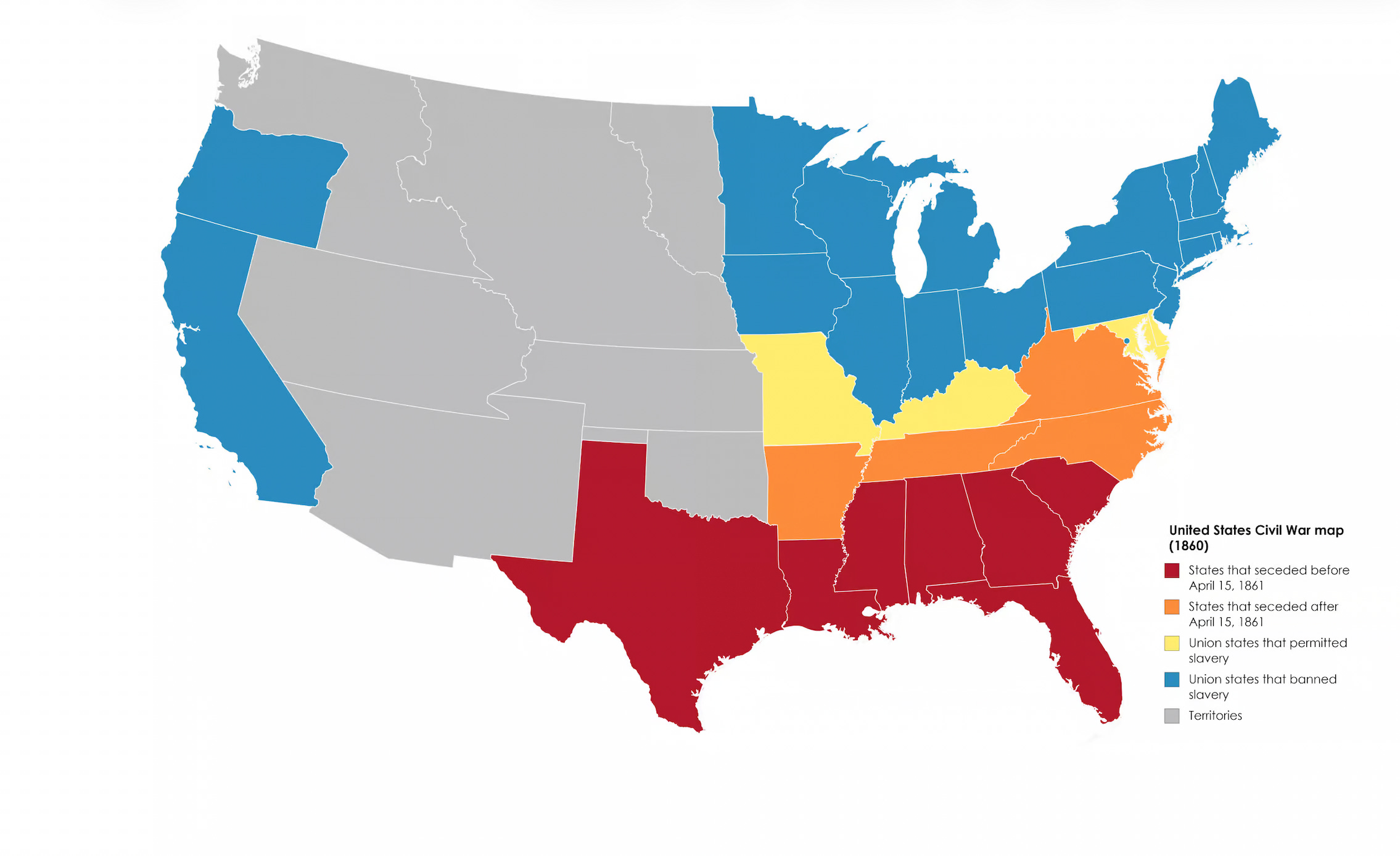
When they realised the war wouldn’t end anytime soon, in mid-1862, the Confederacy established a draft. This directly meant that German Texans were called to fight for a government they didn’t support. Their objection soon turned into actual opposition, and following the arrival of Captain James Duff to Gillespie County in May 1862, things would go from bad to worse. The death of two Germans at the hands of Duff inspired several other Germans, including the Union Loyal League and its associates, to flee Texas and attempt to reach Mexico.4 But things wouldn't go so smoothly.
While sixty-one German Unionist, led by Fredrick “Fritz” Tegener, moved towards the Mexican border in early August 1862, Duff dispatched Lieutenant Colin McRae and ninety-six men to follow them and, eventually, stop them. The Battle of Nueces commenced after McRae and his men attacked the German camp near the Nueces River on August 10, 1862, and lasted only a few hours.5 Although the Germans were caught off guard, they managed to assemble quickly and effectively fight back. But that, ultimately, wasn’t enough.
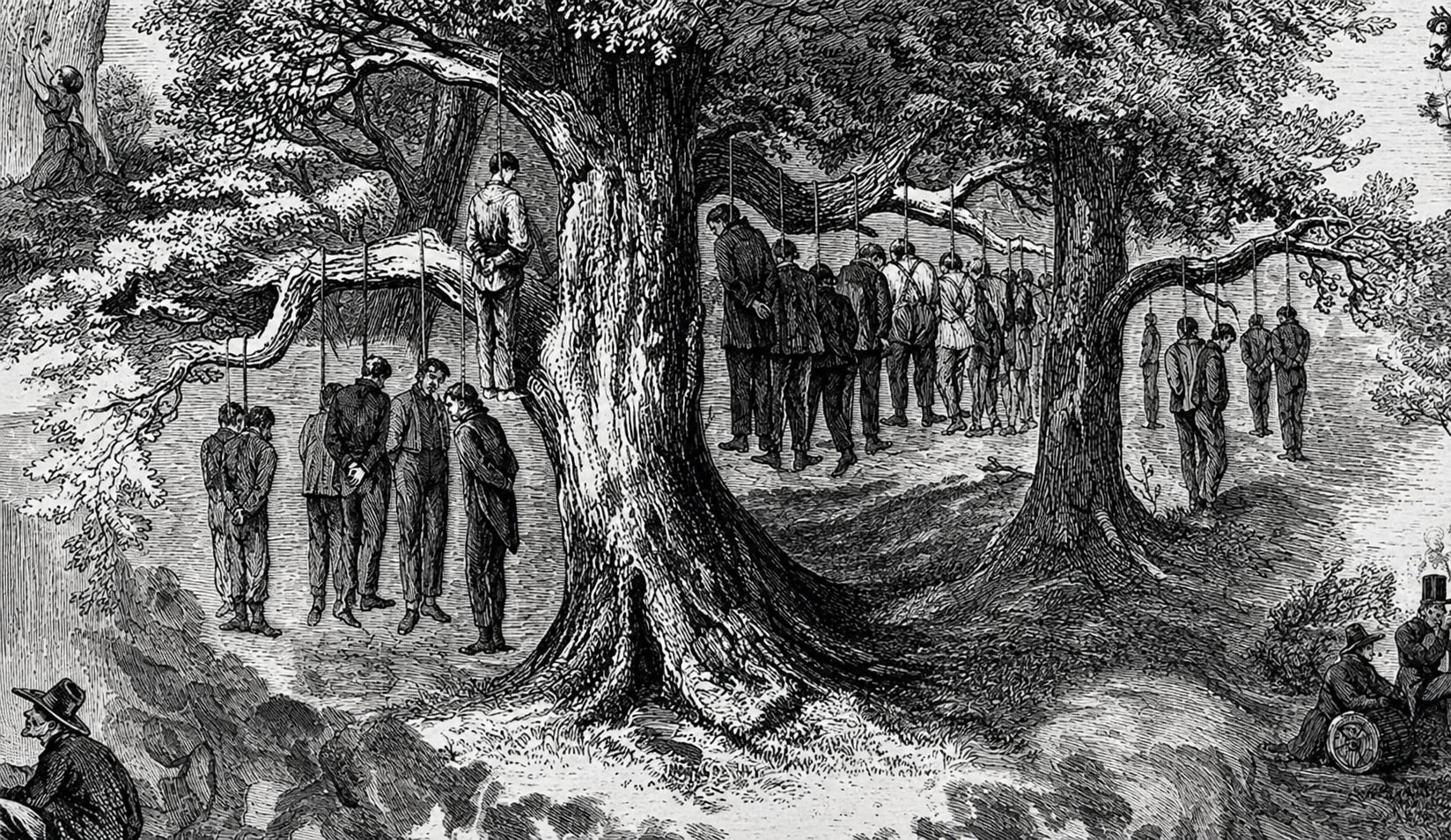
Though the Germans managed to, somewhat, resist the first Confederate charge, everything changed with the second. The pent-up aggression Confederate forces felt towards “traitors” was immense, so although the battle officially ended that same day after the rest of the German Unionists scattered into the wilderness of Southern Texas, the killings didn’t. The Nueces Massacre began shortly thereafter, with Confederate soldiers hunting down surviving Germans and murdering thirty-seven of them, even when they showed no resistance.6
The death of thirty-seven German Texans changed the overall relationship between Confederate forces and German Unionists, mostly because the German opposition to the Confederacy ceased significantly following the Nueces Massacre. In fact, for the remainder of the war, opposition to Confederate beliefs was mostly kept on the down low due to extensive fear that another massacre could occur.7
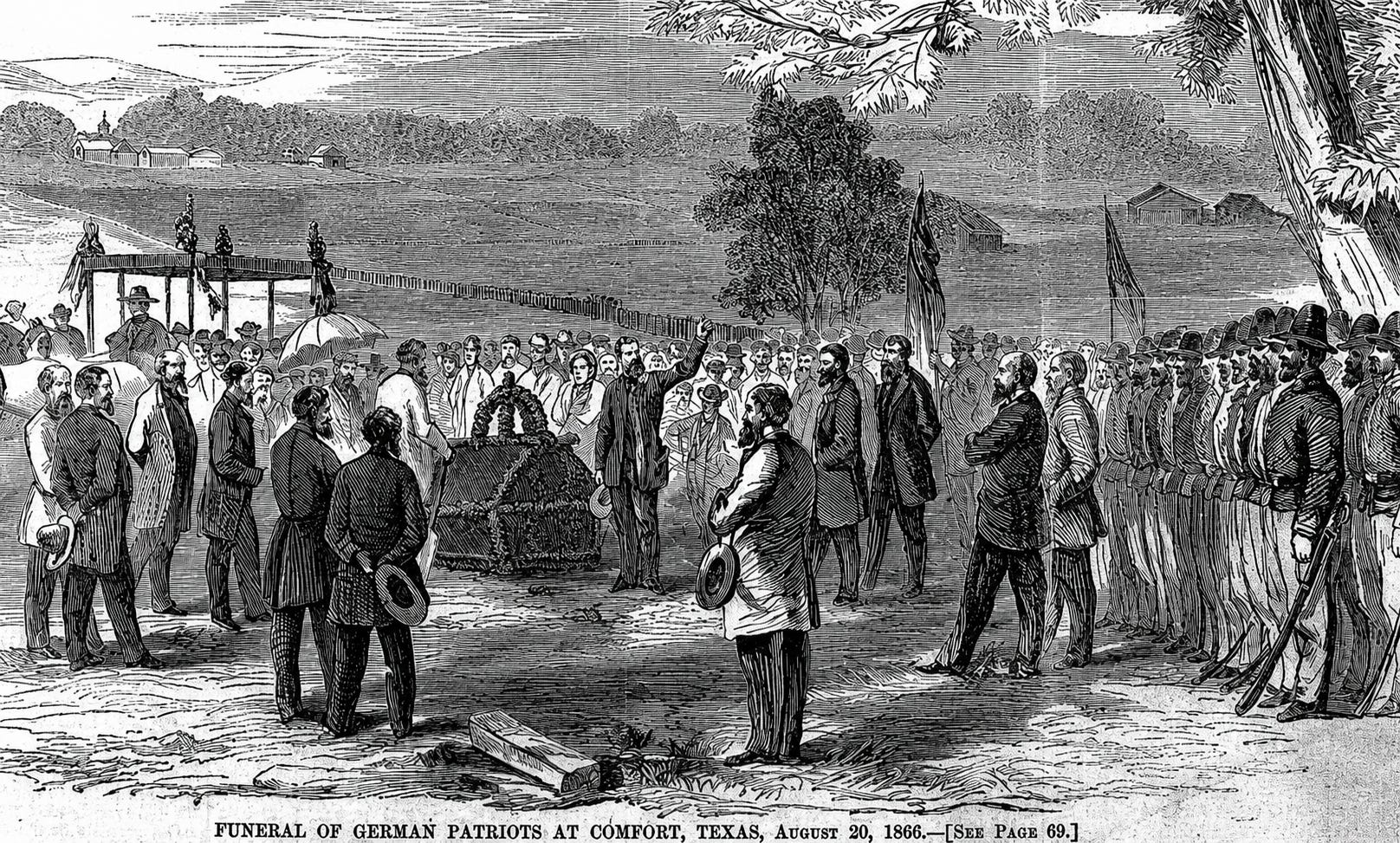
It might seem pointless to ponder, but had the Nueces Massacre never taken place, there’s a good chance the Confederacy might’ve been more fragmented in the early stages of the war than it had been. Although German Unionists were a minority in a state under the Confederate flag until the end of the war, their political opposition and defiance of protocol might’ve inspired other Unionist groups to show resistance and, potentially, fight back had larger Unionist forces shown support.
It’s interesting to mention that, following the end of the war, the Treue der Union (“Loyalty to the Union”) Monument was dedicated four years following the massacre in Comfort, TX. Built to remember the men killed in the Nueces Massacre, the monument is also the final resting place to many of those murdered. In addition, it remains the only Unionist monument dedicated by locals in the territory formerly controlled by the Confederacy.8
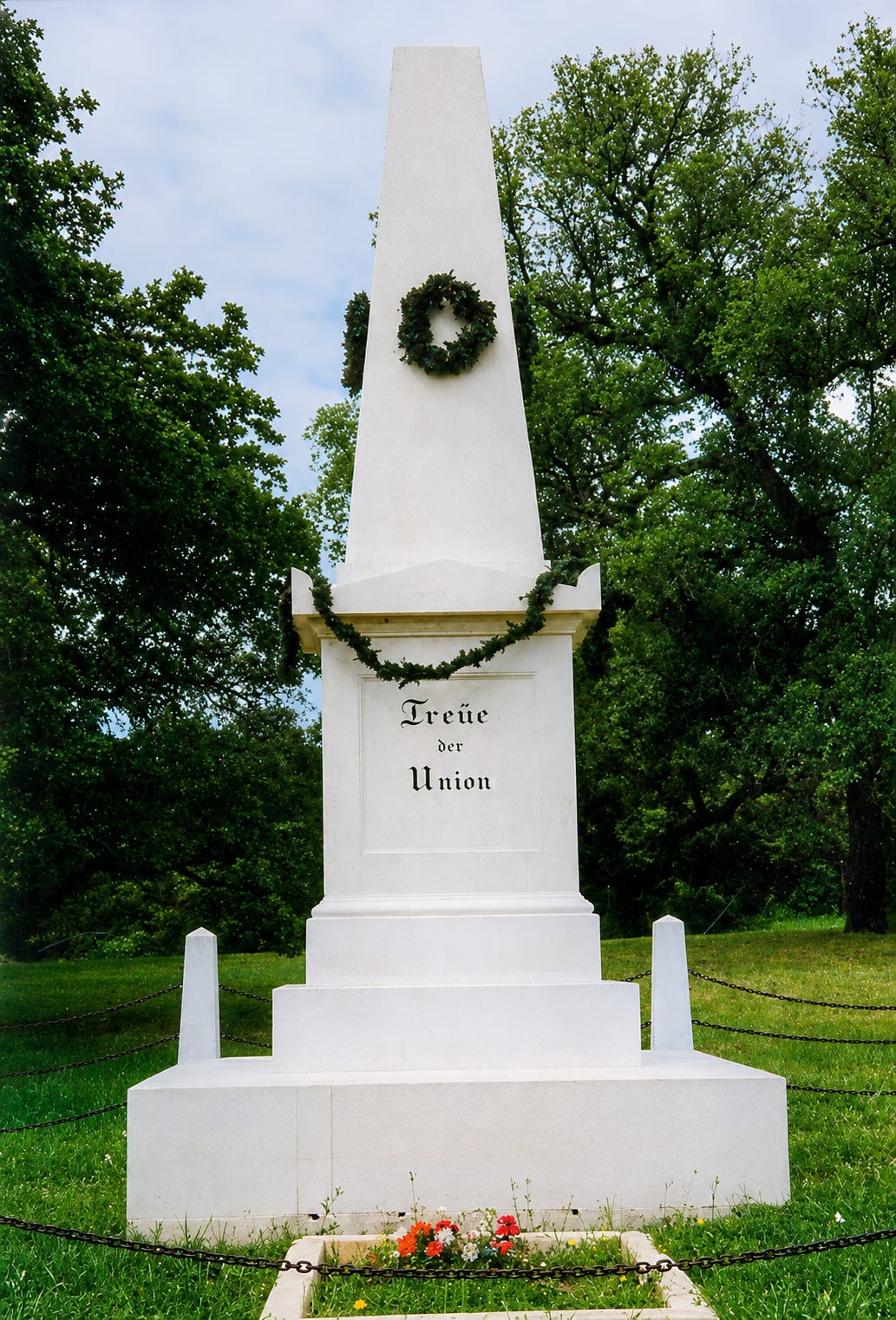
Although many would claim the Nueces Battle and Massacre were minor events in Civil War history that didn’t contribute to any significant changes, I disagree. The events surely didn’t lead to a huge blow for either of the two belligerents, but they did help the Confederacy remain an intimidating opponent after their internal enemies were taken care of. Again, we’ll never know, but maybe the Confederacy wouldn’t have resisted until 1865 had the German Unionist forces remained intact.
Altogether, this fascinating event remains an overlooked footnote in Civil War history. One that, had it not happened, might’ve changed the entire progression of the war. In the end, the story of the Nueces Massacre is one of courage, standing up for what you believe in and not allowing the aggressor to take away your political rights. The sheer bravery of living in a Confederate state and openly opposing their beliefs isn’t lost on me. Because, after all, we must stand up for what we believe in even if we stand alone. And that, they did.
Marten 1990, pp. 120–121.
Kamphoefner 1999, p. 451.
Comments
Nothing yet. Say the first thing.
Sign in to join the conversation.