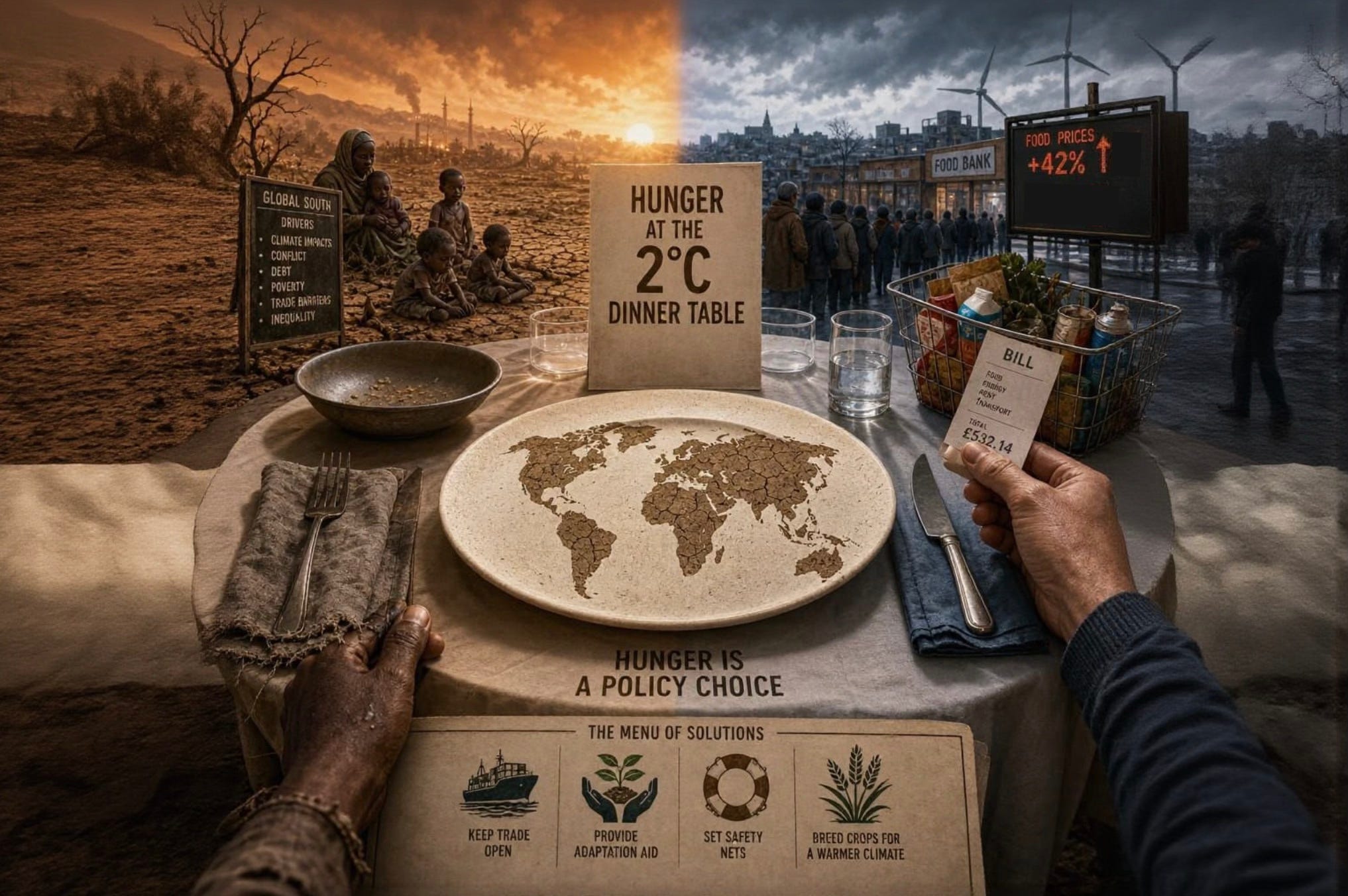
Hunger At The 2°C Dinner Table
How 2°C redraws the map of hunger from the fields of Malawi to the checkout in Tesco, why it is arriving 20 years earlier than the IPCC said it would, and why starvation toll is still a policy choice.

The science of climate change is highly complex. Most scientific data papers are difficult for the public and policymakers to decipher. Climate Uncovered provides Data-Driven Insights, Explores the Latest Research and translates Climate Science.
Live Last read · last published · next check
How 2°C redraws the map of hunger from the fields of Malawi to the checkout in Tesco, why it is arriving 20 years earlier than the IPCC said it would, and why starvation toll is still a policy choice.
Disruptive Climate Futures - The physics, the feedbacks, the levers and the implications of possible responses
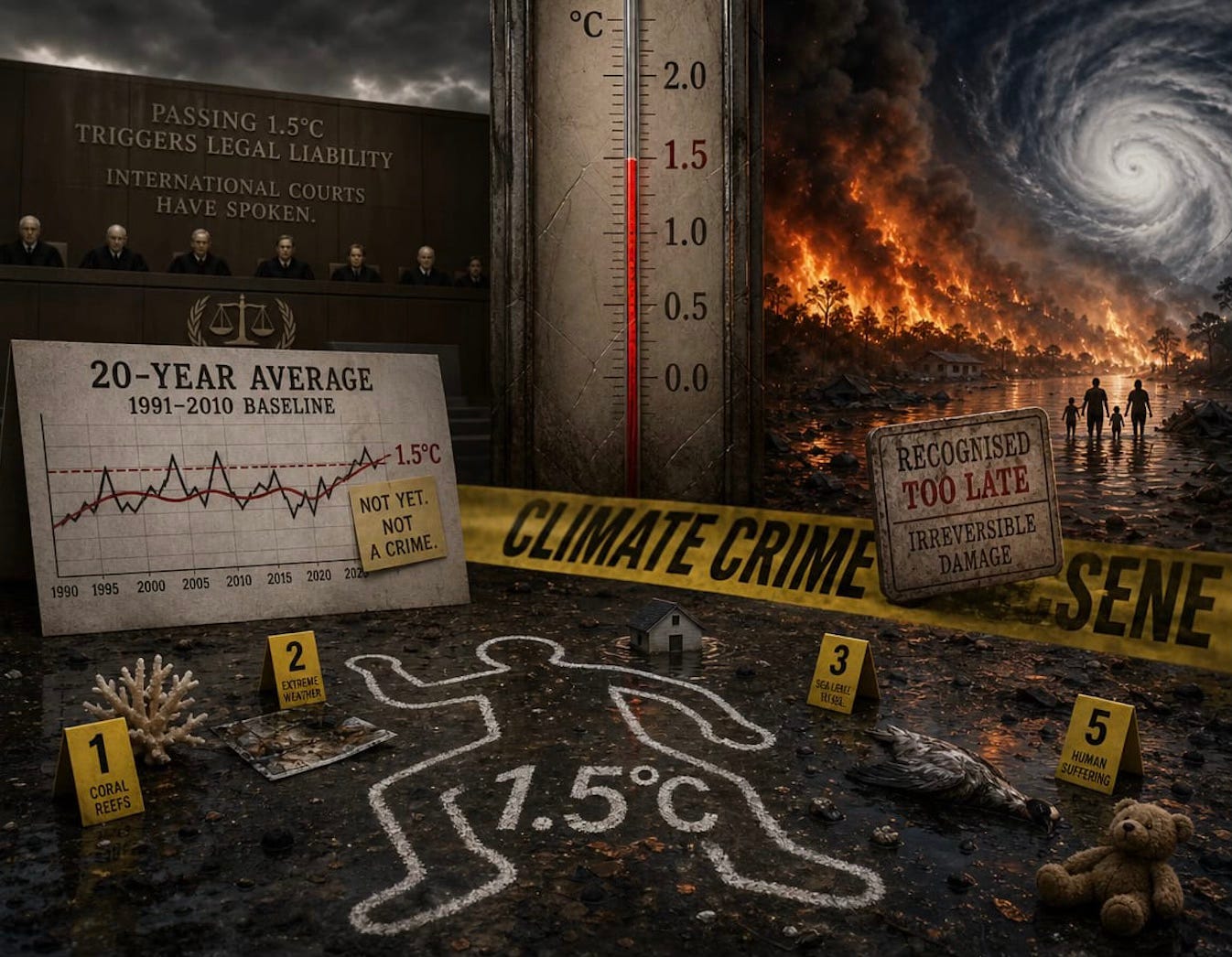
International courts have declared that passing 1.5°C triggers legal liability—but our insistence on historic averages means we won’t legally recognise the crime until after the damage is irreversible
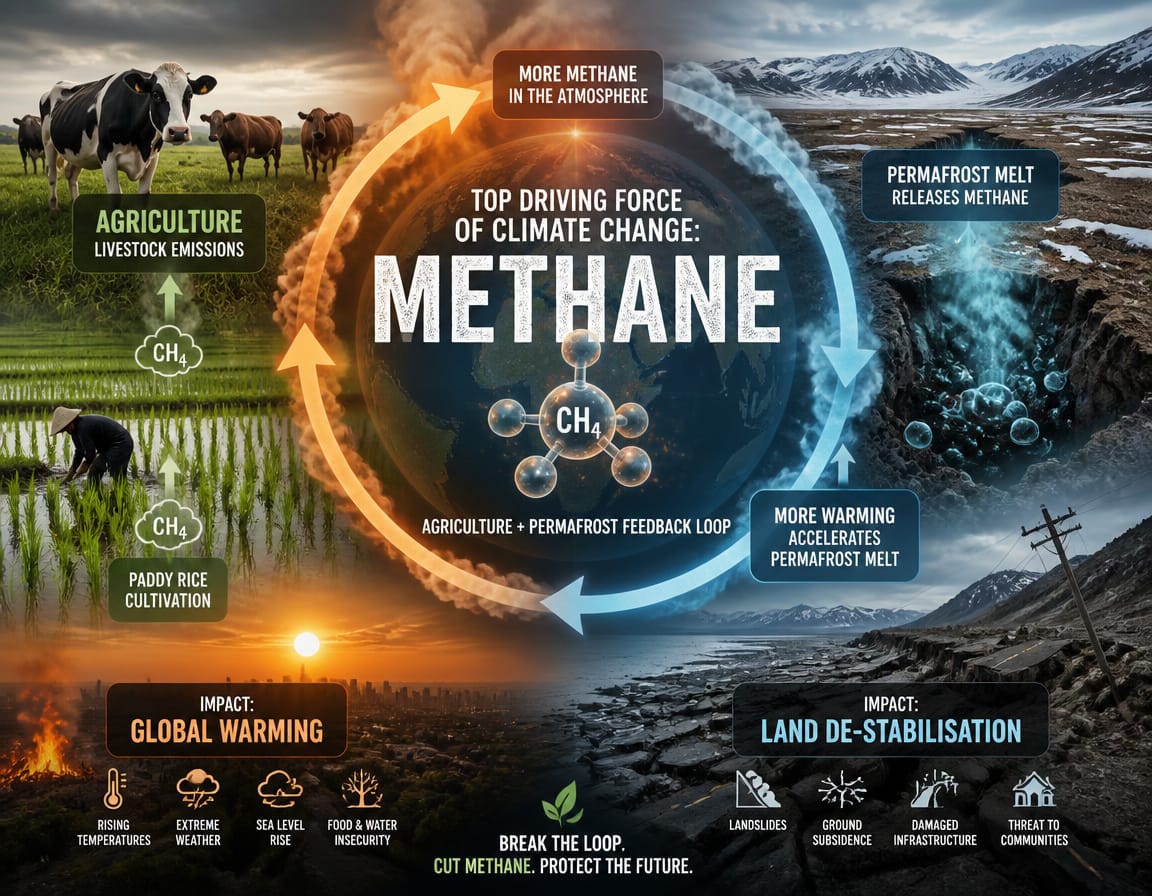
Methane is a powerful greenhouse gas but is short lived. This makes it a strong warming driver but also a fast acting brake if emissions are cut. A natural feedback lurks in the permafrost though.
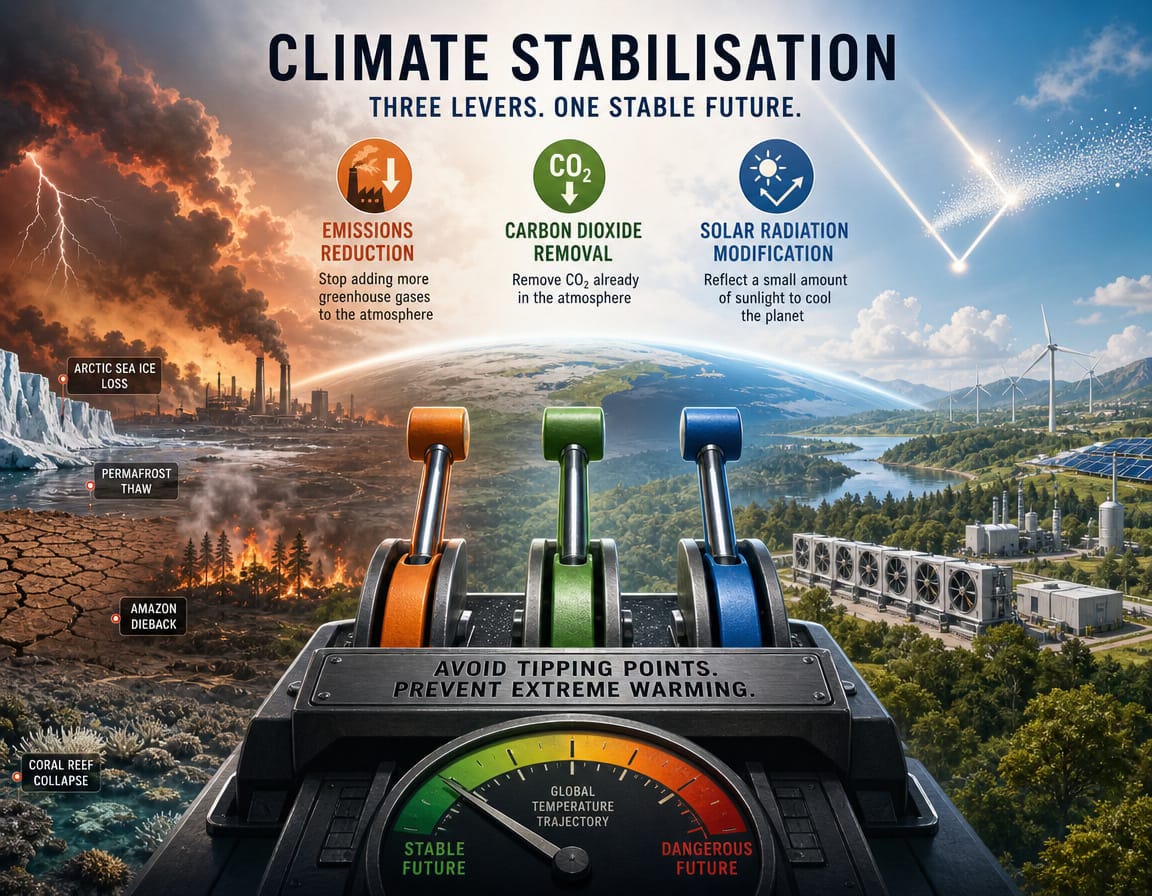
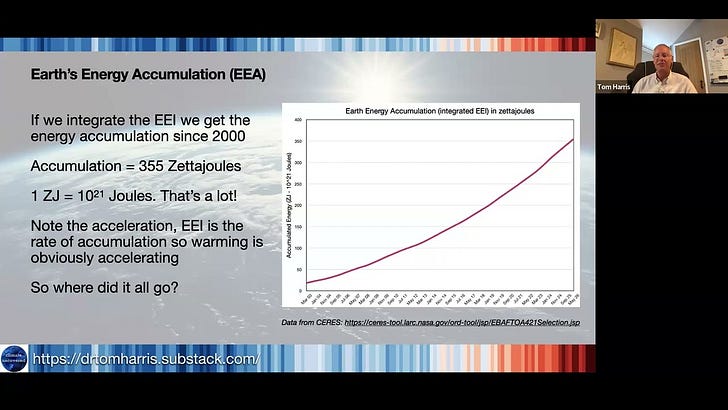
Decarbonisation, Carbon Dioxide Removal and Solar Geoengineering all have the potential to reduce the Earth’s Energy Imbalance. Will we need all three to stabilise the climate?
The physics, the feedbacks, the implications and the responses to our changing climate.
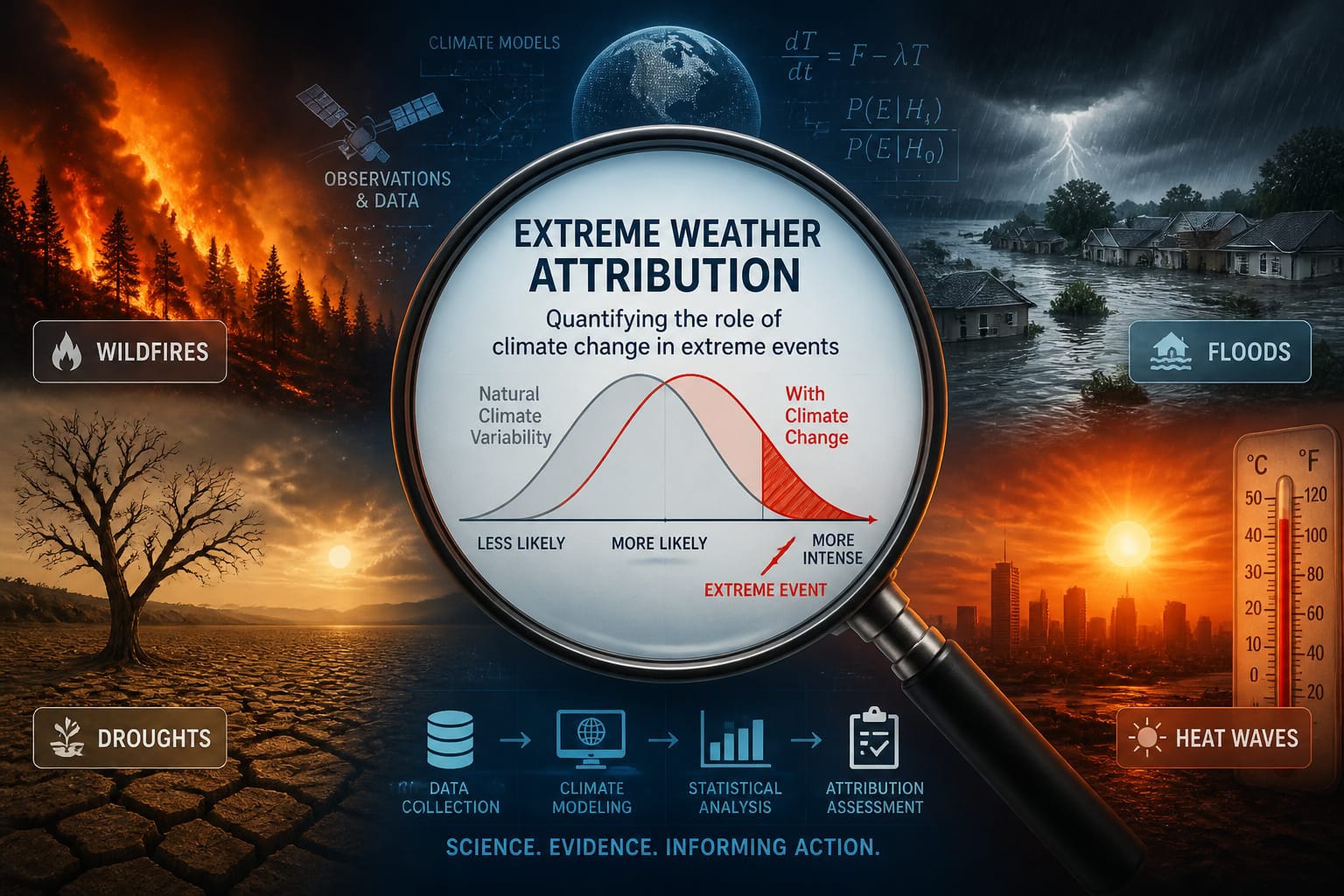
The science of Extreme Weather Attribution is used to assign a climate change contribution to the seasonal climate as well as individual weather events, but how does it work?
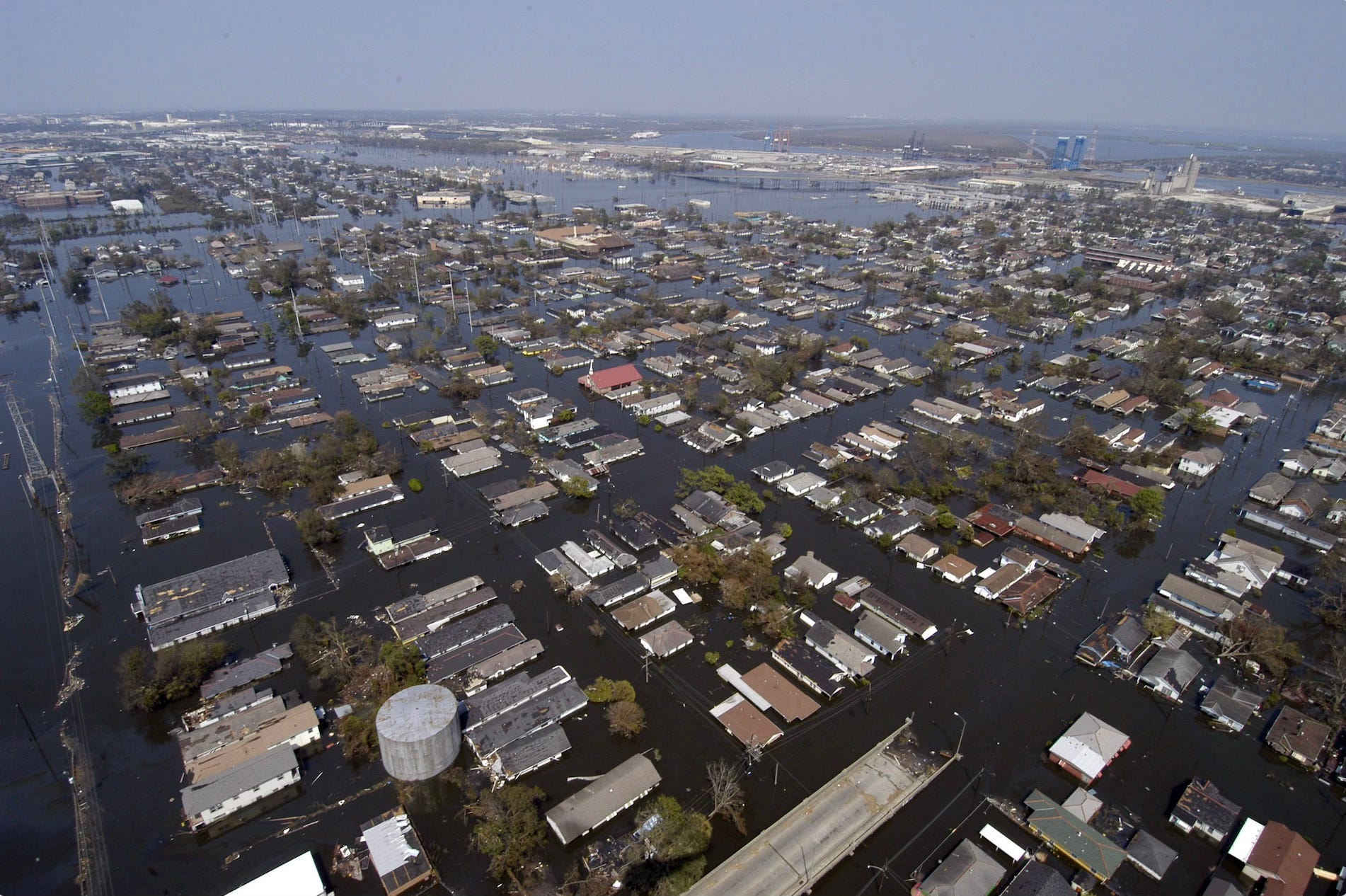
Sea level rise may hit more slowly than heatwaves, but it is relentless and unstoppable. Building defences is costly and takes time, so what level of protection should Governments plan for?
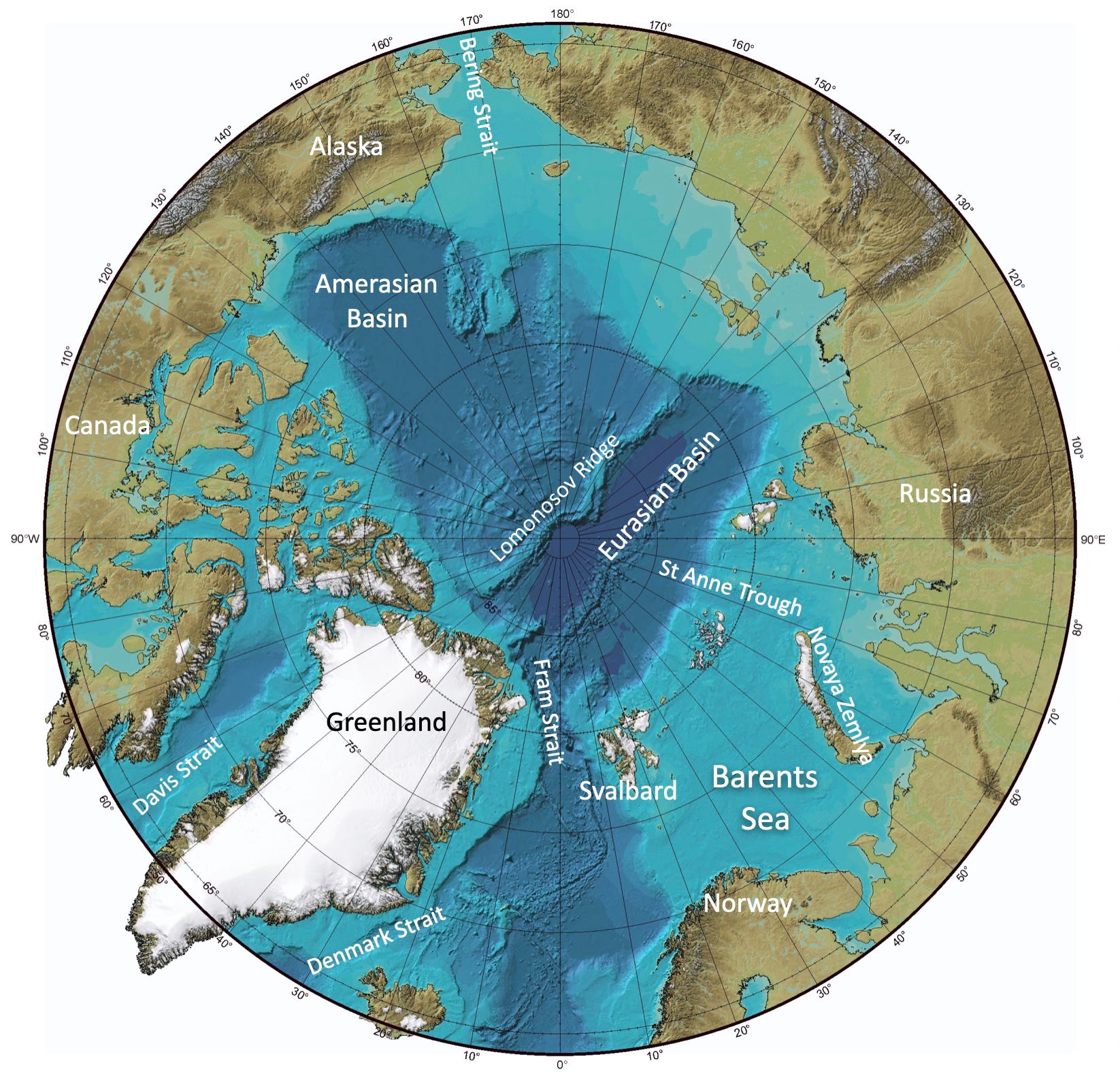
Two recent papers show the importance of the Barents Seaway in sustaining the AMOC today as well as helping to shape the evolution of the ice age through the mid-Pleistocene Transition.
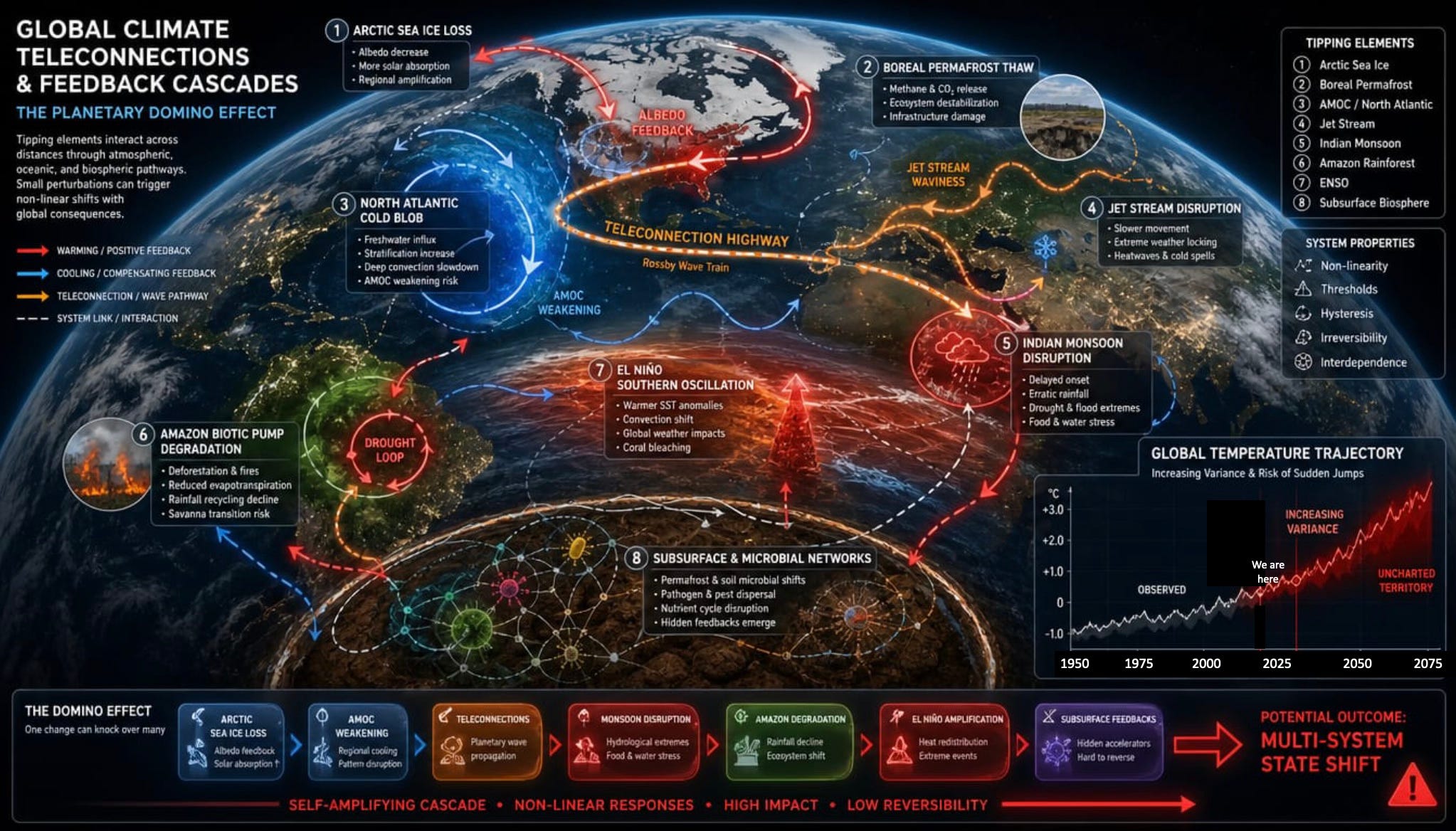
How breaking climate buffers, teleconnections, and feedbacks are synchronising into a self-amplifying domino effect that threatens to permanently push global temperatures past 1.5°C