DNA is Not Destiny
An epigenetic gatekeeper called REST throws the right switches

A neurosurgeon's take on stuff... grow a bit smarter every day
Live Last read · last published · next check
An epigenetic gatekeeper called REST throws the right switches
and some simple hacks to fix it
Be honest, it’s crossed your mind a time or two: Zuck is a cyborg.
What do an iconic Hollywood actor, a legendary NASCAR driver, and a former NFL star have in common?
Which Billy makes better music: Billie Eilish or Billy Joel?
The year was 1913.
Your body runs on food.
Buff or Nerf?
You probably didn’t know it, but the Roman Emperor Marcus Aurelius was also, in his own way, a brain scientist (clearly, a man who wore many helmets).
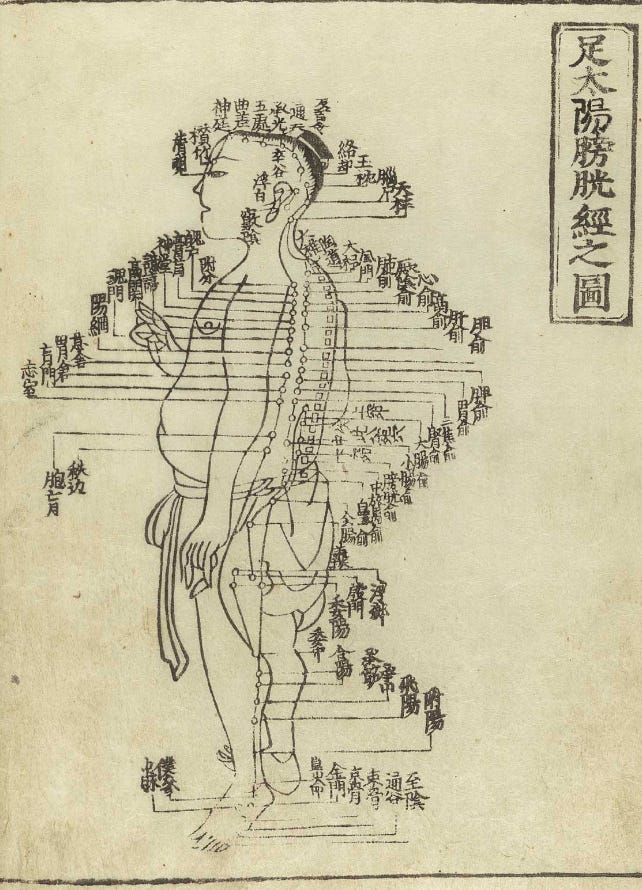
Think acupuncture is just a hocus pocus?
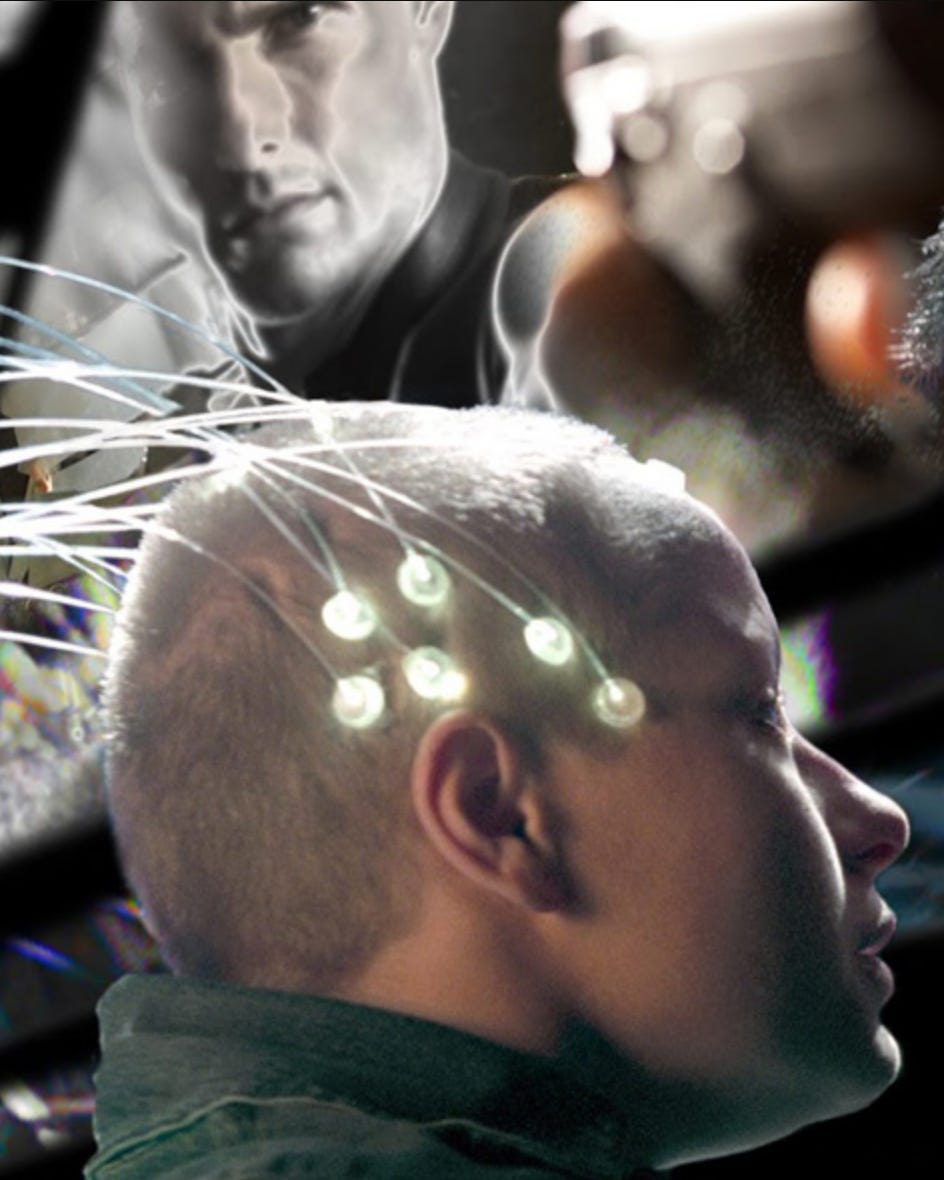
What if the most powerful brain-monitoring tech in the world just escaped from a sci-fi movie?
I loved the movie Project Hail Mary. It was fun, exciting, and truly thought-provoking without a trace of the heavy-handed preachiness that drags down sci-fi movies so often nowadays. I watched the film as a neurosurgeon and writer. So, I wasn’t just following the story—I was completely captivated by how the two characters built a shared language from nothing.
For years, the race to connect the human brain directly to a computer felt like a localized, slow-moving science fiction experiment.
As a neurosurgeon, my career has been guided by a simple medical maxim: Tutus non praeclarus—safe, not brilliant. Daring and dazzling plays well in movies, but in the operating room, brilliance without discipline is just another word for risk. This is exactly why the sudden, mainstream rush toward psilocybin—the active chemical in “magic” mushrooms—makes me step back and examine the wiring.
Decades in the operating room have taught me that the brain is akin to a spiderweb: fragile, interconnected pathways.
As a neurosurgeon who has spent decades treating traumatic brain injuries, I view the field of play differently than most fans.
We live in a world that constantly bombards our senses.
For a long time, the prevailing medical myth was that the brain was a cul-de-sac: Once you reached adulthood, neurogenesis circled around a dead end, and aging was simply a slow, unavoidable slide toward decay.
As a neurosurgeon who has spent decades peering into the intricate wiring of the human nervous system, I am fascinated by how the brain orchestrates athletic greatness.
Choosing to actively notice the good things in your life improves your mental health from multiple angles.
I’ve come to respect one silent intruder more than almost any other: chronic insomnia. It doesn’t announce itself with fanfare. It simply robs you, night after night, of the deep, restorative sleep your brain desperately needs to repair itself, clear toxic waste, and stay sharp for decades to come.