
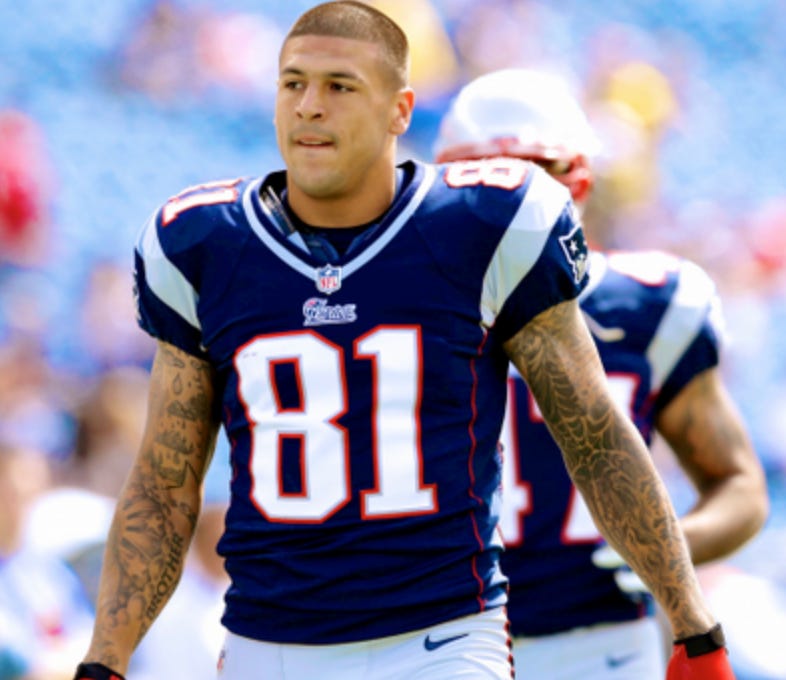
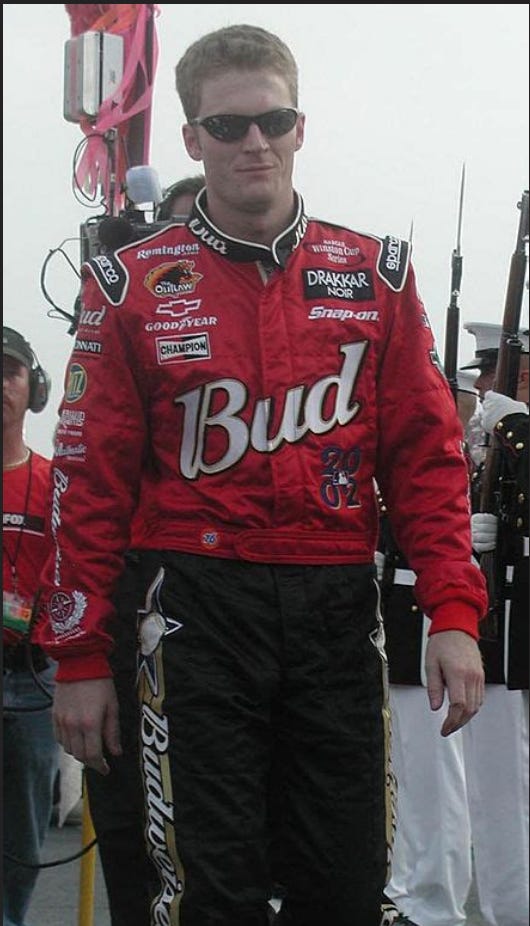
What do an iconic Hollywood actor, a legendary NASCAR driver, and a former NFL star have in common? On the surface, very little. Their lives played out on movie sets, high-speed racetracks, and football fields. Yet Bruce Willis, Dale Earnhardt Jr., and the late Aaron Hernandez are all connected by one quiet, forward-thinking decision: they looked at the future of human health and said, “Take my brain.”
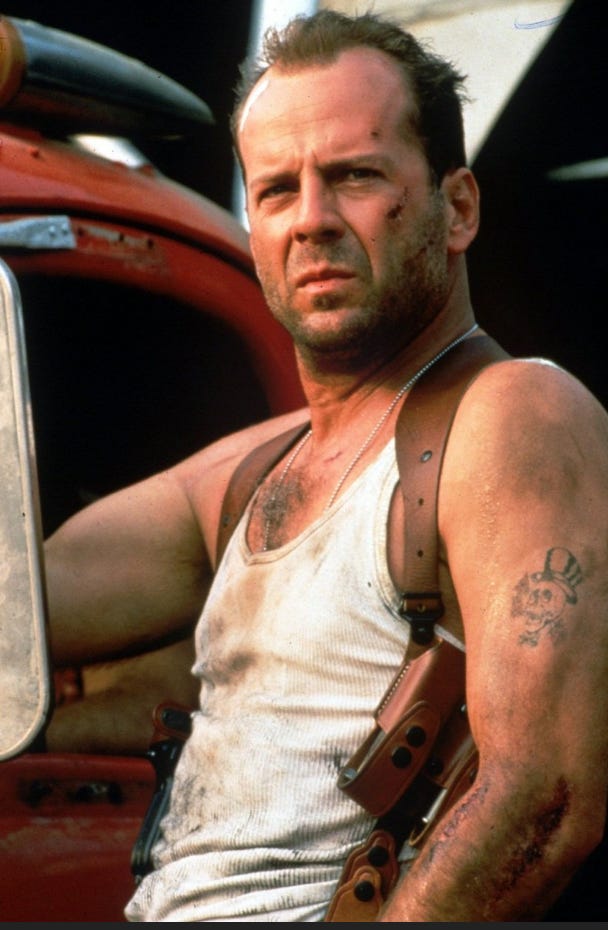
I’ve spent a career astonished by the brain’s resilience. But there’s a hard limit to what we can learn from the brain while the patient is still using it. An MRI only gives us shadows and hints. To truly understand neurodegenerative diseases (like the frontotemporal dementia affecting Willis or the CTE found in athletes like Hernandez) we need to see the actual tissue under the microscope.
The Power of One Brain
When a pioneer like Dale Earnhardt Jr. pledges his brain, he isn’t just checking a box on a donor card; he’s delivering a roadmap. A single donated brain can be sectioned into hundreds of samples, fueling dozens of different studies simultaneously. Scientists hunt for the microscopic tau protein “tangles” that signal CTE or the specific patterns of atrophy that define dementia. These donations are the only way to find answers that remain hidden at the cellular level.
The “Abby Normal” Elephant in the Room
I know what you’re thinking. Brain donation sounds like a mad-scientist plot straight out of Young Frankenstein, complete with a dusty jar and a label that says “Caution: Abby Normal.”
Relax. Nobody is building monsters. This is a respectful, highly regulated clinical process. And here’s the part most people miss: we don’t only want the “broken” brains. Science desperately needs “control” brains: the healthy ones. We need the brains of lifelong Sudoku champions, the geniuses, the average Joes, and yes, even the people who still think socks with sandals is a valid fashion choice. Your everyday experiences create the baseline for what “normal” aging actually looks like. That data is pure gold.
A Legacy for the Rest of Us
You don’t need a Super Bowl ring or a Hollywood star to be a hero. You just need to be comfortable with the idea of being slightly more useful after you’ve retired from… well, breathing.
The road to curing Alzheimer’s, Parkinson’s, and CTE runs through our collective participation. By donating your brain, the very neurons that carried your first kiss or your favorite dad jokes can keep working long after you’re gone. It’s the only time in your life, or after it, where being called a “brainiac” is a literal, scientific fact.
Unlock the future. Consider brain donation. Let’s face it, you weren’t using that thing for much besides scrolling social media anyway. Let’s put it to work.
No posts
Comments
Nothing yet. Say the first thing.
Sign in to join the conversation.