An Autopsy of Four Drugs: The Cause of Death for Four AstraZeneca and Novartis Oncology Programs
Four Cases, One Broken Chain

Pathologist & PhD in oncology. Expert in digital pathology, AI and diagnostics. Writing to decode the present — and build what’s next.
Subscribe:.rss.atom.json.md.m3u.pls
Live Last read · last published · next check
Four Cases, One Broken Chain
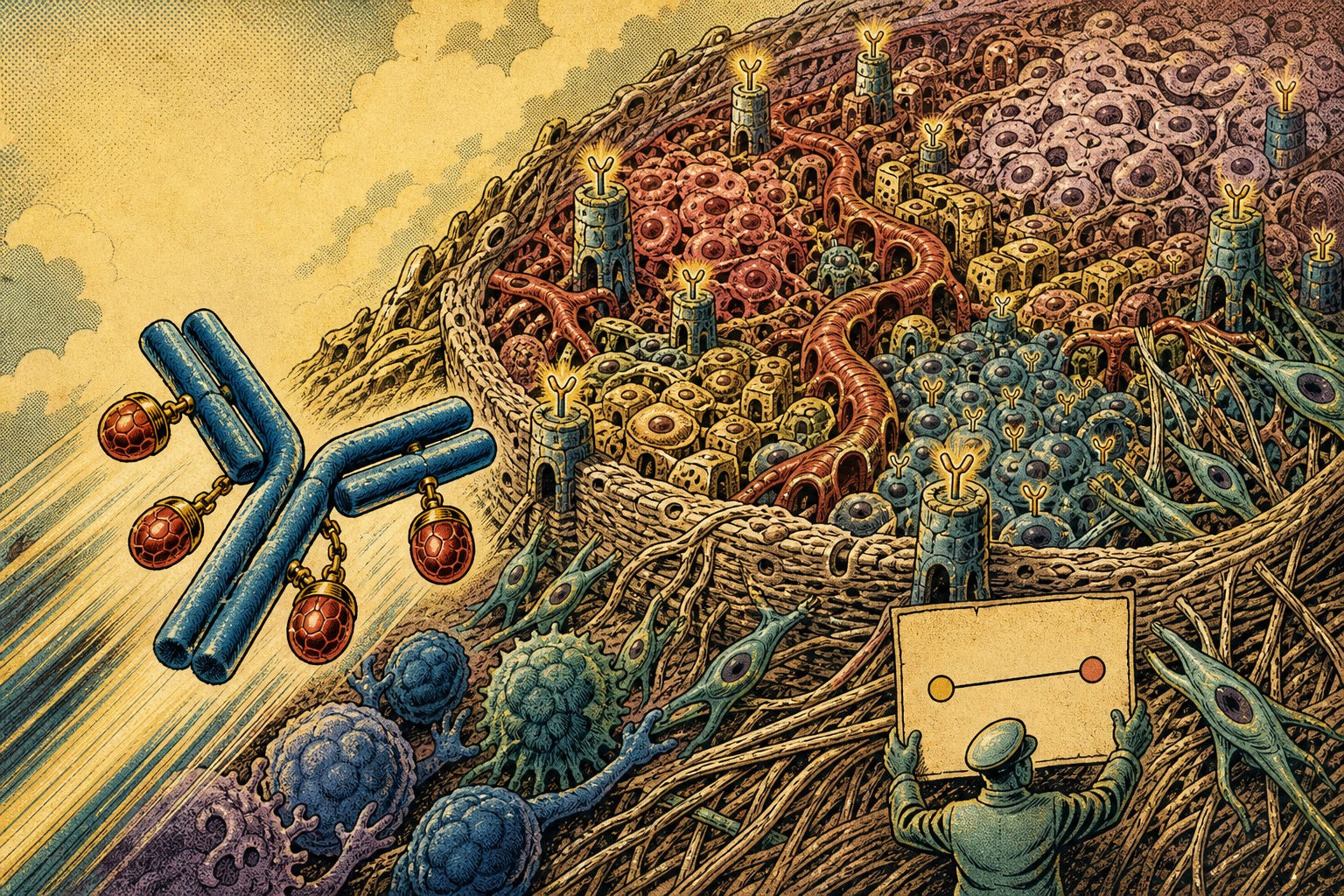
The blind spot antibody-drug conjugates share with pathology AI
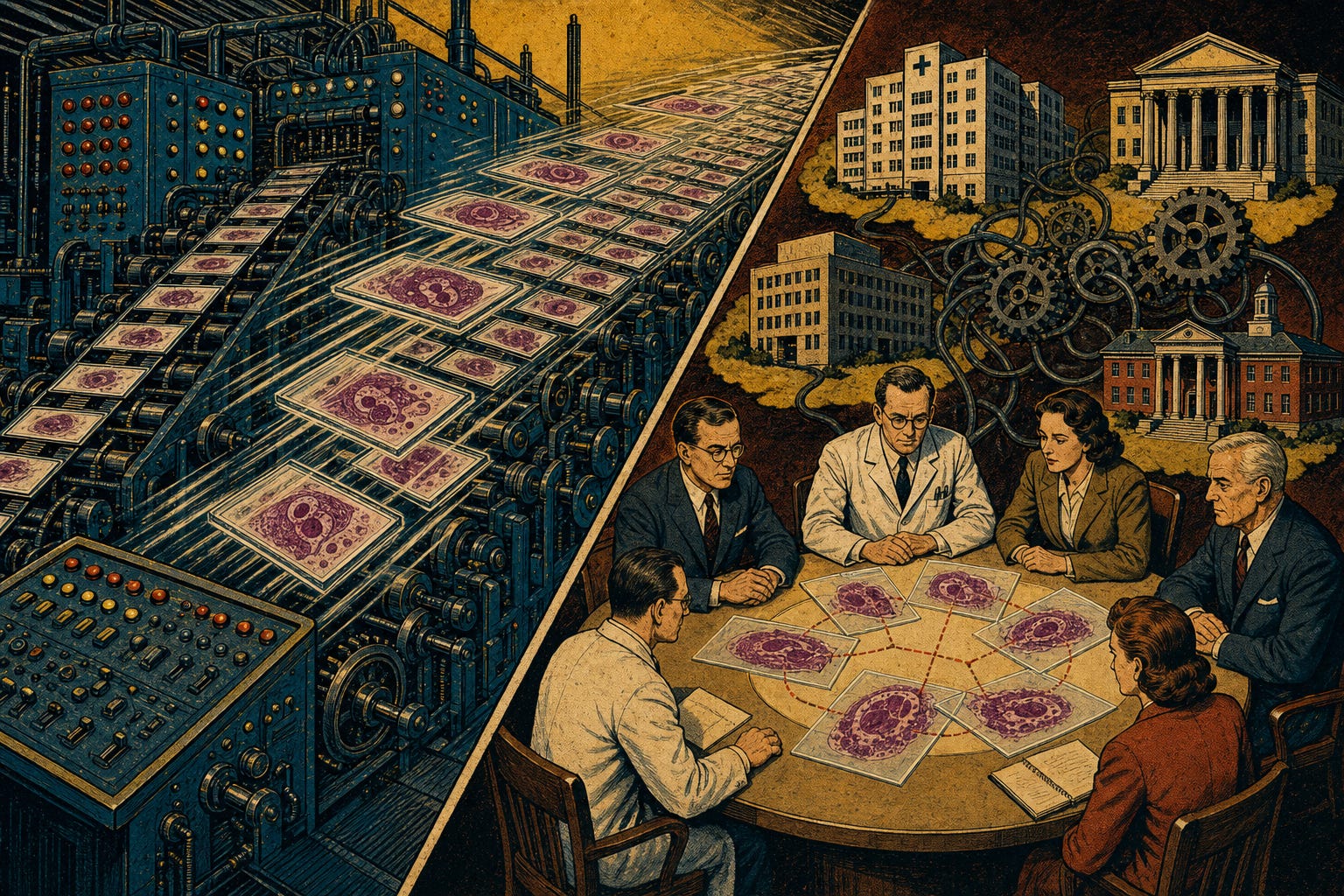
Better perception alone won’t solve digital pathology’s standardization problem
THE MONTHLY REVIEW
This isn't a war to be won. It's a race to not be the one left behind.
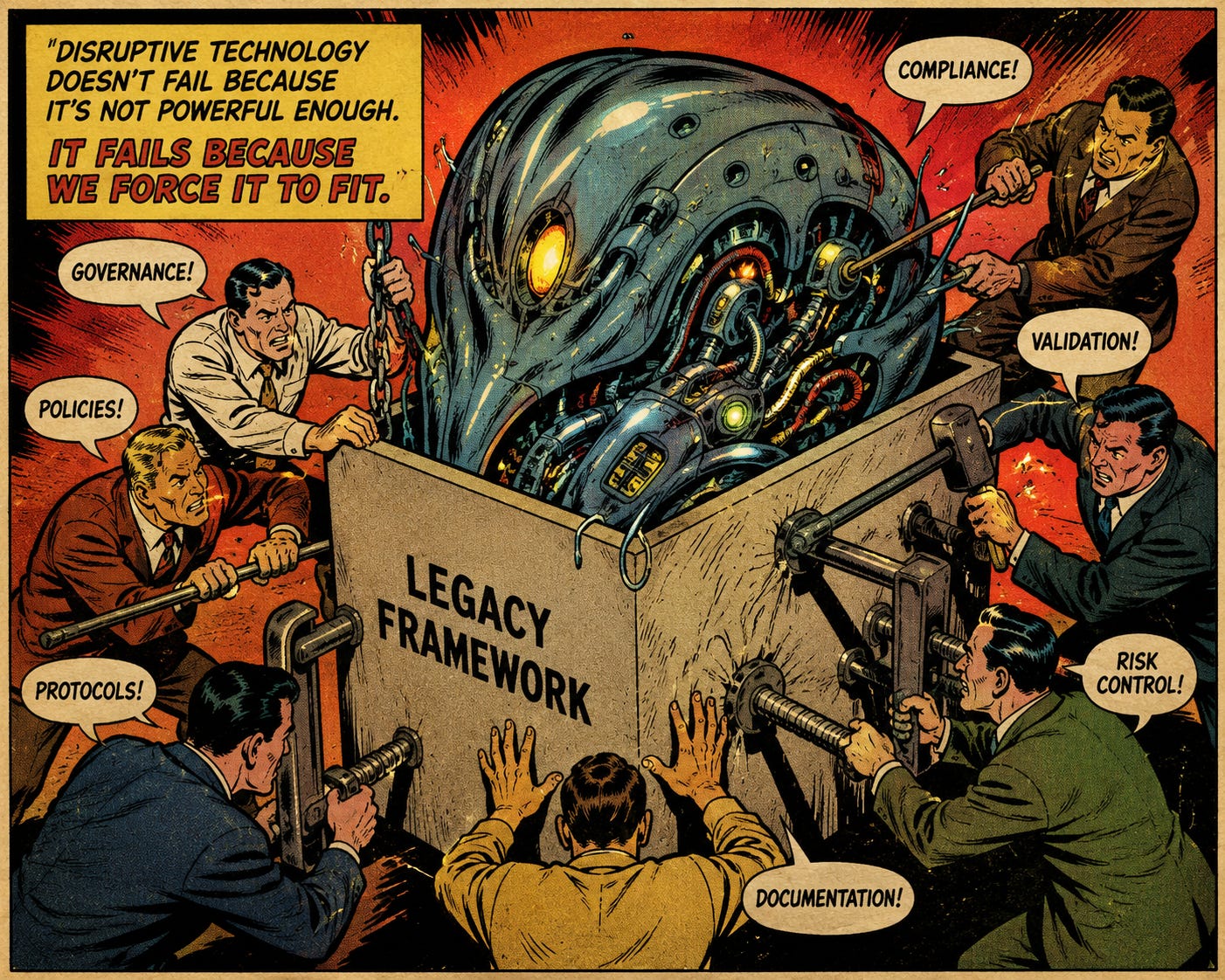
Why disruptive technologies lose their transformative power when organizations force them into legacy frameworks.
The hospital had done the transition right.
How the industry built smarter algorithms when hospitals needed simpler systems and what happened when clinicians started fixing it themselves
How a technology designed to connect experts may be quietly weakening the invisible networks that make diagnosis possible.
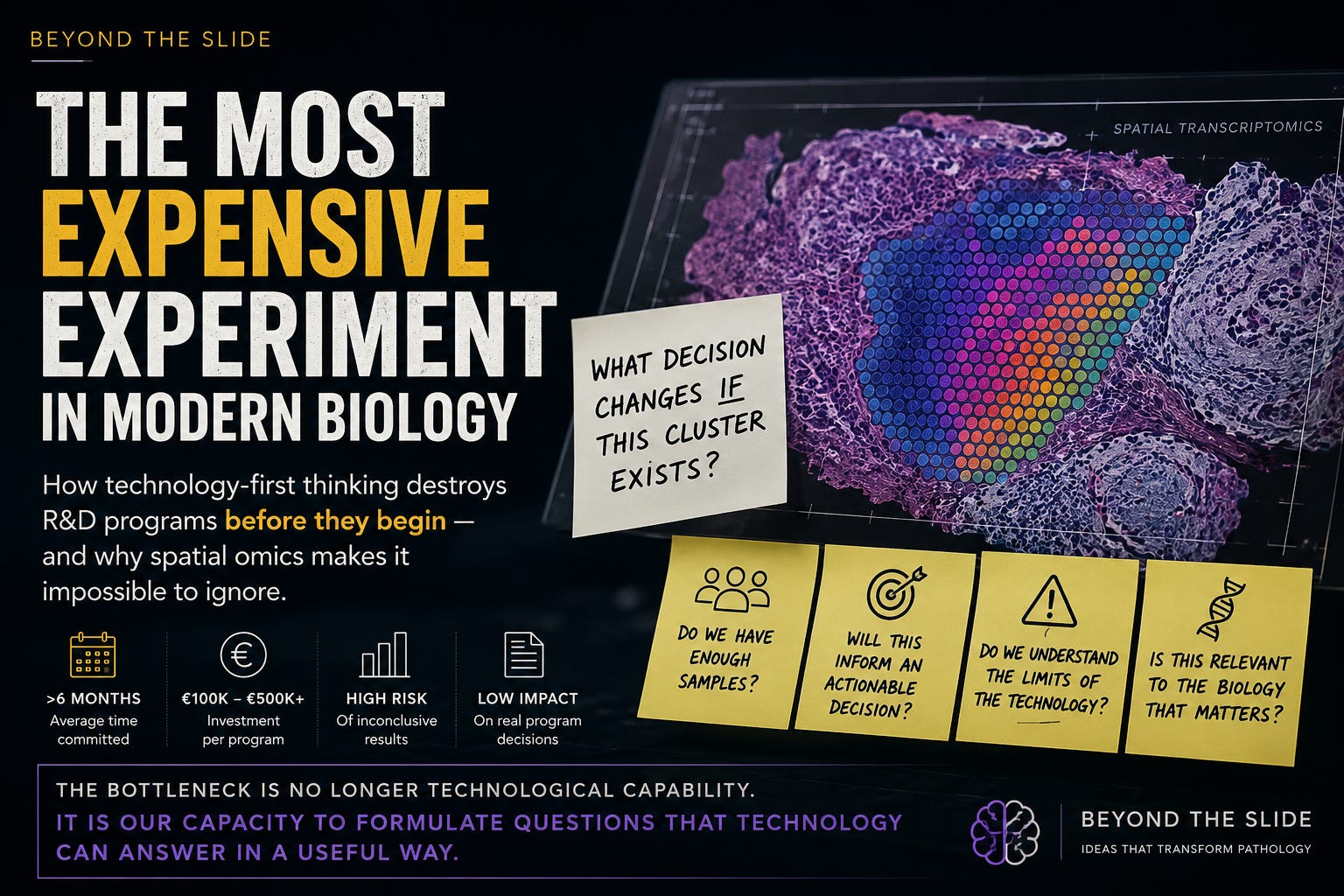
How technology-first thinking destroys R&D programs before they begin
THE PROMISE : The biggest technology boom in the history of the pharmaceutical industry
AI is already producing useful predictions, what organizations still don’t know how to produce are decisions
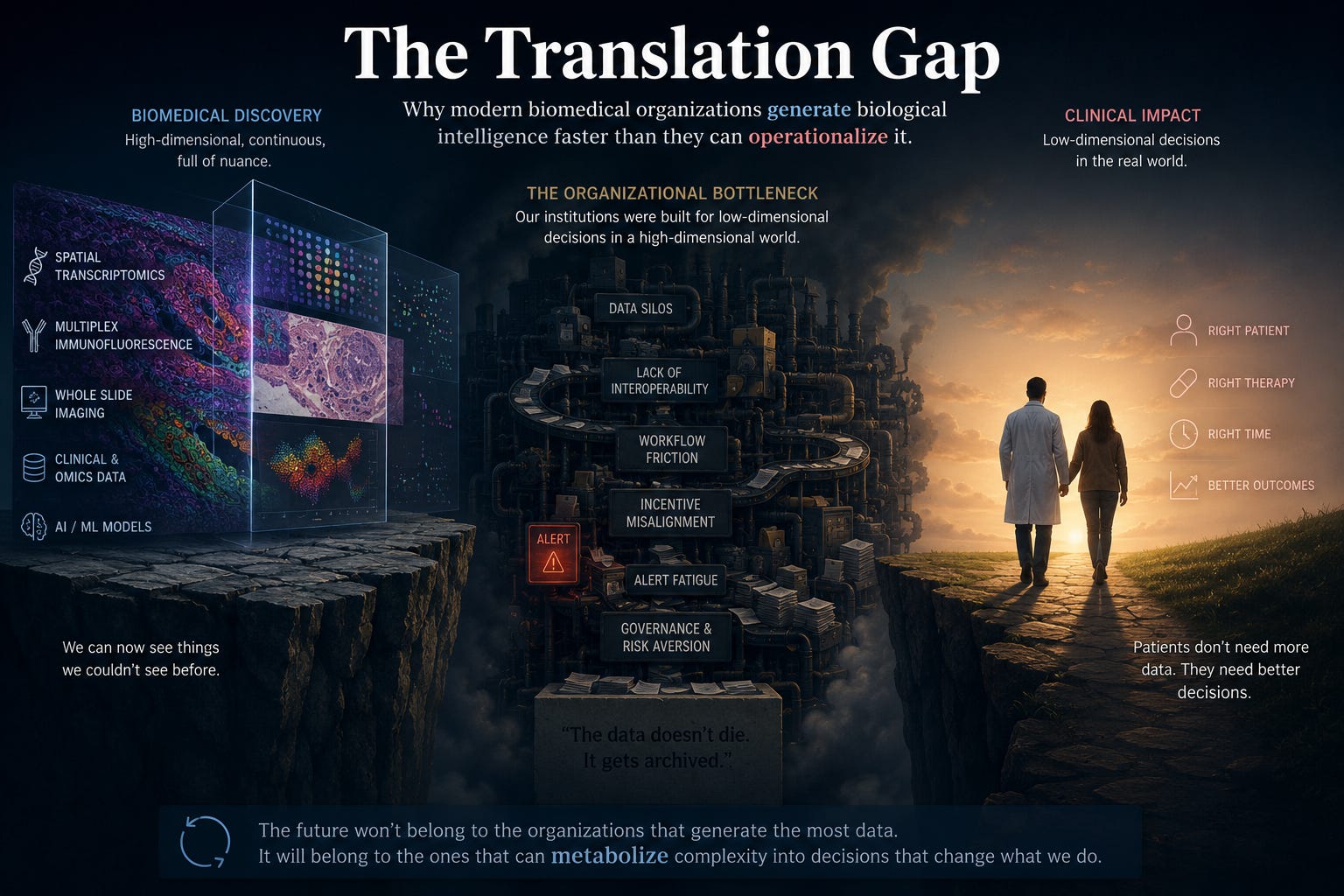
Why modern biomedical organizations generate biological intelligence faster than they can operationalize it
Earlier this year, physicians across the UK and EU opened their laptops to find that OpenEvidence, a clinical AI platform used by more than 40% of doctors across 10,000 US hospitals, had gone dark overnight.
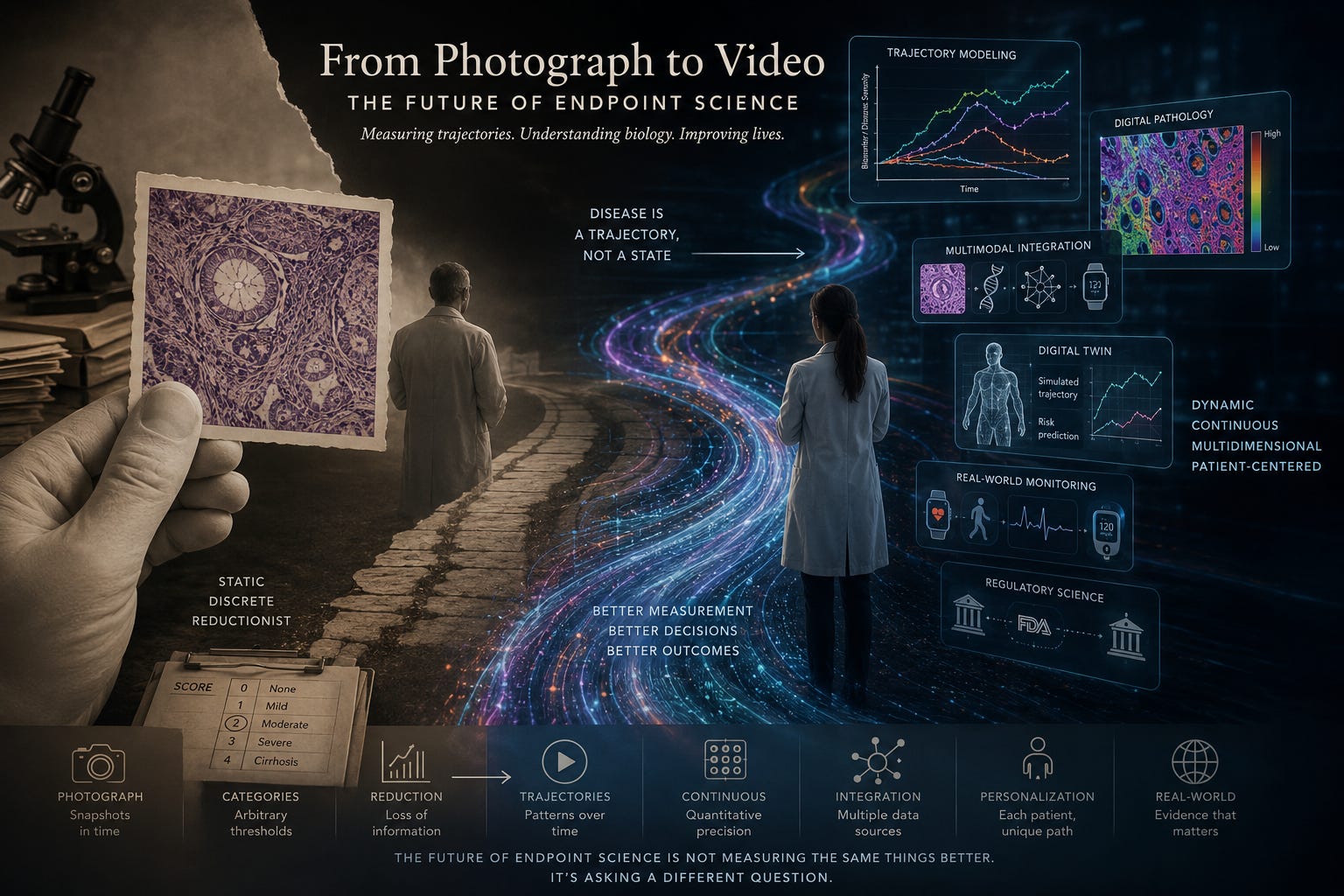
In the first article of this series, we corrected a misunderstanding: the FDA did not approve an AI-based endpoint.
In the previous chapter of this series, we explored the gap between what evidence promises and what patients experience.
In the previous chapter, we left a question unanswered.
If the problem wasn’t a lack of supervision, the solution can’t be more supervision either.
This is a detour from my series on endpoints and digital pathology but this topic keeps generating questions I can't ignore: where are we actually going, and how?
In the previous chapter, we looked at a case that generated considerable noise in the community: the supposed “approval of an AI-based endpoint.”