Twelve People, Three Hours, A $207 Million Medical Malpractice Verdict
What the record in the largest malpractice verdict in Pennsylvania history actually shows

Medicine, Cardiology and health policy
Live Last read · last published · next check
What the record in the largest malpractice verdict in Pennsylvania history actually shows
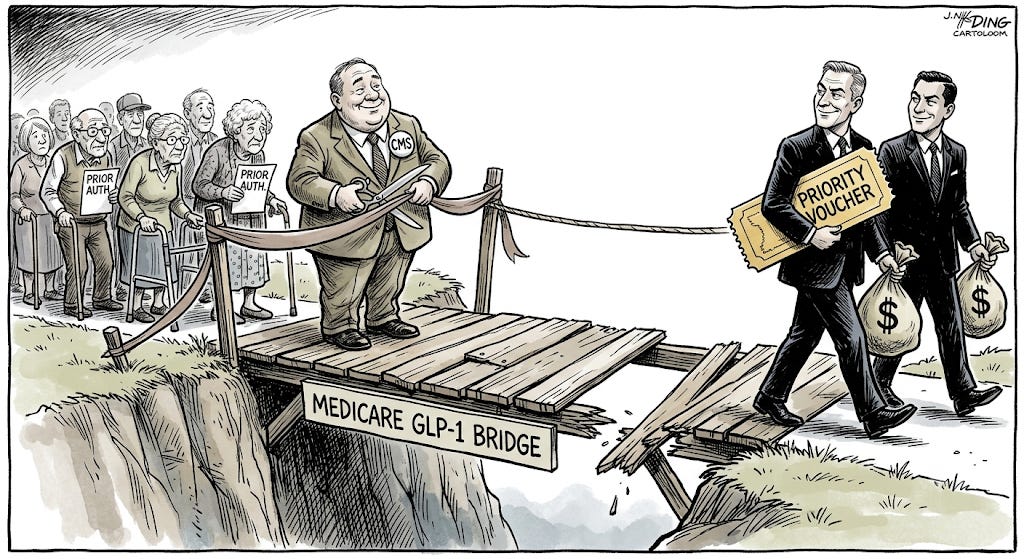
Like many physicians, I was excited to hear about the Medicare Bridge program from the Trump administration that promised to get cheaper GLP-1s to the Medicare population.
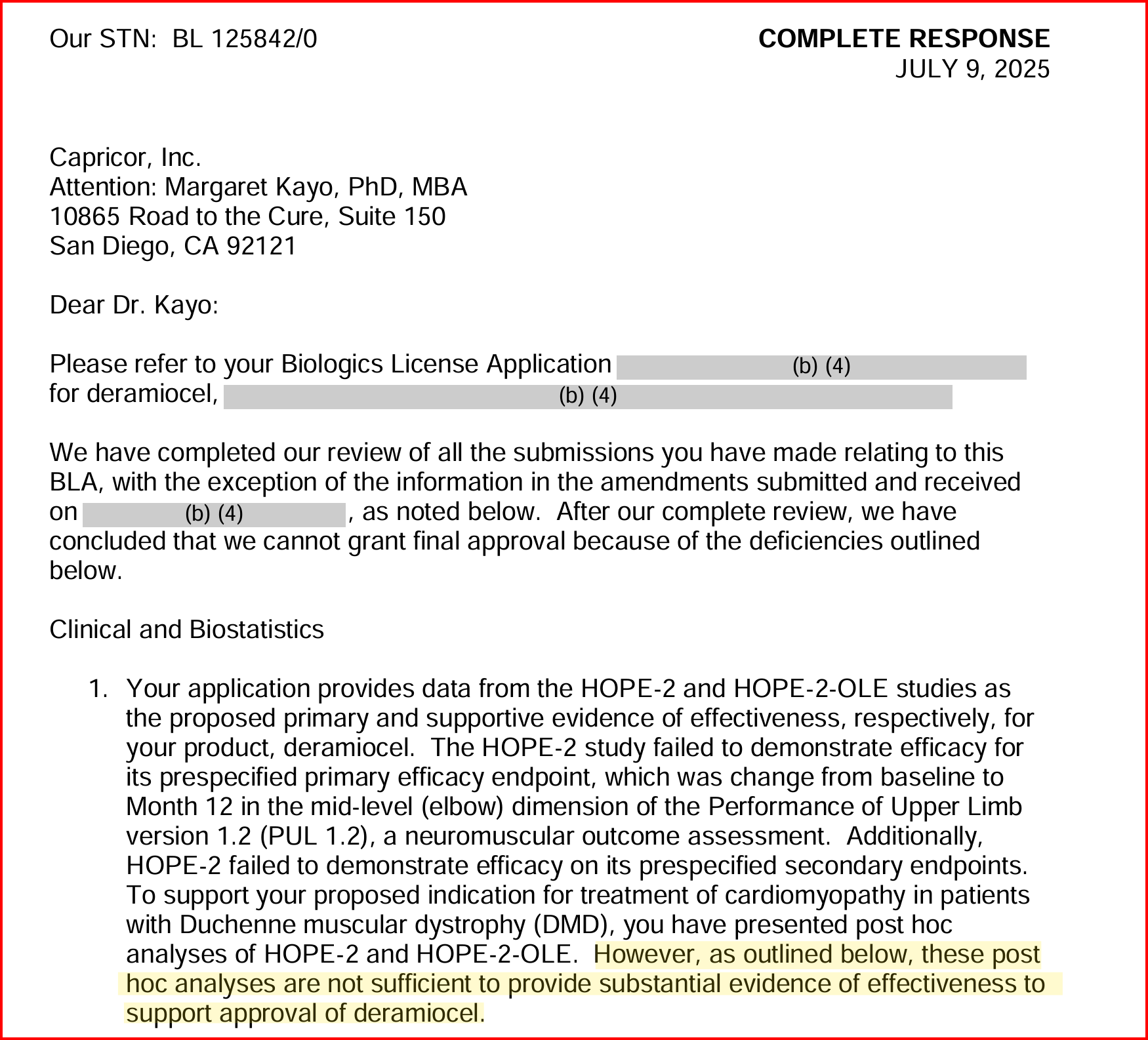
Eteplirsen, Elevidys, and now deramiocel — a pattern at the FDA
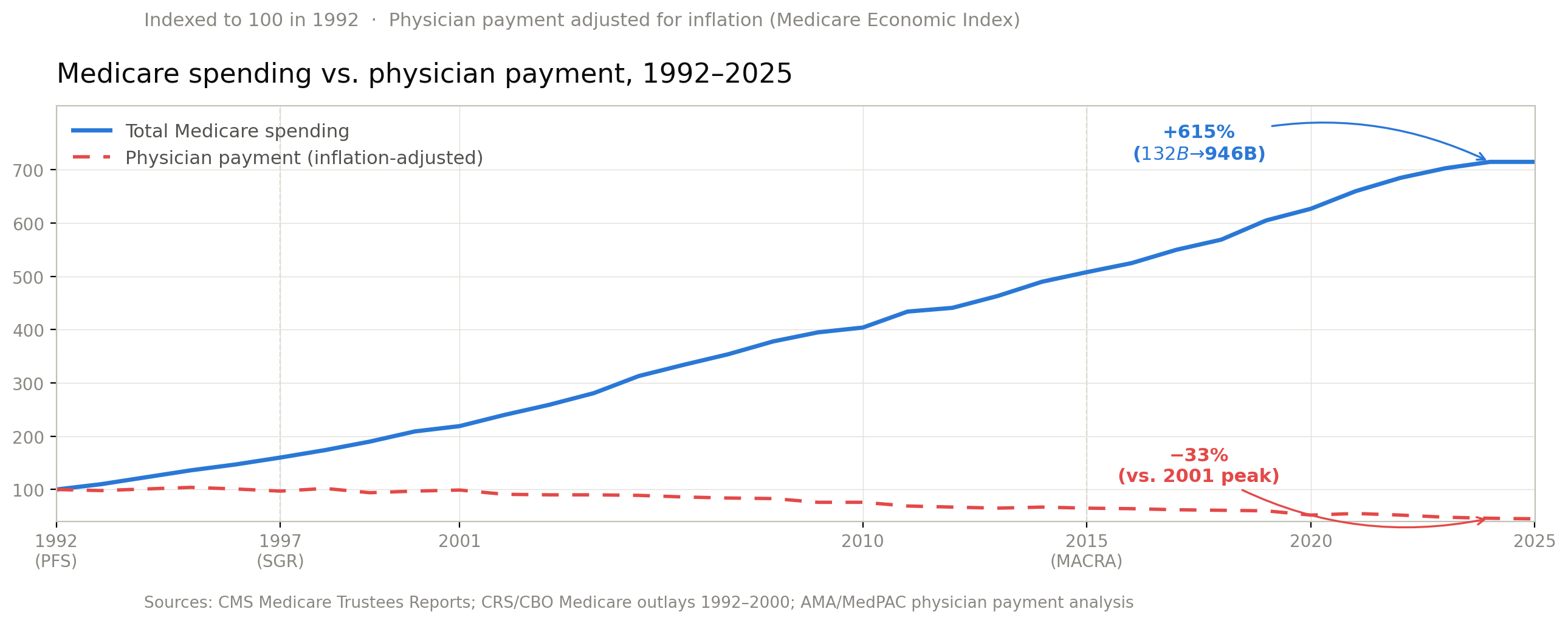
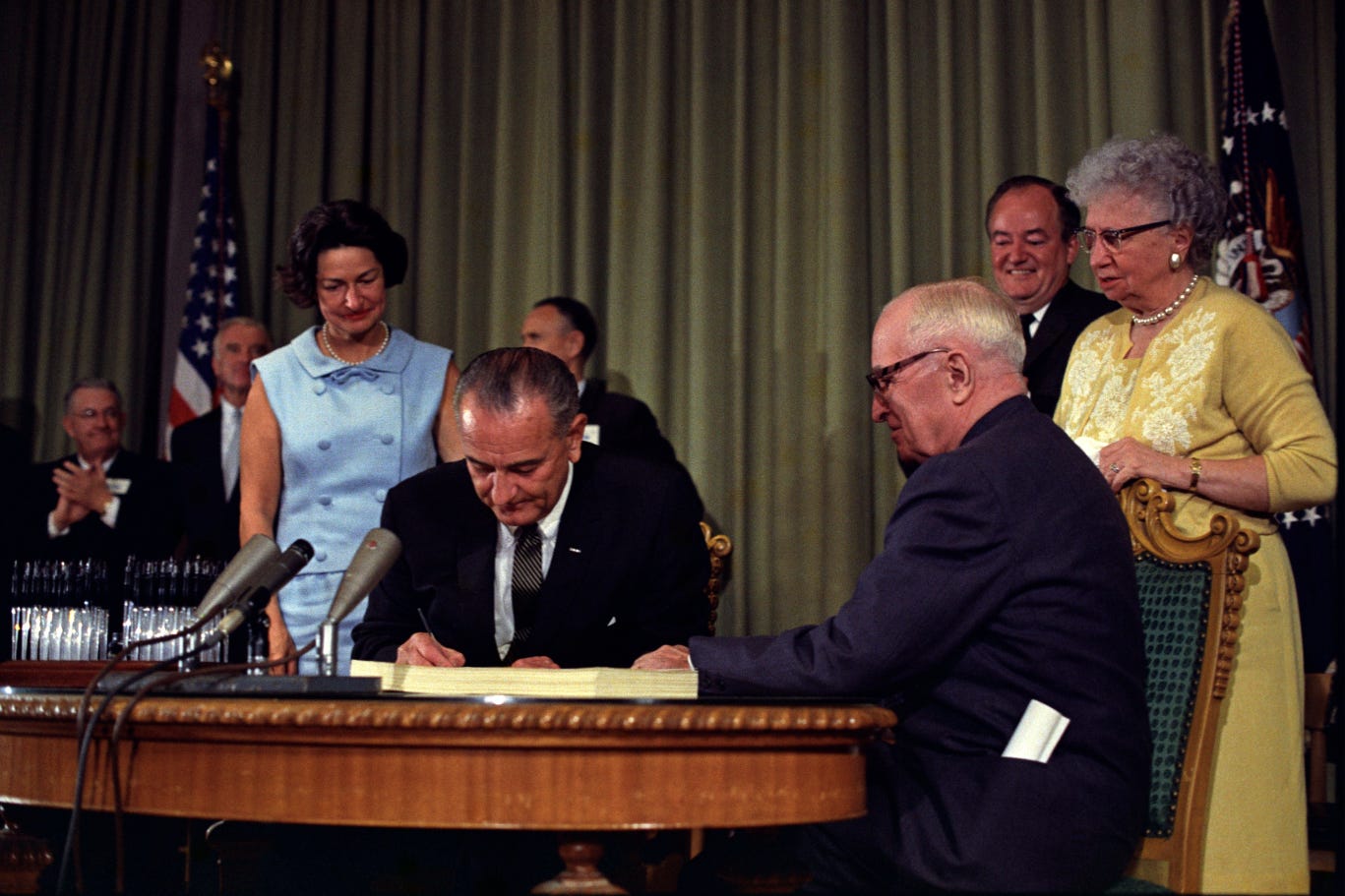
The Physician Fee Schedule (PFS) was established by legislation passed in 1989 and went into effect in 1992.
That’s my son batting in the picture.
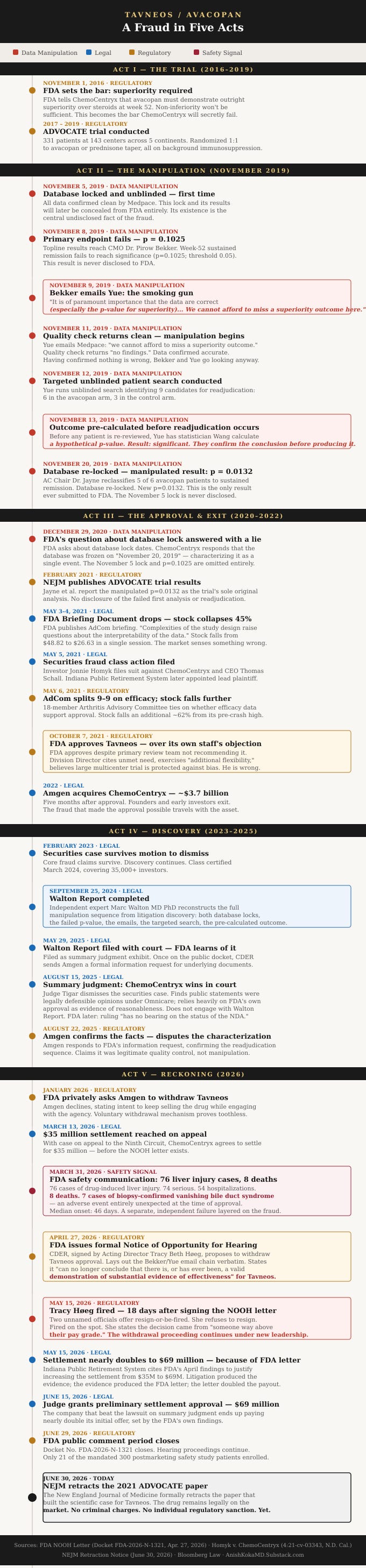
How a securities lawsuit uncovered data manipulation at the heart of an FDA drug approval — and what happened to the regulator who acted on it
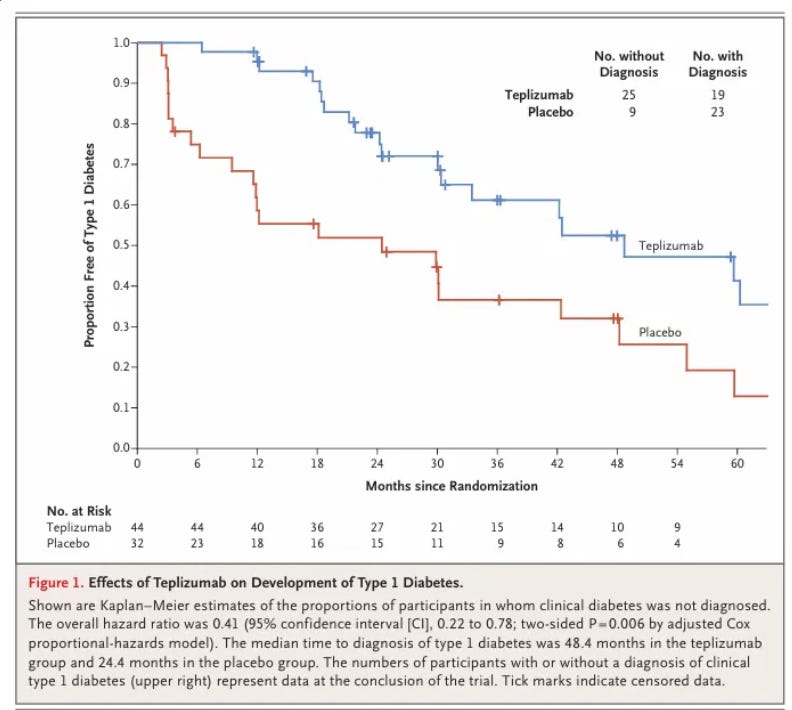
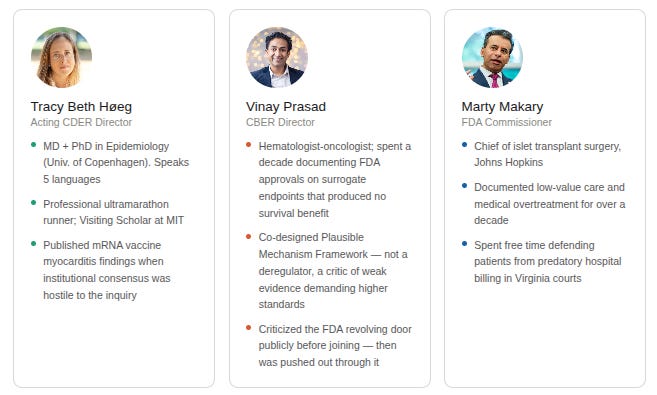
The FDA fired its acting drug chief after she blocked approval of an immune-suppressing drug for children.
On January 12, 2026, the FDA approved Zycubo — copper histidinate — for Menkes disease.
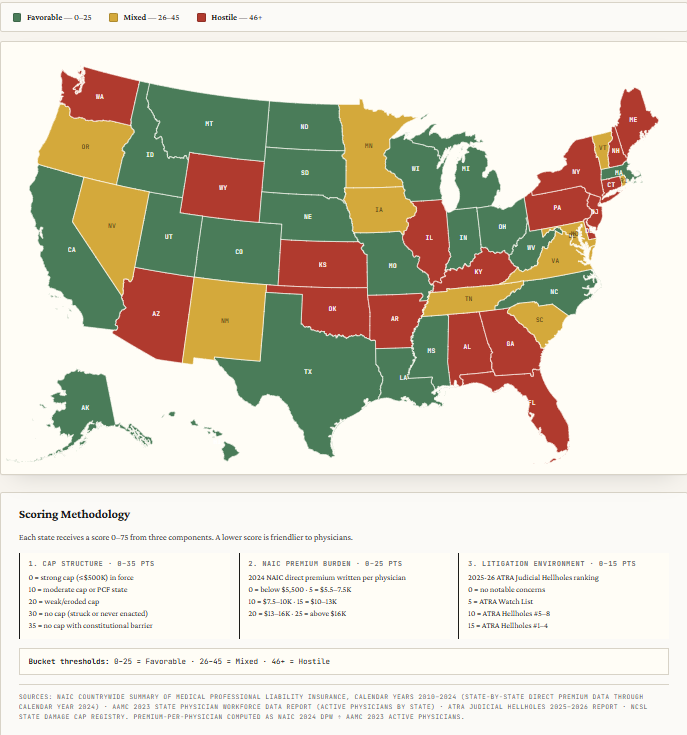
What eighteen years of NAIC financials reveal about a reform regime that worked, and the judicial order that ended it.
A follow up FAQ
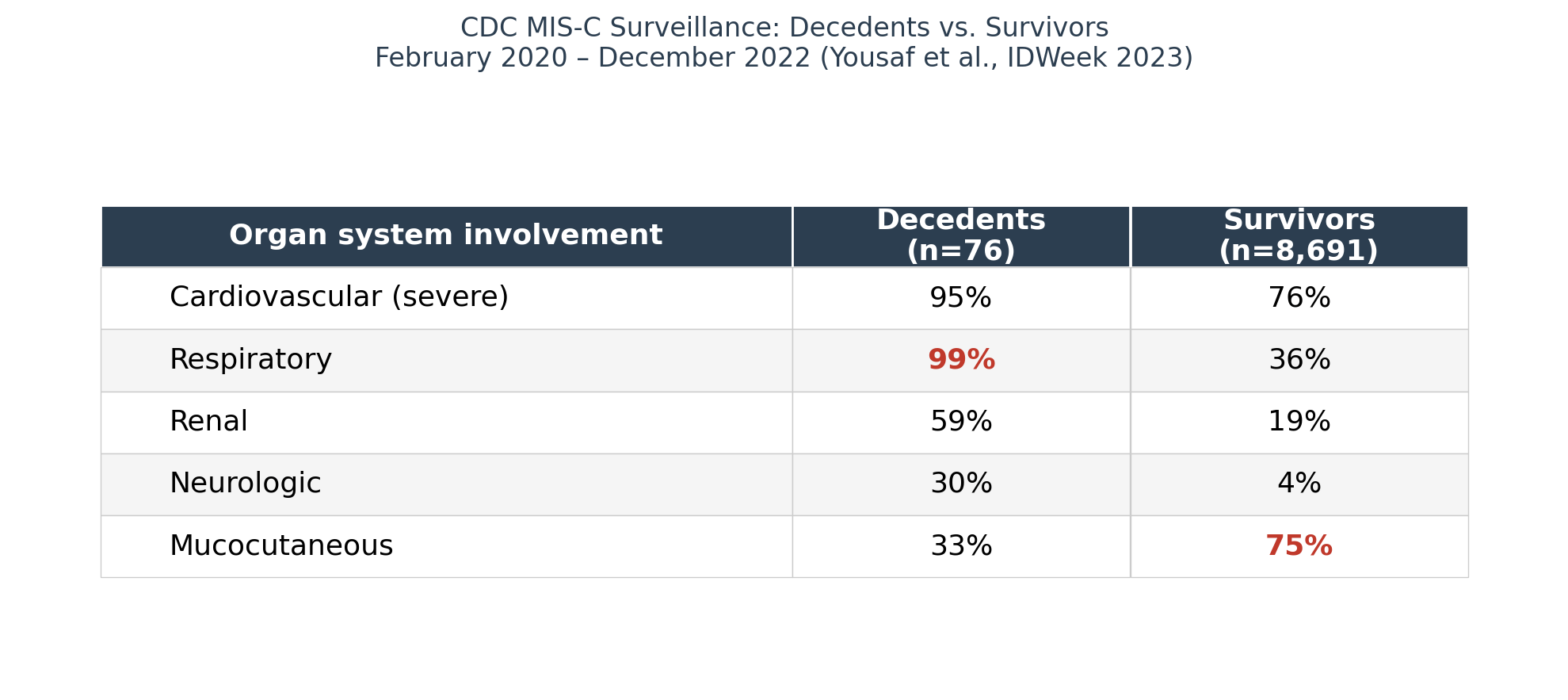
How a clinical syndrome with no specific test became a generation-defining pediatric emergency, and then quietly vanished
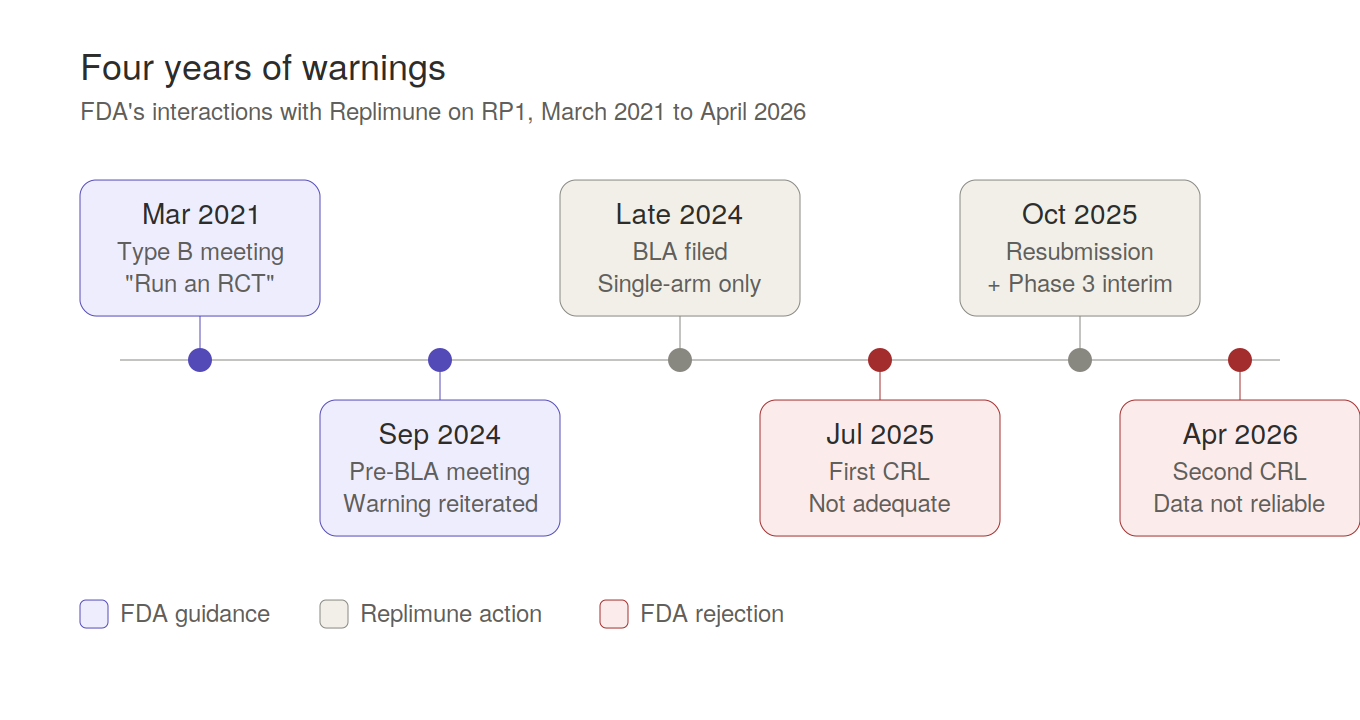
A small biotech, an oncolytic virus, and a four-year regulatory story that's now ending in a media campaign instead of a randomized trial.
What Buchanan, Tullock, and Hayek understood in 1962 that we're still pretending not to understand in 2026
A bivariate analysis of 84,000 census tracts reveals that only 2% of Americans live beyond guideline-recommended access to emergency cardiac care.
I was listening to a conversation between two critical thinkers I respect greatly: geneticist/technologist/blogger Razib Khan and Washington Post columnist Megan McArdle.
Andreas Vesalius, the 16th century Flemish anatomist, founded modern medicine on a simple but radical principle: look carefully at what is actually in front of you, not what received authority tells you should be there.
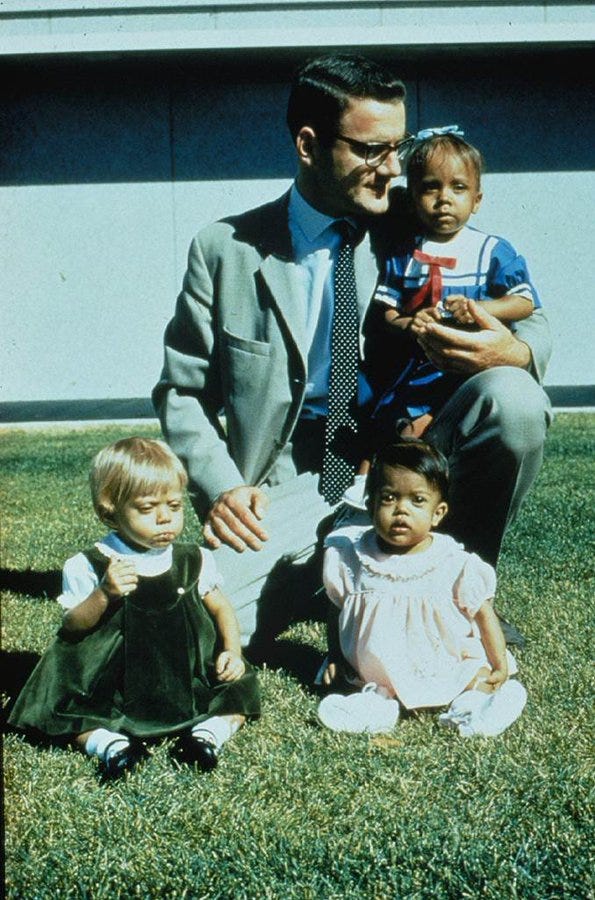
Bennie Solis was three years old when he changed medicine forever.
From UCSF outsider to CBER director: ten months of raising the evidentiary bar, and the forces that brought it to an end.
How plaque quantification technology collected federal reimbursement before anyone proved it changes patient outcomes
When you build a derivative test on top of a shaky reference standard, the errors compound.