Part I: Childhood Without the Arms Race: Unstructured Play, Overscheduling, and Emotional Regulation
How can unstructured play and emotional downtime protect children from the developmental costs of overscheduling and performance pressure?

A publication for the curious-minded who value the ability to play gracefully with ideas and incurable pursuits of “what if”?
Overdue Last read · last published · next check
Last read 18 hours ago, longer than this feed's 3 hours schedule.
How can unstructured play and emotional downtime protect children from the developmental costs of overscheduling and performance pressure?
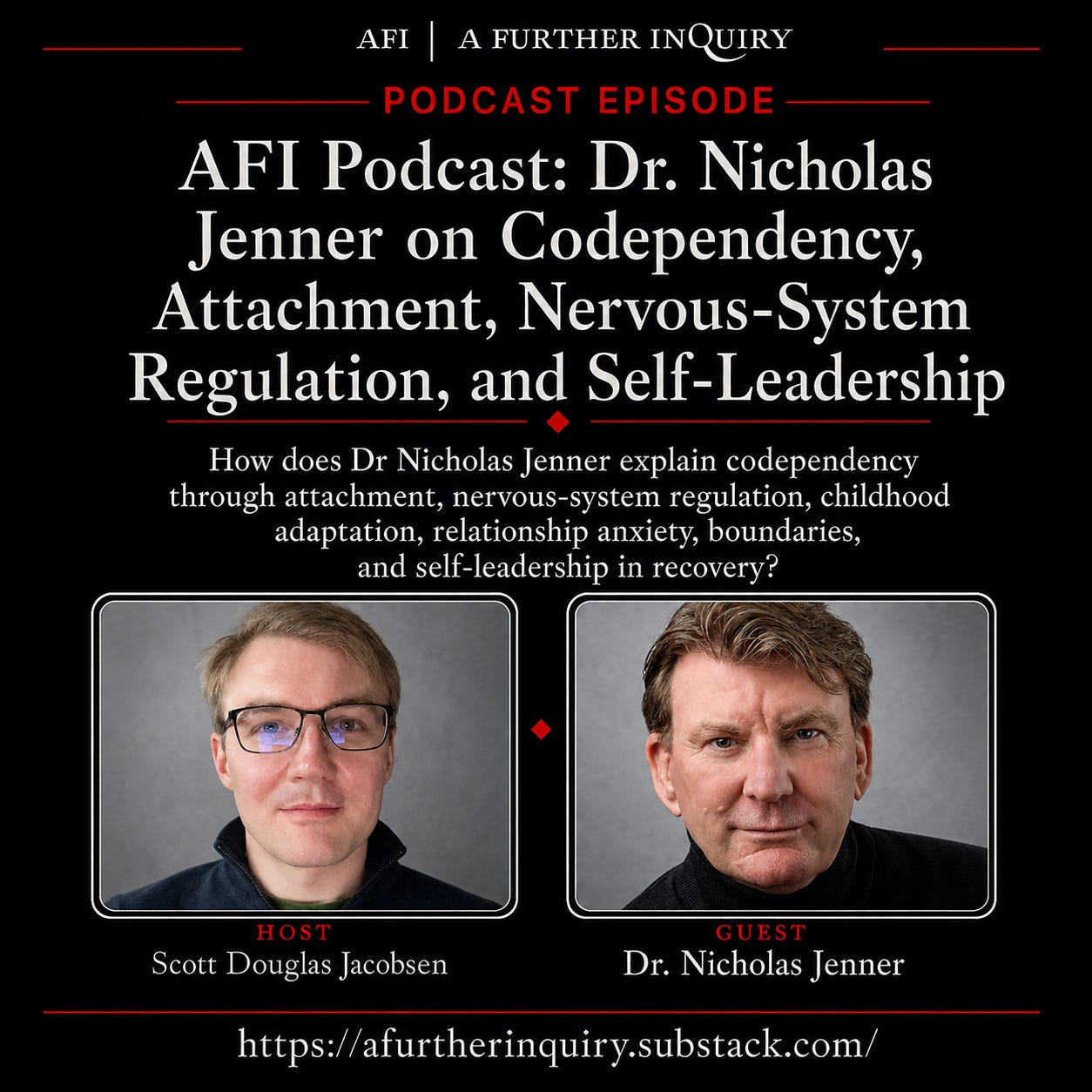
How does Dr Nicholas Jenner explain codependency through attachment, nervous-system regulation, childhood adaptation, relationship anxiety, boundaries, and self-leadership in recovery?
How do Catholic political influence, Lithuanian-Polish history, minority politics, and regional security intersect in Lithuania today?
How do the Bonnie Crombie surveillance allegations and WestJet sexual harassment settlement expose questions about political accountability and institutional safeguards in Canada?
How have minority religions, Soviet-era persecution, secular organizations, and changing gender norms shaped Lithuania’s contemporary religious landscape?
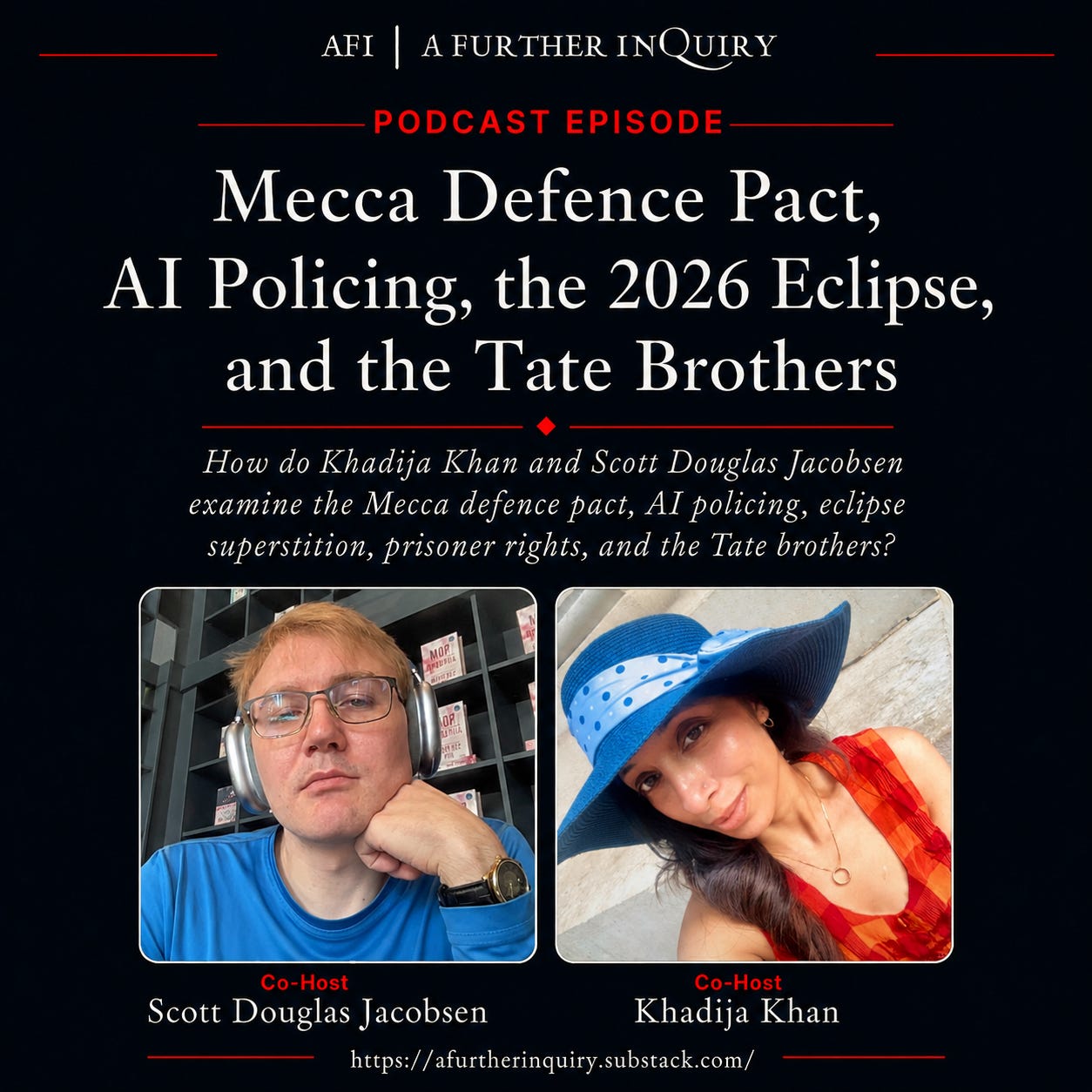
How do Khadija Khan and Scott Douglas Jacobsen examine the Mecca defence pact, AI policing, eclipse superstition, prisoner rights, and the Tate brothers?
How are Russian attacks affecting Black Sea trade, Serbia-Ukraine relations, and financial support for Ukrainian farmers during the war?
How did Lithuania’s transition from Soviet rule to independence reshape Catholicism, religious freedom, and relations between religion and the state?
How do foreign interference, transnational crime, Arctic competition, and threats against Sikh activists challenge Canadian national security?
How is Christopher Atwood reshaping Ukraїner International’s global storytelling for a fatigued world?
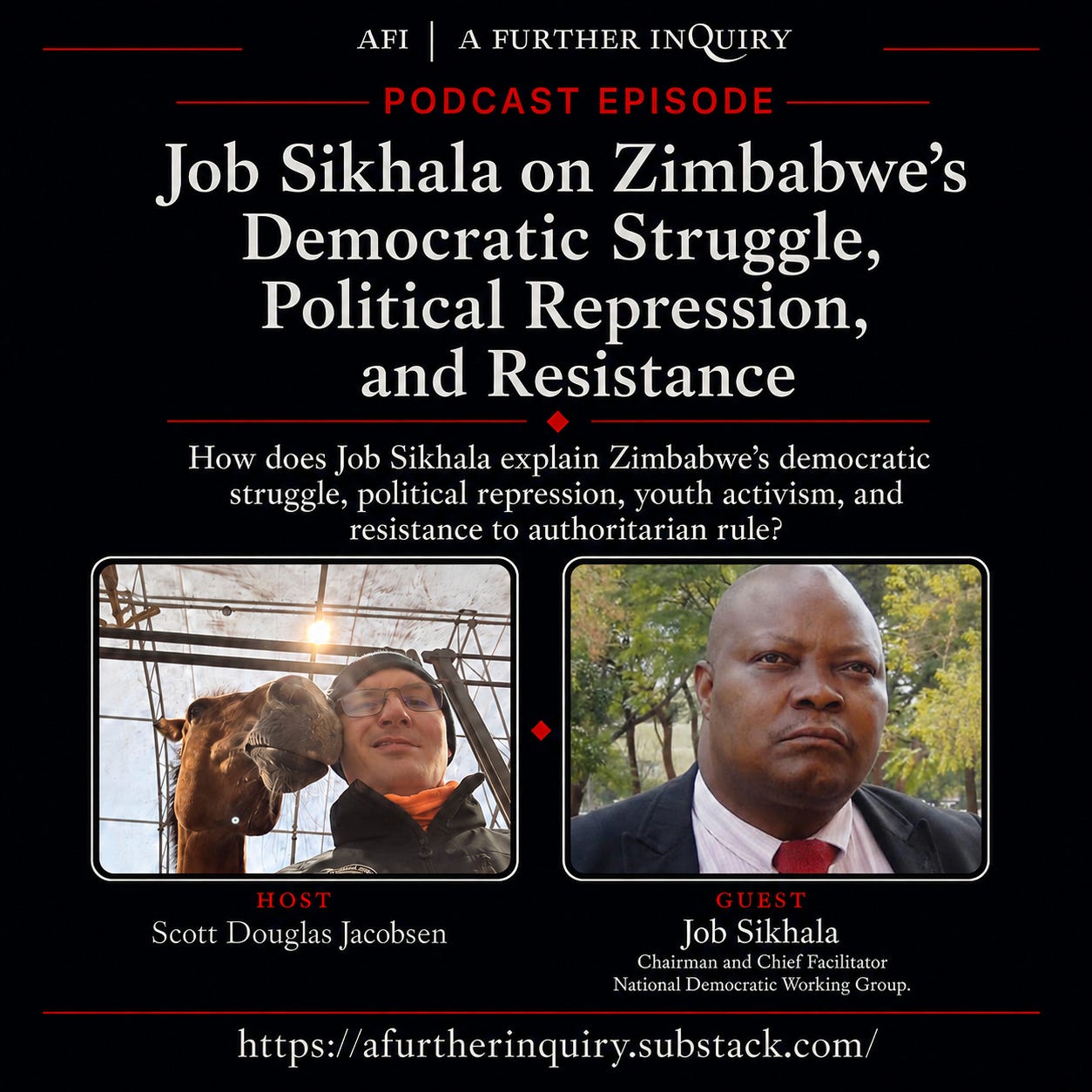
How does Job Sikhala explain Zimbabwe’s democratic struggle, political repression, youth activism, and resistance to authoritarian rule?
What does effective parenting look like amid gender pressure, social media perfectionism, and changing family structures?
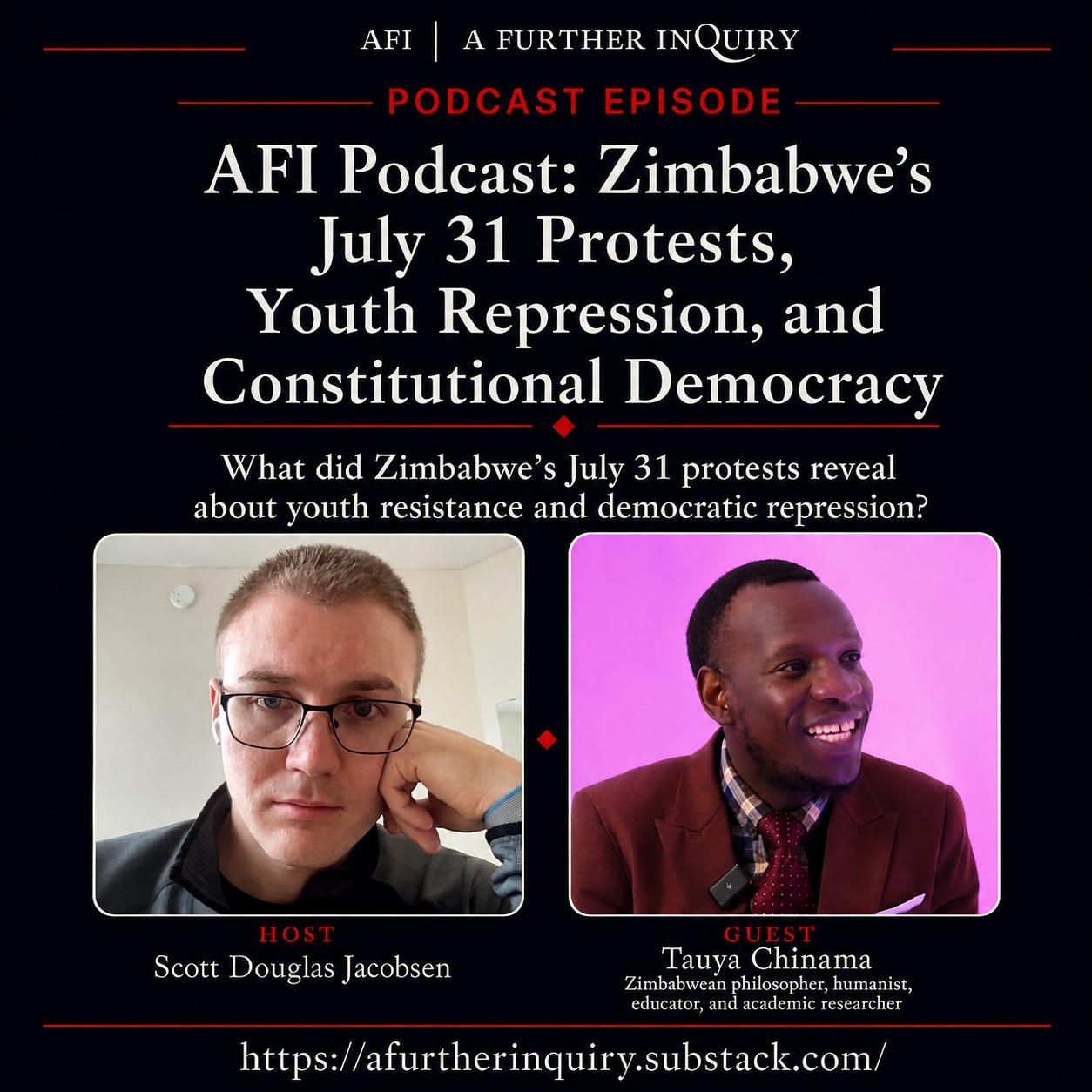
What did Zimbabwe’s July 31 protests reveal about youth resistance and democratic repression?
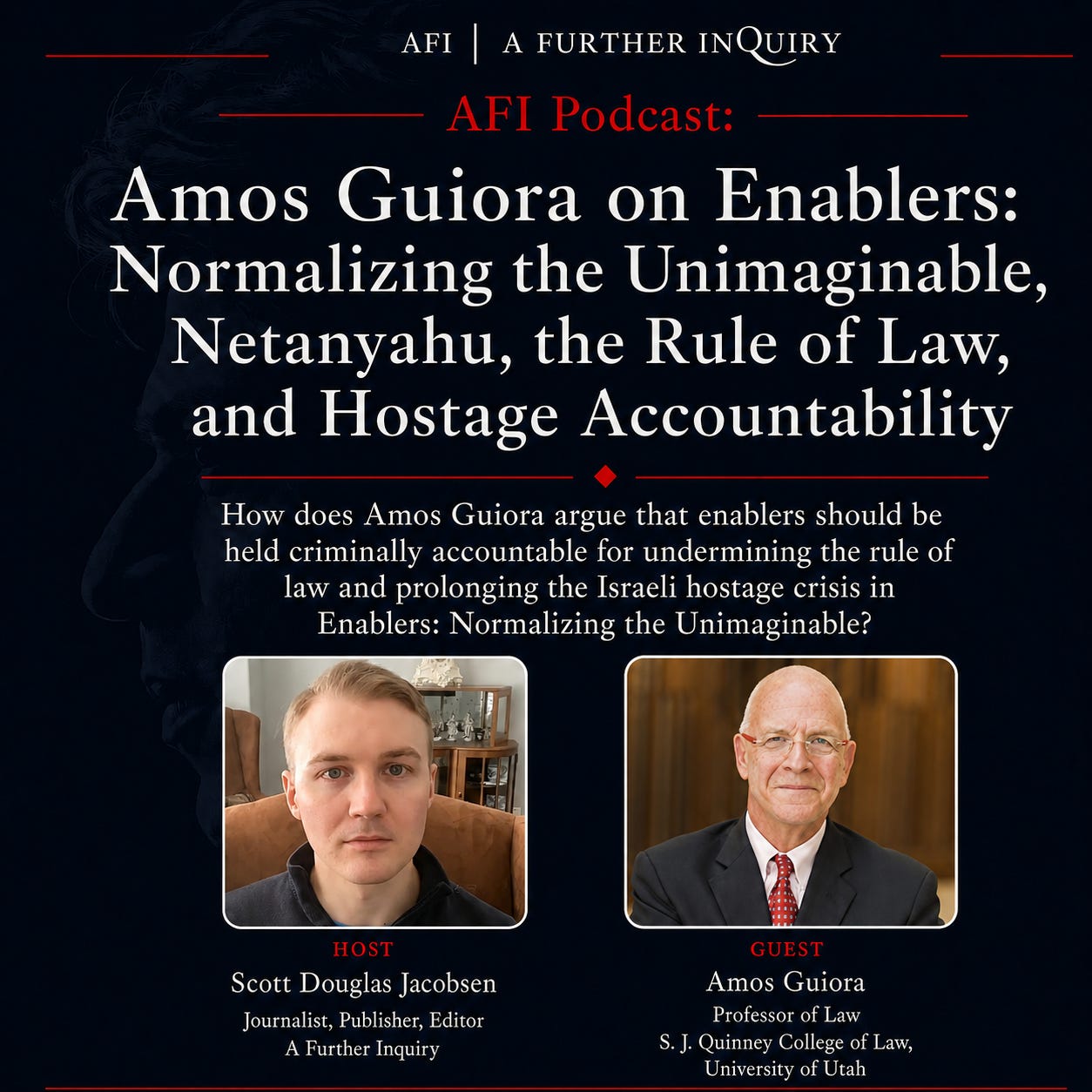
How does Amos Guiora argue that enablers should be held criminally accountable for undermining the rule of law and prolonging the Israeli hostage crisis in Enablers: Normalizing the Unimaginable?
How can therapists respect culture while still protecting children from harm?
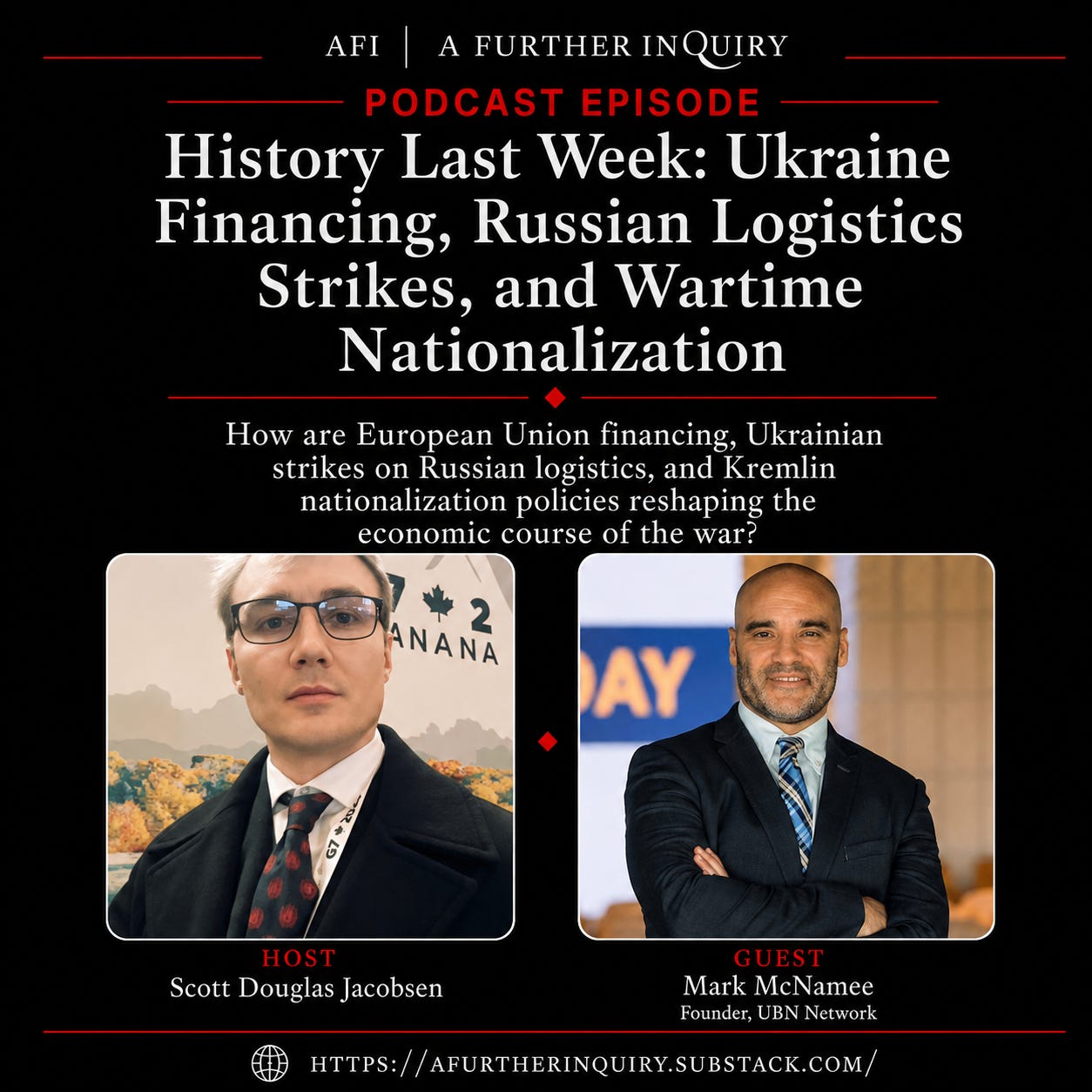
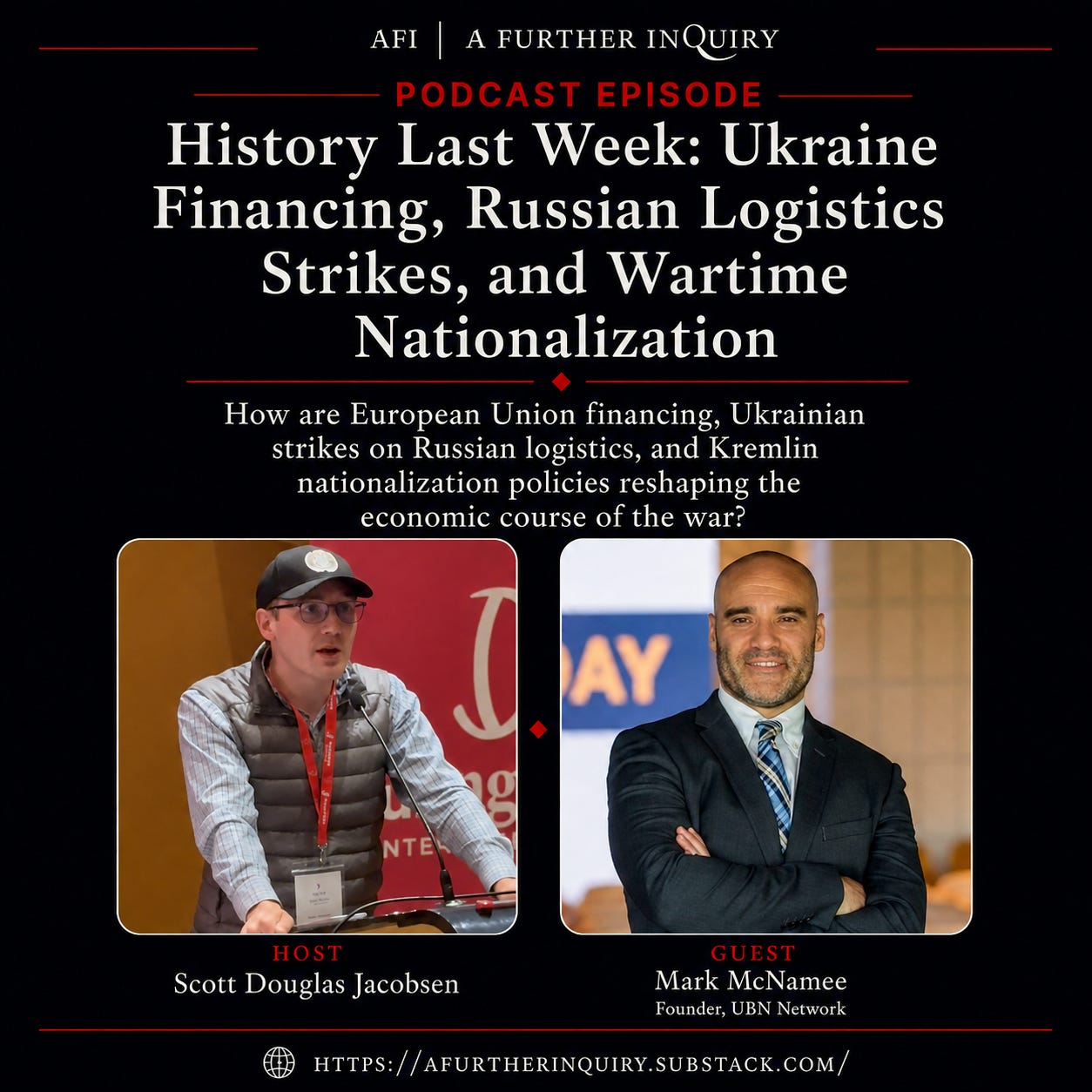
How are European Union financing, Ukrainian strikes on Russian logistics, and Kremlin nationalization policies reshaping the economic course of the war?
How do Khadija Khan and Scott Douglas Jacobsen examine Islam, free speech, public health, and international crises?
How can Canada address rising HIV infections while Western employers strengthen cybersecurity against North Korean remote-worker schemes?
How can therapy help trauma survivors reclaim joy, meaning, and an authentic parental voice?
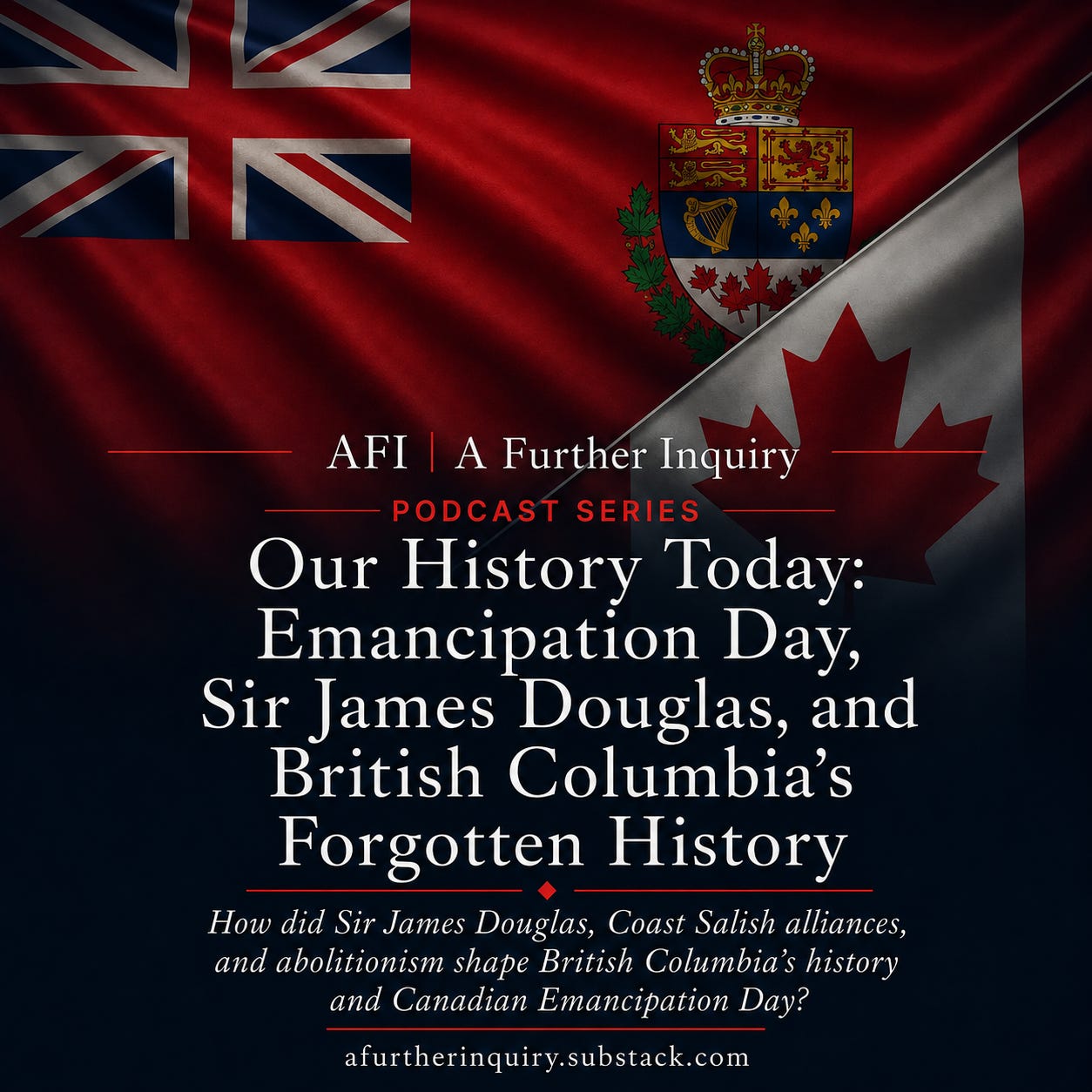
How did Sir James Douglas, Coast Salish alliances, and abolitionism shape British Columbia’s history and Canadian Emancipation Day?