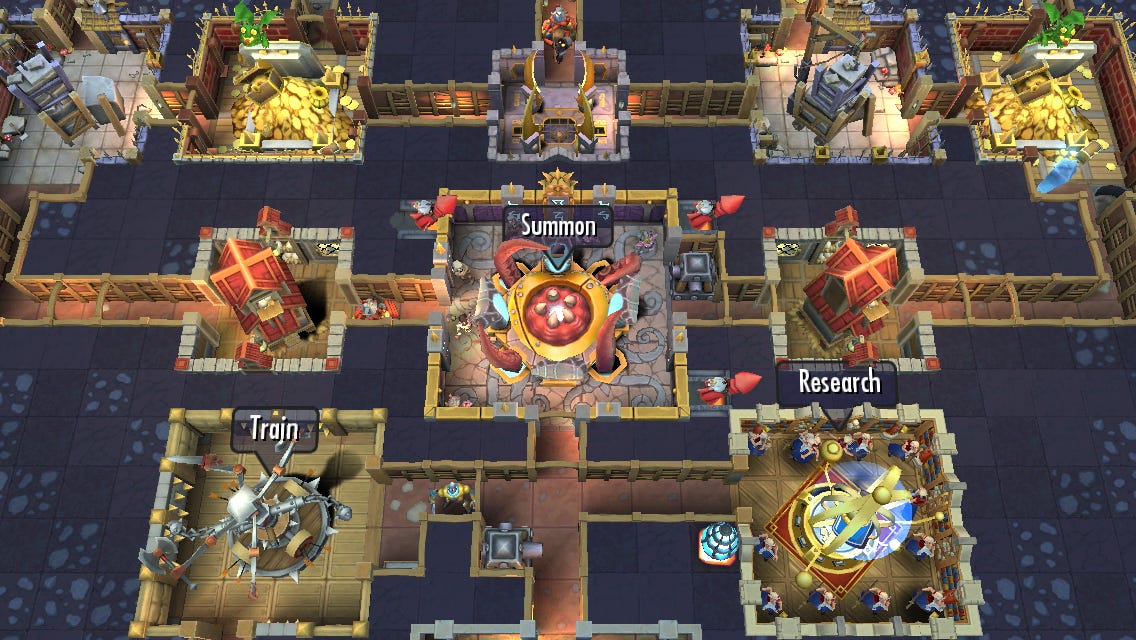
They Put a Beloved Name on Its Own Opposite.
Dungeon Keeper promised hands-on control. The mobile version sold waiting. Here's what that inversion cost.

A newsletter for game founders. Fix category, promise and proof to grow your revenues.
Live Last read · last published · next check
Dungeon Keeper promised hands-on control. The mobile version sold waiting. Here's what that inversion cost.
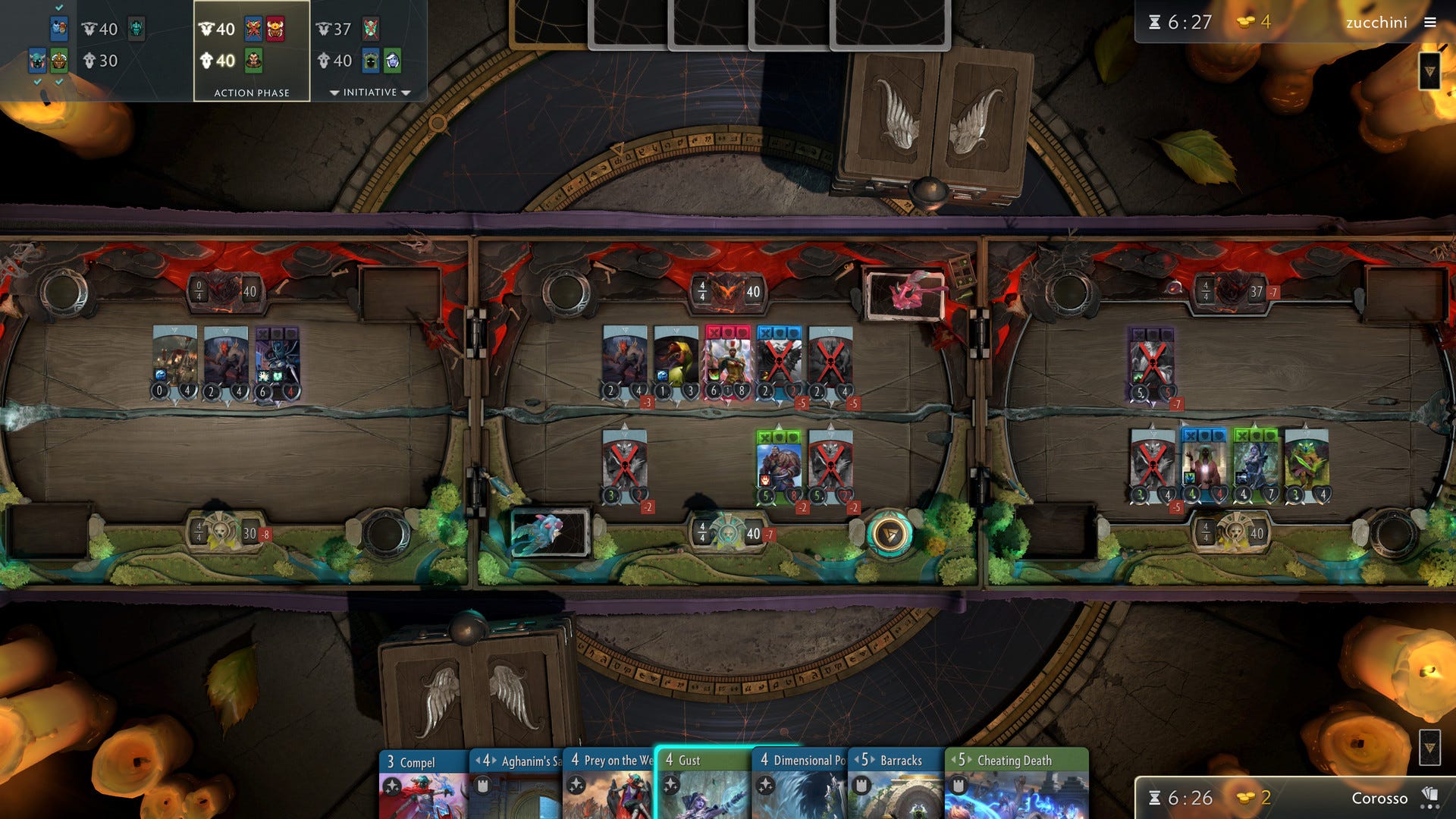
Valve borrowed Dota's audience, then removed every complaint and still couldn't keep them. Recognition isn't position.
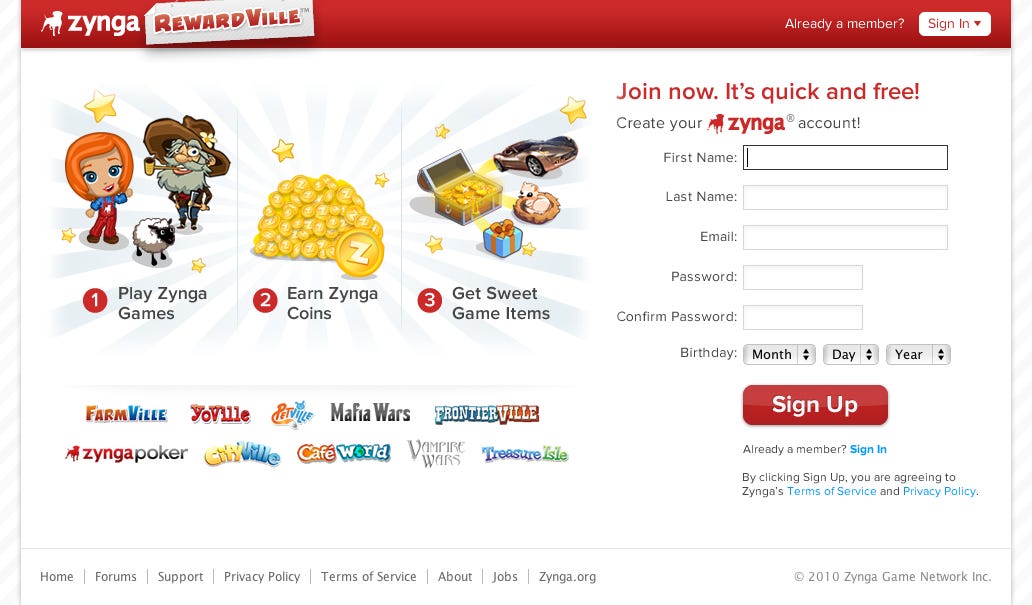
How a name that owned a category got spent shuffling the same players between identical games... until the SEC filing.
The Attribute Ladder Test: a diagnostic for the rung your studio has actually earned in the player's mind
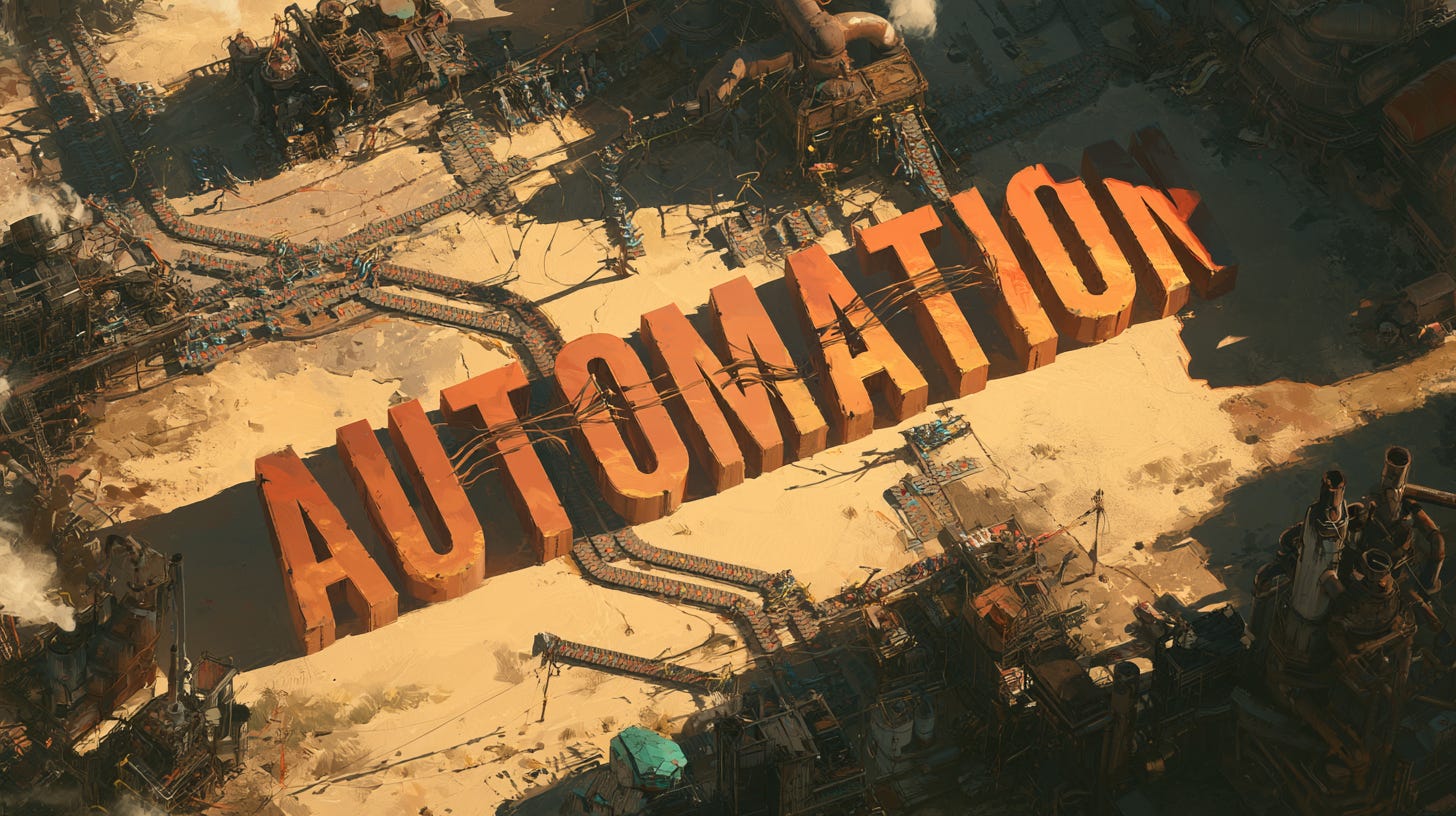
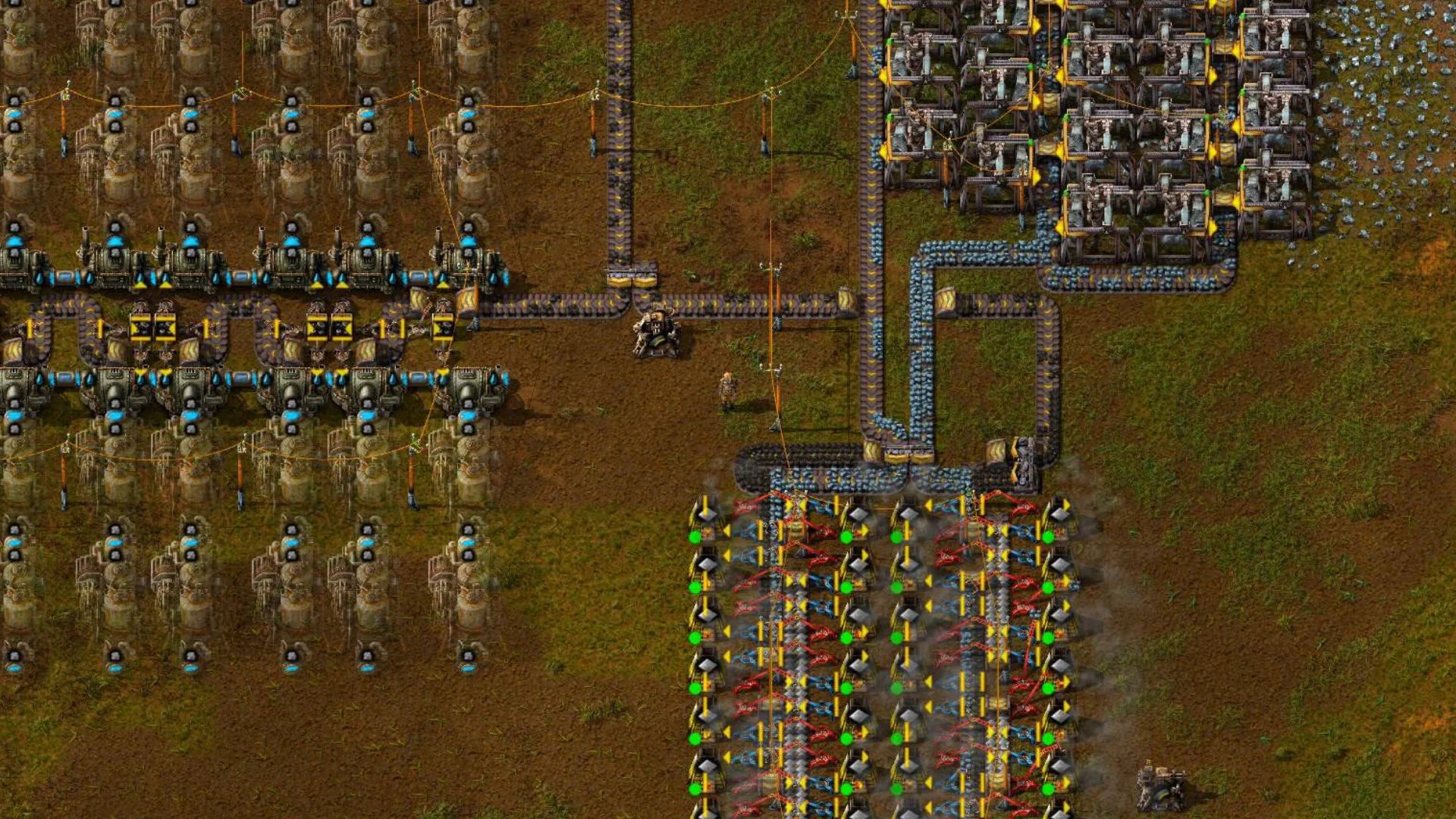
Factorio earned the verb "automation" so completely that 1,901 games are filed under it on Steam. Here's the test that tells you if you're next.
Tarkov spent nine years in beta and outlasted every formally-launched competitor. The reason isn't the mechanics.
What happens when your mechanic and your tagline are the same sentence, and the discipline cost most studios refuse to pay.
Bleeding Edge had eleven differentiators, four years of dev, and Game Pass distribution. Ten months later it was over. Here's why.
Most studios that fail at opposite positioning don't pick the wrong leader. They pick the wrong type of opposite.
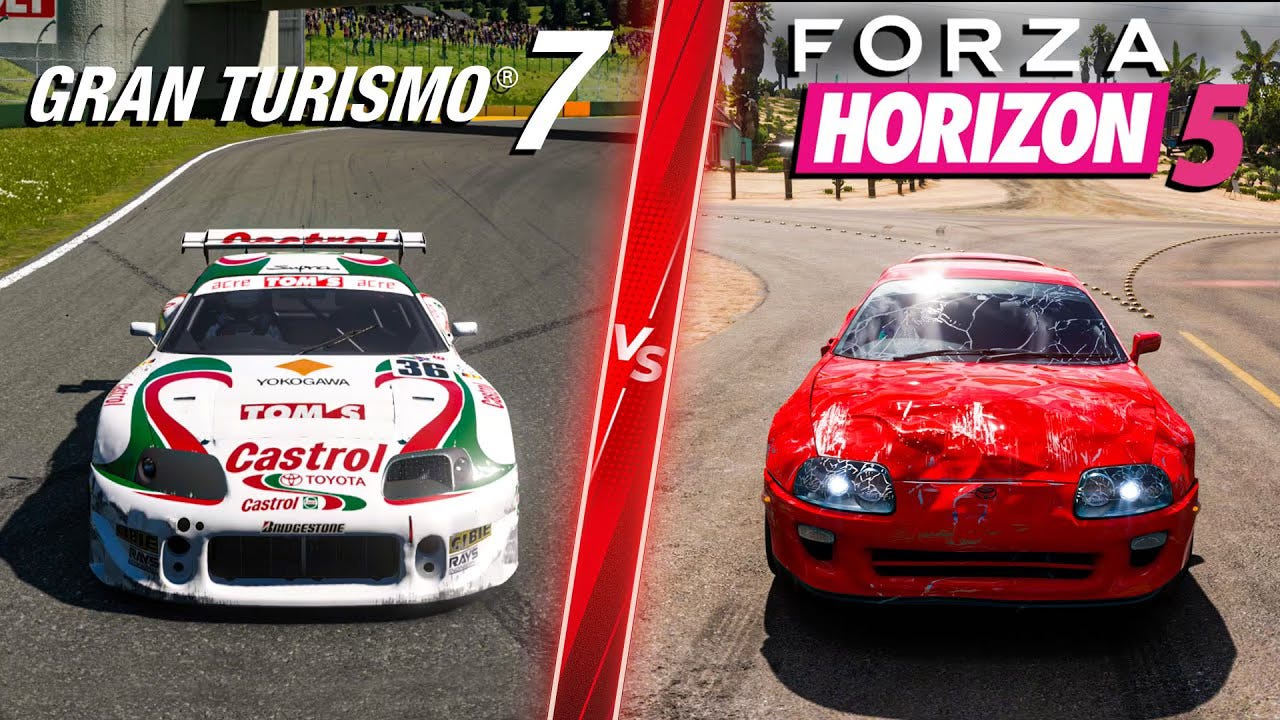
Gran Turismo wasn’t beaten. It was made smaller. Here’s the diagnostic to run on your own positioning.