⚒️ August 20, 1866 — The National Labor Union Is Founded
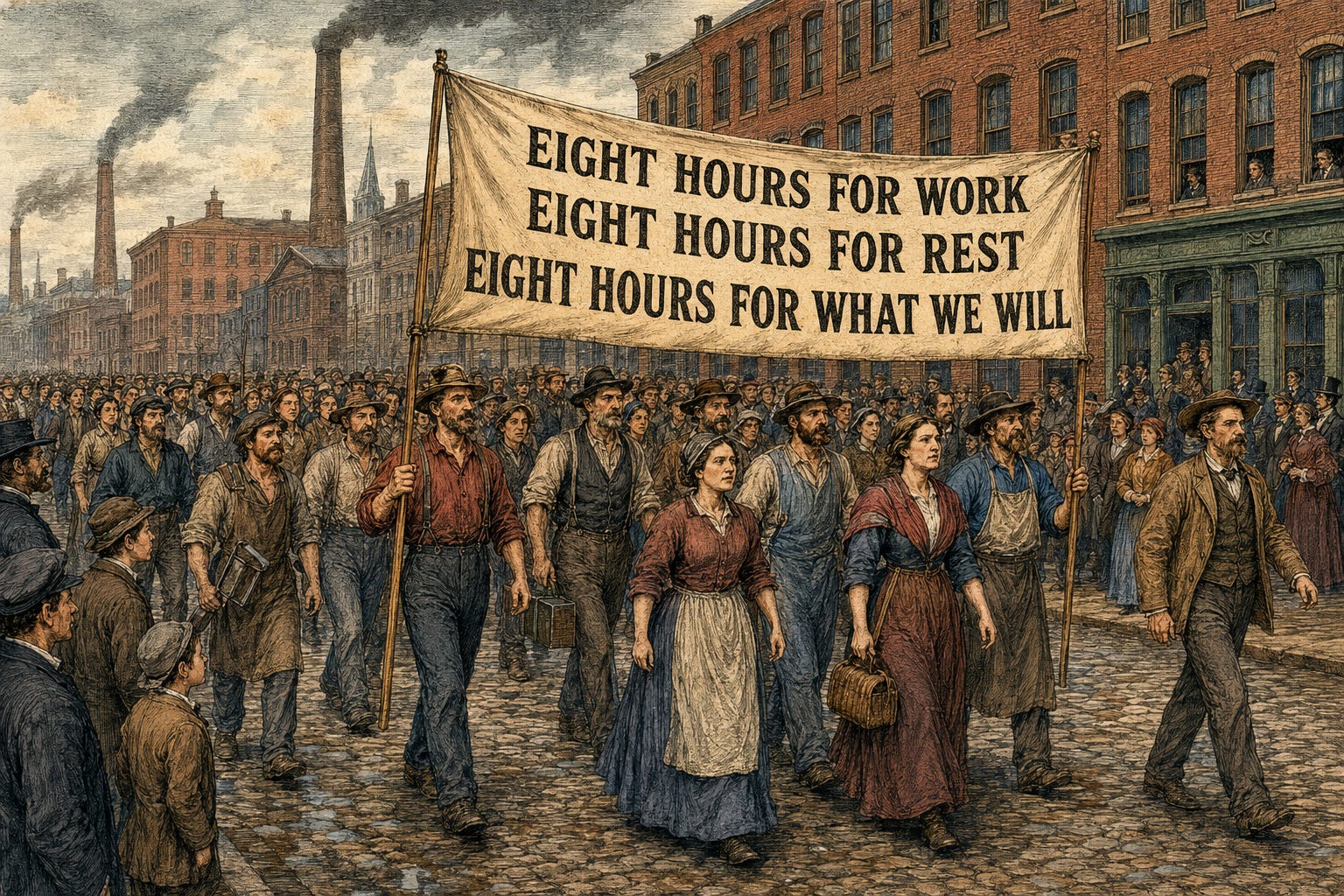
They came from 77 trade unions, representing nearly 200,000 workers, and their first demand was for something that seemed almost utopian: a workday that ended after eight hours.

This is Retail Relates. Where commerce becomes human again. Where the next generation finds its voice. Where curiosity meets connection. Where conversations matter.
Live Last read · last published · next check
They came from 77 trade unions, representing nearly 200,000 workers, and their first demand was for something that seemed almost utopian: a workday that ended after eight hours.
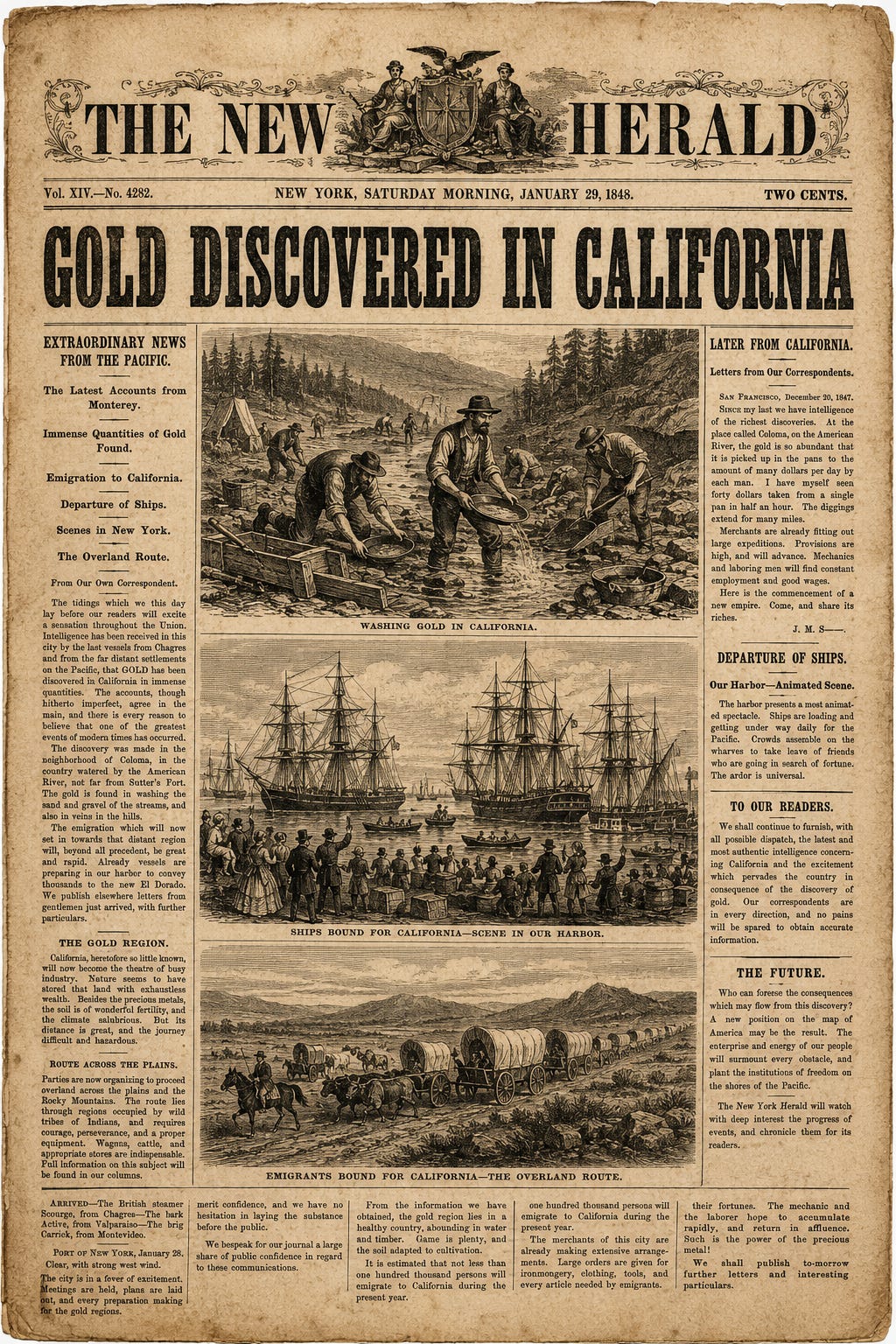
The gold had been there since January. It took the New York Herald until August to tell the East Coast — and when it did, 300,000 people started moving.
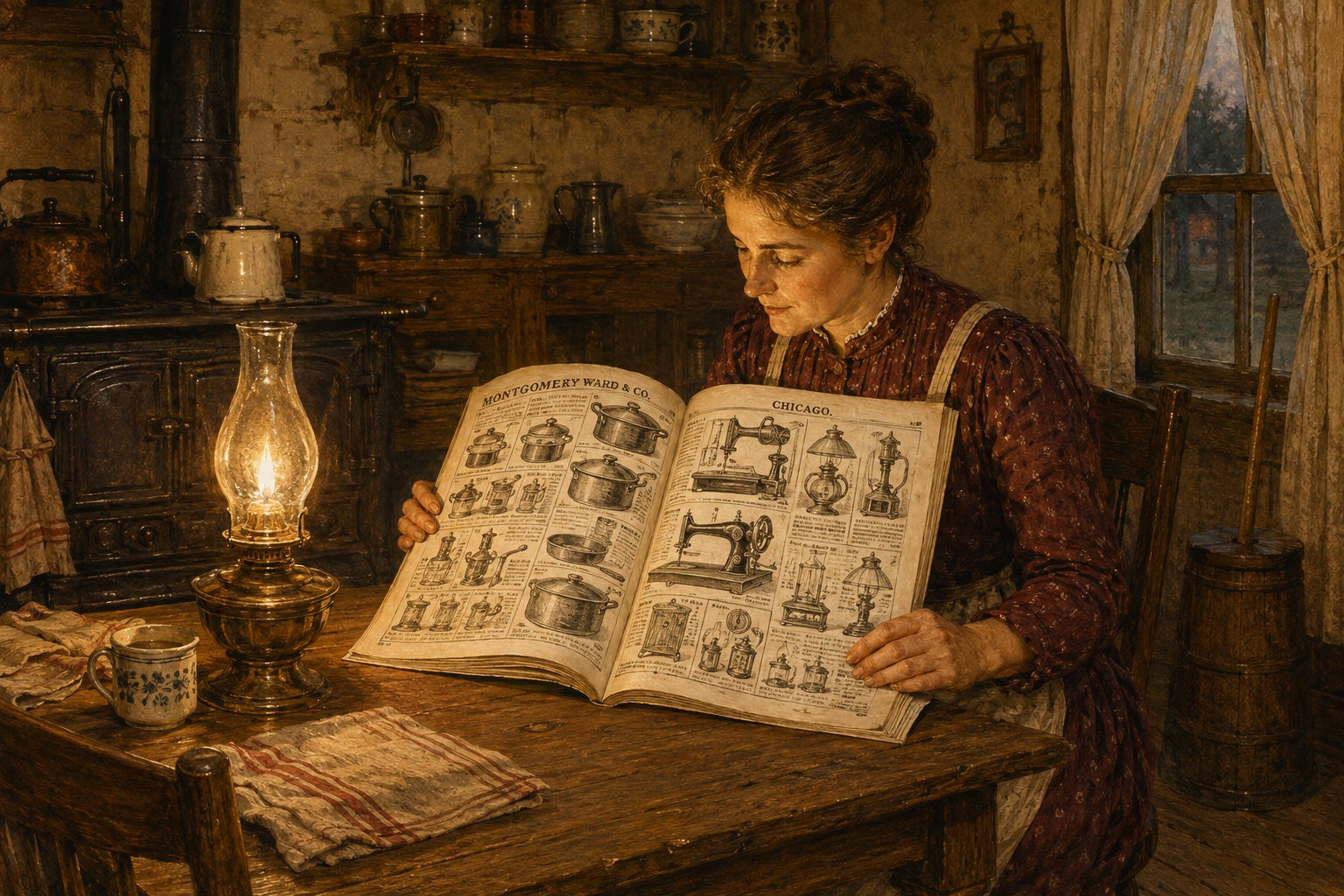
One sheet of paper, 163 items, no pictures. Aaron Montgomery Ward invented the template that Amazon, Wayfair, and every e-commerce platform would eventually rebuild from scratch.
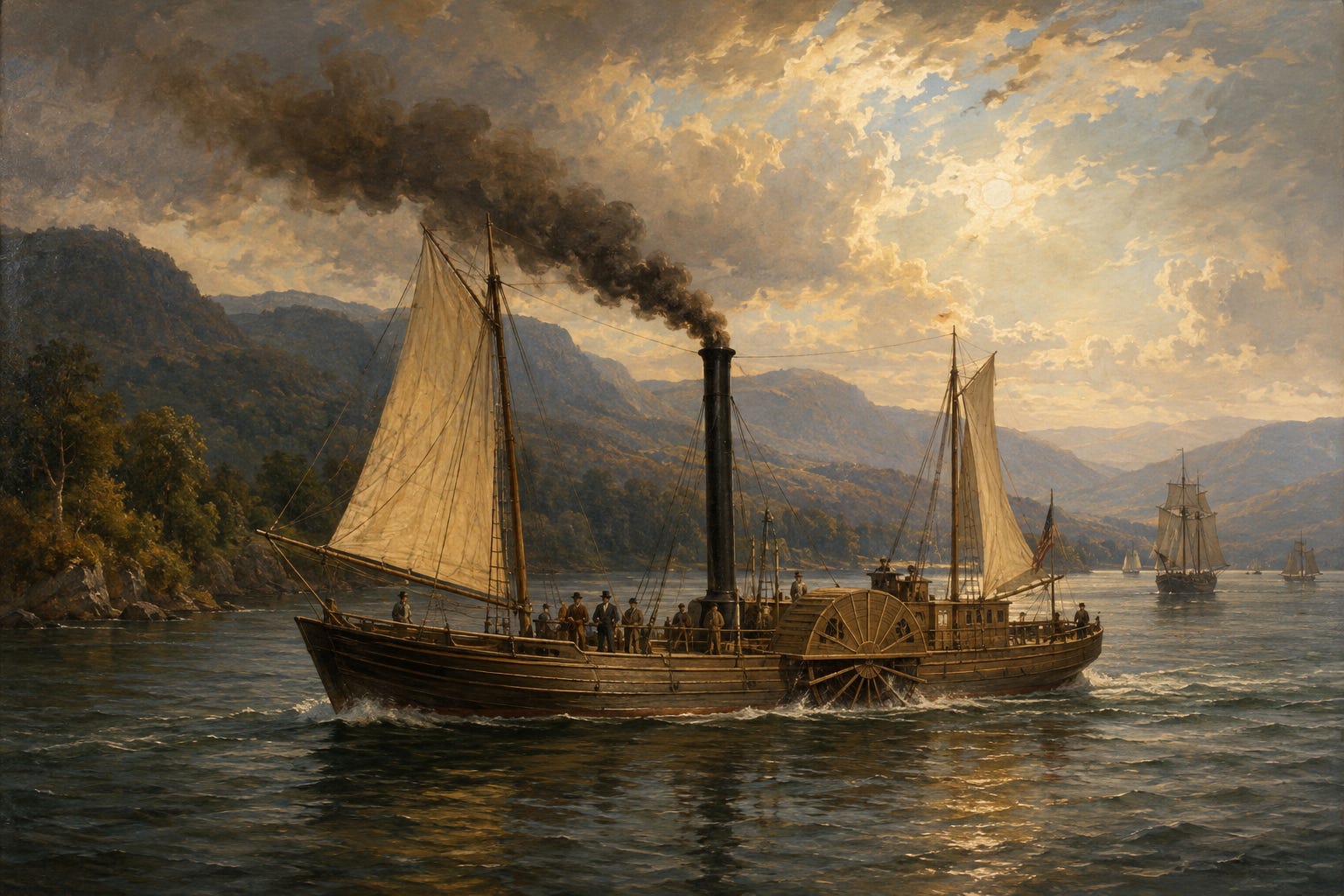
Robert Fulton’s critics called it “Fulton’s Folly.” Then it averaged five miles per hour up the Hudson River and they had to call it something else.
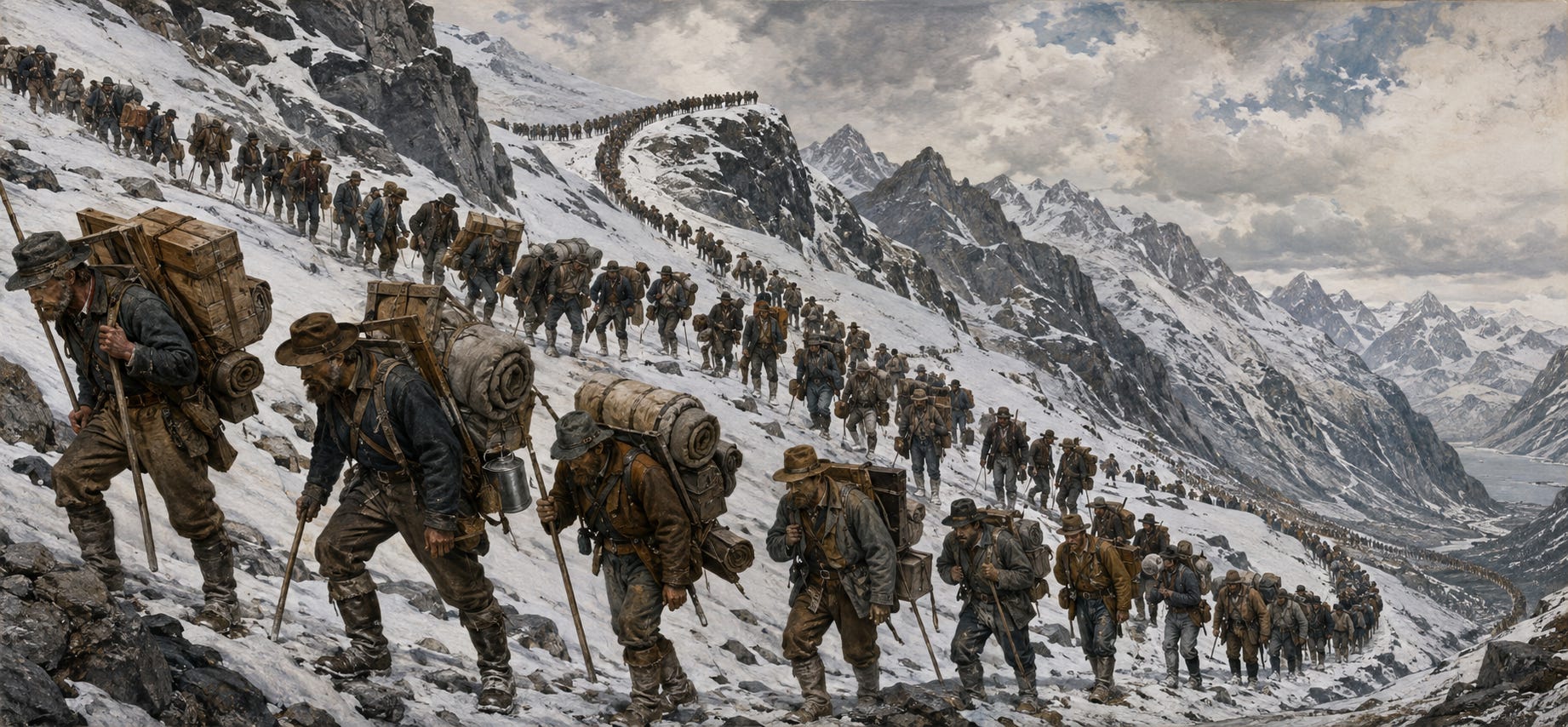
The discovery was made by four people whose names history barely remembers. The stampede it triggered reshaped the Pacific Northwest economy and made millionaires of the people who sold the shovels.
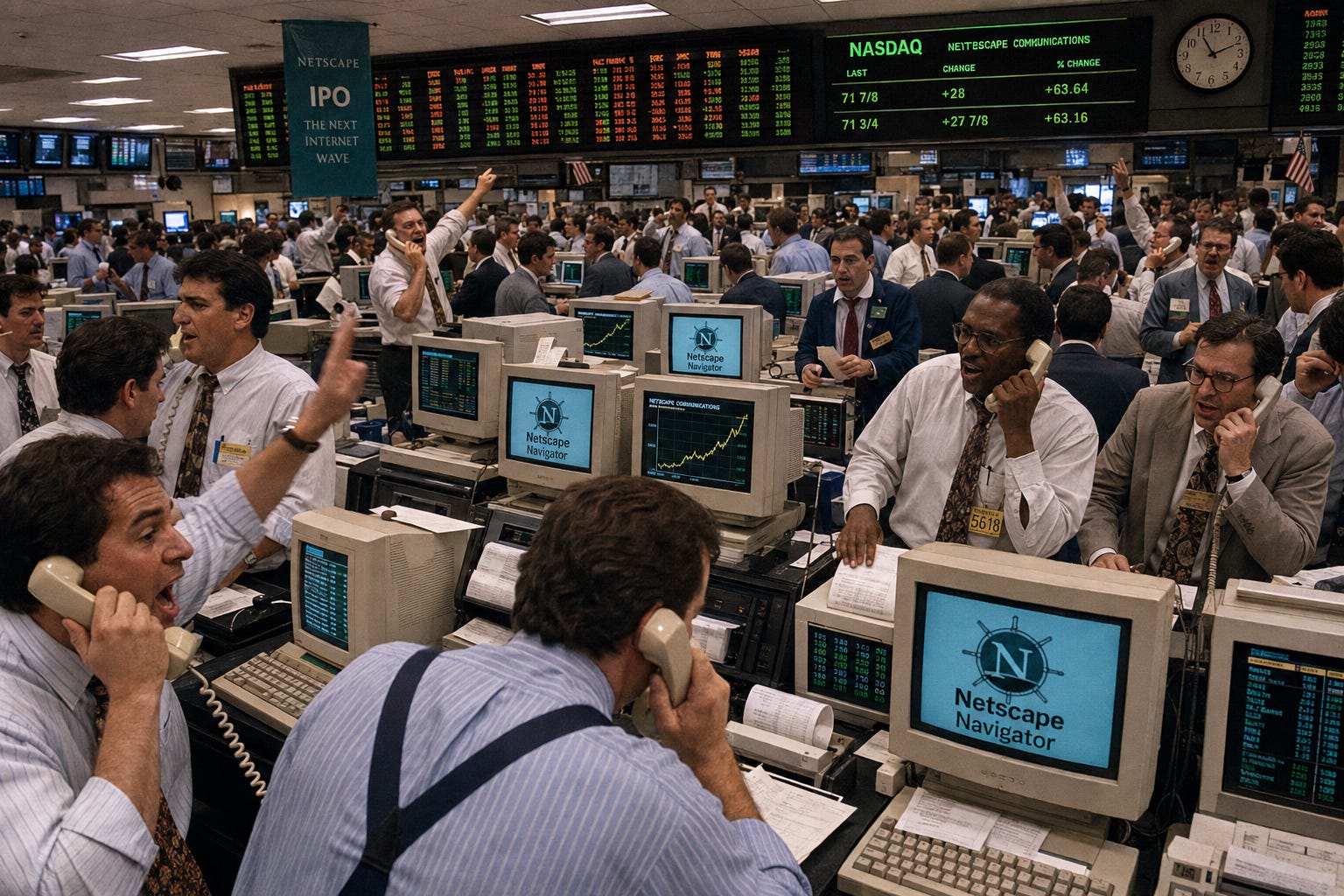
A company that had never turned a profit, selling software it gave away for free, went public at $2.9 billion. The dot-com era had a birthday, and it was this one.
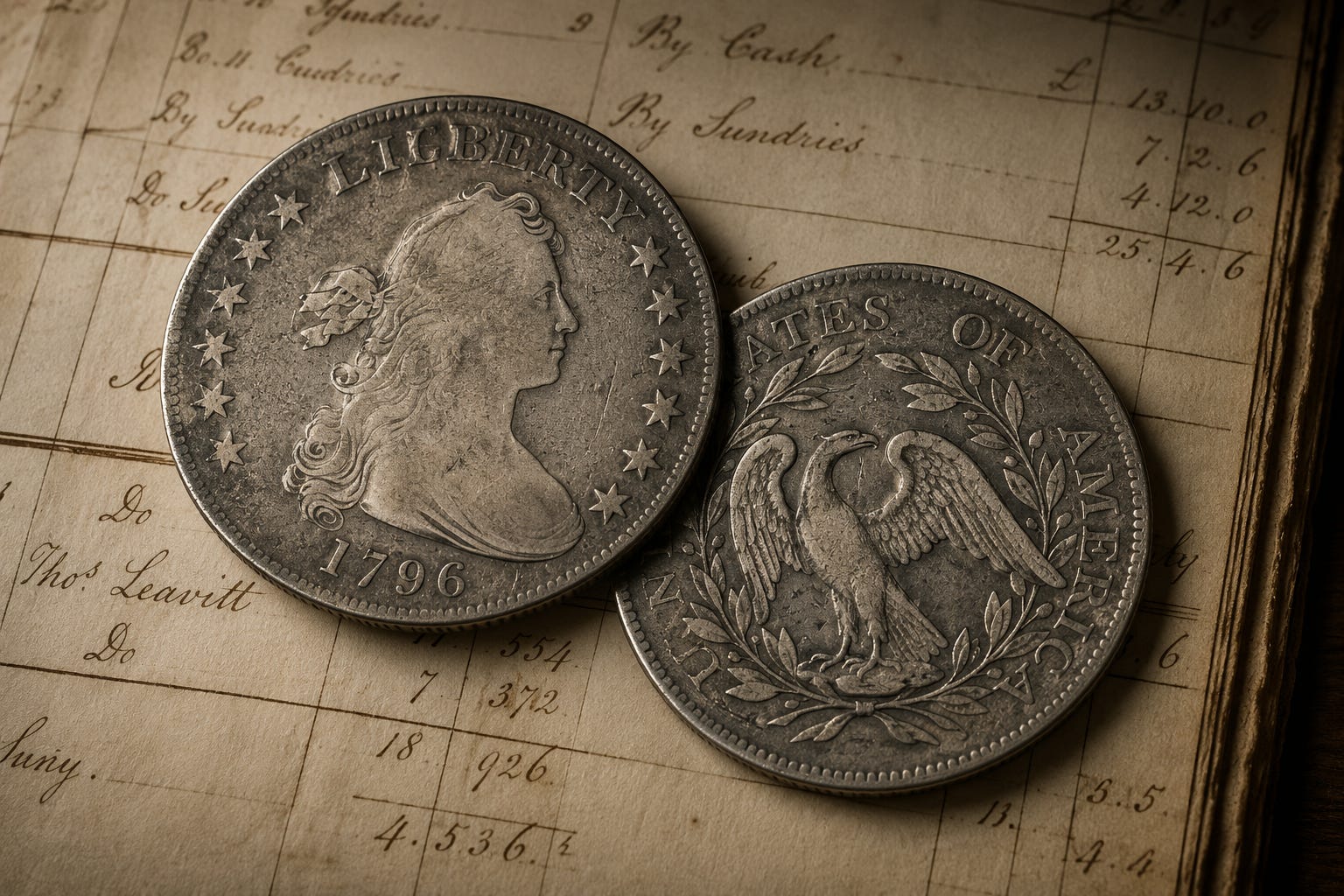
Congress chose a currency system so simple that a child could use it. That choice quietly separated America from every commercial tradition it had inherited.
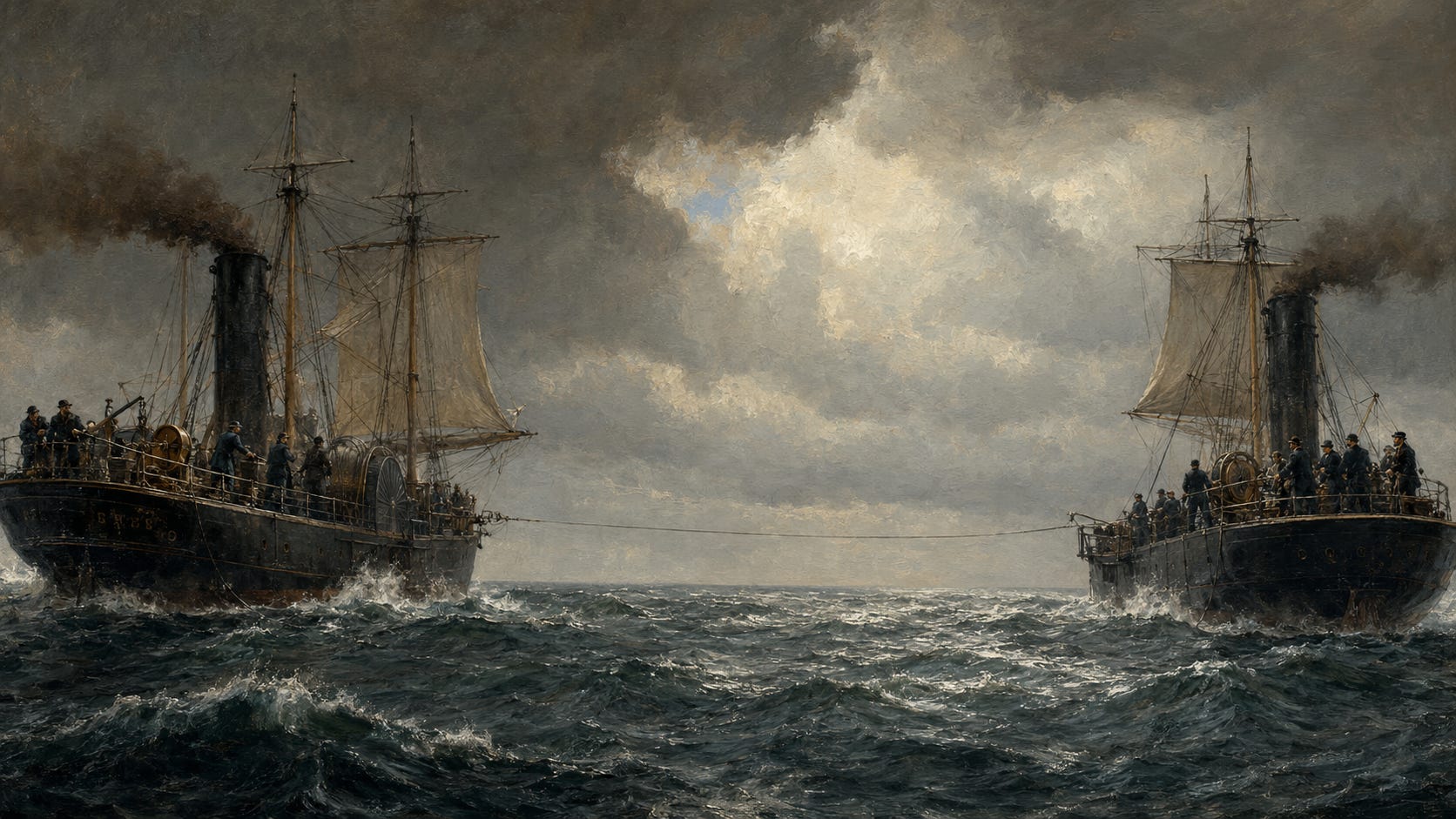
For three weeks in 1858, a message could cross the Atlantic in minutes instead of two weeks. Then the cable died. But no one could unsee what had just become possible.
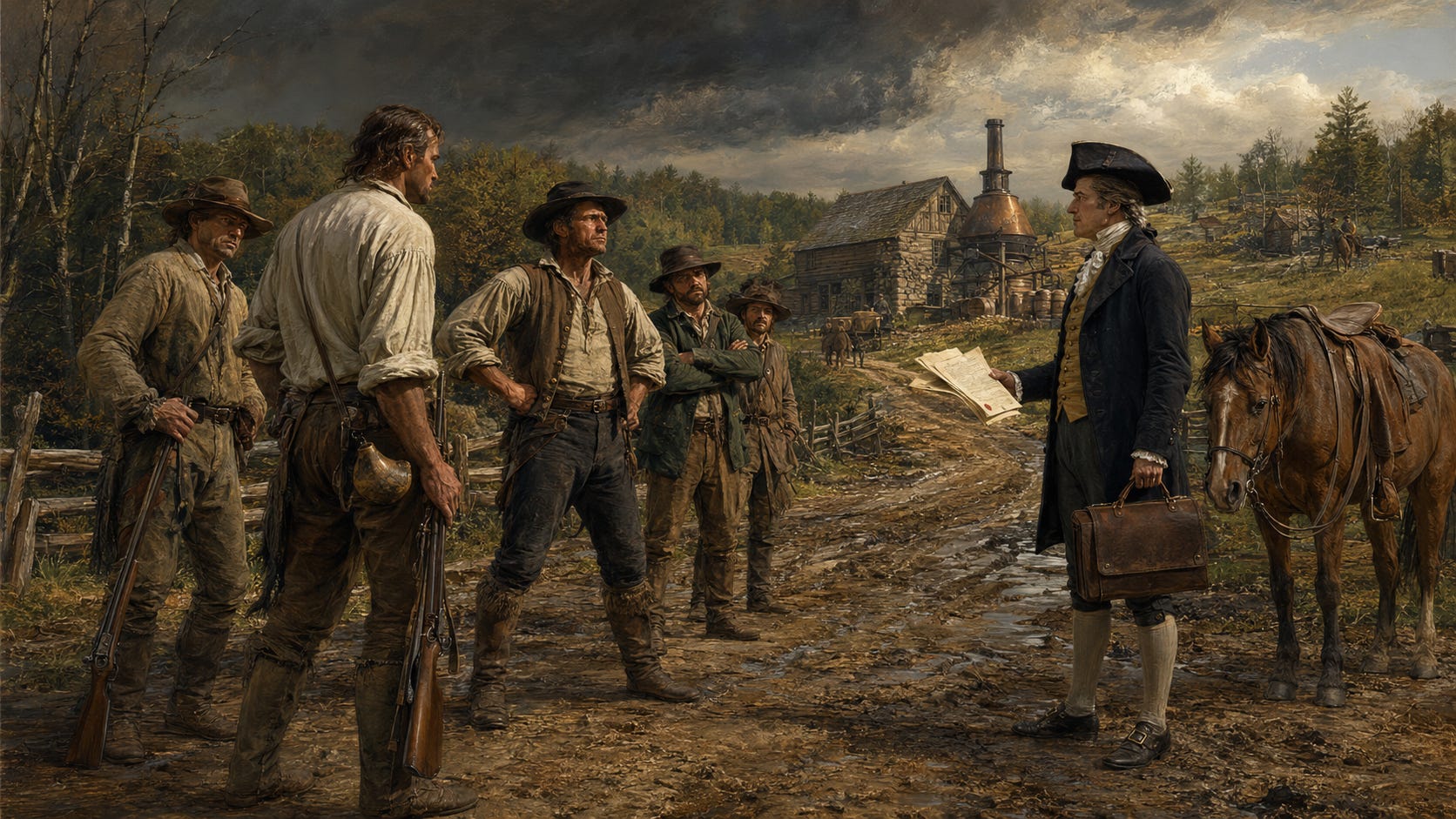
The first serious test of federal power in the United States began with a tax on whiskey. That sounds almost quaint now. It was not.
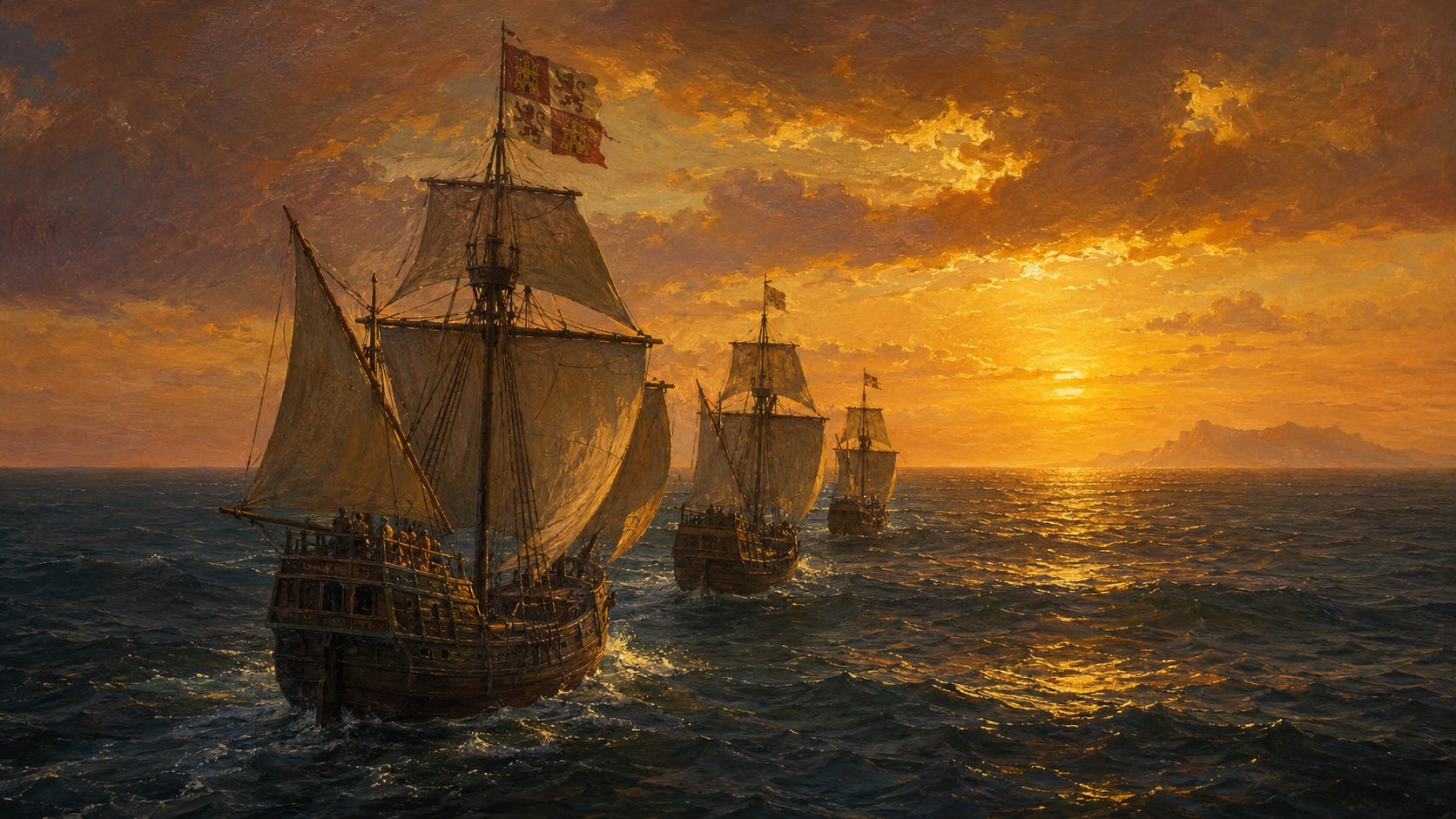
He was looking for a trade route. He 'found a continent.' The world's commercial map was never the same.
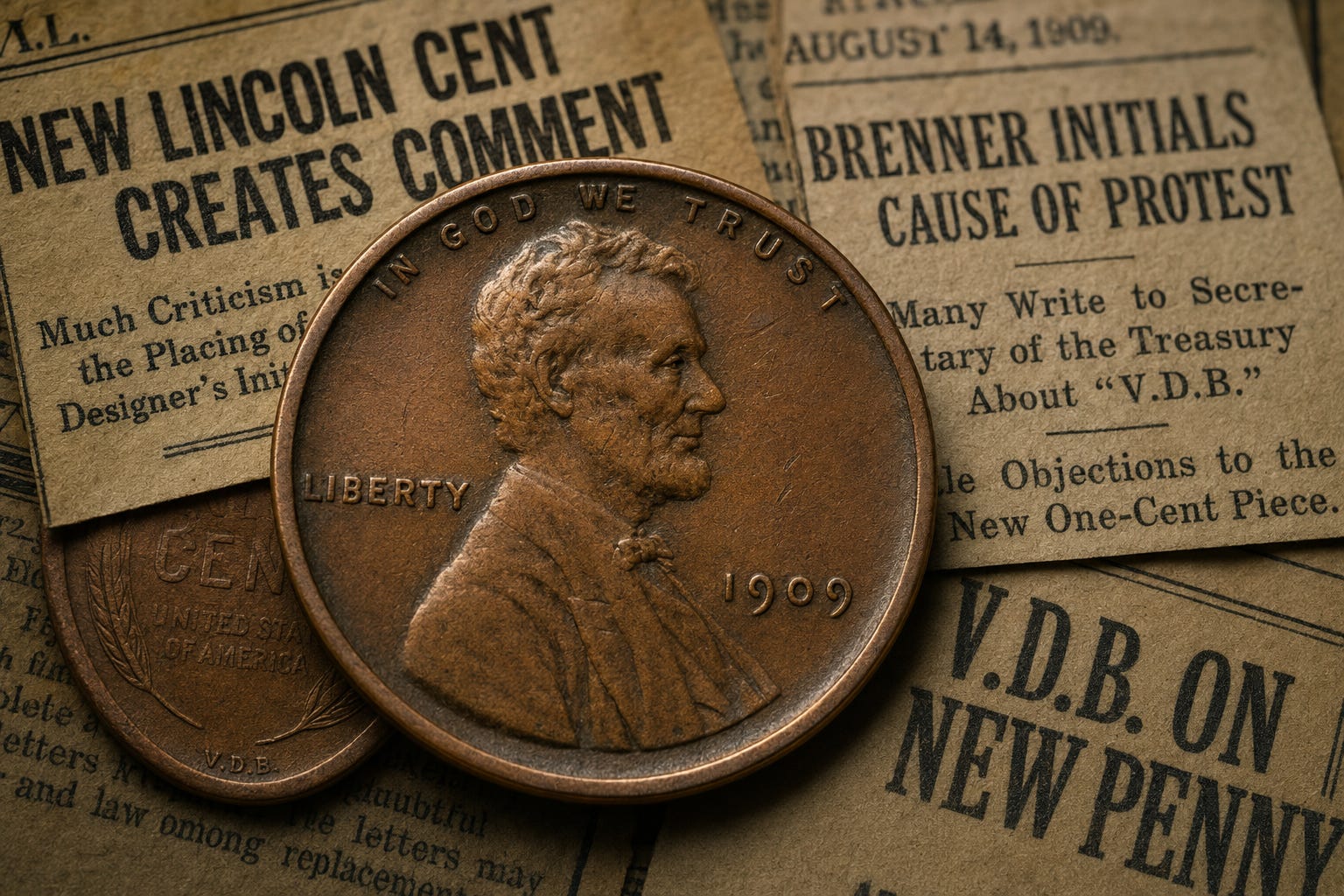
The day Americans stood in line around the block — not for a concert, not for a store opening, but for a one-cent coin.