These snippets about American women, stitching together individuals and events, create a colorful quilt from the patchwork of our history, weaving a tapestry from many strands, knitting connections, perhaps mending the fabric of our democracy with facts.
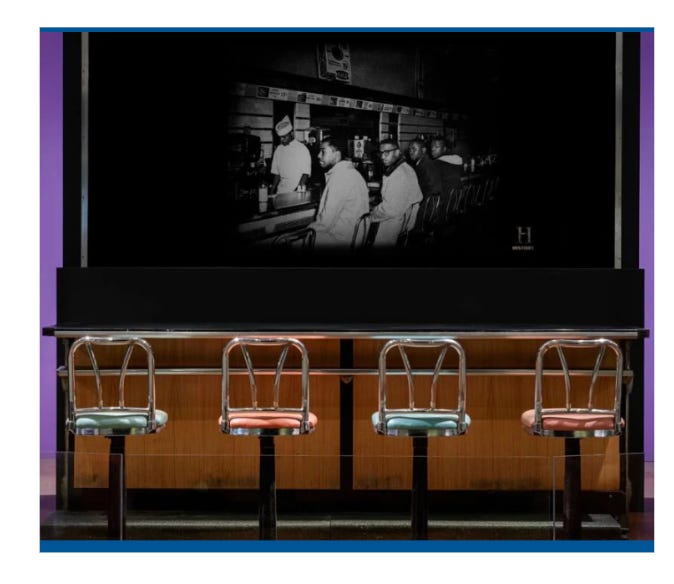
Like many retail outlets across the South in the 1950s, Katz Drug Stores, “The World’s Leading Cut Rate Drug Store,” served African Americans in its pharmacy and aisles, but not at its lunch counter.
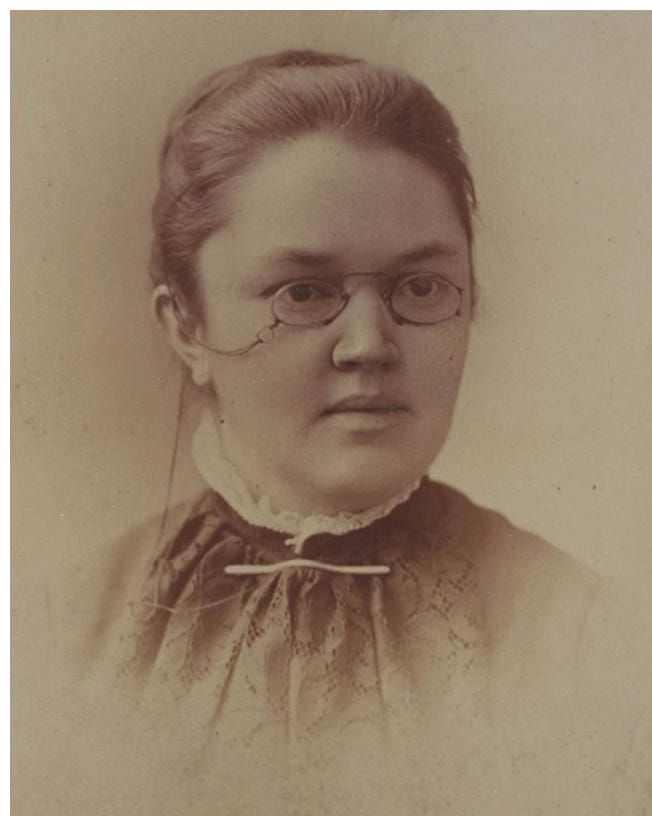
Because we share an alma mater, I’ve known that Katharine Lee Bates wrote the poem which became the lyrics of a beloved American anthem, “America the Beautiful.” Congressional resolutions to substitute it for the “Stars Spangled Banner” have not gotten out of committee, but public petitions continue.
Please excuse a brief pause in posts. Your author has been distracted by caring for my adorable grand girl, who couldn’t go to daycare because she had a temperature, and by a still busted freezer compressor. I had planned to report on the infamous 1974 ordination of the Philadelphia Eleven, supposedly renegade female Episcopal priests.
Dear Readers: I may have made an etymological error, by calling these collections of your comments LOOSE ENDS. It did not occur to me until today to check the meaning of the phrase.
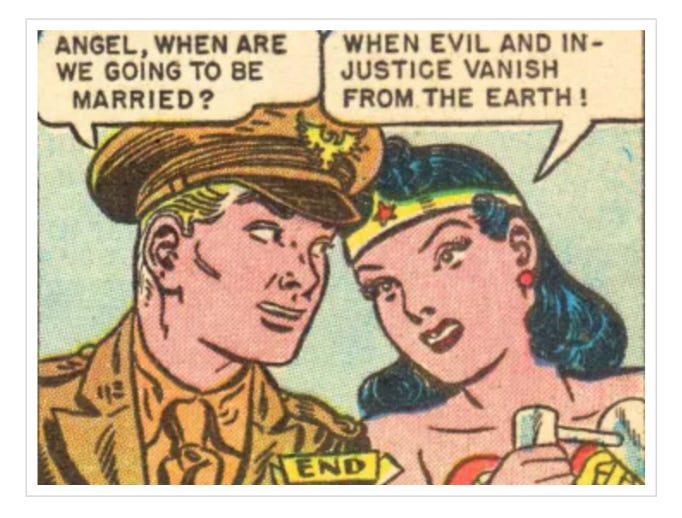
Wonder Woman, a comic book heroine, has been a feminist icon since she first appeared in 1941. The advocate of peace, justice and women’s rights was created by a Harvard-educated psychologist. William Marsden lived with his wife Elizabeth and student Olive Byrne, Margaret Sanger’s niece, fathering children with both women.
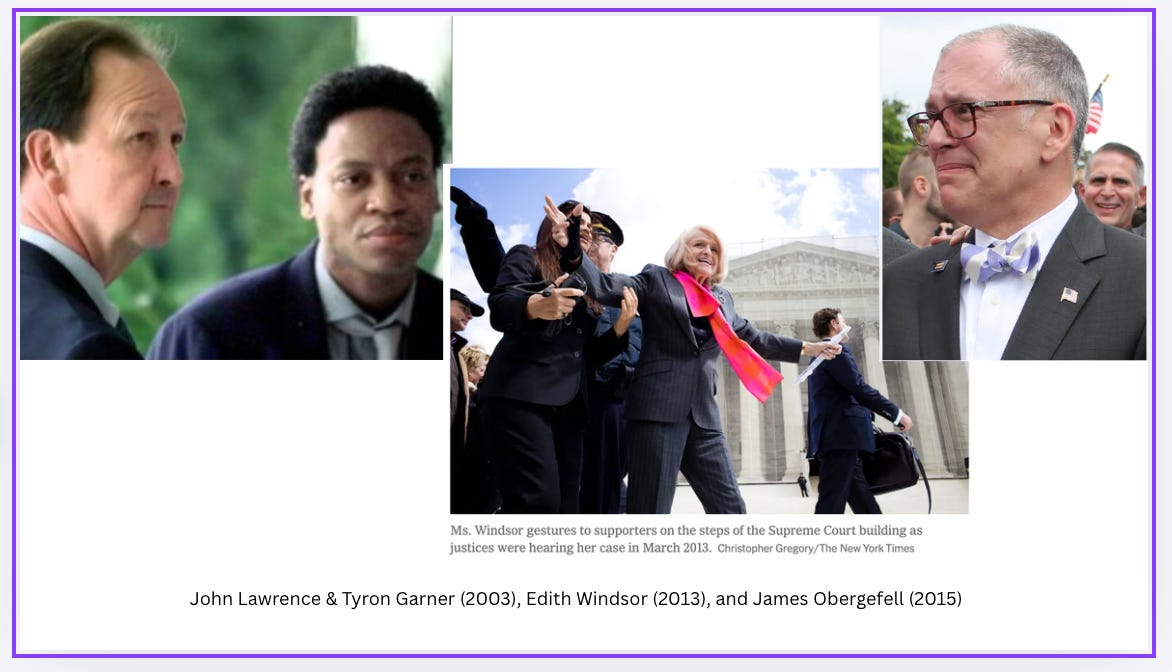
On this date, near the end of three different terms, the Supreme Court expanded the rights of same-sex couples, ruling repeatedly that treating them differently than opposite-sex couples was unconstitutional.
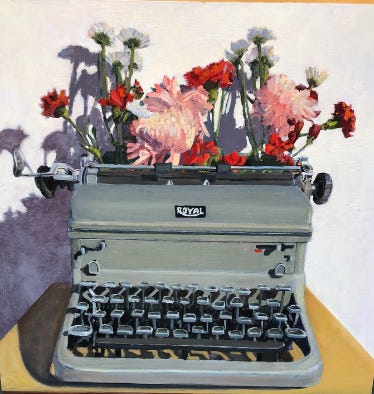
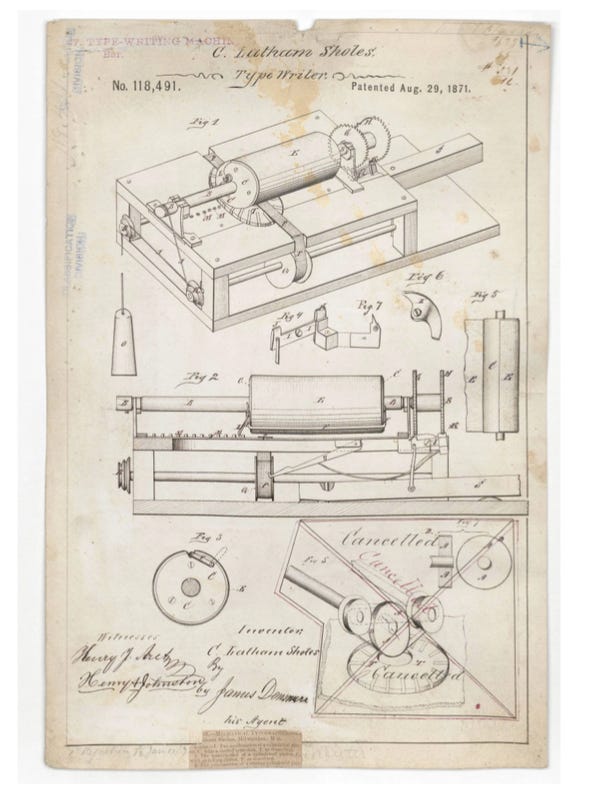
Possible playlist: Dolly Parton’s “Nine to Five” (1980); Sondheim’s “Opening Doors” from Merrily We Roll Along (1981); the Boston Typewriter Orchestra, with music based on or performed by clacking typewriters (or Parton’s acrylic nails).