Defend, Disperse, Recover: A New Resilience Model for AI Continuity in Conflict
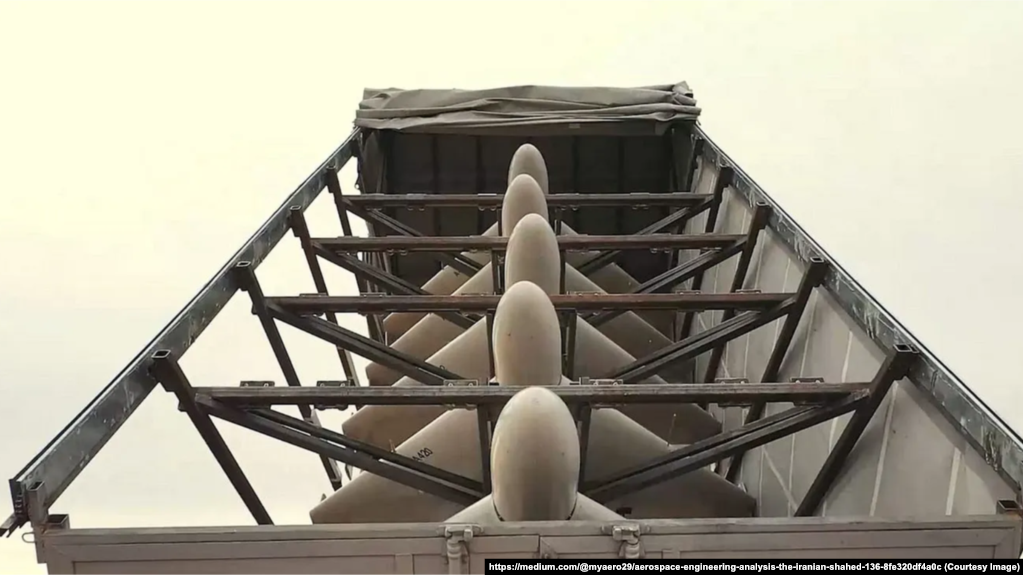
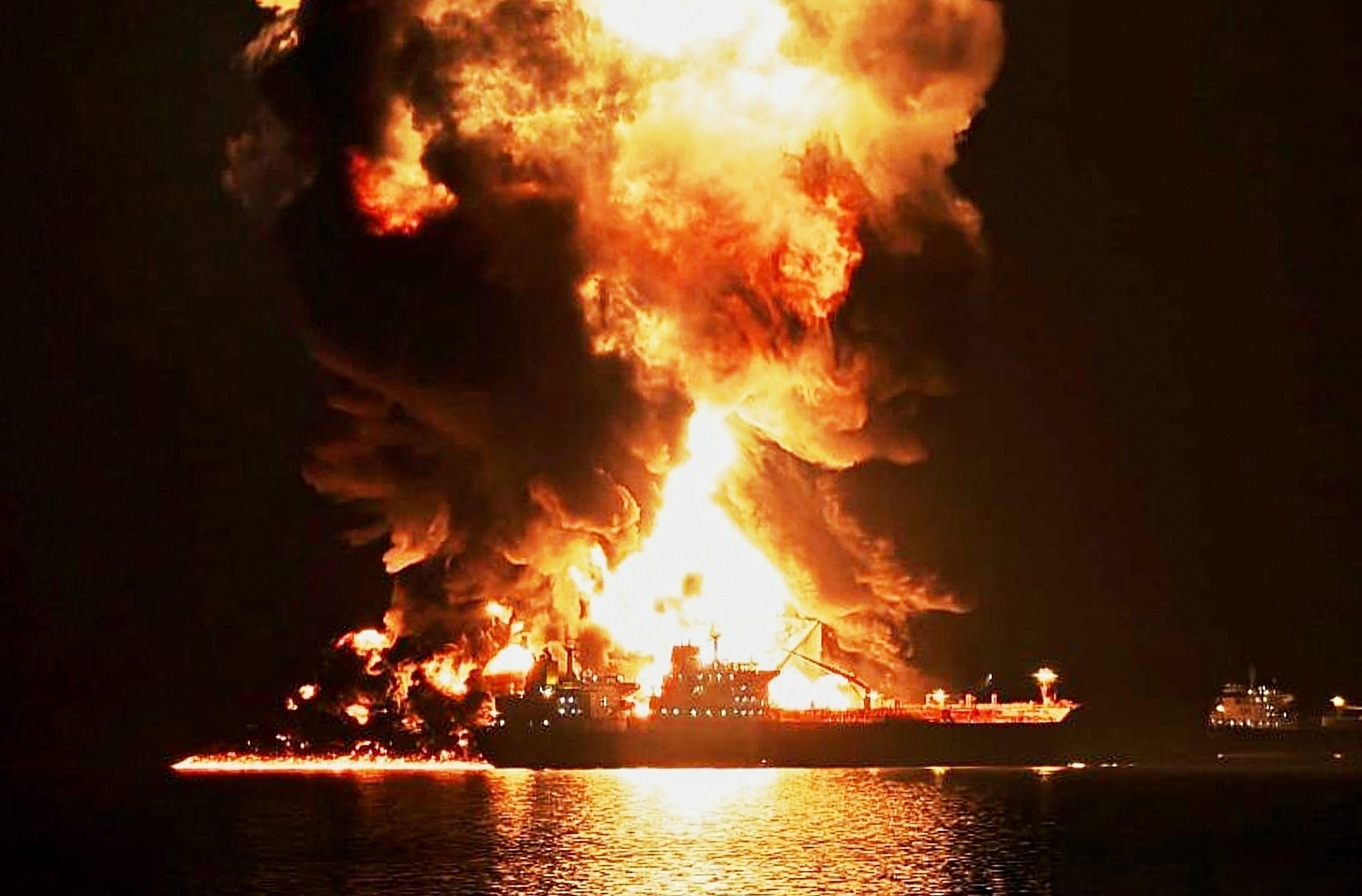
Iranian strikes on AI infrastructure should change how Gulf governments think about the security of strategic compute.

Dispatches from the intersection of the Middle East, China, and international order
Live Last read · last published · next check
Iranian strikes on AI infrastructure should change how Gulf governments think about the security of strategic compute.
The launch of a new data product mapping attacks on data centers in the Iran War
I speak with Eric Olander on China-Global South Podcast
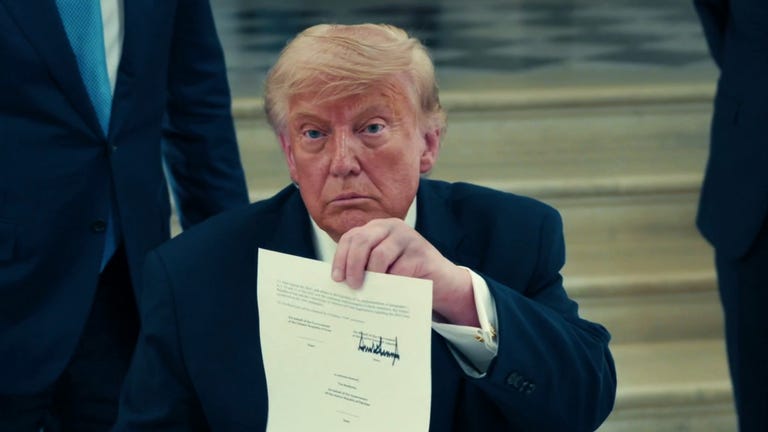
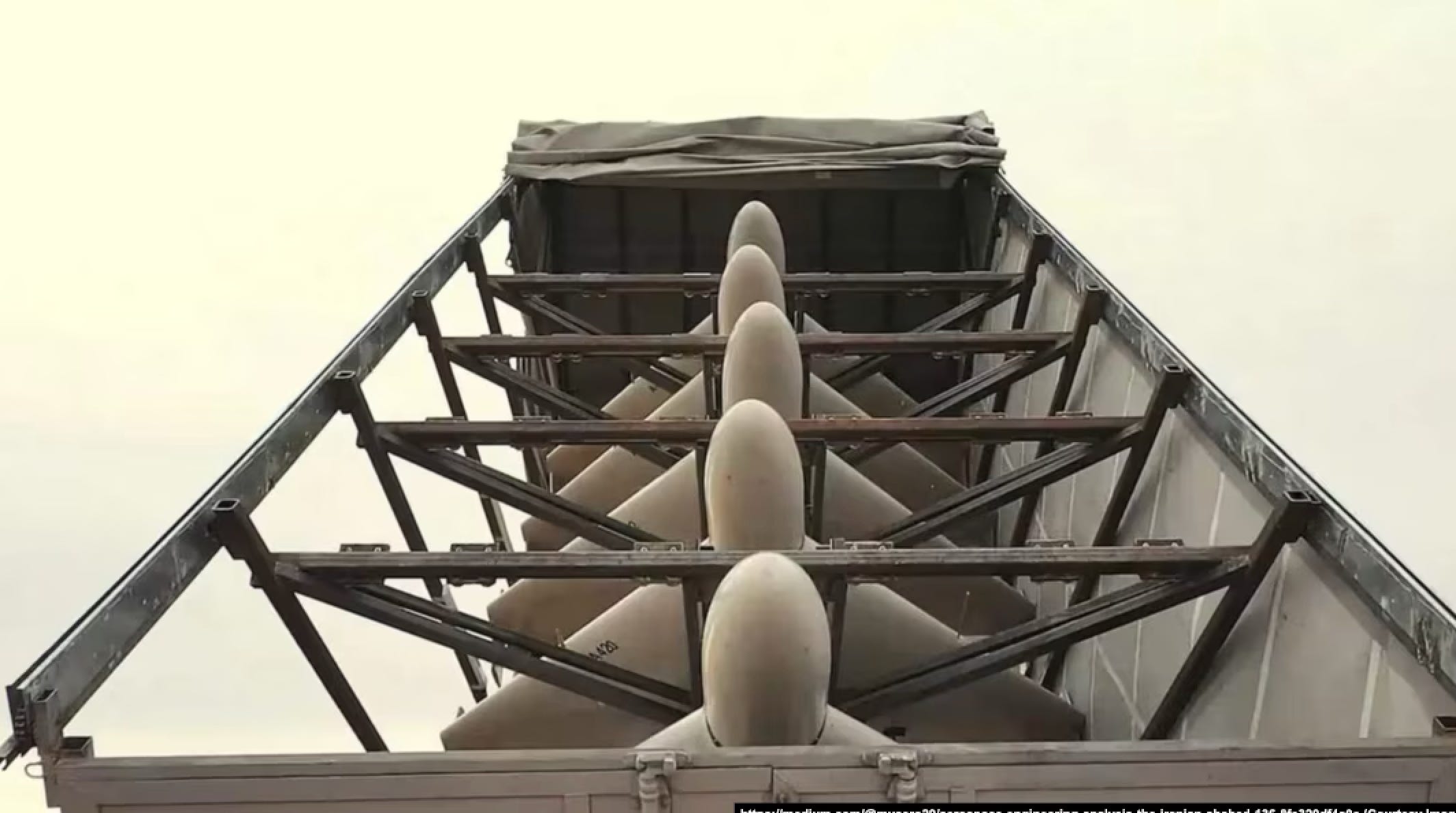
The collapse of the U.S.-Iran MOU places the GCC states in an increasingly precarious strategic position as Iranian missiles and drones again strike Gulf territory.
Over the past year, I have been diving deep into the academic and technical undercurrents in AI research and discourse.
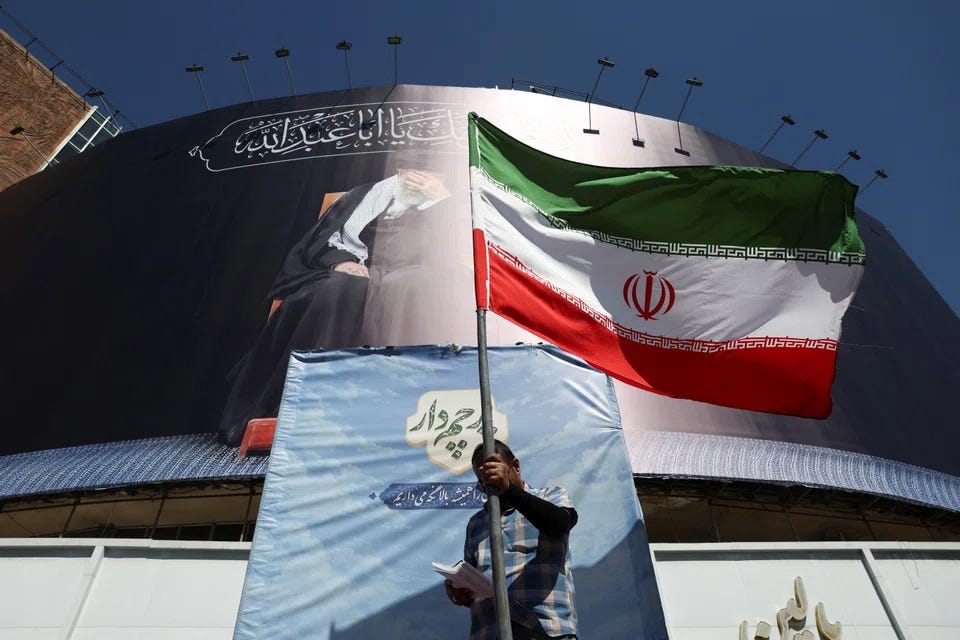
After traveling the past month and meeting with a number of sides of the Iran conflict since the MoU signing, I wanted to lay out some thoughts for consideration.
China’s State Council regulation on outbound investment took effect on July 1, 2026, giving Beijing its first comprehensive, cabinet-level legal framework governing how Chinese capital moves abroad.
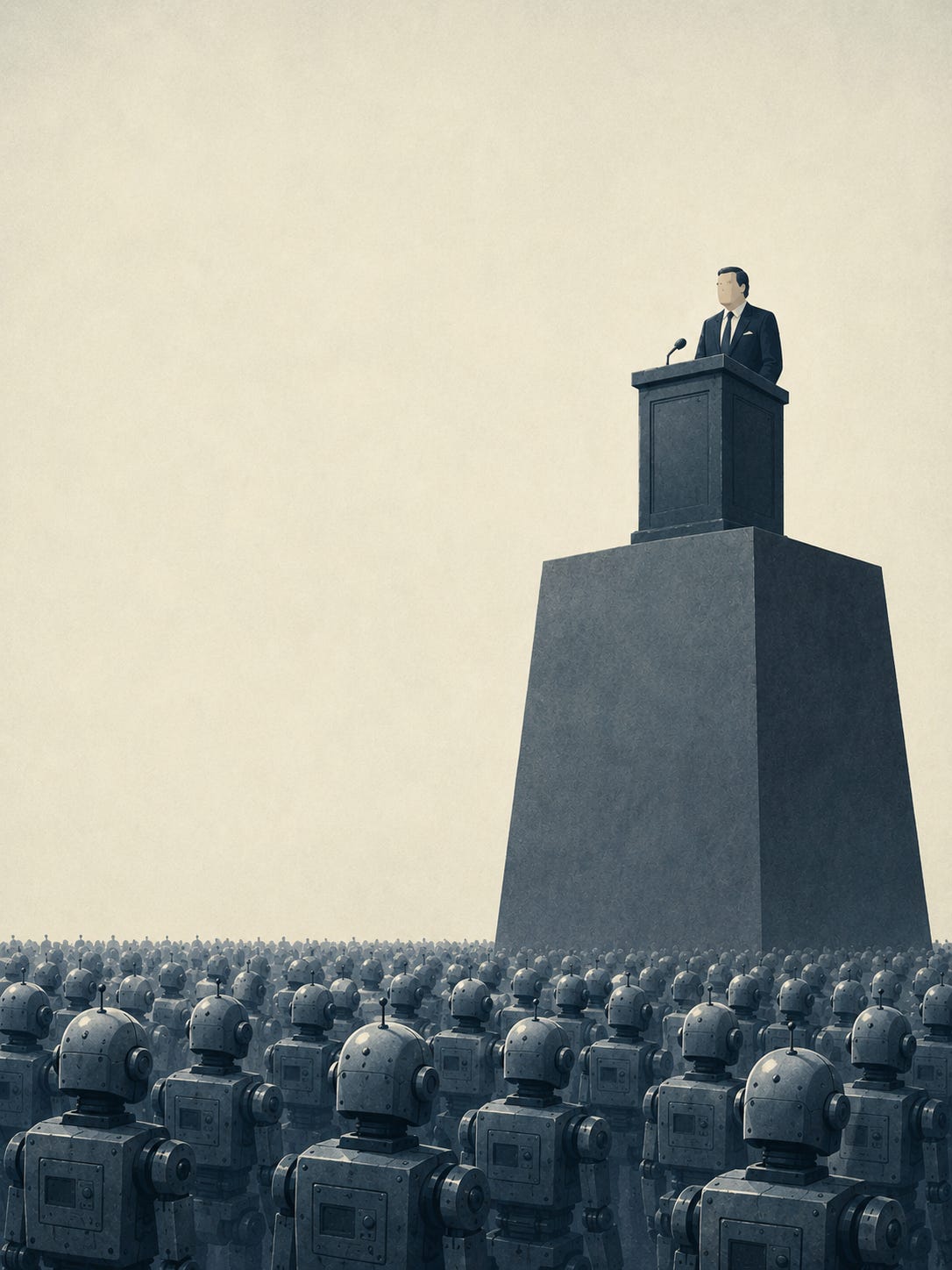
A world in which whoever controls frontier AI can determine the political and economic outcomes of every other actor, with no check on that power, is a novel scenario that several AI experts are sounding the alarm about.
A workable deal is better than no deal
A New Piece with the NUS-Middle East Institute