The Dangerous Myth of “Hazardous Fuels”
How the wildfire industry is using a false premise to justify logging our last roadless forests

The Untold Story of Climate Change, featuring Trees & Forests, Food & Farming, Water & Wildlife
Live Last read · last published · next check
How the wildfire industry is using a false premise to justify logging our last roadless forests
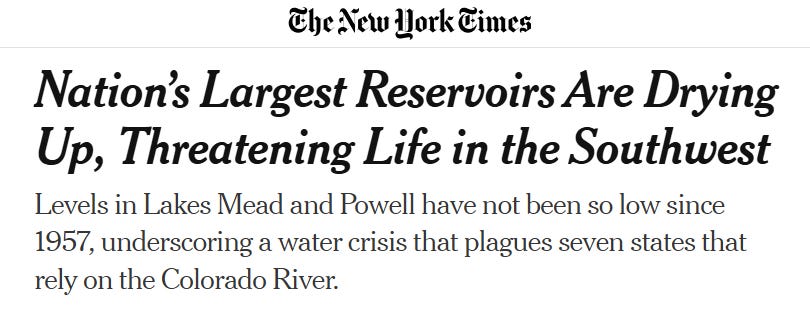
The New York Times focuses on shrinking reservoirs and water consumption. The deeper question is whether we are managing the landscape to capture and retain the water we already have
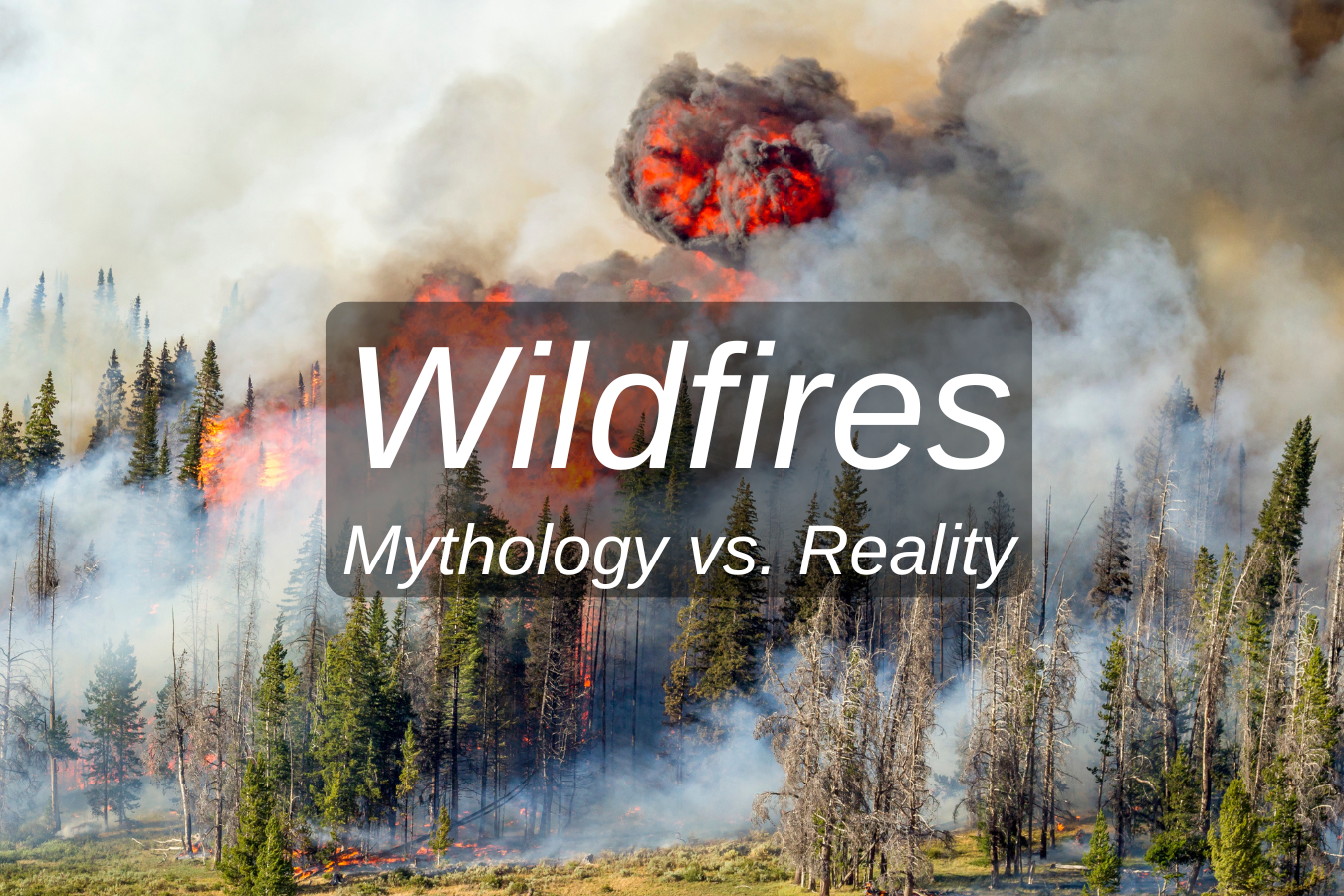
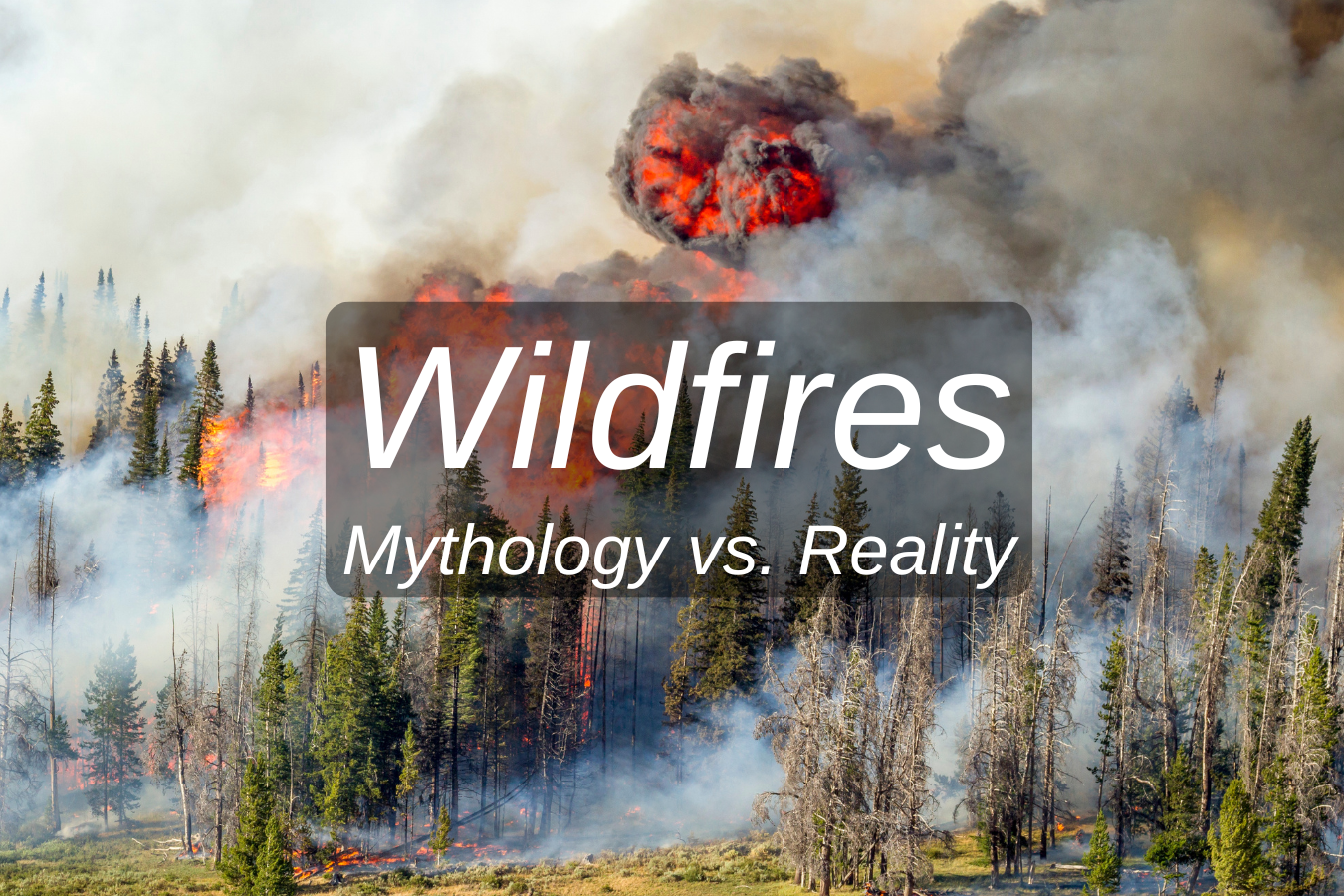
How a persistent myth about Western forests is used to justify logging in the name of wildfire prevention
How the focus on fossil fuels and carbon emissions obscures the larger story of land degradation, energy consumption, and ecological collapse
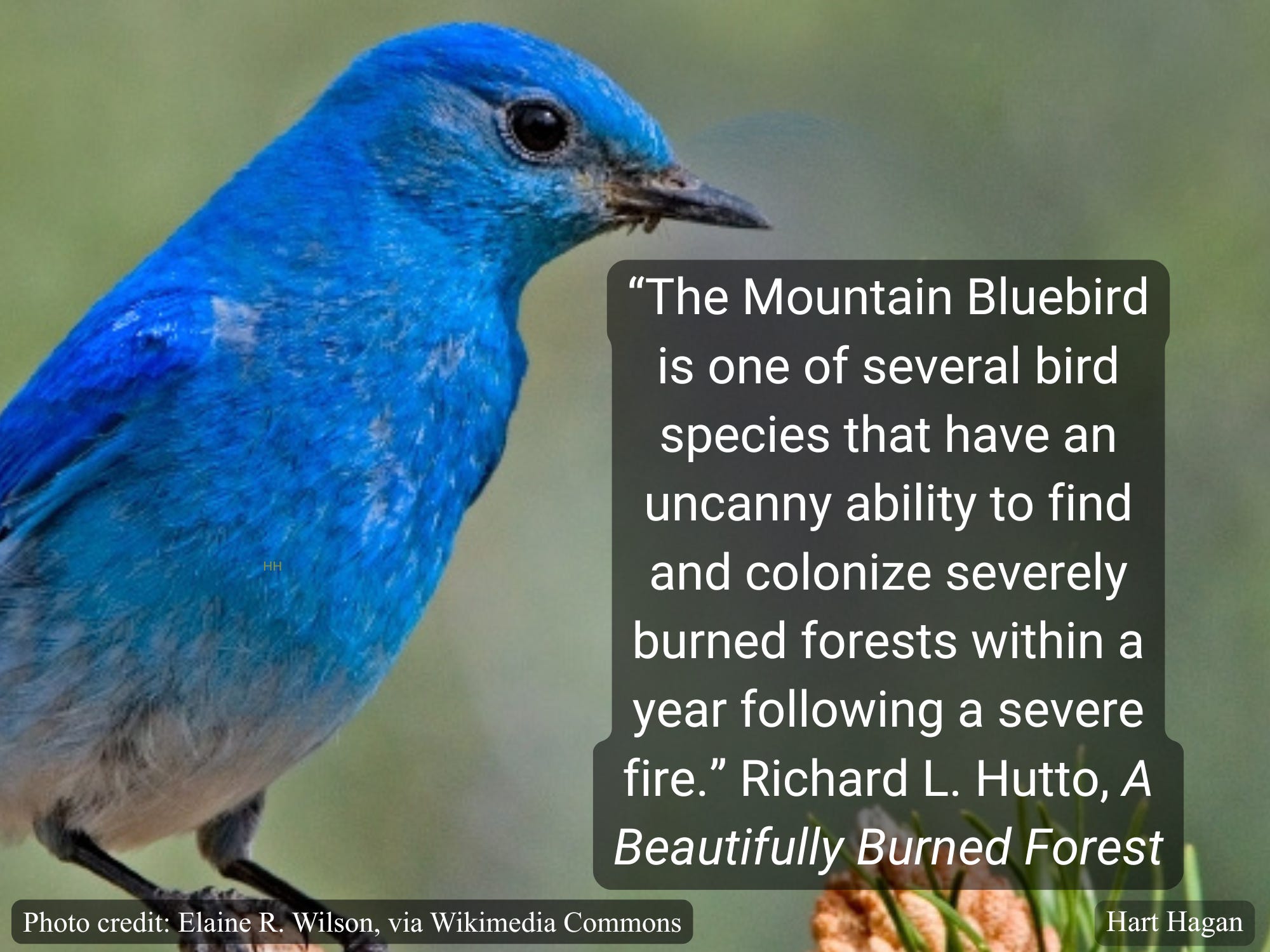
Wildfire, including severe wildfires, makes way for hundreds of species that cannot live or thrive anywhere but a severely burned forest
The measure of good soil is "soil organic matter," which can accumulate to optimal levels in 10-20 years, if you organize to optimize plants and rainfall
A little knowledge goes a long way. Let's understand how logging companies advance falsehoods to make a profit
The logging industry and government agencies successfully use fear of wildfires to disarm a fearful public and push bad policies
Healthy soil starts with a healthy soil food web, including an estimated 7200 pounds of microorganisms (bacteria, algae, fungi, protozoa, etc.) per acre
Scientists report that our soils lose an astounding 150 billion tons of freshwater every year. But they don't understand the simple, straightforward solutions we all can implement