
This is a mountain bluebird. It is a migratory bird primarily in western North America, with a range from Alaska to central Mexico.
The mountain bluebird feeds on grasshoppers, flies, insect larvae, beetles, spiders, and cicadas. In the winter, it eats berries and small fruits.
It is one of many species that thrive in severely burned forests. That’s right, severely burned forests. Severe forest fires play an important role in renewing our forests and providing habitat for the mountain bluebird, the black-backed woodpecker and the buff-breasted flycatcher.
To learn more, please join us for the course Wildfires Fact & Fiction, via Zoom, Thursdays at 12:00 Eastern Time, September 10 to October 29, and featuring North America’s leading experts on fire ecology.
https://bio4climate.org/course-offerings/wildfires-fact-fiction-fall-2026/
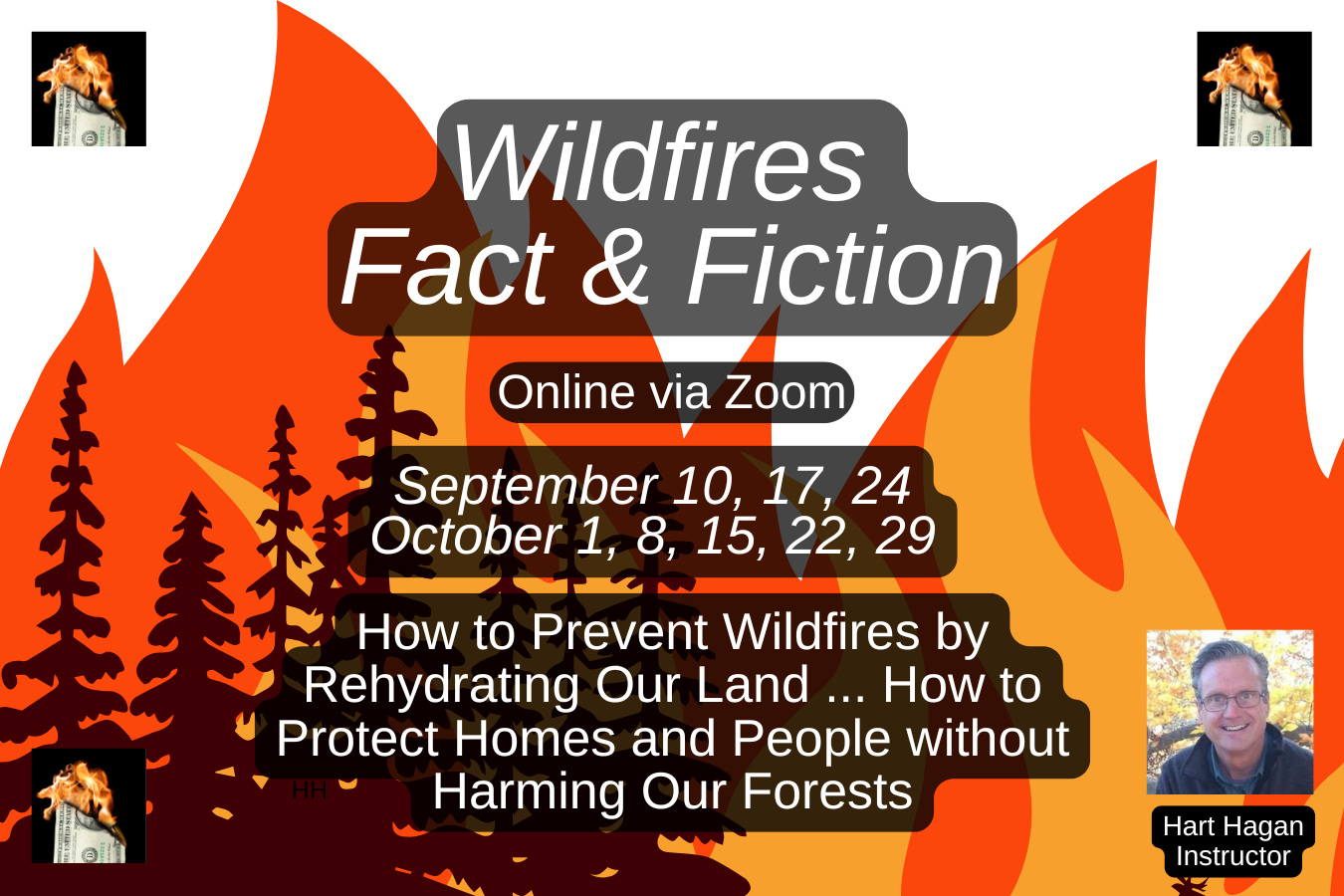
Also, here is a special introductory free webinar this Friday:
Saving Our Forests from the Wildfire Industrial Complex - Hart Hagan
Date: Friday, July 31 — 3:00–4:30 PM (Eastern Time)
The greatest threat to our forests may not be wildfire itself, but the misinformation surrounding it.
For decades, the logging industry has promoted the idea that widespread logging — often called “forest thinning” — is necessary to prevent wildfires and restore forests to health. These claims have helped justify extensive logging in public forests.
At the same time, new industries such as biomass energy are expanding the demand for wood, often under the claim that burning forest biomass is renewable energy and that logging reduces wildfire risk.
This webinar examines the myths and misinformation that allow profit-motivated industries to gain access to forests under the banner of wildfire prevention and forest restoration.
Why fighting wildfire far from homes often wastes public funds
Why making homes fire-resistant is the most effective protection
How wildfire benefits many forest ecosystems and wildlife
Why forests do not need to be “protected” from wildfire
Why post-fire forests often support more biodiversity
Why protected forests often retain more moisture and experience lower fire intensity
Forests provide wildlife habitat, regulate water cycles, store carbon, and stabilize climate. Yet misinformation about wildfire is often used to justify large-scale logging that degrades these ecosystems.
Understanding the science of wildfire helps citizens, advocates, and policymakers make better decisions about how forests should be managed and protected.
Forest advocates and anyone interested in understanding the real relationship between wildfire, forest ecology, and logging policy.
A recording will be available to everyone who registers.
No posts
Comments
Nothing yet. Say the first thing.
Sign in to join the conversation.