
Since Trump came to office, the Fix Our Forests Act (FOFA) has been working its way through Congress.
The Fix Our Forests Act is seen as urgent, must-pass legislation by the logging industry, and their best friends in government and media, including “independent” media, much of which derives vital support from industry.
But FOFA is also supported by well-meaning environmentalists, such as the good people in Citizens Climate Lobby, as reported on their website, here: Support the Fix Our Forests Act
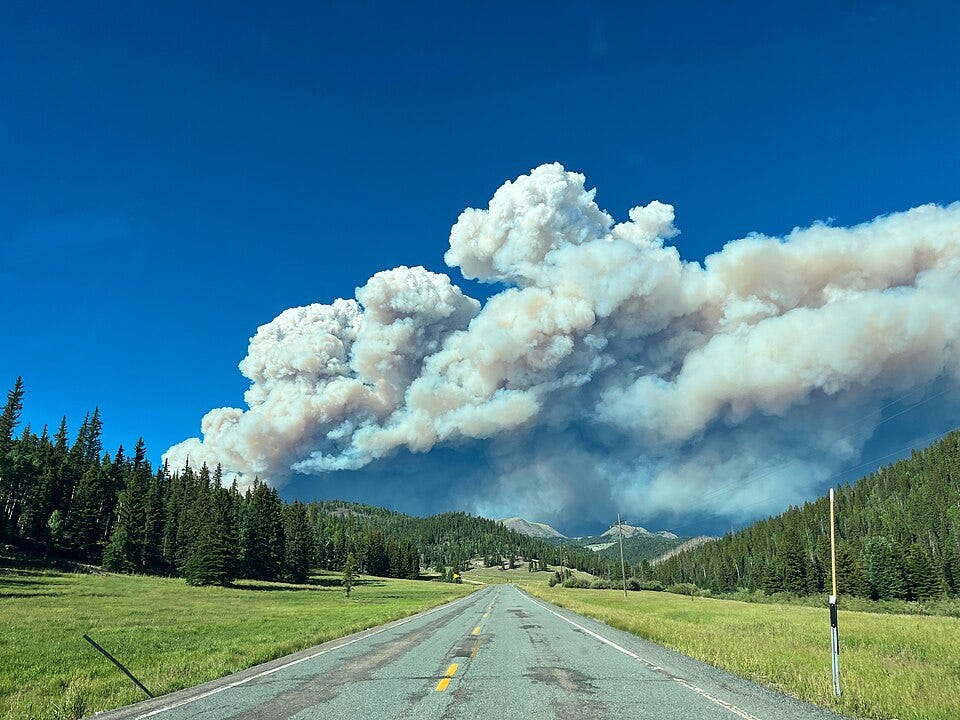
The Fix Our Forest Act (FOFA) is rooted in numerous misconceptions related to our forests and what they need from us, not least of all questions about how and whether to suppress wildfires.
In my generation (e.g., in the 1960s and 70s), Smokey Bear “taught” us that all wildfires are bad. More recently, ecologists have discovered that some wildfires are good, while still others argue persuasively that wildfires are overwhelmingly good for the forest.
Emphasis added ... Wildfire is good for the forest. This is an entirely separate issue from whether wildfire is good for people and communities. These are two separate issues, to be analyzed and addressed separately.
Nobody wants to be caught in a wildfire. And we all sympathize with people who suffer losses from wildfires. But wildfire is categorically good for the forest. We can protect people, homes and communities from forest fires, while allowing fires to burn in the forest.
What we don’t want to do is spend valuable resources far away from communities, in a militarized version of fire protection that does nothing to protect people and communities, pretending to protect the forest from the same type of fire with which it has evolved.
If you don’t believe wildfire is good for the forest, please see this video from ornithologist Richard L. Hutto, author of A Beautifully Burned Forest: Fire ecology with Dick Hutto
If you would like to continue the conversation about this, please join me on Wednesday, for: Saving Our Forests from the Wildfire Industrial Complex — Wednesday, July 1 — 12:00–1:30 PM (ET)
No posts
Comments
Nothing yet. Say the first thing.
Sign in to join the conversation.