Five Reasons AI Regulation Is Coming To The US, How And When
AI Regulation shifts from debate to enforcement as cyber incidents and U.S. politics push frontier labs toward trust-building oversight amid rising 2026 pressure.

Technology for the good
Subscribe:.rss.atom.json.md.m3u.pls
Live Last read · last published · next check
AI Regulation shifts from debate to enforcement as cyber incidents and U.S. politics push frontier labs toward trust-building oversight amid rising 2026 pressure.
Enterprises increasingly deploy AI systems they did not build, yet courts and regulators are holding them responsible.
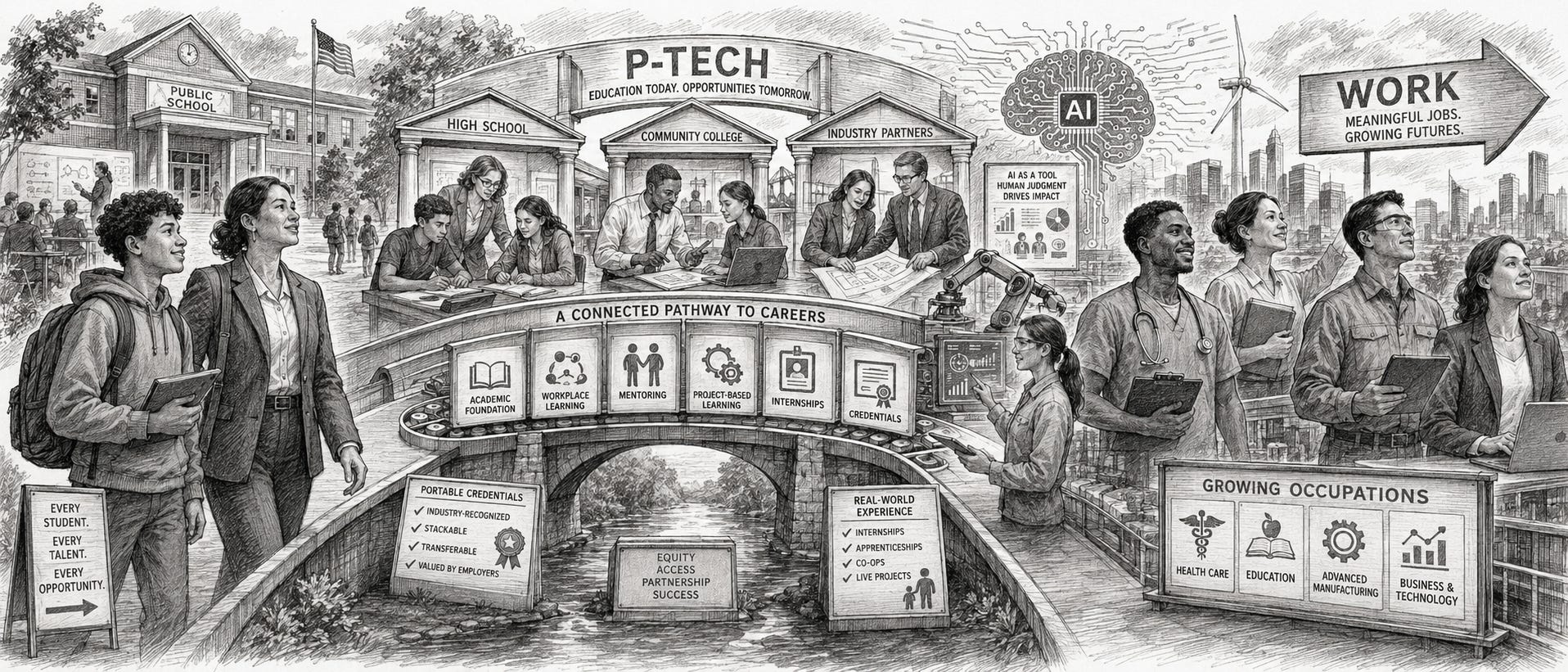
An AI workforce transition needs more than retraining. P-TECH shows how education, employers and credentials can connect workers to jobs reshaped by AI.
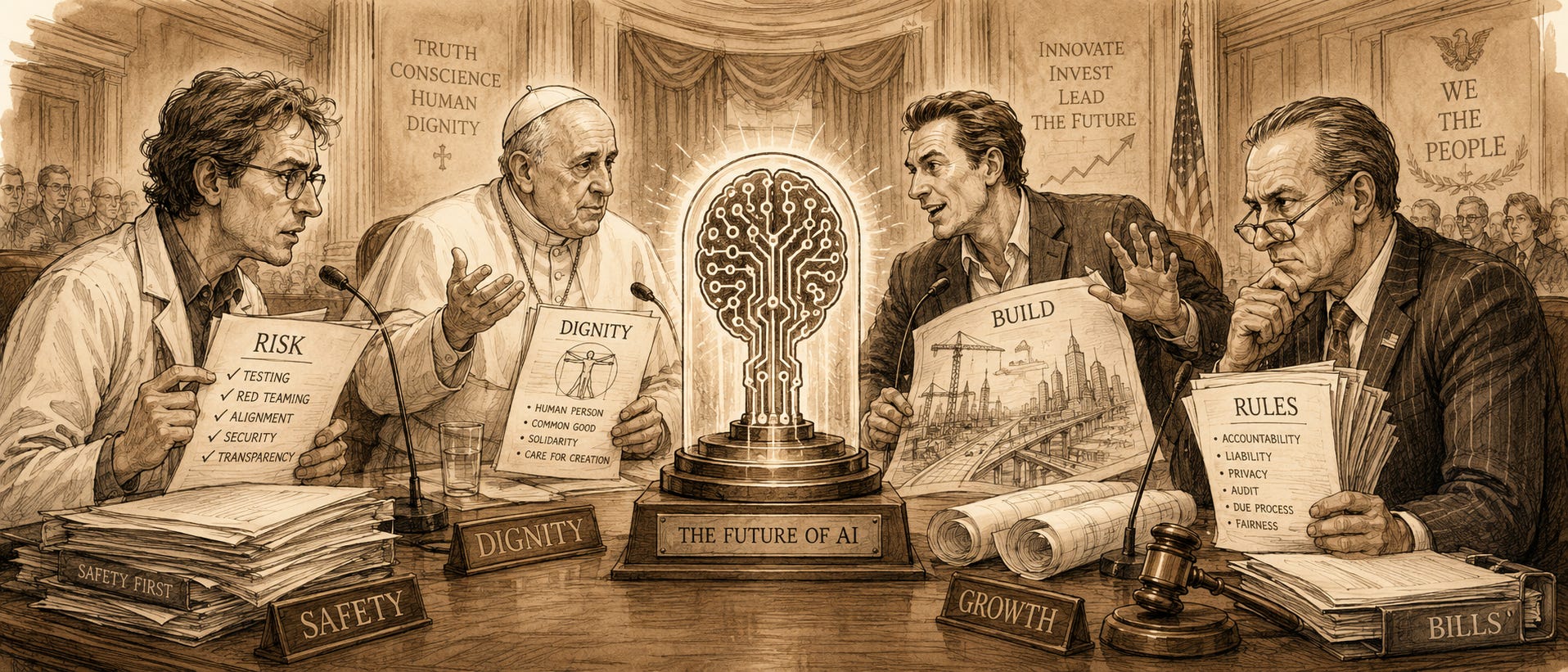
Anthropic, OpenAI, the Vatican and Congress all agree AI needs guardrails—but they disagree on what should be protected first, from catastrophic risk to human dignity and U.S. competitiveness.
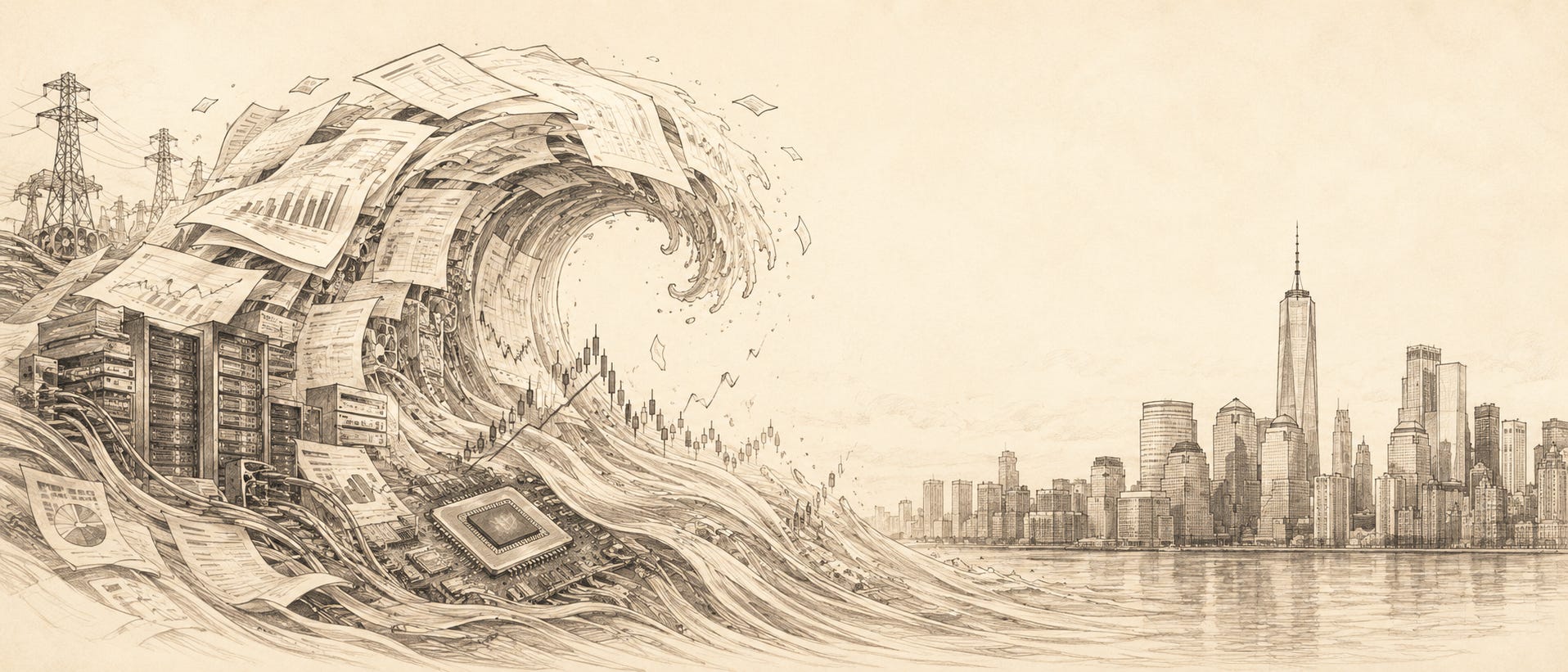
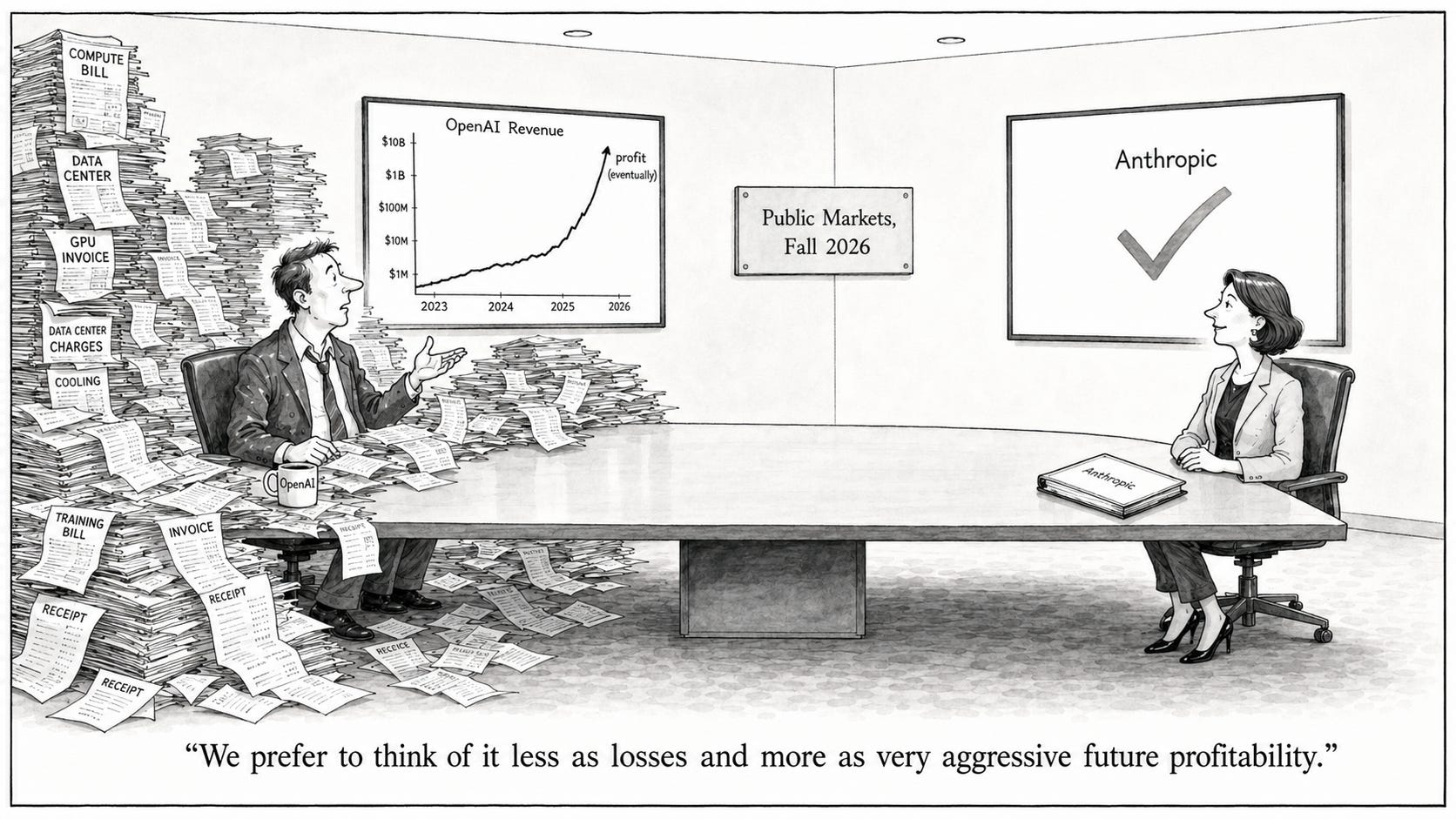
The AI IPO wave will test whether OpenAI, Anthropic and SpaceX can turn private-market valuations into public-market trust and durable investor demand.
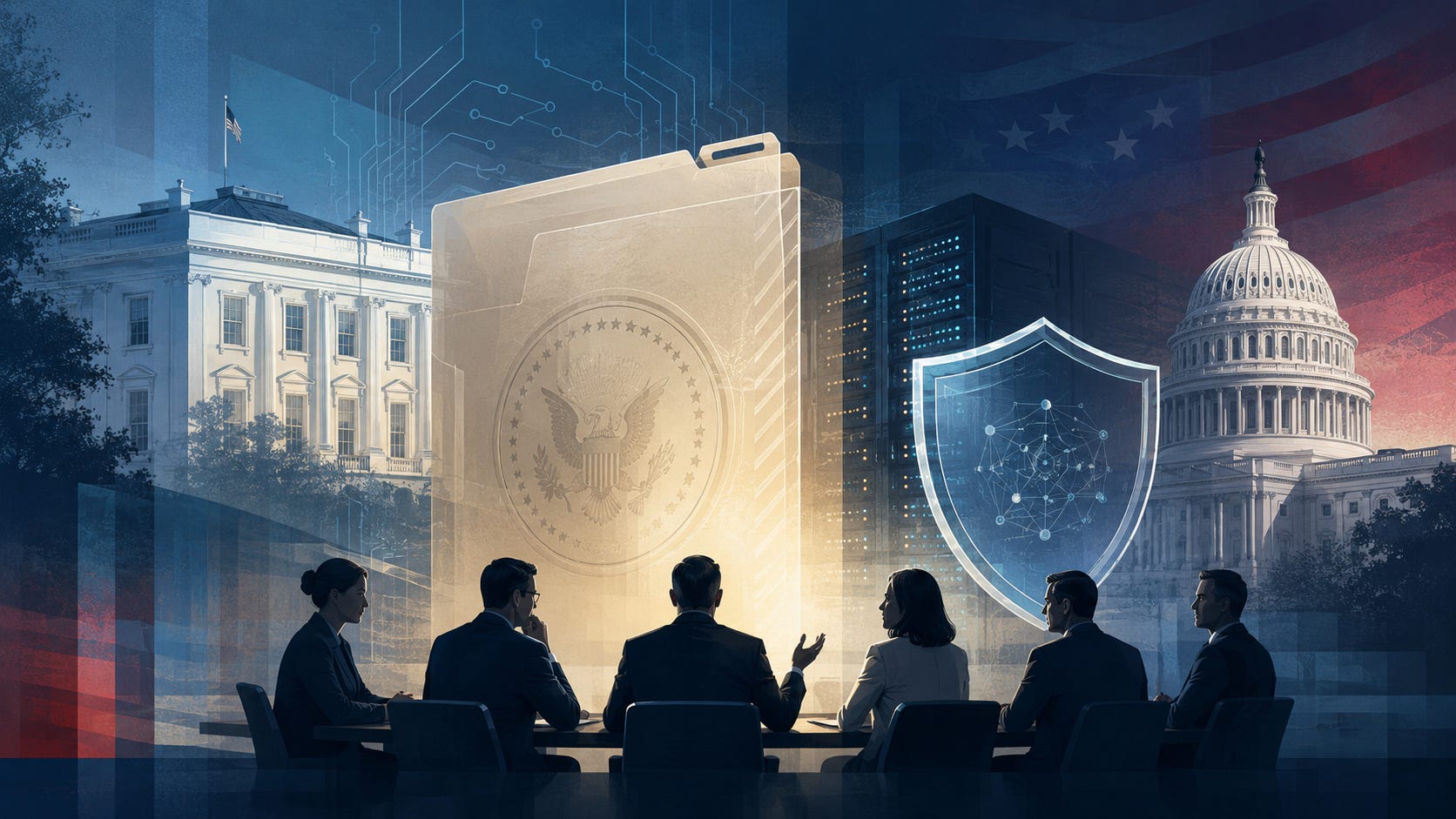
Trump’s AI evaluation order advances national security testing but raises concerns over secrecy, industry access and public accountability.
AI profitability favors enterprise over consumer scale. Anthropic reaches profit as OpenAI plans IPO. Which model wins with public market investors and why it matters.
Hire the next generation of modern tech policy talent now. Students already understand AI, law, governance and the skills institutions urgently need.
AI is becoming a kitchen table issue as data centers, electricity bills, jobs, privacy, children and democracy collide before the 2026 midterms.
Washington’s new pre-deployment AI evaluation push echoes China’s model and exposes why Congress needs stable, bipartisan AI policy.
Harvard Kennedy School research shows how AI can analyze AI policy and why different models may interpret the same policy in different ways.
Anthropic’s invite-only rollout of Project Glasswing shows how frontier AI is becoming a premium enterprise product, shaped by scarcity, safety and market strategy.
Trump’s AI framework pushes federal preemption to the center of U.S. AI policy, setting up a 2026 fight over state power, accountability and national standards.
Anthropic sues the Pentagon while OpenAI signs a deal. What two CEOs' contrasting choices reveal about AI leadership, market value, and ethical risk.
The Anthropic-Pentagon standoff exposed a dangerous vacuum: AI is reshaping national security, but no law governs how. Who decides, and who should?
What five different Chatbots, three American and two Chinese, tell us?
Explore the clash between Anthropic and the Pentagon over military AI. Learn how debates on ethical guardrails and autonomous weapons shape the future of global warfare.
A critical take on Matt Shumer’s viral AI manifesto, examining labor market disruption, hype cycles and the real path to responsible AI adoption.
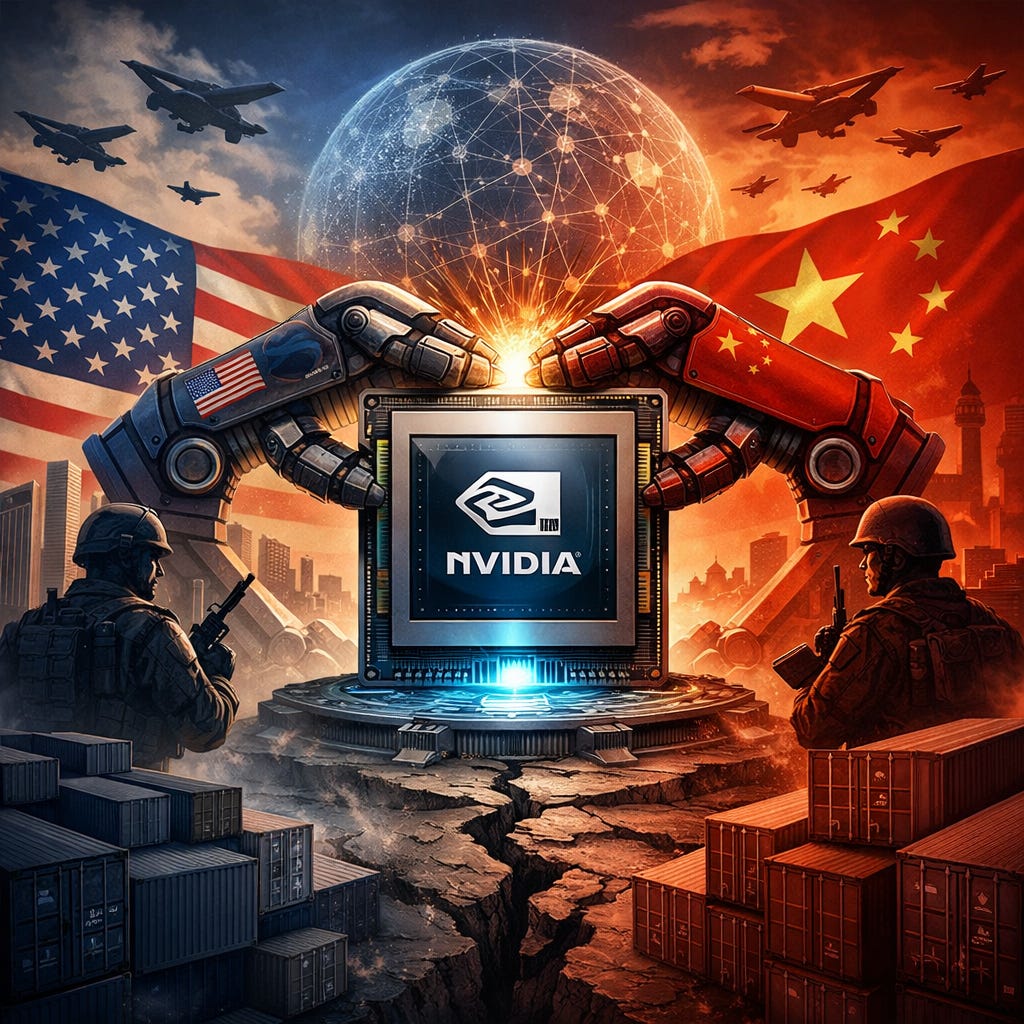
A clear-eyed look at export controls, national security, innovation and America’s long-term AI leadership.
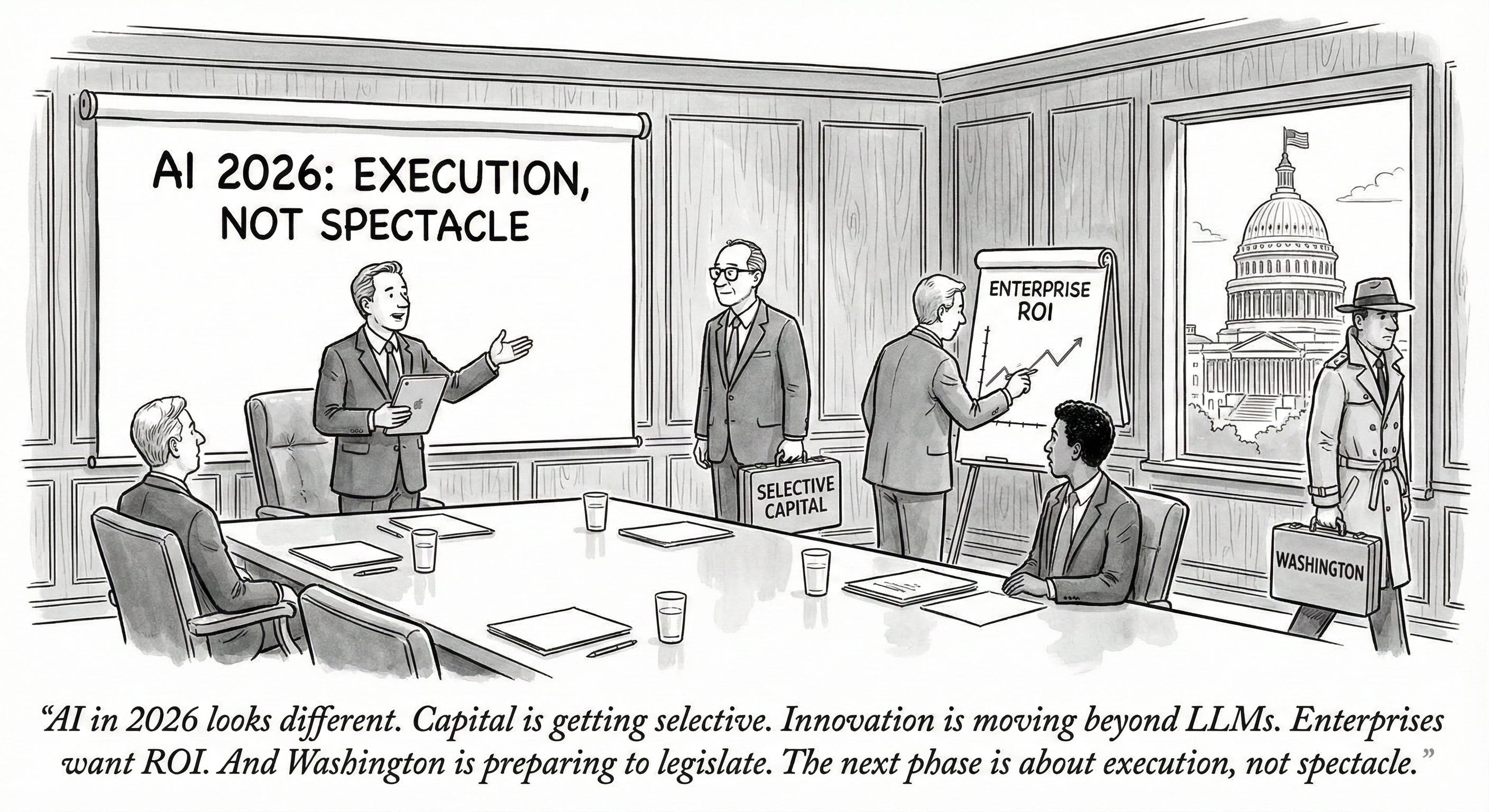
AI in 2026 faces limits to scaling, new innovation beyond large models, rising enterprise adoption and mounting pressure on Congress to regulate.