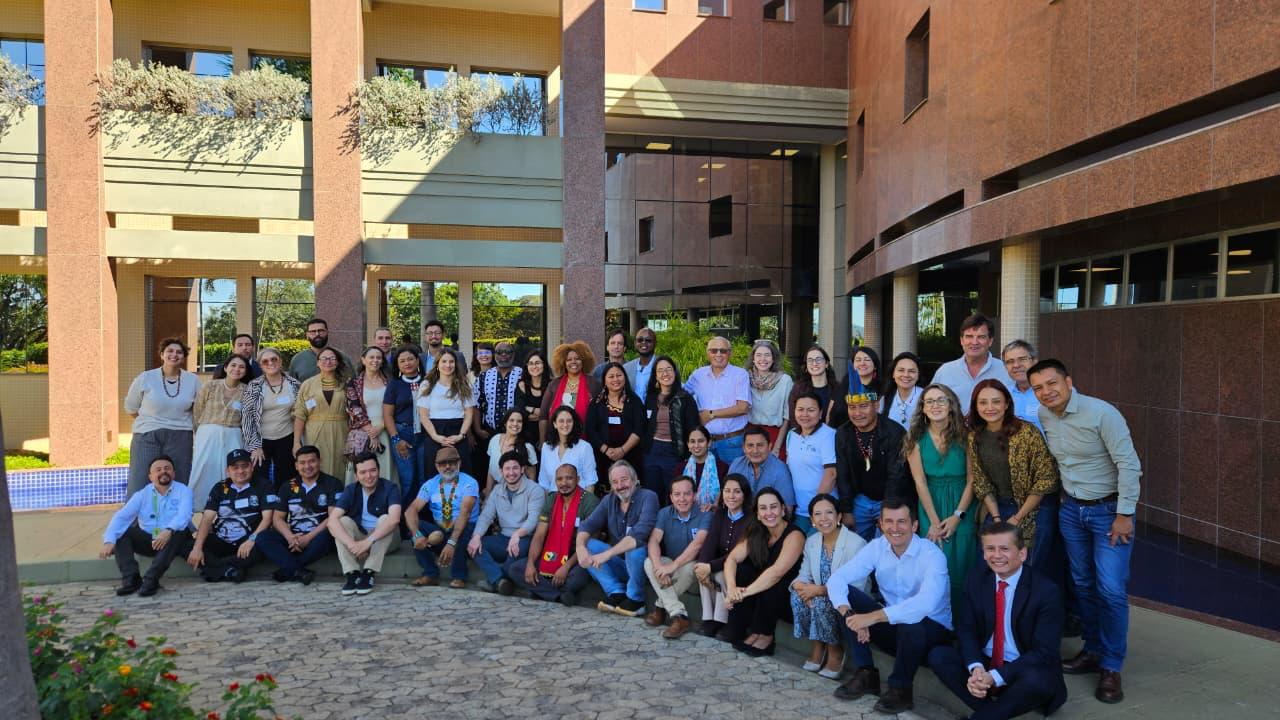
The IDB has made new commitments to strengthen participation and transparency under South Connection. The next test is whether these commitments translate into meaningful changes.
Now that both the World Bank and IDB have approved their co-financing framework, many core concerns remain unaddressed, and key questions about how it will operate in practice remain unanswered.
BIC condemns the World Bank Group Board's unprecedented rejection of the CAO's independent findings, warning that the decision threatens accountability and access to remedy for communities.
As IFC updates its Sustainability Framework, BIC outlines key reforms to strengthen environmental and social protections and address emerging risks across its private sector investments.
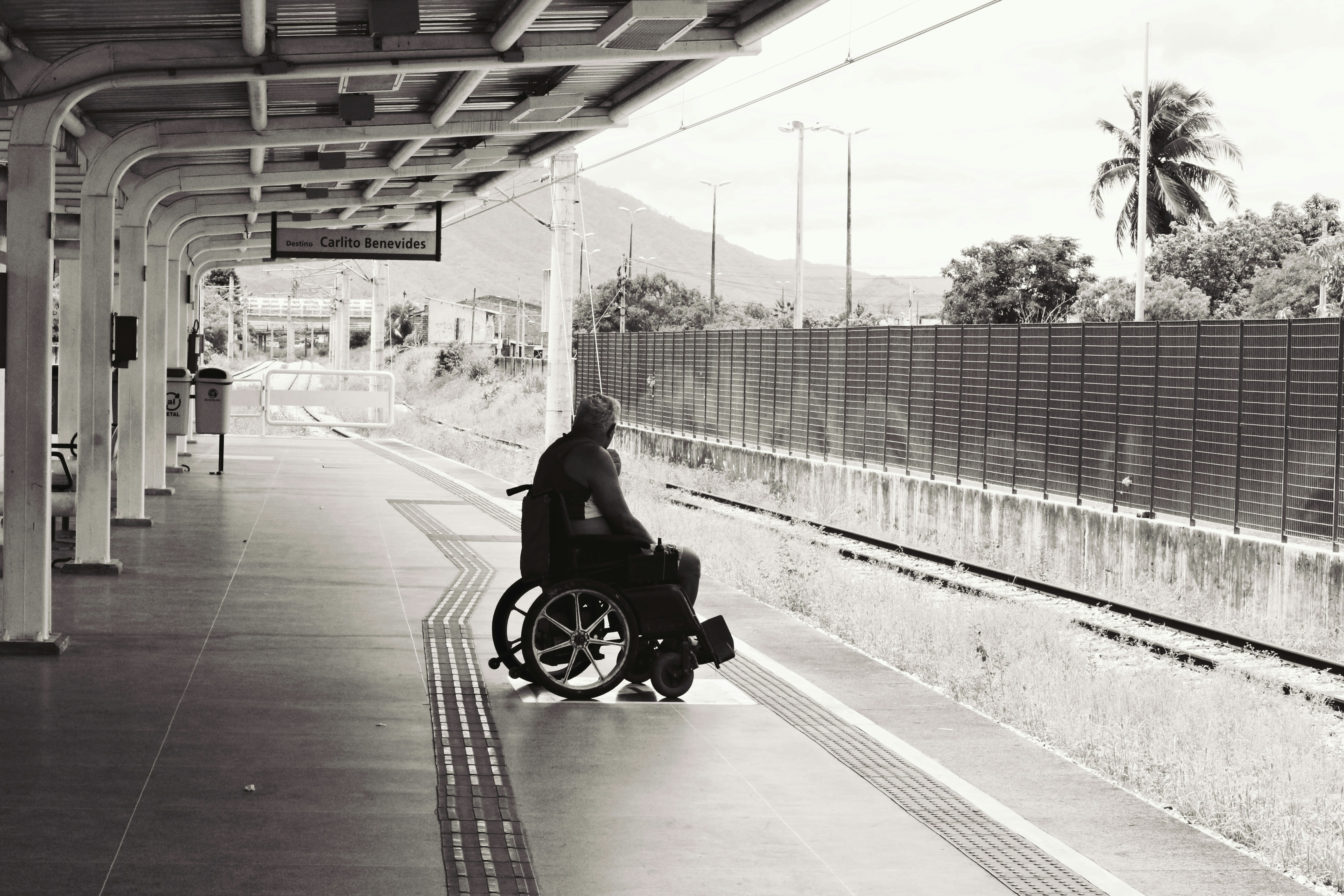
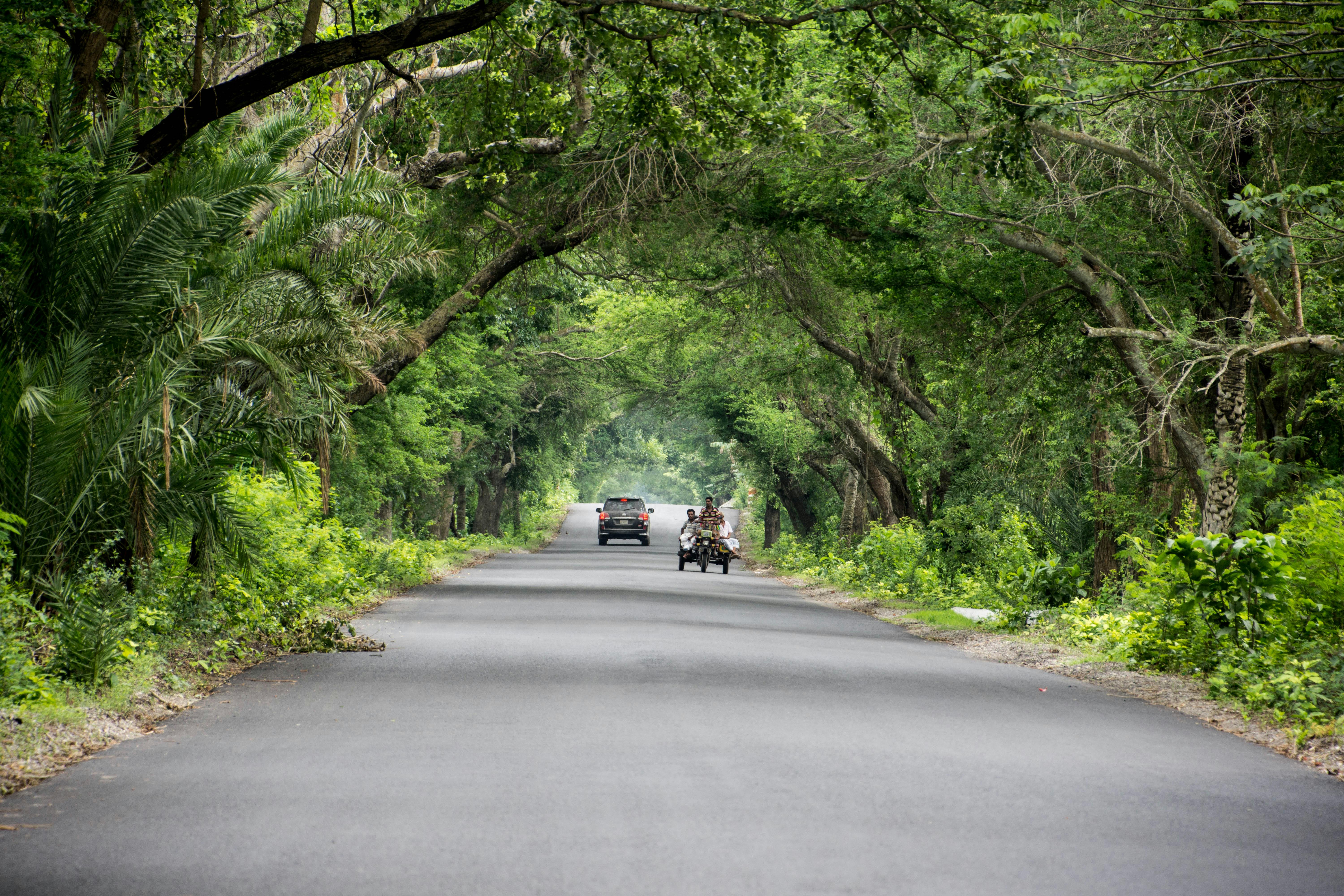
BIC has updated and reissued a brief with new evidence from recent project monitoring work, offering recommendations for how the World Bank can better integrate disability inclusion in transport.
As the FY27 appropriations process progresses, BIC calls on Congress to meet U.S. commitments to concessional MDBs and remove language that attacks the MDBs’ climate commitments.
The Task Force’s draft report explores options for IAM integration. BIC highlights the need for strong policies, independent leadership, and a community-centered approach.
As the IDB advances its South Connection Regional Program, civil society calls for stronger governance, social and environmental safeguards, and inclusive territorial planning.
As IFC reviews its Sustainability Framework, it should explicitly address how its projects impact women. Stronger safeguards would close persistent protection gaps.
As the Inter-American Development Bank develops its 2026–2030 Climate Change Action Plan, it must strengthen ambition, accountability, and Paris alignment across the region.
The new Interim Remedial Action Framework promises to improve how IFC and MIGA address harm from their projects, but risks becoming another feel-good initiative that fails to result in real change.