After decades of struggle and sustained organizing and advocacy with the IDB and its independent accountability mechanism, the Tacana II Madre de Dios Indigenous Peoples in Bolivia have won a landmark victory: securing legal recognition of their ancestral lands. This case represents a new and unique form of co-ownership that supports Indigenous stewards and their ability to protect culture and biodiversity, while also demonstrating how MDB accountability mechanisms can serve as tools to hold institutions accountable and obtain remedy for harm. Learn more
Since updating its Performance Standards in 2012, the International Finance Corporation has taken steps to address reprisals linked to its financing, but these measures remain insufficiently integrated into the institution’s broader environmental and social policy framework. Learn more
In April 2025, the Boards of IFC and MIGA approved their long-awaited Interim Remedial Action Framework (RAF). The RAF, along with the Responsible Exit (RE) Principles, approved in 2024, outlines how the institution will deliver remedy to communities harmed by the projects it finances. If well implemented, the RAF and the RE Principles will be a positive step forward to delivering remedy to communities harmed by IFC and MIGA investments. However, we have yet to see how the institutions will adapt their practice to apply the new frameworks, but we hope to see interpretations that maximize the benefits of increased transparency and accountability for affected communities. Learn more
Over the past year, BIC, with support from Hivos, has worked with civil society organizations in seven countries to assess the barriers to LGBTQI+ inclusion in World Bank projects and provide recommendations for ways to reduce exclusion risk. Learn more
The World Bank’s Corporate Scorecard purports to report “disability-inclusive” results, but uses incorrect assumptions as to the number of persons with disabilities reached. This inflates impact and limits the Bank’s ability to identify gaps and improve inclusion. Learn more
The World Bank Group has launched an initiative to integrate the environmental and social risk management and accountability mechanisms of its public and private sector lending arms. While improved coordination is welcome, integration must strengthen, not weaken, existing safeguards. Any reforms should adopt the highest standards and allow the Bank’s private sector operations to learn from the stronger practices developed in its public sector work. A transparent, consultative process with civil society and communities will be critical to avoid weakening existing safeguards. Read BIC’s recommendations
The African Development Fund’s 17th replenishment should prioritize preventing child sexual exploitation, abuse, and harassment, and improving engagement with civil society. Read BIC’s recommendations
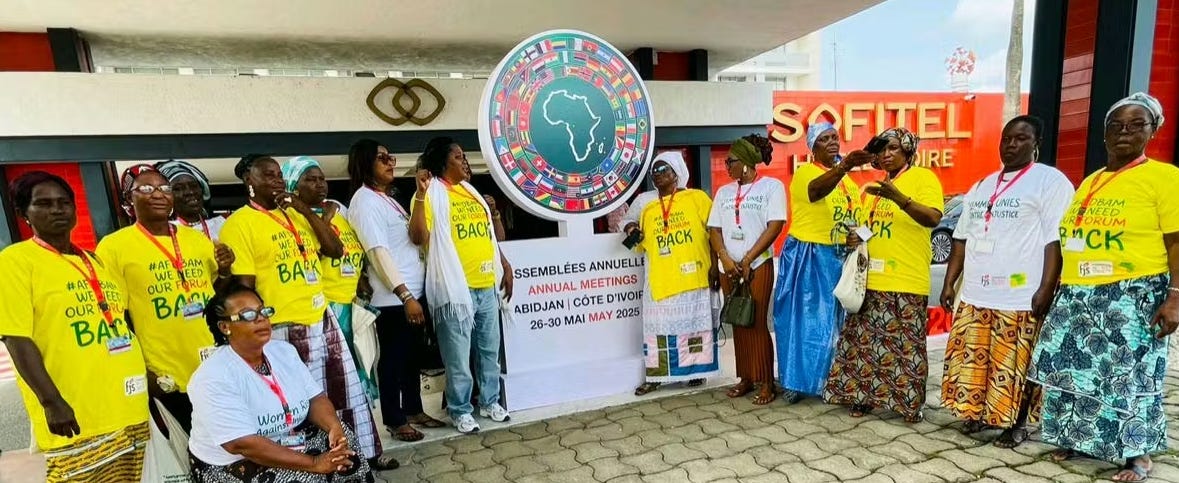
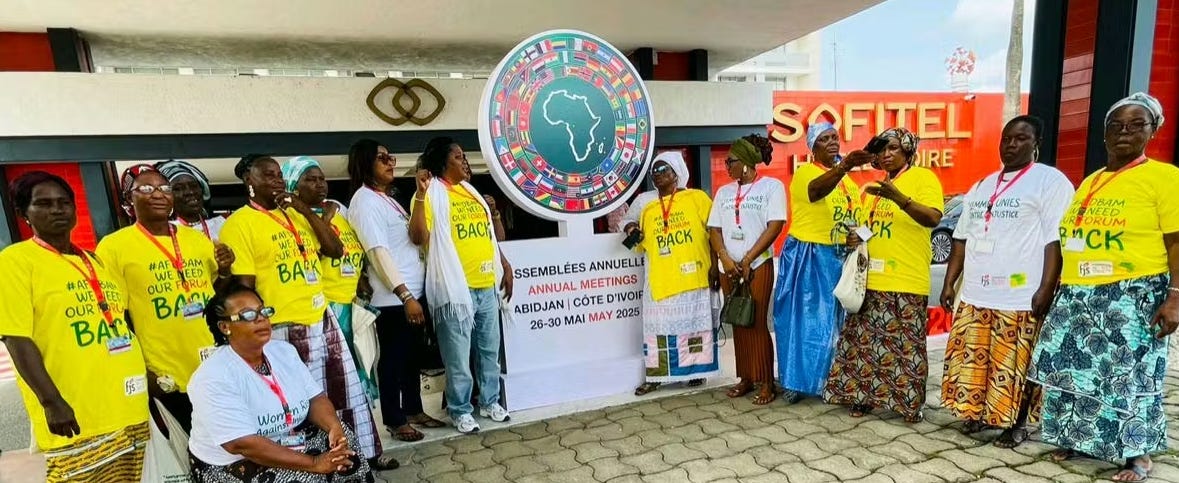
In May 2025, the African Development Bank’s CSO Forum and Annual Meetings in Abidjan promised civil society engagement but fell short due to poor design. Read BIC’s takeaways






Comments
Nothing yet. Say the first thing.
Sign in to join the conversation.