

As IFC updates its Sustainability Framework, BIC outlines key reforms to strengthen environmental and social protections and address emerging risks across its private-sector investments. Our recommendations call for stronger protections for marginalized groups, more meaningful stakeholder engagement, updated climate and biodiversity provisions, and improved access to information. We also urge IFC to clarify its responsibilities for overseeing client compliance and preventing harm throughout the project lifecycle.
Learn more
A MICI compliance investigation found that IDB Invest failed to adequately oversee environmental and social risks associated with its financing of Pronaca in Ecuador. The report recommends stronger environmental oversight, greater transparency, and improved engagement with Indigenous Tsáchila communities, and sets an important precedent by recognizing access to information as a core compliance issue.
Learn more
After approving their interim Remedial Action Framework (RAF) in 2025, IFC and MIGA must now demonstrate that they can effectively address project-related harm. BIC has proposed a set of indicators to measure whether the RAF is reducing harm, delivering meaningful remedy to affected communities, and helping prevent future harm.
Learn more
As U.S. lawmakers continue to negotiate next year’s federal budget, BIC urges Congress to fully fund U.S. commitments to the World Bank and other multilateral development banks (MDBs). We also call for the removal of language that attacks their climate commitments.
Learn more

Significant Changes to Accountability at the World Bank Group
In early June, the World Bank Group announced its decision to merge its three independent accountability mechanisms (IAMs) — the Inspection Panel, Dispute Resolution Service, and the Compliance Advisor Ombudsman (CAO) — into a single mechanism: the World Bank Accountability Mechanism. As the Bank develops the new mechanism’s governance, leadership, and policies, it must uphold a principle of non-regression, preserve the strongest elements of existing accountability frameworks, and keep project-affected communities at the center of the process.
A few weeks later, in an unprecedented move, the Bank’s Board overruled the CAO’s independent findings of non-compliance in several IFC microfinance investments in Cambodia, leading to the resignation of the mechanism’s director. This comes at a pivotal moment in the wake of integration, and raises serious concerns about their future independence and effectiveness. BIC condemns the Board’s decision, and we continue to call for an accountability system that protects the rights of project-affected communities and delivers meaningful remedy when harm occurs.
BIC welcomed the extension of the World Bank’s Climate Change Action Plan while calling for stronger implementation and improved accountability.
Read BIC’s full statement
In case you missed it, read our reflections from this year’s World Bank/IMF Spring Meetings and explore our new website.

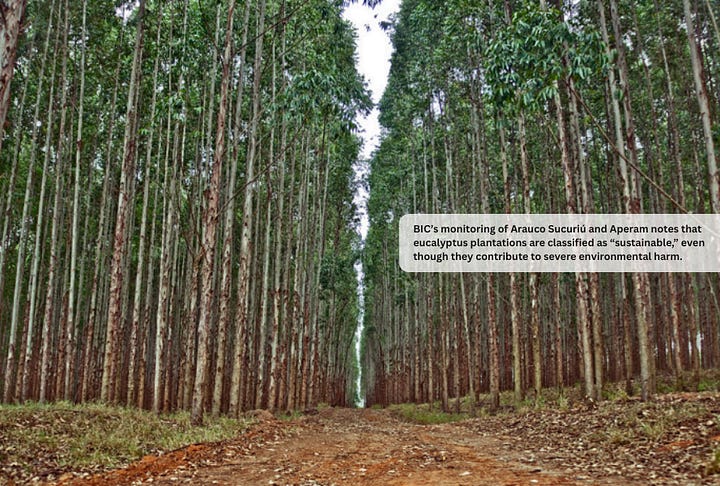
Visit our website for the latest updates on the development projects BIC is currently monitoring. We recently shared our findings from the Arauco Sucuriú project in Brazil and the Tanzania Roads to Inclusion and Socioeconomic Opportunities (RISE) Project.
No posts
Comments
Nothing yet. Say the first thing.
Sign in to join the conversation.